THERE WAS NO PUBLIC FUNERAL. IT WAS APRIL 2020 — NOBODY COULD GATHER. SO FOUR DAYS AFTER HE DIED, THE MAYOR OF STAUNTON WALKED TO THE STATLER BROTHERS MONUMENT AND LAID A WREATH. HIS WIFE OF FIFTY-NINE YEARS STOOD AND WATCHED. The Statler Brothers were the most awarded act in the history of country music. Country Music Hall of Fame. Gospel Music Hall of Fame. Harold sang bass on all of it, wrote much of it, and made people laugh between every song of it. He never left Staunton. Not once. Fame came and he stayed exactly where he started — same town, same church, same wife. Jimmy Fortune posted that night: “Our hearts are broken. I’ll miss you, brother, till I see you again.” The band’s own statement said he had taken a piece of their hearts with him. Kyle Young of the Hall of Fame said his stirring bass was the underpinning of dozens of classics. But nobody said it better than his own family, in the last line of his obituary. They wrote that when Harold met his Lord and Savior, they knew exactly what he said: “We ain’t even started yet!” Eighty years old, a lifetime of music behind him, and the man still had one more punchline. – Country Music
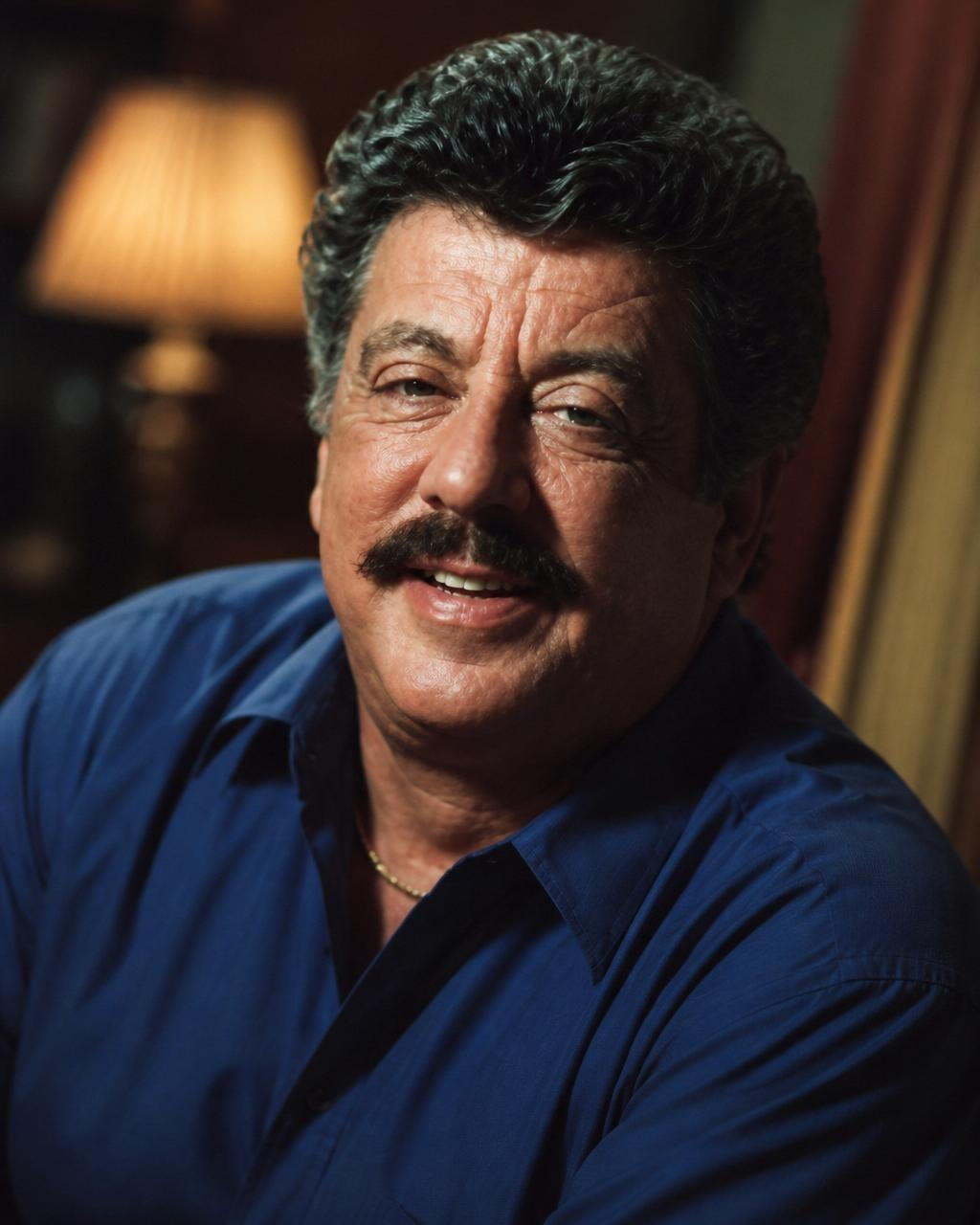
Harold Reid, Staunton, and the Quiet Goodbye That Felt Like a Song
There was no public funeral. In April 2020, there could not be one. People were separated, plans were changed, and the kind of gathering that should have filled a church or a town hall never happened. So four days after Harold Reid died on April 24, 2020, the mayor of Staunton walked to the Statler Brothers monument and laid a wreath. It was a small act, but in that moment it carried the weight of a whole community saying goodbye.
Harold Reid was 80 years old when he died. He had spent his life as the bass voice of the Statler Brothers, one of country music’s most decorated groups and a Country Music Hall of Fame and Gospel Music Hall of Fame act. He was also one of the group’s most memorable personalities: warm, funny, steady, and impossible to mistake once his voice entered a song.
What made Harold Reid remarkable was not only what he achieved, but what he never left behind. Fame came, awards came, national recognition came, and still he remained in Staunton, Virginia. He stayed in the same town, kept close to the same church, and built a life that was rooted more deeply in home than in celebrity. For many fans, that was part of the magic. Harold Reid did not seem like a star who passed through Staunton. He seemed like Staunton itself, carried into living rooms across the country every time the Statler Brothers sang.
The Voice Behind the Harmony
Harold Reid sang bass on the group’s classics, helped shape much of the humor that made the Statler Brothers so beloved, and gave the songs a foundation that listeners could feel even when they did not know his name. Kyle Young of the Country Music Hall of Fame described Harold Reid’s voice as the underpinning of dozens of classics, and that is exactly how many fans remember him: not as a man trying to stand apart, but as the deep center holding everything together.
Jimmy Fortune shared his grief publicly that night, writing that hearts were broken and that he would miss his brother until they met again. The Statler Brothers also released a statement saying that Harold Reid had taken a piece of their hearts with him. Those words mattered because they sounded like the truth. They were simple, direct, and full of affection.
But perhaps the most unforgettable tribute came from Harold Reid’s own family in his obituary. They wrote that when Harold Reid met his Lord and Savior, they knew exactly what he said: “We ain’t even started yet!” It was the kind of line that feels funny at first, then moving the longer you sit with it. It sounded like Harold Reid, the man who could ease a room with a joke and then floor it with a voice that seemed older than time.
“We ain’t even started yet!”
That final punchline said something lasting about Harold Reid. Even at the end of a long life, even after decades of music and memory, he still belonged to the kind of personality that turns sorrow into a smile without erasing the sorrow itself.
In Staunton, the wreath at the monument stood for more than mourning. It stood for gratitude. It stood for a hometown that never lost one of its own. And it stood for a wife of fifty-nine years, children, bandmates, and fans who knew they had lost a man who helped make American country music richer, funnier, and deeper.
Harold Reid is gone, but the sound he left behind still feels alive. In every deep note, every joke between songs, and every memory tied to Staunton, he remains exactly what he always was: unforgettable.
Post navigation
Lew DeWitt and the Song That Changed Everything for The Statler Brothers
There are songs that make a group famous, and then there are songs that seem to define the group forever. For The Statler Brothers, “Flowers on the Wall” did both. Written by Lew DeWitt, the 1965 hit helped push the Virginia quartet from regional church performances into the national spotlight, and it later earned the group Grammy recognition in 1966.
The song’s charm was part mischief, part sadness, wrapped in a melody that felt light on the surface and strangely lonely underneath. That contrast helped make The Statler Brothers unforgettable. Their close harmony sound depended on Lew DeWitt’s high tenor, the top voice that gave the group its signature blend and lifted the music above the rest.
In the mid-1960s, The Statler Brothers were still shaping their identity. They had roots in gospel, a strong work ethic, and a sound that could move between humor and heartbreak without losing its footing. “Flowers on the Wall” gave them a national calling card, and it also showed that Lew DeWitt was not just a singer in the group but a creative force inside it.
That success, however, came with a private cost. Behind the touring, the recording sessions, and the applause, Lew DeWitt was living with Crohn’s disease, a chronic illness that would shadow much of his adult life. The public heard the bright, polished performance; they did not see the pain that followed him offstage. Because the condition is long-term and serious, it would eventually shape what he could physically endure.
When the road became impossible
By 1982, Lew DeWitt’s health had declined enough that he could no longer keep up with the demands of life on the road, and he left The Statler Brothers. It was not a dramatic break built on conflict. It was something quieter and harder: a body that would no longer cooperate with the life he had built around music. Jimmy Fortune later stepped into the role Lew DeWitt had made so distinctive.
Even then, Lew DeWitt did not disappear from music. He kept working when he could, kept writing, and kept trying to sing within the limits he had been given. That persistence mattered. It showed that the man behind the famous harmony was still present, still creative, still reaching for the same stage that had once seemed so certain.
The ending no one wanted
On August 15, 1990, Lew DeWitt died in Waynesboro, Virginia, at the age of 52. His death closed one chapter of The Statler Brothers’ story, but it did not erase the one he helped write.
What remains is not only a hit record or a stack of awards. It is the sound itself: that high tenor, that clever song, that unmistakable blend of voices. Every time “Flowers on the Wall” plays, Lew DeWitt is still there inside it. The song that helped put The Statler Brothers on the map is also a reminder of the man who created part of their magic, and of the quiet struggle he carried while the music kept going.