THE MAN WHOSE VOICE DEFINED COUNTRY HARMONY — AND NEVER LEFT HIS SMALL TOWN He could have moved to Nashville’s Music Row. A penthouse in New York. A mansion anywhere fame would take him. But Harold Reid — the legendary bass voice of The Statler Brothers, the most awarded group in country music history — never left Staunton, Virginia. The same small town where he sang in a high school quartet. The same front porch where he’d sit in retirement and wonder if it was all real. His own words say it best: “Some days, I sit on my beautiful front porch, here in Staunton, Virginia… some days I literally have to pinch myself. Did that really happen to me, or did I just dream that?” Three Grammys. Nine CMA Awards. Country Music Hall of Fame. Gospel Music Hall of Fame. Over 40 years of sold-out stages. He opened for Johnny Cash. He made millions laugh with his comedy. A 1996 Harris Poll ranked The Statler Brothers America’s second-favorite singers — behind only Frank Sinatra. And when it was over? He didn’t chase one more tour. One more check. In 2002, The Statlers retired — gracefully, completely — because Harold wanted to be home. With Brenda, his wife of 59 years. With his kids. His grandchildren. His town. Jimmy Fortune said it plainly: “Almost 18 years of being with his family… what a blessing. How could you ask for anything better — and he said the same thing.” He fought kidney failure for years. Never complained. Kept making people laugh until the end. When he passed in 2020, the city of Staunton laid a wreath at the Statler Brothers monument. Congress honored his memory. But the truest tribute? He died exactly where he lived — at home, surrounded by the people he loved. Born in Staunton. Stayed in Staunton. Forever Staunton. – Country Music
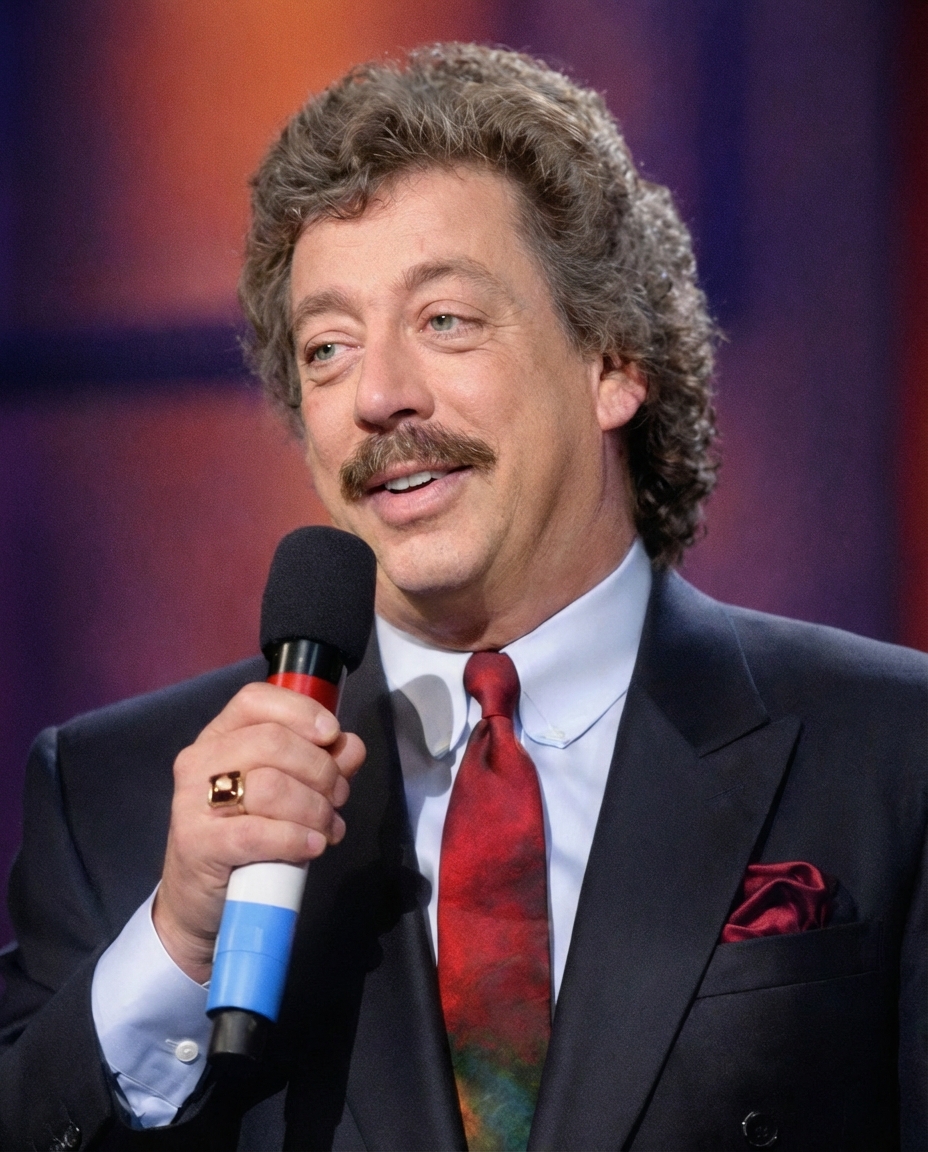
Harold Reid could have lived almost anywhere.
After all, Harold Reid was not just another singer who passed through country music for a few good years and disappeared. Harold Reid was the unforgettable bass voice of The Statler Brothers, the man whose deep notes gave the group its foundation, its warmth, and much of its humor.
Fame gave Harold Reid every reason to leave home.
There could have been a house near Nashville’s Music Row. There could have been a place in New York, where television lights and entertainment headlines moved faster. There could have been a mansion tucked away somewhere far from the people who remembered him before the awards, before the bus rides, before Johnny Cash, before the applause.
But Harold Reid stayed in Staunton, Virginia.
The same small town where Harold Reid first learned what harmony sounded like. The same place where a group of young men sang together long before the world knew the name The Statler Brothers. The same streets that watched Harold Reid go from local boy to country music legend, then welcomed Harold Reid back without needing to treat him like a stranger.
That may be the most remarkable part of Harold Reid’s story. Harold Reid became famous, but Harold Reid never seemed desperate to be separated from where Harold Reid began.
“Some days, I sit on my beautiful front porch, here in Staunton, Virginia… some days I literally have to pinch myself. Did that really happen to me, or did I just dream that?”
Those words say more about Harold Reid than any award list ever could.
And there were plenty of awards.
The Statler Brothers won Grammys. The Statler Brothers earned Country Music Association honors. The Statler Brothers were welcomed into the Country Music Hall of Fame and the Gospel Music Hall of Fame. For decades, The Statler Brothers filled theaters, charmed television audiences, and built one of the most loyal fan bases country music has ever known.
Harold Reid helped make that happen not only with a voice, but with timing. Harold Reid had a gift for comedy that felt natural, never forced. Harold Reid could make a crowd laugh before a song, then settle into a bass line that made the same crowd lean forward and listen.
That was the beauty of The Statler Brothers. The Statler Brothers did not sound like four separate men fighting for attention. The Statler Brothers sounded like a family table, a church pew, a memory, and a joke all meeting in the same song.
Harold Reid’s voice was often the floor beneath it all.
A Career Big Enough To Change His Life
For years, The Statler Brothers traveled with Johnny Cash, performing before audiences that stretched far beyond Staunton, Virginia. The road brought them fame. The records brought them respect. The songs brought them into homes across America.
But success did not seem to erase Harold Reid’s sense of place.
Some artists spend their careers trying to prove they have outgrown where they came from. Harold Reid seemed to prove the opposite. Harold Reid showed that a person could stand on the biggest stages in country music and still belong to one front porch, one town, one family.
When The Statler Brothers retired in 2002, it did not feel like a dramatic exit built for attention. It felt like a decision made by men who understood what mattered when the lights went down.
For Harold Reid, home was not a backup plan. Home was the destination.
Brenda, Harold Reid’s wife of 59 years, was there. Harold Reid’s children were there. Harold Reid’s grandchildren were there. Staunton, Virginia was there. And after decades of giving audiences his voice, Harold Reid gave his remaining years to the people who had always known the man behind it.
The Quiet Ending Of A Loudly Loved Life
In later years, Harold Reid faced kidney failure. People close to Harold Reid have remembered the way Harold Reid kept his humor and spirit even through difficult days. That feels fitting. Harold Reid had spent a lifetime lifting people with laughter, and Harold Reid did not easily let hardship take that from him.
When Harold Reid passed away in 2020, the tributes came from fans, friends, musicians, and public officials. Staunton, Virginia honored Harold Reid’s memory. The country music world remembered Harold Reid not only as a voice, but as a presence — warm, funny, steady, and deeply loved.
But perhaps the most meaningful tribute was simpler than any ceremony.
Harold Reid died at home.
Not in a place built for fame. Not far away from the streets that shaped Harold Reid. Not chasing one last spotlight. Harold Reid left this world in the place Harold Reid had chosen again and again.
Born in Staunton. Raised by Staunton. Celebrated by the world. Returned to Staunton.
Harold Reid’s voice helped define country harmony. But Harold Reid’s life told an even quieter truth: sometimes the greatest success is not how far you get from home, but how fully you remember where home is.
Post navigation
He Sang His Last Big Hit Like a Man Watching the Country World Slip Away
By the time Don Williams recorded “Lord Have Mercy on a Country Boy”, Don Williams was no longer chasing country music. Country music had already come to him.
Don Williams had built a career on stillness. While other singers pushed harder, sang louder, or wrapped every chorus in drama, Don Williams did something far more difficult. Don Williams made quiet sound powerful.
Fans called Don Williams the Gentle Giant, and the name fit. Don Williams had the tall frame, the beard, the hat, and that warm, steady voice that seemed to enter a room without opening the door too hard. Don Williams did not need to beg for attention. Don Williams simply sang, and people leaned closer.
But “Lord Have Mercy on a Country Boy” carried a different kind of weight.
A Song That Was Not Really About the Past
At first, the song sounded like nostalgia. A country boy missing trees. Rivers. Open ground. The smell of the earth. The kind of life where a person could hear himself think before the world became too loud.
But underneath that simple picture was something deeper.
Don Williams was not just singing about the countryside. Don Williams was singing about belonging. The song felt like a quiet question from a man who had watched the modern world change shape around him.
What happens to a country boy when the world that made him starts disappearing?
That was why the song hurt without ever trying to hurt. Don Williams did not sing it like a protest. Don Williams did not point fingers. Don Williams did not turn the lyric into a speech against progress or a complaint about younger people.
Don Williams sang it like a man standing at the edge of a place he loved, knowing the road behind him was getting harder to find.
The Power Was in the Restraint
Many singers would have made “Lord Have Mercy on a Country Boy” bigger. They might have pushed the sadness harder. They might have turned the chorus into a dramatic cry. Don Williams did the opposite.
Don Williams kept it calm.
That calmness became the heartbreak. Because when Don Williams sang about the loss of open fields and natural beauty, Don Williams sounded less like someone trying to change the world and more like someone who had already accepted that the world had changed.
There was no bitterness in the performance. There was something more painful than bitterness: recognition.
Don Williams sounded like a man who understood that time does not always destroy things loudly. Sometimes time simply replaces them. A field becomes a road. A quiet town becomes crowded. A way of life becomes a memory before people even realize it is gone.
In 1991, “Lord Have Mercy on a Country Boy” became Don Williams’ final Top 10 country hit. That detail gives the song an even stronger feeling now.
It was not planned as a farewell. It was not announced as the closing chapter of Don Williams’ biggest hit-making years. But looking back, the song feels almost perfectly placed.
Don Williams had spent years giving country music a softer kind of truth. Don Williams sang about love, home, patience, memory, and the ordinary emotions people carry quietly. Then, near the end of Don Williams’ run as a major chart force, Don Williams gave listeners a song about a country boy trying to survive in a world that no longer seemed built for him.
That is what makes the recording feel larger than a hit single.
It feels like a statement Don Williams never had to explain.
Why the Song Still Feels So Personal
The reason “Lord Have Mercy on a Country Boy” still connects is not just because people miss the countryside. It connects because almost everyone knows what it feels like to outlive some version of home.
Sometimes home is a farm. Sometimes home is a small town. Sometimes home is a voice at the dinner table, a road that no longer looks the same, or a childhood place that exists only in memory.
Don Williams understood that feeling. More importantly, Don Williams trusted the listener enough not to over-explain it.
Don Williams let the song breathe.
And in that space, listeners could place their own losses.
A Quiet Goodbye to the World That Made Don Williams
Some artists fight the changing times. Some artists reinvent themselves until almost nothing familiar remains. Don Williams chose a different path.
Don Williams remained Don Williams.
That may be why “Lord Have Mercy on a Country Boy” feels less like nostalgia and more like a farewell. Not a farewell to music. Not a farewell to fans. But a farewell to a kind of country life that once felt permanent.
Don Williams did not raise his voice because Don Williams did not need to.
Don Williams simply stood still, sang softly, and made people feel what had been lost.
And maybe that is why the song still matters. Because Don Williams was not only singing about a country boy. Don Williams was singing for anyone who has ever looked around and wondered when the world moved so far from home.