ONE LINE IN A 1952 COUNTRY SONG MADE MEN NOD — THEN ONE WOMAN ANSWERED BACK. Hank Thompson didn’t write “The Wild Side of Life,” but when he sang it, the song became his. In 1952, it spent 15 weeks at #1, turning a heartbreak ballad into one of country music’s biggest moments. His voice was calm, almost too calm — a man looking at a woman who left, trying to make sense of the hurt without admitting what he might have done wrong. Then came the line that changed everything: “I didn’t know God made honky tonk angels.” To some listeners, it sounded like sorrow. To others, it sounded like blame. And somewhere out there, a woman heard it differently. She heard the accusation hiding inside the heartbreak. She heard a world ready to blame the woman and forgive the man. So she stepped to a microphone and answered with a song of her own. Country music thought Hank had ended the story. Kitty Wells was about to prove he had only started it. – Country Music
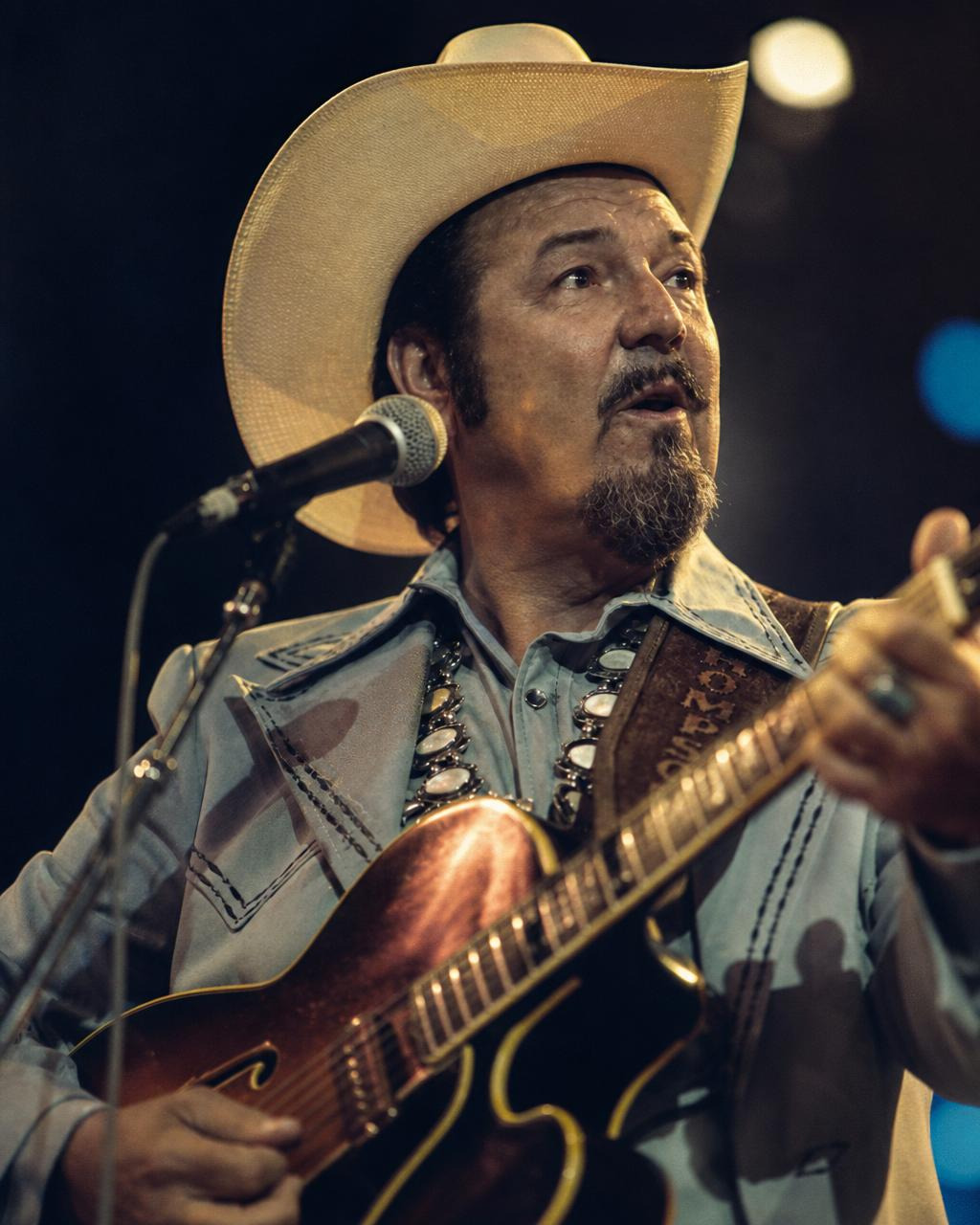
In 1952, Hank Thompson had a song that seemed to speak for a whole generation of hurt men. The Wild Side of Life climbed to the top of the country charts and stayed there for 15 weeks, becoming one of the biggest songs of the year. It was smooth, sad, and unforgettable. Hank Thompson did not write the song, but when he sang it, the record felt like his own confession.
There was something controlled about the way he delivered it. He did not shout or break down. He sounded like a man trying to hold himself together after love fell apart. That calm made the lyrics hit even harder. Listeners did not just hear heartbreak. They heard judgment, regret, and a familiar kind of complaint that had been passed around in barrooms and living rooms for years.
Then came the line that stuck in people’s heads: “I didn’t know God made honky tonk angels.” To some, it sounded like sorrow wrapped in disappointment. To others, it sounded like a finger pointed at the woman who left. It was the kind of line that made men nod because it seemed to explain a wounded ego as much as a broken relationship. It was easy to sing along with if you wanted to believe the man in the song had been wronged and only wronged.
But not everyone heard it that way.
Somewhere in the middle of all that success, Kitty Wells heard the song and felt something deeper than irritation. She heard the familiar pattern. A man tells his side of the story, and the woman becomes the problem. The heartbreak is real, but the blame is uneven. The wound is shared, yet only one person is made to carry the shame. Kitty Wells understood that country music had room for sorrow, but not always room for a woman’s reply.
So she answered.
The Song That Pushed Back
Kitty Wells recorded It Wasn’t God Who Made Honky Tonk Angels as a direct reply, and she did not hide the fact that it was a response. The title alone made the message clear. She was not just singing back; she was correcting the story. Where The Wild Side of Life suggested that a woman’s choices were the source of the trouble, Kitty Wells asked the listener to look again. Maybe the story was more complicated. Maybe the blame had been too simple all along.
Her voice did not come with anger for anger’s sake. That is part of why the record landed so strongly. Kitty Wells sounded steady, certain, and quietly firm. She was not yelling over Hank Thompson’s song. She was standing beside it and refusing to be erased by it. In a music world where women were often expected to soften the edges of their pain, Kitty Wells gave country music a new kind of strength: a calm refusal to accept the old version of the truth.
The response was immediate. Listeners noticed that the call-and-response between the two records felt bigger than gossip or one bad breakup. It was about perspective. It was about who gets to speak first, and who gets believed. It was about how easily a sad song can become a moral judgment when people are not careful.
Why It Mattered So Much
This moment mattered because country music was changing, even if slowly. Hank Thompson’s song captured a feeling many people recognized, which is why it succeeded so dramatically. But Kitty Wells proved that a hit record could also be challenged, not with bitterness alone, but with intelligence and grace. She did not just defend herself. She widened the conversation.
“It wasn’t God who made honky tonk angels,” Kitty Wells sang, turning a complaint into a rebuttal and a rebuttal into history.
That one response helped open the door for more women in country music to tell their own stories, in their own voices, without waiting for permission. It showed that a woman could sing back to a man’s hit and make the reply just as powerful, maybe even more so. The audience did not have to pick only one side of the heartbreak. They could hear both, and that changed everything.
A Story That Still Feels Alive
Today, the exchange between Hank Thompson and Kitty Wells still feels fresh because the emotional truth has not gone away. People still hear a story and assume they know who caused the pain. People still turn heartbreak into blame. And people still need someone brave enough to say, gently but firmly, that there is more than one side to the song.
That is why this moment remains one of country music’s great turning points. One line in a 1952 song made men nod. Then one woman answered back, and the whole genre had to listen.
Post navigation
This Memorial Day weekend, the Grand Ole Opry became more than a legendary stage. It became a place of remembrance, gratitude, and quiet emotion. For more than 100 years, the Opry has stood as a symbol of live American music, but on this night, the moment carried a deeper weight.
Chris Young stepped into the circle. Sara Evans brought the kind of voice that can still a room. And Gary Sinise arrived with the Lt. Dan Band, the group he has led for years while also dedicating himself to a mission far beyond entertainment. For many people, he is still remembered for the Oscar-nominated role that helped define his career. But for wounded veterans and military families, Gary Sinise has become something much larger than an actor.
A Night That Began in Silence
Before the first song began, the lights went low and the crowd rose to its feet. There was no chatter, no rush, no applause. Just a shared pause. Thousands of people stood together in silence, thinking about the men and women who never made it home, and the families who carry that absence every day.
It was one of those rare moments when a performance feels like a memorial. The music had not started yet, but the meaning was already unmistakable. Memorial Day is often marked by ceremonies and speeches, yet sometimes a quiet room tells the truth more powerfully than any script can.
Some moments are not about being entertained. They are about remembering why we gather at all.
The Actor Who Became a Lifelong Advocate
Gary Sinise first earned national attention as an actor, including the Oscar nomination for his unforgettable work playing Lieutenant Dan in Forrest Gump. That role introduced millions of viewers to a wounded veteran character whose pain, pride, and resilience felt deeply real. What came after was even more remarkable: Gary Sinise did not let the connection end when the credits rolled.
Over the next two decades, Gary Sinise poured his energy into serving military members, veterans, and their families. Through the Gary Sinise Foundation, he helped support programs that provide relief, honor service, and bring moments of stability to people facing life after injury or loss. Among the foundation’s most moving efforts has been the construction of nearly 100 mortgage-free homes for wounded veterans and their families.
That is not a publicity line. It is a life-changing gift. A home means security, dignity, and a fresh start. For a family trying to rebuild after service-related trauma, that kind of support can mean everything.
More Than 600 Free Shows for the Troops
Then there is the music. With the Lt. Dan Band, Gary Sinise has performed more than 600 free shows for military audiences around the world. Those performances have taken place on bases, in hospitals, overseas, and in places where a familiar song can remind someone of home.
Music cannot erase hardship, but it can create a bridge. It can lift a spirit for one evening. It can remind a service member that people back home are paying attention. That is part of why Gary Sinise’s work has resonated so strongly for so long. It feels personal because it is personal.
Why This Opry Moment Hit So Hard
The Grand Ole Opry performance struck a nerve because it brought all of that history into one room. Chris Young, Sara Evans, and Gary Sinise were not just sharing a stage; they were carrying a message of honor and remembrance. When the audience stood in silence, the night took on a sacred quality. When Sara Evans wiped her eyes before singing, it reflected what many people in the room were feeling but could not say.
Gary Sinise later picked up his bass and addressed the crowd quietly, without turning the moment into a speech. That restraint made it even more powerful. Sometimes the deepest respect is shown not through volume, but through stillness.
A Legacy Built on Action
What makes Gary Sinise’s story so compelling is the consistency. Some people are moved by a cause for a season. Gary Sinise built a second career around service and kept showing up year after year. He turned admiration into action, and action into trust.
That is why this Memorial Day weekend performance mattered so much. It was not simply a concert appearance. It was the visible expression of a long commitment to the people who serve. The Opry audience saw a performer, yes, but they also saw a man who has spent years honoring sacrifice in practical, lasting ways.
In a world full of fast headlines, that kind of steady devotion stands out. The stage lights may have gone back up, the songs may have ended, but the feeling lingered. Some performances entertain. Some performances inspire. And a very rare few remind everyone in the room what gratitude really looks like.
What People Will Remember
People may remember the names on the bill. They may remember the voices, the harmonies, and the famous circle of the Opry stage. But many will remember something quieter: the silence before the music, the standing crowd, and the sense that the night was about more than a show.
Gary Sinise built a legacy on screen, then used that recognition to serve real veterans in real life. On Memorial Day weekend, that legacy met the moment in a way that felt honest, emotional, and deeply human.
Some stages hold performances. This one held something no one in the room was ready for, and that is exactly why it will not be forgotten anytime soon.