HE WALKED OUT OF SAN QUENTIN IN 1960 WITH NO RECORD DEAL AND NO MUSIC CAREER. SIX YEARS LATER, MERLE HAGGARD STOOD AT THE FIRST ACM AWARDS AS COUNTRY MUSIC’S MOST PROMISING MALE VOCALIST. Merle Haggard did not leave prison and walk straight into fame. After his parole in 1960, he took whatever work he could find. By day, he performed manual labor. At night, he played Bakersfield clubs and eventually found regular work playing bass for Wynn Stewart. In 1962, Fuzzy Owen signed him to the small Tally Records label. Merle’s first single sold almost nothing. There was no Nashville welcome. No major label waiting. Just a former inmate singing in California bars, trying to prove that the worst years of his life would not be the only years people remembered. Then “My Friends Are Gonna Be Strangers” reached the country Top Ten in 1965. Capitol Records signed him, and the name Merle Haggard began moving beyond Bakersfield. At the inaugural ACM Awards in 1966, honoring the previous year’s music, he was named Most Promising Male Vocalist. Six years had passed since San Quentin. Only three had passed since his first record deal. The award did not say he had arrived. It only said he showed promise. Country music had no idea how much. – Country Music
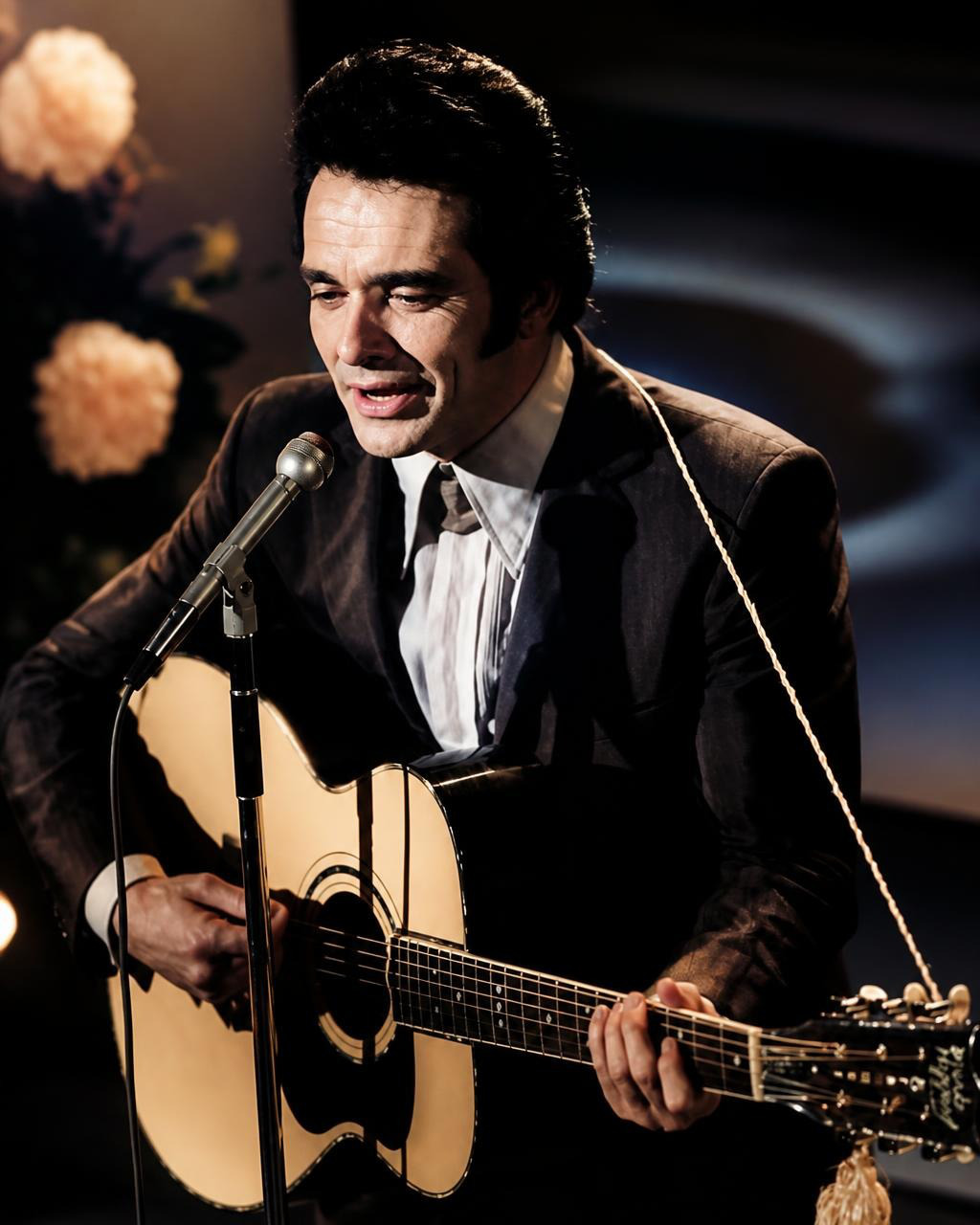
Merle Haggard did not leave San Quentin and step into stardom. In 1960, after his parole, he returned to Bakersfield with no record deal, no guarantee, and no easy path forward. What he had was determination, a voice shaped by hard experience, and a stubborn belief that music could still give his life a different ending.
For a while, the work was ordinary and exhausting. By day, Merle Haggard took whatever jobs he could find. By night, he moved through Bakersfield clubs, trying to earn attention one song at a time. The local scene mattered. It was loud, rough, and real, and it gave him room to grow without pretending to be anyone else.
As the years passed, Merle Haggard found steadier footing. He began playing bass for Wynn Stewart, a step that brought him closer to the center of the music world he wanted so badly to enter. It was not fame. It was not fortune. But it was movement, and for a man trying to rebuild a life, that mattered.
In 1962, Fuzzy Owen signed Merle Haggard to the small Tally Records label. That first record deal did not come with big promises. It came with risk, uncertainty, and the kind of modest start many artists never survive. Merle Haggard’s first single did not immediately change everything. It sold almost nothing, and there was no sudden industry embrace waiting on the other side.
Still, Merle Haggard kept going. In 1965, “My Friends Are Gonna Be Strangers” reached the country Top Ten, and that song opened a door. Capitol Records signed him, and the name Merle Haggard began to travel beyond Bakersfield. More listeners were hearing the honesty in his voice, and more people were starting to understand that his story was becoming bigger than his past.
The Night the Industry Noticed
At the inaugural Academy of Country Music Awards in 1966, honoring the music of the previous year, Merle Haggard was named Most Promising Male Vocalist. It was a small phrase for a big moment. It did not claim that Merle Haggard had already reached the top. It said something more careful, and in its own way more powerful: Merle Haggard was on the way.
The award did not say he had arrived. It said he showed promise.
Six years had passed since San Quentin. Only three had passed since his first record deal. That timeline alone tells the story. Merle Haggard’s rise was not instant, and it was not polished. It was built from labor, patience, and songs that carried the weight of real life.
Country music had plenty of polished voices in 1966. What it found in Merle Haggard was something harder to ignore: a singer who sounded like he had lived every line. The ACM honor was not the end of the story. It was the moment the story became impossible to overlook.
And for Merle Haggard, that may have been the truest victory of all.
Post navigation
The Song That Asked a Question Before the World Could Answer
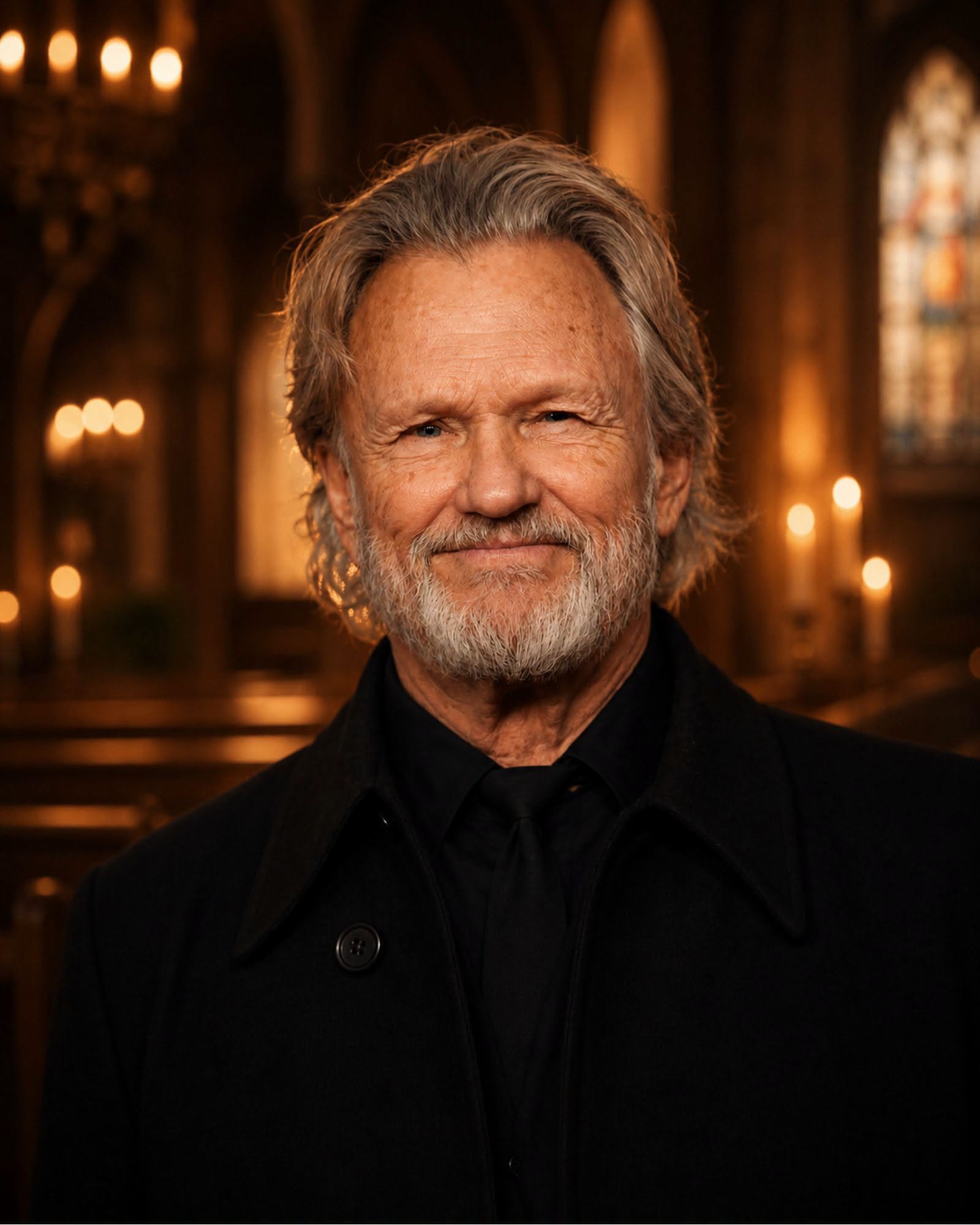
Long before “Why Me Lord” became one of the most cherished country gospel songs of the 1970s, Kris Kristofferson was already living a life many people only dream about. He was a celebrated songwriter, a rising recording artist, and a name that carried weight in both music and film. But success did not mean certainty. In that quiet tension between public praise and private doubt, one of his most unforgettable songs was born.
The story of “Why Me Lord” has always felt different from the average hit. It was not built to sound polished or proud. It felt like a prayer. When Kris Kristofferson released it in 1973 on Jesus Was a Capricorn, listeners heard a voice that seemed stripped of image and ego. The song’s gentle plea — “Why me Lord” — carried the kind of honesty that can stop a room. It later became Kris Kristofferson’s only No. 1 country hit as a solo artist and earned major recognition at the Grammy Awards in 1974.
A Song Born from Humility
Over the years, the song has been remembered not just for how it sounded, but for what it represented. Kris Kristofferson wrote from a place of spiritual searching, and that vulnerability helped the song connect far beyond country radio. The lyrics do not boast. They ask. They wonder. They admit gratitude without pretending to understand it. That is part of why the song still feels alive decades later.
There is a reason people continue to speak about this song with a kind of reverence. In an era filled with larger-than-life country stars, Kris Kristofferson offered something more fragile and more human. He did not hide uncertainty. He turned it into art. The result was a song that found its way into churches, living rooms, and memories, becoming a bridge between country storytelling and gospel feeling.
Why It Still Matters
“Why Me Lord” endures because it captures a universal emotion: the feeling of being unworthy of grace, love, or good fortune, yet receiving them anyway. That message gave the song a lasting place in country music history. Even listeners who did not know Kris Kristofferson’s full story could hear sincerity in every line. The song did not demand attention. It earned it quietly.
Kris Kristofferson wrote many songs that shaped modern country music, but “Why Me Lord” stands apart because it sounds less like performance and more like confession. That difference is what made it timeless. It reminded audiences that the most powerful songs are often the most honest ones. And sometimes, the song that lasts is the one written in the stillness, by a man willing to kneel and ask a question nobody else could answer for him.
“Why me Lord…”
More than fifty years later, the song still carries that same quiet force. It remains one of the great reminders in country music that truth does not need to shout. Sometimes, it only needs to whisper.