AT 71, JOHNNY CASH COULD BARELY WALK TO THE MICROPHONE — BUT HE STILL SANG FOR THE WOMAN WHO WASN’T THERE. On July 5, 2003, seven weeks after June Carter Cash died, Johnny arrived at the Carter Family Fold in Virginia in a wheelchair. But Hiltons resident Pat Jones remembered one detail clearly: “He insisted on walking into the Fold that night.” Two men helped Johnny reach the chair waiting beneath the microphone. His body looked fragile. Then he spoke five familiar words: “Hello, I’m Johnny Cash.” For thirty minutes, he sang the songs that had carried him through half a century. Before “Ring of Fire,” he told the crowd that June’s spirit was with him, giving him courage as she always had. June’s cousin Janette Carter gently broke the sadness with a line June once used: “Johnny Cash was already plugged in when she met him.” The room answered with laughter, tears, and applause. Johnny closed with “Understand Your Man,” a song he had not performed live in twenty-five years. No one knew it was his final public performance. Sixty-nine days later, he was gone. But that night, he had found enough strength to sing one more time—somewhere between the audience and June. – Country Music
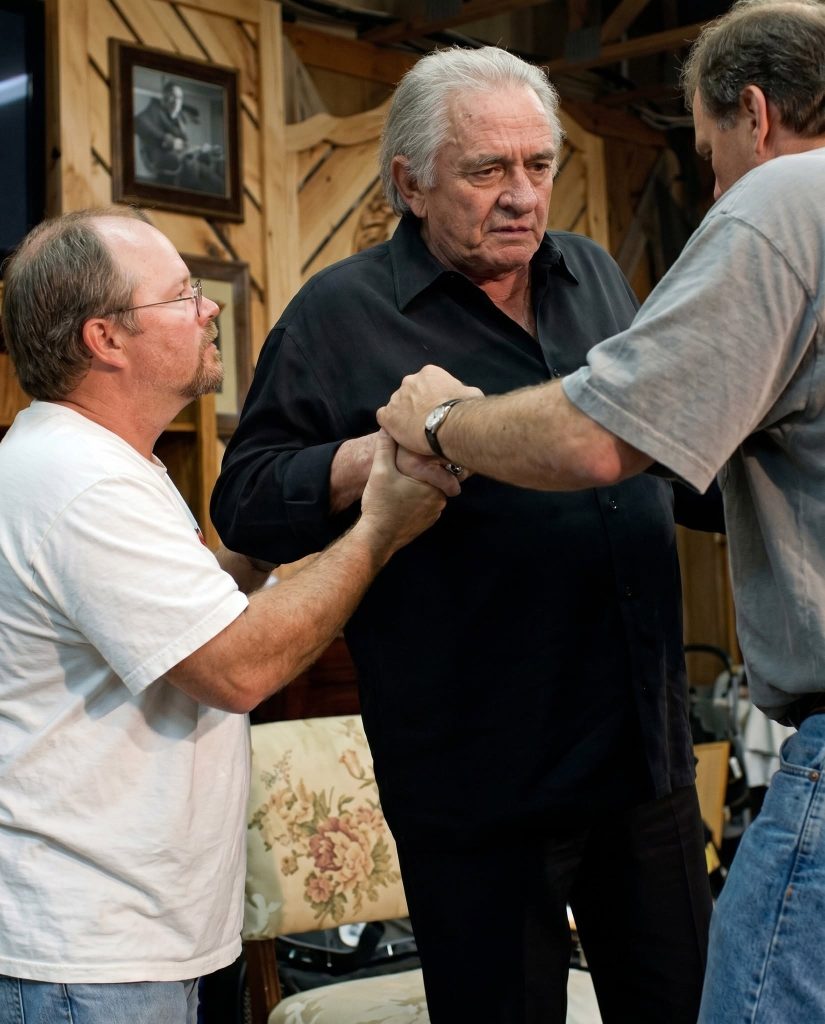
On July 5, 2003, Johnny Cash arrived at the Carter Family Fold in Hiltons, Virginia, carrying more than a lifetime of songs. He was 71, grieving, and visibly frail. Seven weeks earlier, June Carter Cash had died, and the loss still hung over him like a shadow. But he still came to sing.
People in the room remembered a quiet determination in him. Pat Jones, a resident of Hiltons, later recalled that Johnny Cash insisted on walking into the Fold that night, even though he needed help. Two men assisted him to the chair waiting beneath the microphone. It was a small moment, but it said everything about his resolve.
When he spoke, he gave the crowd the words they had known for decades: “Hello, I’m Johnny Cash.” The room answered with love. Then he sang for about thirty minutes, leaning on the same voice that had carried him through heartbreak, fame, faith, and reinvention. This was not a grand comeback. It was something more intimate: a final act of devotion.
A Performance Shaped by Love and Loss
Before singing “Ring of Fire,” Johnny Cash spoke about June Carter Cash and said her spirit was with him, giving him courage. That moment gave the performance its emotional center. This was not just a concert. It was a conversation with memory.
June’s cousin, Janette Carter, helped soften the sadness with a line June had once used: “Johnny Cash was already plugged in when she met him.” The audience responded with laughter, tears, and applause. It was the kind of room where grief and humor could sit beside each other without contradiction.
Johnny Cash also performed “Understand Your Man,” a song he had not sung live in twenty-five years. That detail made the moment feel even more remarkable. The crowd did not know they were witnessing his final public performance, and Johnny Cash did not announce it that way. He simply sang.
The End of an Unplanned Farewell
The set ended, and the night moved on like any other show at the Fold, except that it was not ordinary at all. It would become known as Johnny Cash’s last public performance. Sixty-nine days later, he died on September 12, 2003.
Looking back, the July 5 performance feels like a closing chapter written in real time: a man in pain, still choosing music; a husband still singing toward the woman he loved; an artist refusing to let frailty have the final word.
Some nights do not feel historic while they are happening. They become historic because of the heart that carried them.
At the Carter Family Fold, Johnny Cash gave one last gift to the audience and to June Carter Cash. It was not perfect, polished, or easy. It was honest. And sometimes that is what lasts the longest.
Post navigation
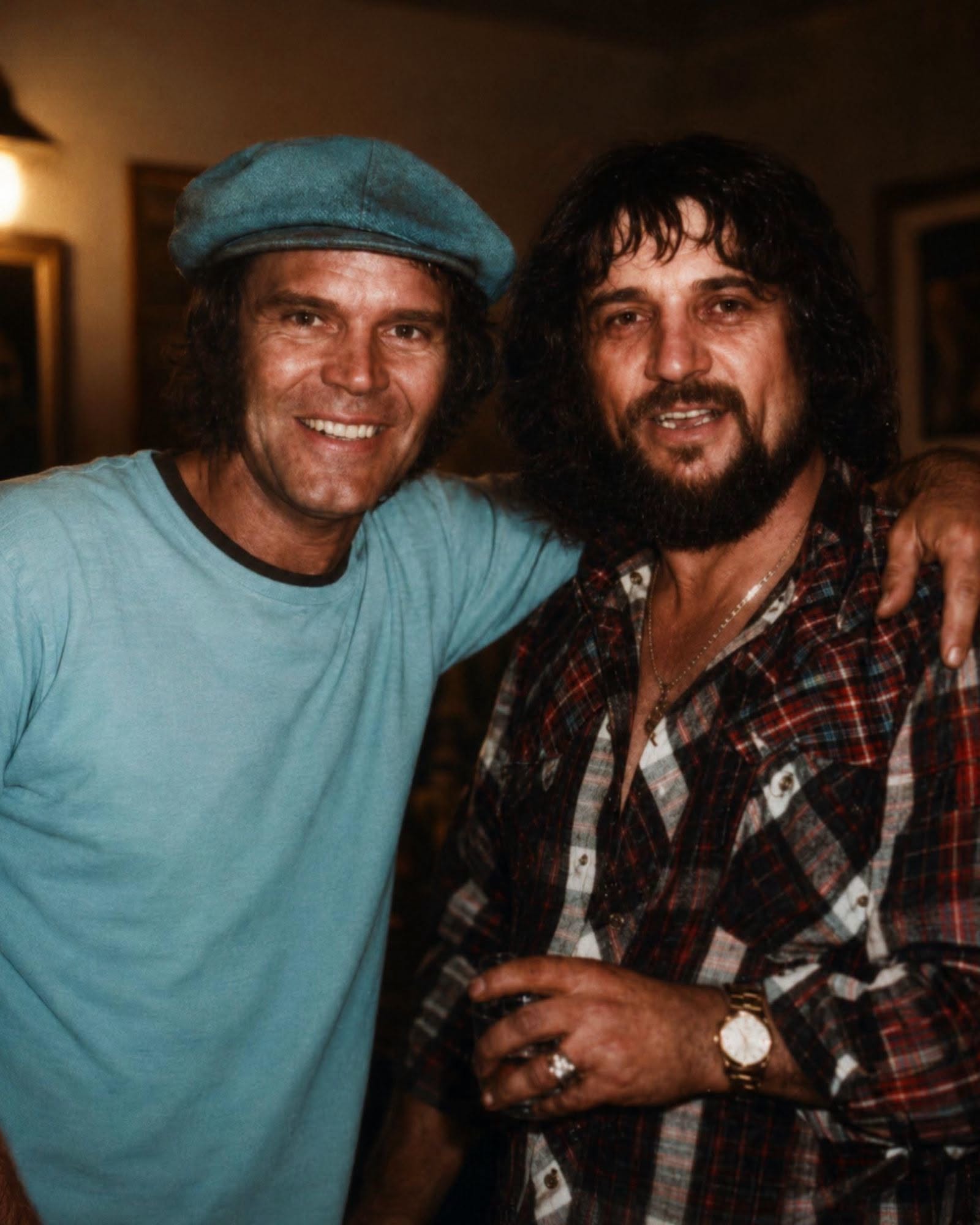
In country music, some stories arrive quietly and then hit with the force of a lifetime. That is what happened when Shooter Jennings uncovered a forgotten recording from December 1978, a track that brought Waylon Jennings and Glen Campbell together in the same room, on the same song, for a moment the world was never meant to hear.
The song was “Diamonds,” and for nearly 48 years it sat buried in the archives. Waylon Jennings had recorded it and then set it aside. The reasons were never made entirely clear, which only made the discovery feel more mysterious. What mattered was not the silence that followed, but the fact that the tape still existed at all.
Shooter Jennings came to the music through his father’s tapes, searching through the kind of material that can feel less like a catalog and more like a family attic. At first, the track kept appearing in different sessions, and something about the guitar line felt familiar but hard to place. Then the truth became impossible to ignore: Glen Campbell was there, too. The result was not just an unreleased song, but a rare meeting between two Country Music Hall of Fame legends whose paths had crossed in the studio and then disappeared into history.
The emotional weight of the find was impossible to miss when Shooter Jennings announced the new album over Father’s Day weekend. This was not simply about releasing old material for the sake of nostalgia. It was about listening closely enough to hear what Waylon Jennings still had to say. It was also about a son spending time with his father’s voice, not in memory alone, but in sound.
Shooter Jennings has often made clear that the “outlaw” label was more of a Nashville invention than the whole truth of Waylon Jennings. What Waylon Jennings really wanted was freedom, honesty, and songs that carried weight.
That idea gives “Diamonds” its power. The recording feels less like a dusty artifact and more like a conversation that was interrupted for decades. Glen Campbell’s presence adds another layer of grace, reminding listeners that great artists can leave behind surprises even after they are gone. By the time the song reaches the ear, it does not feel old. It feels returned.
For fans of Waylon Jennings, Glen Campbell, and Shooter Jennings, “Diamonds” is more than a release. It is a reminder that music can outlast the room where it began, and sometimes, when the tape is finally played, it brings back two voices that still know how to meet in the dark and shine.