AT 33, MERLE HAGGARD WALKED TO THE STAGE FOUR TIMES IN ONE NIGHT — FOR A SONG HE’D WRITTEN IN TWENTY MINUTES ON A TOUR BUS. Merle Haggard lost his father when he was nine years old. He said that for the rest of his life he’d catch himself wondering what the old man would have made of things. He was rolling down Interstate 40 with his band when a road sign went past: 19 miles to Muskogee. Something about it landed. He turned to his drummer, Eddie Burris, and the two of them had the whole thing finished before the bus reached the next town. Twenty minutes, start to end. They called it “Okie from Muskogee.” They cut it in July 1969. That October they drove to Muskogee itself and recorded a live album in the Civic Center. Then October 14, 1970. The Ryman in Nashville. Haggard walked in with nine nominations, more than anyone else in the room. Single of the Year. Album of the Year. Male Vocalist. And then they called him back up for Entertainer of the Year. Four trophies. He was 33 years old, and nobody in that building won more. – Country Music
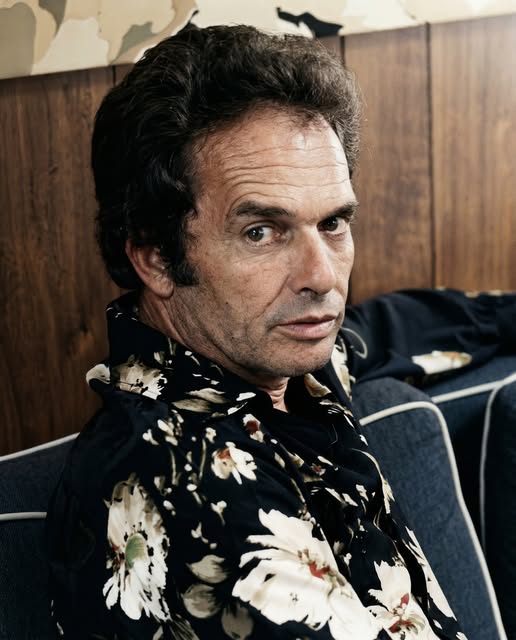
Merle Haggard, 33, and the Night Four Awards Changed Everything
By the time Merle Haggard stepped onto the stage in Nashville on October 14, 1970, he was no longer just another country singer with a hit record. He was the man behind “Okie from Muskogee,” a song that had traveled far beyond a tour bus and into the center of American conversation. He had been born in 1937, and at age 33 he was already carrying a life shaped by loss, rebellion, hard work, and an instinct for telling the truth as he saw it.
That truth had roots in childhood. Merle Haggard’s father died when Merle Haggard was nine years old, and that loss stayed with him. In later reflections, Merle Haggard often suggested that the absence of his father never really left the room. It shaped the way Merle Haggard looked at family, pride, and the ordinary people who held life together when it became difficult.
The song that arrived in a burst
The story of “Okie from Muskogee” has become part of country music legend. Merle Haggard was riding Interstate 40 with his band when a road sign passed by announcing 19 miles to Muskogee. According to accounts Haggard later gave, that detail sparked the idea. Merle Haggard and drummer Eddie Burris began building the song on the bus, and the whole thing came together in about twenty minutes. The result was simple, sharp, and memorable enough to outlive the moment that created it.
Recorded in July 1969, “Okie from Muskogee” became one of the defining songs of Merle Haggard’s career. Later that year, Merle Haggard and the Strangers took the title to Muskogee itself and recorded a live album at the Civic Center. The song had already found an audience, but the performance gave it a sense of place that made the story feel even more real.
Merle Haggard did not need to chase a trend. Merle Haggard turned a passing sign, a memory, and a clear point of view into a song that people would keep arguing about for decades.
Then came October 14, 1970, at the Ryman Auditorium in Nashville. Merle Haggard walked into the Country Music Association Awards with nine nominations, more than anyone else in the room. It was a huge night before the first envelope was even opened, and the room seemed to understand that something important was unfolding.
Merle Haggard won Single of the Year, Album of the Year, and Male Vocalist. Then they called Merle Haggard back again for Entertainer of the Year. Four trophies in one night made the moment feel bigger than any single song. At 33, Merle Haggard had reached a rare point where the industry, the audience, and the story of his own life all seemed to meet at once.
Why that night still matters
What makes the moment endure is not only the count of awards. It is the sense that Merle Haggard had already lived enough life to make the music feel earned. The father he lost, the miles on the road, the song written in minutes, the live album cut in Oklahoma, and the Nashville victory all belonged to the same larger story.
Merle Haggard’s success did not arrive polished and easy. It arrived with scars, humor, confidence, and a voice that sounded like it had seen enough to mean what it sang. That is why the night in Nashville still reads like a turning point: not just for Merle Haggard, but for country music itself.
Post navigation
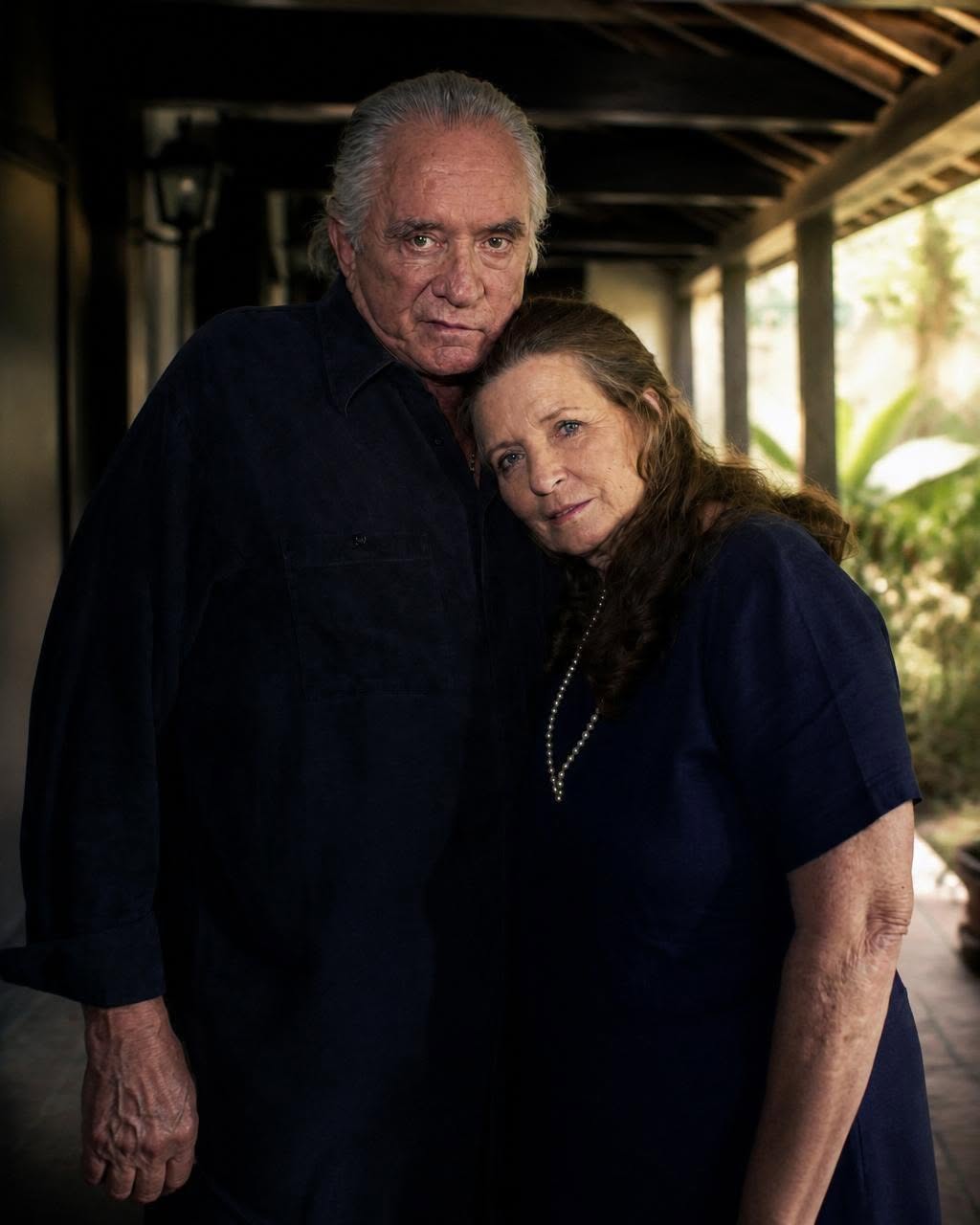
People still call Johnny Cash and June Carter Cash one of country music’s greatest love stories. That part is true. But the story did not begin as a fairy tale. It began in the middle of real life: two married performers, two complicated homes, and a connection that grew stronger than either of them seemed ready for. Johnny Cash was married to Vivian Liberto and had four daughters when his bond with June Carter began to deepen. June Carter was also married during part of that same early chapter.
By the mid-1960s, Johnny Cash’s personal life was unraveling. His addiction, his absences, and the strain of touring put enormous pressure on his marriage. Vivian Liberto Cash filed for divorce in 1966. Their marriage ended, but the pain did not vanish with the paperwork. Four daughters watched their family change in public, under the pressure of fame and rumor.
What makes the story endure is not denial of the mess, but the way Johnny Cash and June Carter Cash kept showing up for each other after the mess became impossible to ignore. June Carter Cash was not just a romantic partner. She was part of the rescue effort. She helped push Johnny Cash toward sobriety and steadiness, and sources describing their relationship consistently note that she insisted he change before she would fully commit to building a life with him.
They married on March 1, 1968, and the marriage lasted 35 years, until June Carter Cash died on May 15, 2003. Johnny Cash died less than four months later, on September 12, 2003. Their story was not neat, but it was lasting. It had music, faith, relapse, forgiveness, and the hard work of choosing each other again after the hardest years had already happened.
What do you call a love story built on betrayal, endurance, and repair? Maybe not a fairy tale. Maybe something more honest: a human story.
That honesty matters. Johnny Cash and June Carter Cash did not live a perfect life, and nobody should pretend they did. But they did live a life that changed each other. John Carter Cash has said they did not live “happily ever after” so much as “happily after all,” and that feels closer to the truth than any polished legend.
Even the people left behind became part of the larger story. Vivian Liberto’s place in that history remained painful, and her perspective reminds us that famous love stories often cast long shadows. Still, the ending that music fans remember is the one where Johnny Cash and June Carter Cash kept finding their way back, even when the road was broken. That is why the story still lingers: not because it was clean, but because it was real.