TRAGEDY IN A QUIET ANTIOCH NIGHT: 11-YEAR-OLD GIRL SHOT IN THE HEAD DUE TO MISTAKEN IDENTITY, SUSPECT SURRENDERS AFTER MORE THAN A WEEK ON THE RUN 4142
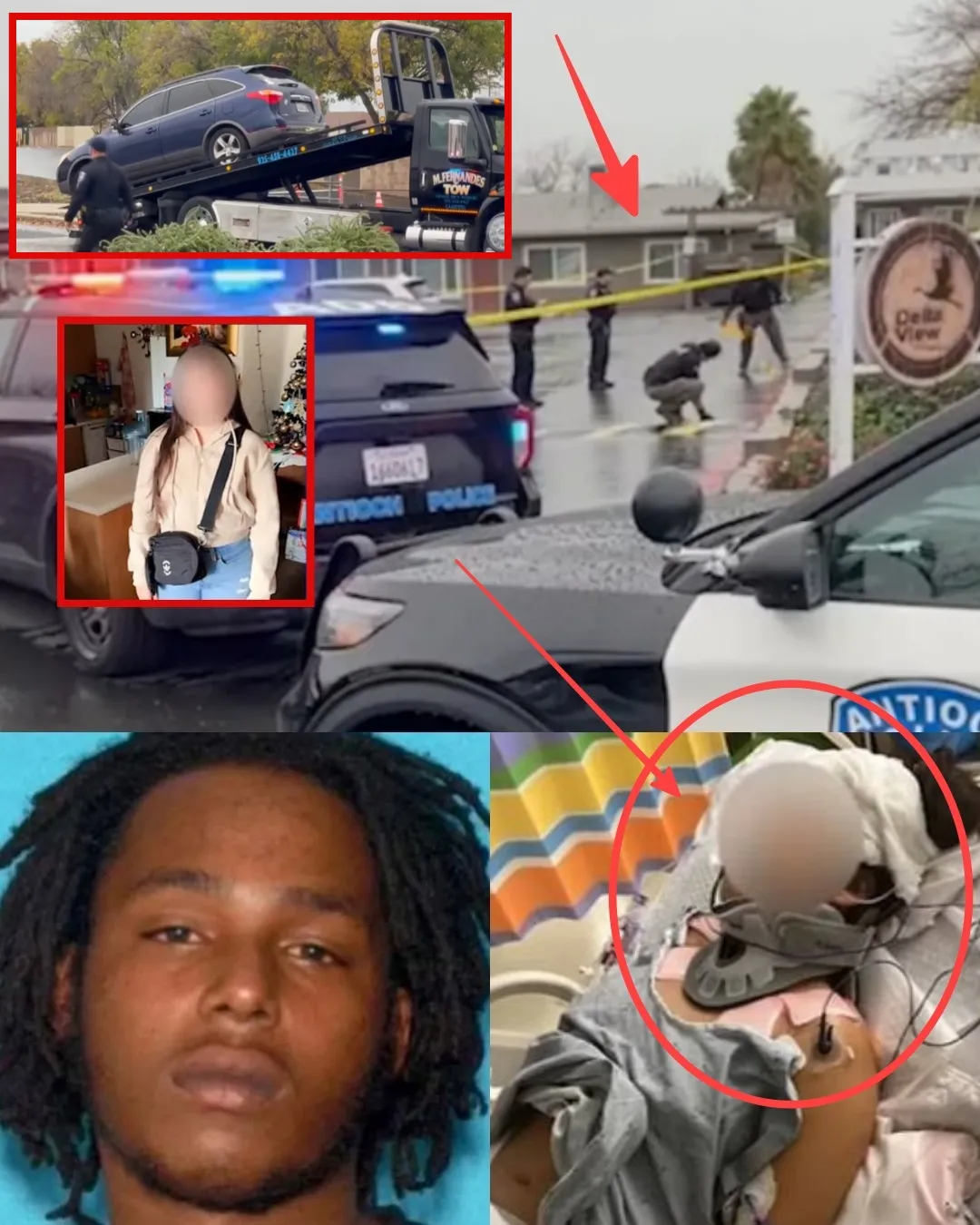
A quiet night at an apartment complex in Antioch turned into a nightmare that no family ever expects to endure.
What began as an ordinary moment of daily life ended in a burst of gunfire that permanently altered the future of a child and left an entire community shaken.
The shooting occurred on the evening of January 5, 2026, inside the parking lot of an apartment complex located in the 3900 block of Delta Fair Boulevard.
At the time, a family was seated inside their SUV, preparing to leave the lot and head home after what had been an otherwise unremarkable day.
Behind the wheel was a father focused on navigating the exit.
Inside the vehicle were several family members engaged in quiet conversation.
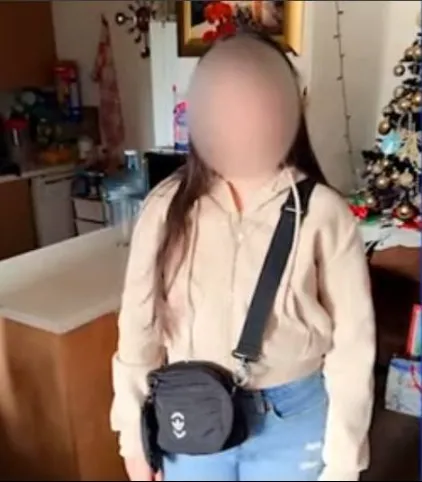
In the front passenger seat sat his 11-year-old daughter, unaware that her life was about to change forever.
There were no warning signs.
No argument.
No visible threat.
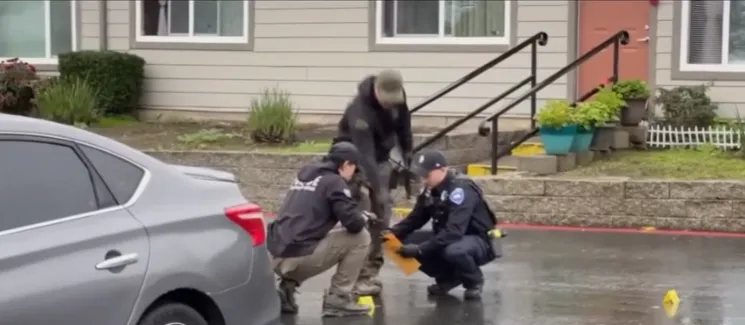
As the SUV slowly pulled away from the parking space, a single gunshot rang out in the night.
The sound shattered the calm that had settled over the apartment complex.
The bullet pierced the passenger-side window.
It struck the young girl in the head.
In a matter of seconds, normal life disappeared.
Screams filled the vehicle as the father realized his daughter had been critically wounded.
Blood appeared where no parent ever expects to see it.
Panic overtook the family as the gravity of the moment became impossible to deny.
Multiple 911 calls were placed almost immediately.
Voices on the line were frantic and trembling.
Dispatchers attempted to gather details as first responders raced toward the scene.
Emergency crews instructed the family to meet medical personnel at a nearby shopping center.
Instead of arriving home safely, the family stood under harsh fluorescent lights, watching paramedics fight to stabilize their child.
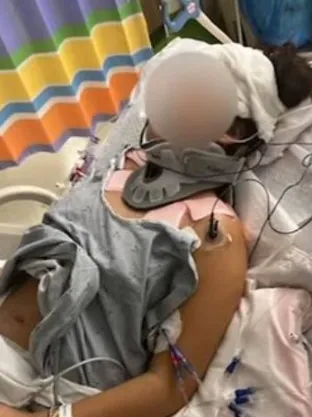
The girl was rushed by ambulance and later transported to Children’s Hospital Oakland, where trauma specialists worked urgently to save her life.
Doctors described her condition as critical but stable.
For the family, those words offered little comfort.

Stable did not mean unharmed.
Stable did not mean the danger had passed.
As the child remained hospitalized, investigators began piecing together what had happened.
The Antioch Police Department confirmed early on that the family was not the intended target of the shooting.
There was no known connection between the victims and the suspect.
No history of conflict.
No evidence of retaliation or personal motive.
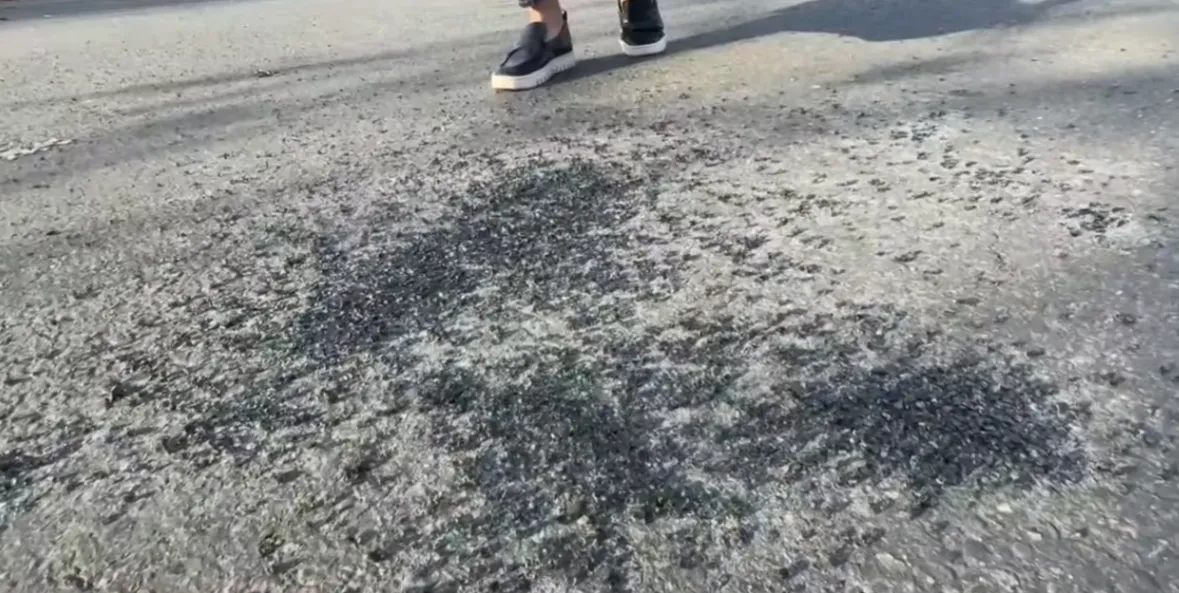
Instead, authorities believe the shooting was the result of mistaken identity.
A catastrophic error made in seconds.
Investigators identified the suspect as Ryan Hardy, a 23-year-old man from Antioch.
According to police, Hardy allegedly fired the weapon believing that another individual was inside the SUV.
That individual was not present.
The family had no involvement in any dispute.
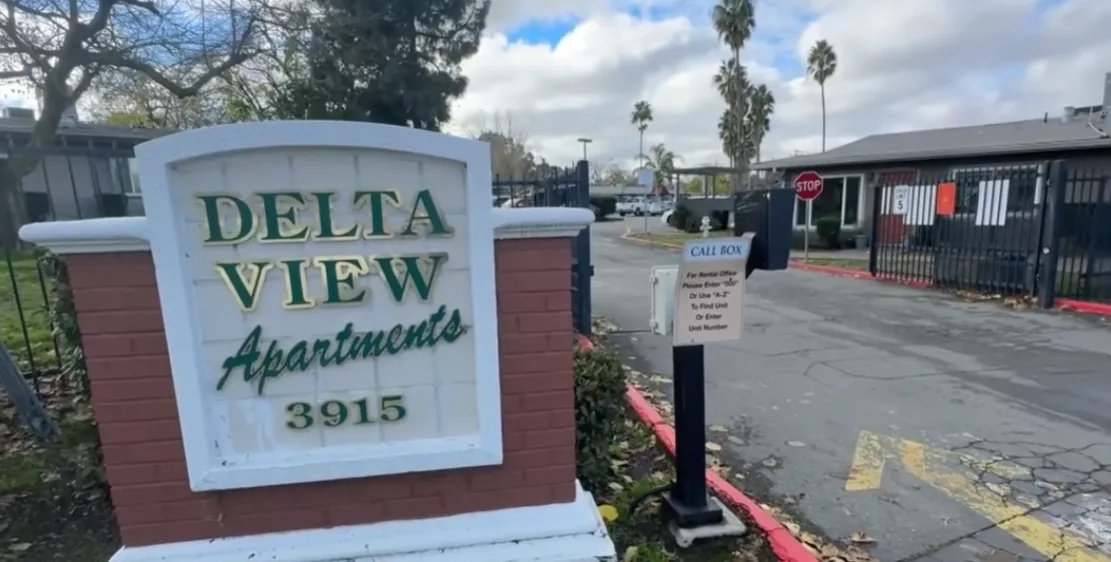
The child was simply caught in a moment she never chose.
After the shooting, Hardy evaded law enforcement for more than a week.
Authorities launched an extensive search and publicly urged him to surrender.
During that time, detectives collected witness statements.
They reviewed surveillance footage from the apartment complex and nearby locations.
They analyzed ballistic and forensic evidence recovered at the scene.
Each step brought investigators closer to identifying the person responsible.
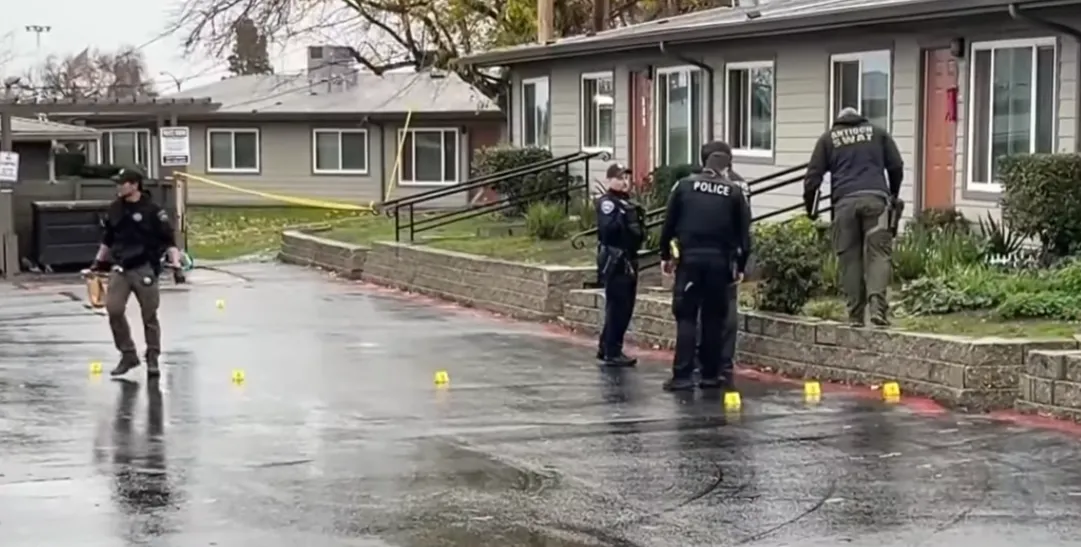
Police have also stated that they are investigating whether others assisted Hardy in avoiding arrest.
Anyone found to have helped him evade authorities could face separate criminal charges.
Earlier this week, Hardy surrendered to law enforcement.
He was taken into custody without incident.
He now faces multiple felony charges, including five counts of attempted murder and assault with a firearm.
His bail has been set at 2.9 million dollars.
While the legal process unfolds, the consequences of the shooting continue to deepen for the victim and her family.
A GoFundMe campaign created to help cover medical expenses has revealed the full scope of the child’s injuries.
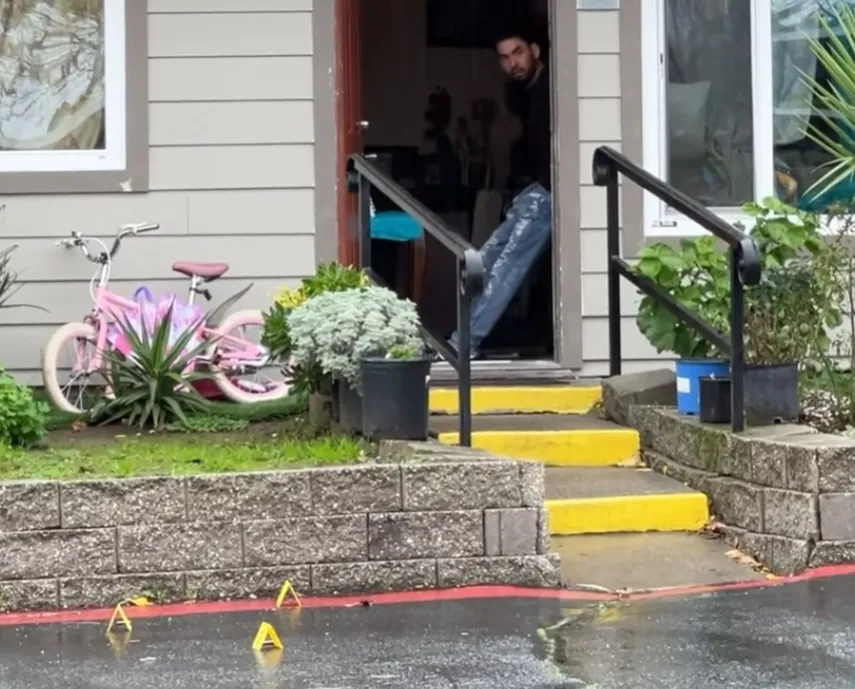
According to the family, the girl lost her eyesight as a result of the gunshot wound.
Doctors have indicated that her future will likely involve extensive medical treatment.
Long-term rehabilitation.
Ongoing therapy.
The fundraiser describes the shooting as a senseless act of violence that shattered the family’s sense of safety.
It states that they no longer feel secure returning to the apartment complex they once called home.
The emotional impact extends far beyond physical injuries.
The girl’s father shared one of the most devastating moments following the shooting.
After regaining consciousness, his daughter asked him why she could not see.
It was a simple question.
An innocent question.
One that no parent should ever be forced to answer.
The father said that in that instant he understood the bullet had taken more than his child’s vision.
It had taken away a sense of normal childhood.
Within the apartment complex, the effects of the shooting remain visible.
Neighbors say the family, once regularly seen, is now largely absent.
Their door stays closed.
Their lights rarely turn on.
Residents describe a lingering fear that has settled over the community.
Many now question how easily an ordinary evening can turn into irreversible tragedy.
The shooting has reignited broader conversations about gun violence and impulsive decision-making.
About how a single mistake can alter multiple lives forever.
About the long-term trauma carried by innocent victims.
Medical professionals report that the child has shown some progress in physical movement.
There are cautious signs that limited vision recovery may be possible.
But doctors emphasize that no outcome can be guaranteed.
For the family, hope exists alongside constant uncertainty.
Meanwhile, the investigation continues.
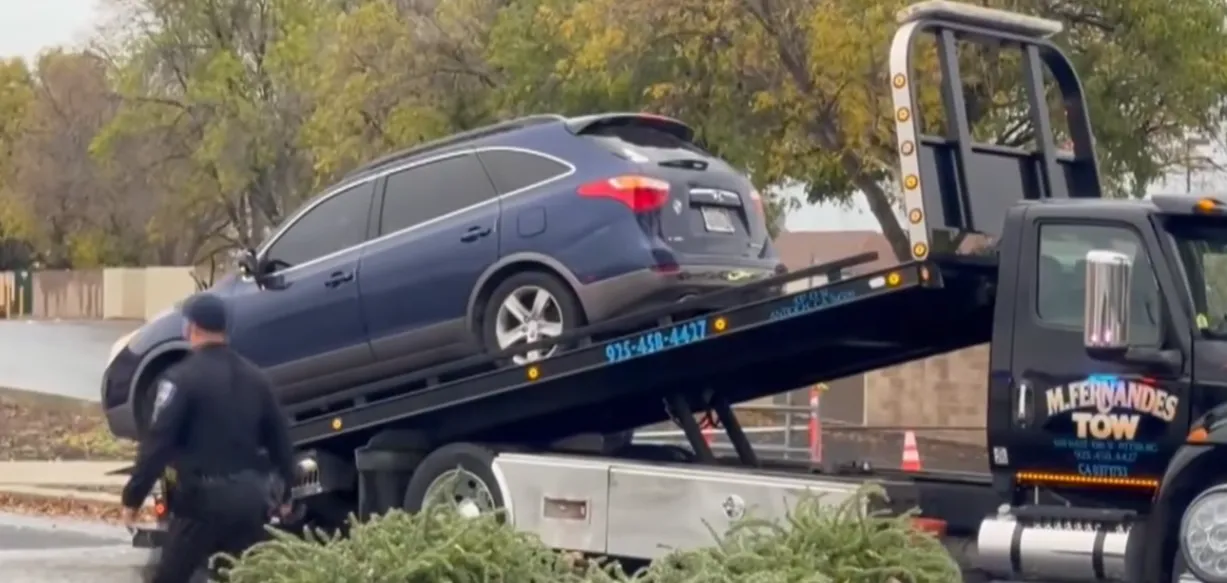
Prosecutors are reviewing evidence related not only to the shooting itself but also to any potential assistance provided to the suspect.
Court proceedings are expected to take months.
Possibly years.
Amid bail figures, legal filings, and criminal charges, one reality remains unchanged.
A child sat beside her father believing she was safe.
A moment of mistaken identity changed her life forever.
For Antioch, this case is more than a headline or a court docket.
It is a reminder of how fragile ordinary life can be.
And how the consequences of violence extend far beyond the moment a trigger is pulled.
The Dog Who Wore “No More Bad Days” 500
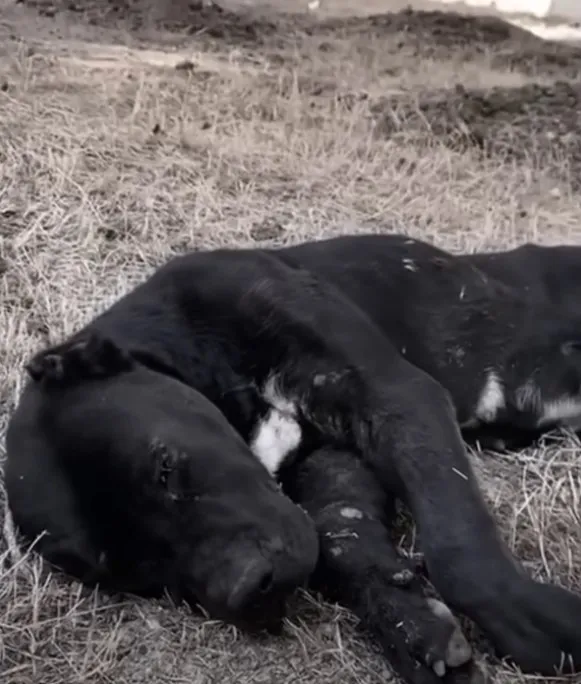

She lay on the blistering pavement, still and silent, broken but somehow still breathing. The world moved around her — cars passing, footsteps echoing — but no one stopped. Her thin frame, her matted fur, her shattered leg… they all told the same story: life had been unbearably cruel. Yet in her eyes, there was no anger. Only a deep, aching sadness, and a quiet hope that maybe someone would see her.
Pammy had endured more than most could survive. The years on the street had left scars like a roadmap of suffering across her body. Her once-soft coat was now dull and tangled, her ears gone, and her bones visible beneath the skin. Pain was her constant companion, but so was her gentle heart. She never growled. Never snapped. She just waited.
And then came Ellen. She wasn’t just another passerby — she was someone who looked. Kneeling beside the injured dog, she spoke softly: “Hey, sweet girl.” Pammy’s tail moved — the smallest wag, barely there, but enough to tell Ellen there was still a spark of life, a flicker of trust left in her.

Without hesitation, Ellen scooped Pammy into her arms. The little dog trembled against her, but she didn’t resist. For the first time in a long time, someone was carrying her toward safety instead of away from it.
The hospital became her first real refuge. Veterinarians and techs worked gently, cleaning her wounds, treating her infection, and fitting a splint to her fractured leg. The cold ground she had known for years was replaced by warm blankets. Food came regularly. Water was clean. Hands touched her without harm.
Ellen visited every day. She brought a small stuffed bear, placing it beside Pammy so she would never feel alone in her cage. At first, Pammy’s tail wagged only at the sight of Ellen. But slowly, she began wagging for the vet techs too. Then for the volunteers. Each wag was a sign that her trust was coming back, piece by fragile piece.
Weeks passed. Pammy’s leg grew stronger, her coat regained its shine, and the light in her eyes returned. When she was ready, she went to a foster home with Clara and Tom. Their house was quiet, safe — the perfect place for her to learn what it meant to live without fear.
But Pammy’s journey didn’t end there. One day, Sarah and John, a couple from Pennsylvania, came to meet her. They had a farm, acres of open space, and most importantly, hearts big enough to welcome a dog who had been through so much. When Pammy stepped onto their land for the first time, her tail wagged in a slow, steady rhythm — not just from curiosity, but from something deeper.
Now, Pammy’s days are filled with the simple joys she was once denied. She takes slow walks through clover fields, naps in patches of sunlight, and curls up each night on a soft bed she knows is hers. Around her neck is a red collar with four simple words: No More Bad Days.
And for Pammy, those words are the truth. Every day is safe now. Every day is hers.
Her journey is more than just a rescue story — it’s a testament to what love can do. No matter how deep the scars, no matter how broken the past, kindness can still find its way in. Pammy is living proof that the abandoned can be chosen, the wounded can heal, and the smallest spark of hope can grow into a life filled with light.
Pammy’s story began on hot pavement, waiting for someone to care. It ends in a home where she will never have to wait again.