“THIS WAS THEIR ONLY DUET — AND HE NEVER LIVED TO SEE 1990.” Some songs don’t age. They wait. “’Til a Tear Becomes a Rose” isn’t just a duet. It’s a moment caught right before goodbye. Keith Whitley and Lorrie Morgan stand close, voices leaning into each other like they already know time is thin. Keith sings softly. Lorrie answers, steady but aching. There’s no showmanship here. Just breath. Just trust. Knowing Keith wouldn’t live to see the song’s life makes every harmony feel heavier. It’s love trying to stay calm while the future slips. Listen closely. This isn’t nostalgia. It’s two people holding on — one last time. – Country Music
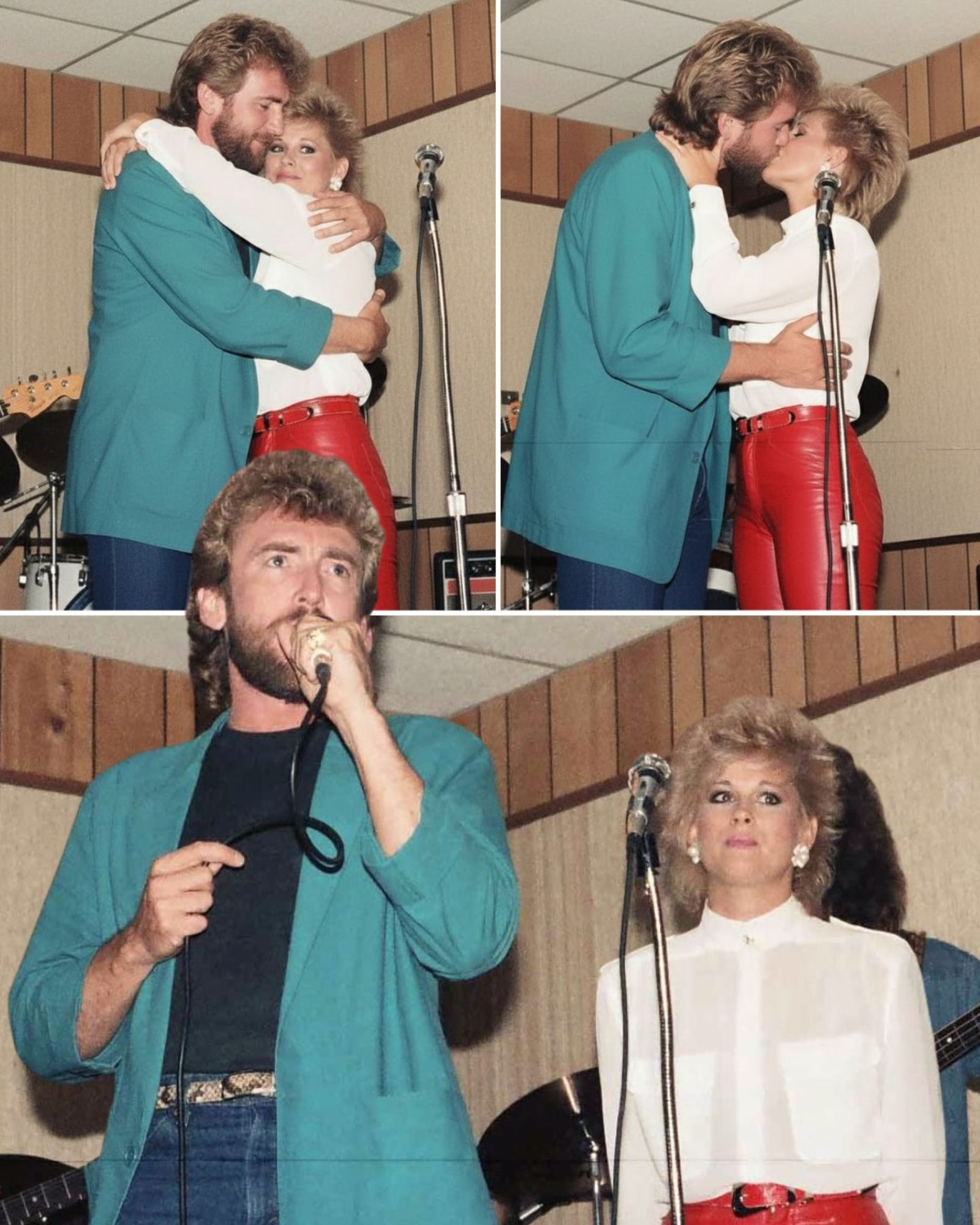
Some songs become more than melodies. They turn into memories—emotional time capsules that carry love, loss, and lived experience long after the final note fades. For Keith Whitley and Lorrie Morgan, “’Til a Tear Becomes a Rose” was far more than their only duet. Released in 1990 after Whitley’s untimely passing, the song stands as a deeply personal testament to a love story that was both beautiful and tragically brief.
The Love Story Behind a Timeless Duet
Keith Whitley and Lorrie Morgan shared a romance that felt destined to be intertwined with music. Both were celebrated vocalists in their own right, and when they married in 1986, fans eagerly anticipated a collaboration. That dream, however, was cut short when Whitley passed away in 1989 due to alcohol poisoning, leaving the country music world—and Morgan—devastated.
Before tragedy struck, the couple recorded “’Til a Tear Becomes a Rose.” Originally written and recorded by Leon Everette in 1985, the song took on a far deeper emotional resonance in Whitley and Morgan’s hands. Their version transformed it from a gentle country ballad into something profoundly intimate and unforgettable.
Released as the lone single from Whitley’s Greatest Hits album, the duet reached No. 13 on the Billboard country charts. At the time, fans were still mourning Whitley’s sudden death, and the song’s emotional weight resonated deeply. His voice—rich, vulnerable, and unmistakably sincere—carried a haunting tenderness. Morgan’s harmonies, steady and heartfelt, added warmth and quiet strength.
In hindsight, the lyrics feel almost prophetic. Lines like “Lay your head on my shoulder / Let me hold you close one more time” took on an added layer of meaning, reflecting both the love they shared and the heartbreak of their separation. What once sounded romantic now felt like a farewell spoken through song.
The duet earned Whitley and Morgan the CMA Award for Vocal Event of the Year in 1990. For Morgan, the recognition was bittersweet—an acknowledgment of the powerful music they created together, and a reminder of the life they never had the chance to fully live.
A Song That Continues to Live On
Although “’Til a Tear Becomes a Rose” is forever associated with Keith Whitley and Lorrie Morgan, its legacy has continued to grow. In 1999, John Prine and his wife, Fiona Whelan Prine, recorded their own version for Prine’s album In Spite of Ourselves, introducing the song to a new generation and reaffirming its timeless appeal.
One of the most moving moments in the song’s later history came in 2013, when Lorrie Morgan performed it with her son, Jesse Keith Whitley. Jesse was only two years old when his father passed away, but he has since grown into a gifted artist in his own right. That performance was more than a tribute—it was a bridge between generations.
Jesse’s voice carries echoes of his father’s unmistakable tone, yet he brings his own emotion and identity to the song. Watching mother and son perform together, it becomes clear that Keith Whitley’s influence endures—not only in recordings, but in family, memory, and living legacy.
Keith Whitley’s Enduring Impact
Keith Whitley’s career was tragically short, but his influence on country music remains profound. “’Til a Tear Becomes a Rose” stands as one of the clearest examples of his gift for emotional honesty and storytelling. It is not just a duet—it is a reflection of love, loss, and connection.
Whitley’s sincere delivery paired seamlessly with Morgan’s passionate presence, creating something deeply personal yet universally relatable. Decades later, the song continues to resonate with listeners, reminding us of life’s fragility and love’s enduring strength.
Through Jesse Keith Whitley, that musical legacy continues. While there will never be another Keith Whitley, his son’s performances ensure that the family’s connection to country music remains alive and meaningful.
Take a moment to listen to Keith Whitley and Lorrie Morgan’s “’Til a Tear Becomes a Rose” below. It is more than a song—it is a piece of country music history, preserving love, memory, and legacy through melody.
Post navigation
At 82, Jessi Colter Returns to Waylon Jennings’ Grave — A Love That Never Fades
Under the vast Arizona sky—wide, quiet, and unbroken—stood :contentReference[oaicite:1]{index=1}, now 82. Wrapped in a black shawl that fluttered softly in the wind, she seemed part of the horizon itself—a living echo of a song that never truly ends.
Before her lay the grave of :contentReference[oaicite:2]{index=2}. There were no flowers placed with ceremony. No family gathered. No audience. Just Jessi. Just silence. In her hands, a small radio crackled softly, filling the still air with a familiar voice:
“This song is for you. Wait for me.”
For those who know their story, the moment carried a weight beyond words. Jessi Colter and Waylon Jennings were more than partners in life—they were bound by music, rebellion, faith, and survival. Together, they helped define the outlaw country movement, carving a path built on defiance, honesty, and raw emotion. Behind the legend, however, was a marriage forged through hardship, devotion, and endurance.
Waylon’s life burned fast. Fame arrived early. Temptation followed. The cost was real. Through addiction, distance, and near self-destruction, Jessi remained—not passively, but as an anchor. Her faith and quiet resolve steadied him when the road threatened to pull him under. She believed in the man beneath the myth, even when he struggled to believe in himself.
When Waylon Jennings passed away, the world mourned a legend. Jessi mourned a life partner—the harmony beside her, the soul that shaped her music and her spirit. Decades have passed since then, but love does not obey calendars.
Standing at his grave now, Jessi is not visiting the past. She is continuing a conversation that never ended. The radio is more than a prop—it is a bridge, a way for music to carry what words no longer can.
Was she there out of grief alone, or devotion still alive and listening? Those who have followed her life know that silence has always been part of her language. She does not dramatize loss; she honors it. In this quiet ritual, there is no performance—only presence.
The black shawl. The endless sky. The familiar voice breaking through static. Everything about the scene spoke of continuity rather than closure. In outlaw country, love was rarely tidy. It was fierce, tested, and lived at the edge. Jessi and Waylon’s bond was no exception. It survived chaos, faith, and the long work of forgiveness. That bond did not end with death.
As the song played, it was easy to imagine Jessi hearing not just lyrics, but memories—late nights on tour, shared prayers, arguments, reconciliations, and the calm after storms passed. For artists of that era, music was not a product; it was a confession. And in that confession, love often found its truest form.
At 82, Jessi Colter stands not as a widow defined by loss, but as a woman still connected to a shared life that shaped history. Her visit is not about mourning what was taken—it is about honoring what remains.
Some loves soften with time. Others deepen. Under the Arizona sky, with only a radio and a name carved in stone, Jessi Colter reminds the world of a quiet truth:
The greatest love stories do not end when the music stops.
They wait. They listen. And they endure.