THEY CALLED HIM “THE VOICE.” BUT THE SONG THAT DEFINED HIM WASN’T ABOUT HIS OWN PAIN. Vern Gosdin could make heartbreak sound personal even when it belonged to somebody else. That was the quiet power of “Chiseled in Stone.” At first, it feels like a song about a man having trouble at home, walking into a bar, feeling sorry for himself. A common country story. Then the old man speaks, and the whole song turns. Suddenly, the hurt in the room gets bigger. The man with a fight at home still has a door to walk back through. He still has a chance to say he is sorry. The old man has only a name carved into stone. That was the twist Vern understood. Some loneliness can still be fixed. Some can only be visited. Maybe that is why the song won CMA Song of the Year in 1989. Vern did not sing it louder than anyone else. He just made the truth impossible to dodge. – Country Music
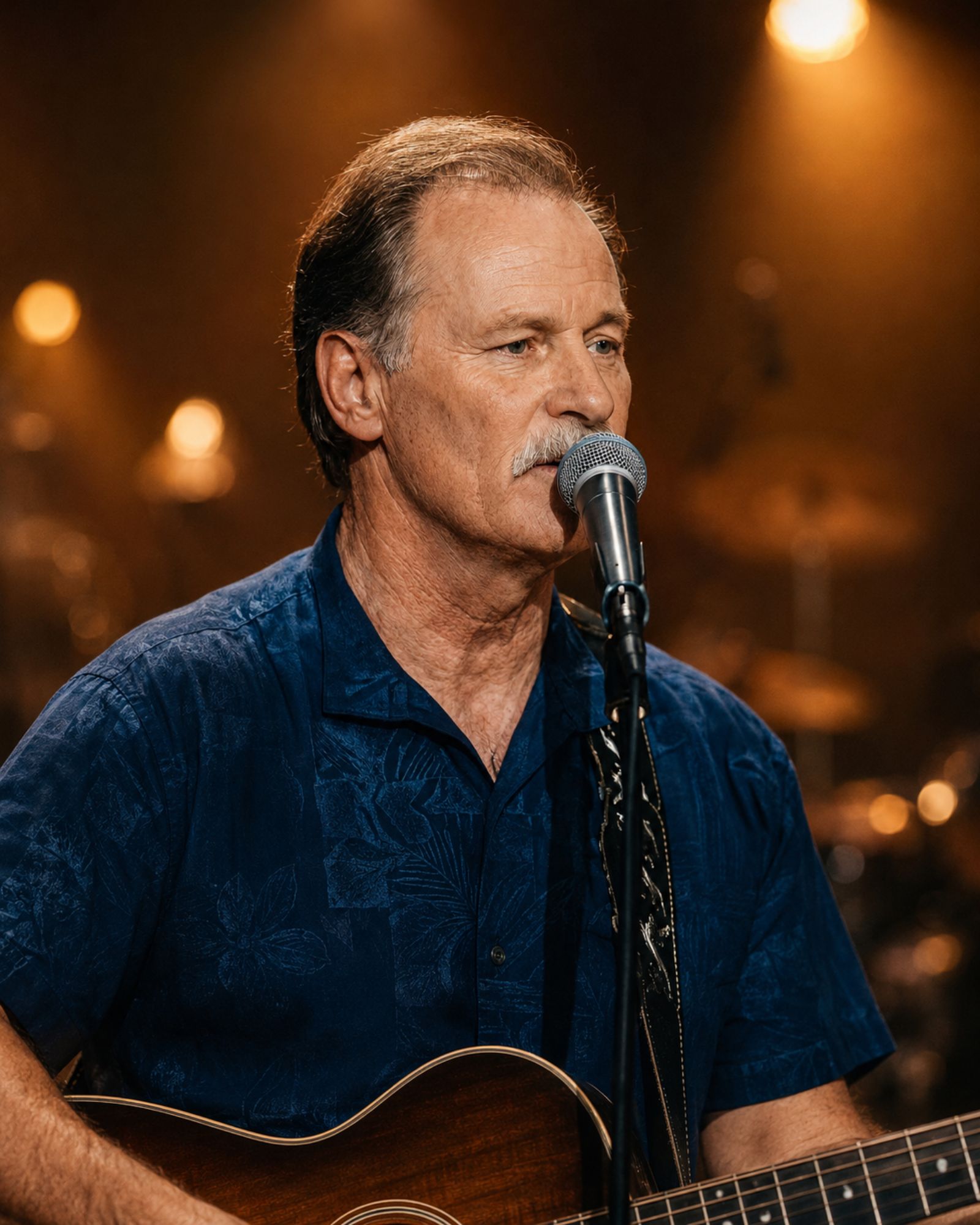
They called Vern Gosdin “The Voice,” and not just because he could sing well. He had the kind of voice that sounded lived-in, like it had seen enough heartbreak to understand the difference between pain that passes and pain that stays. That is exactly why “Chiseled in Stone” hit so hard. It was not only a great country song. It was a song that made people stop and listen to their own lives for a minute.
At first, “Chiseled in Stone” seems simple enough. It opens like a familiar country story: a man walks into a bar after trouble at home, carrying frustration, regret, and a heavy heart. He is angry, maybe lonely, and maybe trying not to think too much about what went wrong. That setup feels ordinary. It sounds like something that could happen anywhere, to anyone.
Then the song changes. An older man starts talking, and the meaning suddenly deepens. What felt like one man’s bad night becomes something bigger and more permanent. The song stops being only about an argument at home and starts becoming about loss, memory, and the things people cannot undo.
The Turning Point That Made the Song unforgettable
The brilliance of “Chiseled in Stone” is in that turn. The man with the fight at home still has options. He can go back. He can apologize. He can try again. But the old man in the song does not have that chance anymore. His story is finished. His name is the only thing left, carved into stone and remembered by whoever stops long enough to look.
That difference is what makes the song so powerful. Vern Gosdin understood that some loneliness can be repaired, but some loneliness becomes permanent. Some regret can still be answered, while some regret arrives too late. The song does not shout that idea. It lets it land quietly, which makes it even harder to ignore.
“Chiseled in Stone” is not just a story about sorrow. It is a reminder that time can be merciful, but it can also be cruel.
That kind of truth is part of why Vern Gosdin connected so deeply with country music fans. He never sang like he was trying to impress anyone. He sang like he was telling you something he already knew, something that cost him to understand. When he delivered a line, it did not feel polished in a distant way. It felt close, personal, and real.
Why Vern Gosdin Made It Sound Personal
Vern Gosdin had a gift for making songs sound lived rather than performed. Even when the pain in the lyrics belonged to fictional characters, he made the feeling feel honest. That was the quiet genius behind his work. He did not need to overdo it. He trusted the story, trusted the words, and trusted his voice to carry the truth.
That trust is what made “Chiseled in Stone” such a defining moment in his career. The song won CMA Song of the Year in 1989, and it deserved the honor because it reached beyond a single listening experience. It stayed with people. It made them think about the conversations they had delayed, the apologies they had not yet given, and the people they hoped to still reach in time.
There is a reason listeners remember this song even years later. It does not rely on a dramatic twist for shock value. It uses the twist to reveal something deeply human. The man in the bar may feel trapped by a bad night, but the old man’s story reminds us that some doors close forever. That is a heavy idea, but Vern Gosdin handled it with grace.
A Song That Still Feels Timely
Part of what keeps “Chiseled in Stone” alive is its honesty. It speaks to anyone who has ever assumed there would always be time to fix something later. The song gently challenges that assumption. It says, in effect, do not wait too long to care, to speak, or to make peace when you can.
That message is timeless, and Vern Gosdin delivered it in a way that felt human instead of preachy. He never sounded like he was lecturing. He sounded like a man who understood how fragile life can be. That is why the song still matters. It meets listeners where they are and leaves them with something to think about.
Vern Gosdin did not make “Chiseled in Stone” unforgettable by singing louder than everyone else. He made it unforgettable by singing with enough feeling that the truth became impossible to dodge. That is what great country music does at its best. It tells a story, then quietly asks whether you are really listening.
And in Vern Gosdin’s hands, “Chiseled in Stone” became more than a song. It became a warning, a memory, and a reminder that some words should be spoken while they still can be.
Post navigation
Five years after Charley Pride passed away, something remarkable keeps happening on country music stages. Dion Pride walks out under the lights, takes a breath, and the room changes. Conversations stop. Heads lift. People lean in. It is not silence born from confusion anymore. It is silence born from recognition.
For many in the audience, that feeling comes from hearing something familiar in Dion Pride’s voice — the same warm baritone, the same smooth phrasing, the same steady confidence that once made Charley Pride one of the most unforgettable voices in country music history. It can feel, for a brief moment, as if Charley Pride himself has returned to the stage.
A Story That Began With Courage
In 1966, when Charley Pride first stepped onto a country music stage, the setting was anything but ordinary. He was a Black man performing country music in the Deep South, at a time when the room could have turned cold before he sang a single note. Instead, Charley Pride handled the moment with honesty and calm humor. He leaned into the microphone and said, “I realize it’s kind of unique, me coming out here wearing this permanent tan.” The crowd erupted, and many people never forgot that moment.
That introduction was more than a clever line. It was a bridge. Charley Pride did not walk onto that stage trying to force acceptance. He earned it with talent, character, and a voice that carried truth. Over time, he became not just a star, but a trailblazer whose presence changed country music forever.
Dion Pride Carries the Echo Forward
Today, Dion Pride carries more than a famous last name. He carries a legacy that still feels alive in the room the moment he begins to sing. Audience members who may have come expecting a tribute or a nostalgic moment often discover something deeper: the same emotional power, the same natural delivery, and a sound that reminds them of Charley Pride without ever feeling like a copy.
Dion Pride has spoken about how deeply it moves him to witness the response. “It’s overwhelming how many people he’s touched,” Dion Pride says. “Not just with his music, but as a person.” That is part of what makes the experience so powerful. Fans are not only hearing a voice that resembles Charley Pride’s; they are hearing a family story continue with grace and dignity.
The Silence Means Something Different Now
There was a time when silence in a country music crowd could mean doubt, prejudice, or discomfort. Charley Pride knew that reality well. But the silence that follows Dion Pride onto the stage is different. It is the hush of people listening carefully. It is the sound of respect. It is the kind of stillness that happens when a room understands it is witnessing something meaningful.
One silence came from disbelief. The other comes from remembrance.
That contrast gives Dion Pride’s performances emotional weight. He is not trying to replace Charley Pride. He is keeping a sound, a story, and a spirit present in the world. In that way, every performance becomes more than a concert. It becomes a living connection between father and son, between past and present, between history and the present-day audience.
Why the Legacy Still Matters
Charley Pride passed down more than songs. He passed down perseverance, professionalism, and a voice that no one could bury. Some fathers leave behind land, money, or a collection of photographs. Charley Pride left behind a musical inheritance that continues to rise every time Dion Pride sings.
That is why people still gather, still listen, and still fall quiet in those opening moments. They are not only hearing a son honor his father. They are hearing a legacy breathe again.
A Voice That Keeps Returning
Five years after Charley Pride passed away, Dion Pride continues to step onto stages with humility and purpose. The audience waits. The first notes arrive. And for a few unforgettable seconds, the room feels as if time has folded in on itself.
Same silence. Two generations apart. One once carried the shock of breaking barriers. The other now carries the warmth of memory. And somewhere in that space between them, Charley Pride’s voice still lives on.