THEY BURIED HIM IN A PRIVATE GRAVESIDE SERVICE IN MESA, ARIZONA. NO FANFARE. NO CROWDS. THAT WAS EXACTLY THE WAY HE ASKED FOR IT. Sixteen No. 1 singles. The man who dragged Nashville, kicking and fighting, into the outlaw era — who refused their rules and won anyway. In October 2001, they finally inducted him into the Country Music Hall of Fame. Four months later, on February 13, 2002, he was gone at 64, after years of fighting diabetes that had already cost him a foot. His family honored his last wish: a small graveside service in Mesa, no cameras, no procession, no grief turned into spectacle. A man who had lived that loudly, laid down that quietly. Emmylou Harris said he had a voice and a way with a song like no one else — and called him a class act as both an artist and a man. George Jones called it a great loss for country music. Weeks later, Nashville gave him the send-off he never asked for: a public memorial at the Ryman Auditorium, the same stage where he’d taken one of his final bows. He spent his whole life refusing to do things Nashville’s way. Even his goodbye came on his own terms. – Country Music
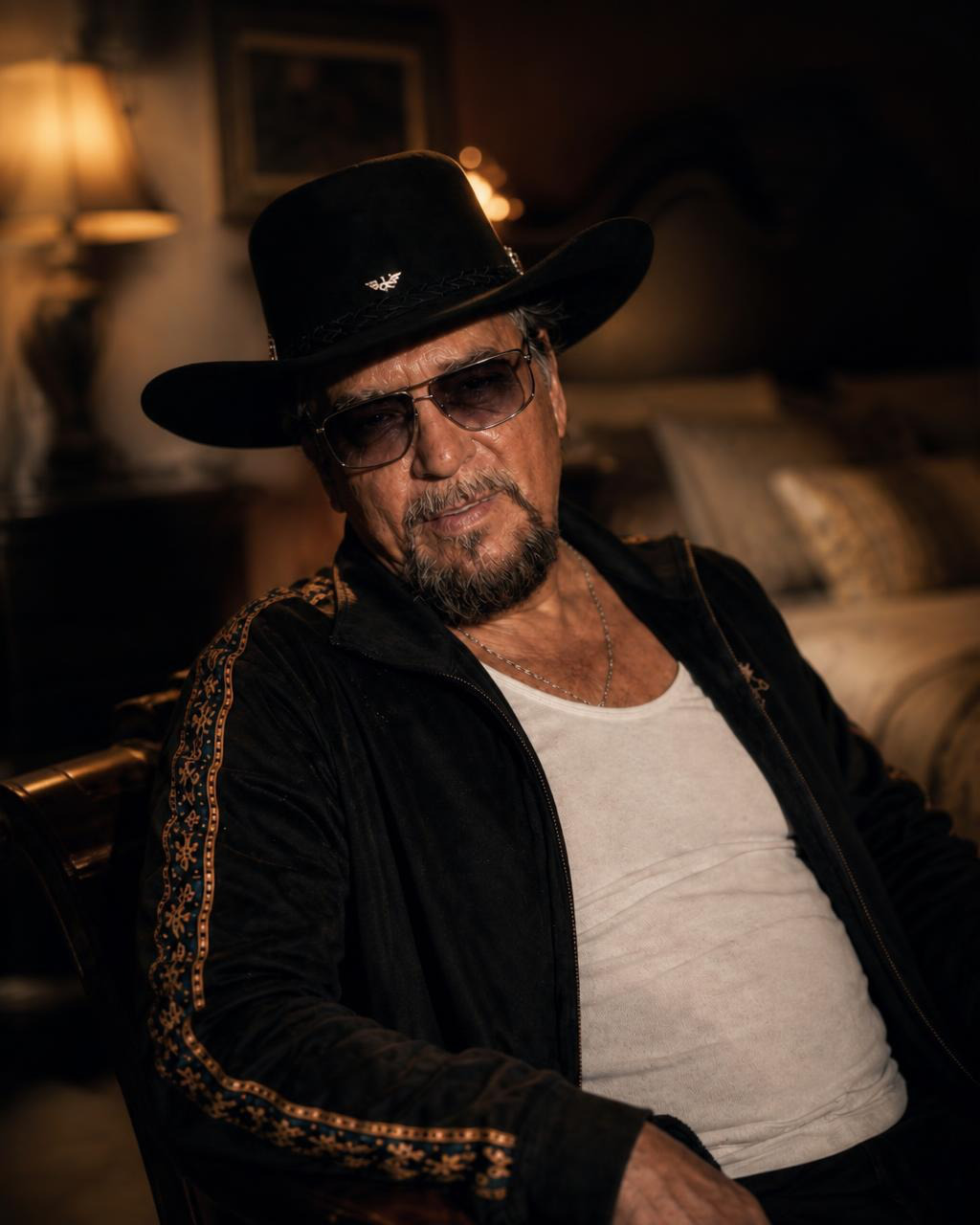
Waylon Jennings: A Quiet Goodbye for Country’s Loudest Outlaw
Waylon Jennings spent much of his life refusing to follow Nashville’s rules. He built a career on grit, independence, and a voice that sounded like it had lived through every hard mile on the road. By the time the music world finally gave him the honor he had long deserved, his health had already taken so much from him that the moment arrived with a shadow over it.
In October 2001, Waylon Jennings was inducted into the Country Music Hall of Fame. It was a major recognition for an artist who had helped shape the outlaw movement and changed the sound of country music forever. But even that triumph came late in his story. Four months later, on February 13, 2002, Waylon Jennings died in Chandler, Arizona, at age 64, after years of serious health problems linked to diabetes.
The goodbye his family chose was just as private as he wanted it to be. He was laid to rest in a small graveside service in Mesa, Arizona, away from cameras, crowds, and spectacle. There was no grand public display at the cemetery, only a quiet ceremony that matched the way Waylon Jennings wanted to leave the world. For an artist known for living loudly, the final moment was deeply restrained and personal.
That silence said something powerful. Waylon Jennings had spent decades pushing back against limits, whether in the studio, onstage, or in the business of country music itself. He was not interested in polished obedience. He wanted honesty, force, and room to be himself. In the end, his family honored that same spirit by keeping his burial private and respectful.
“He had a voice and a way with a song like no one else.”
Emmylou Harris remembered him with admiration, calling him a class act as both an artist and a man. George Jones described his death as a great loss for country music. Those reactions reflected what so many people felt: Waylon Jennings was more than a star. He was a force who helped make room for a rougher, freer kind of country sound.
Weeks later, Nashville gave Waylon Jennings a public memorial at the Ryman Auditorium, the same stage where he had taken one of his final bows. It was a fitting contrast to the private burial in Mesa. One moment was intimate and family-centered; the other belonged to the wider world that had loved his music for decades.
Waylon Jennings spent his whole life refusing to do things Nashville’s way. Even in death, he stayed true to that rule. He left quietly, on his own terms, with the same stubborn dignity that defined his music and his legend.
Post navigation
Nearly 40 years ago, Alan Jackson and Denise Jackson loaded up a U-Haul in Newnan, Georgia and headed to Nashville with a guitar, a marriage, and a dream that had no guarantee attached to it. There was no shortcut waiting on the other end. Just hard work, long nights, and the stubborn belief that real country music still mattered.
That belief carried Alan Jackson a long way. Over the years, he became one of country music’s defining voices, with 35 No. 1 songs and more than 75 million records sold worldwide. But even with all the awards and milestones, the story never really stopped being about the same thing: staying true to the songs, the fans, and the sound that first brought him to town.
On June 27, 2026, that story came full circle at Nissan Stadium in Nashville, where Last Call: One More for the Road – The Finale marked the final full-length concert of Alan Jackson’s touring career. The setting mattered. Nashville was not just another stop. It was the place where the journey began, and the place where Alan Jackson chose to end it.
The night felt bigger than a concert and quieter than a celebration. George Strait, Carrie Underwood, Luke Combs, Eric Church, and Miranda Lambert were part of a lineup that reflected both respect and gratitude. Friends, family, and fans filled the stadium to honor a man whose career never seemed interested in chasing trends. Alan Jackson built something steadier than that: trust.
One of the most moving parts of the night was not loud at all. Alan Jackson thanked the people who had stayed with him for nearly four decades — the band, the crew, the fans, and Denise Jackson, the woman who stood beside him before the first hit and remained there through every high and low. He also carried the weight of his public battle with Charcot-Marie-Tooth disease, a genetic nerve disorder he revealed years ago, with the same plainspoken grace that defined so many of his songs.
“Keep it country.”
Those were the words George Jones once gave Alan Jackson, and they became a kind of quiet mission statement. Through the final note in Nashville, Alan Jackson made it clear that he had never forgotten them.
For many fans, the song that best captured that promise was “Chattahoochee,” a classic that felt honest, loose, and unmistakably country from the first line to the last. Others might choose “Remember When,” for its tenderness and reflection, or “Drive,” for the way it turned ordinary life into something deeply personal. That is the beauty of Alan Jackson’s catalog: the answer depends on which part of the story matters most to you.
Maybe that is why his farewell felt so powerful. Alan Jackson did not leave with noise. He left with gratitude, a full house, and a final show in the city that shaped him. Sometimes the most meaningful endings are the ones that quietly return to the beginning.
What Alan Jackson song proved it best to you?
Was it “Chattahoochee,” “Drive,” “Remember When,” or another favorite from Alan Jackson’s long run? The answer says a lot about what his music meant to you.