The Lonely Elephant Who Found Freedom. – Daily News
For decades, Kaavan, often called “the loneliest elephant in the world,” lived in heartbreaking conditions at a rundown zoo in Pakistan. Alone, chained, and without proper care, his story drew the attention of animal lovers worldwide. This past week, however, his life finally changed forever.
Earlier this year, Pakistan’s High Court ruled that Kaavan must be released from Islamabad’s Murghazar Zoo, which has since been ordered shut down. It was a decision celebrated around the globe, especially by those who had campaigned tirelessly for his freedom. Among them was the legendary singer Cher, who publicly rejoiced at the news, calling it “one of the greatest moments of my life.”

Behind the scenes, the Islamabad Wildlife Management Board (IWMB) and the animal welfare organization FOUR PAWS worked around the clock to prepare Kaavan for a new chapter. The search for his new home led to the lush, expansive grounds of Cambodia Wildlife Sanctuary, a place where he could finally live as nature intended.
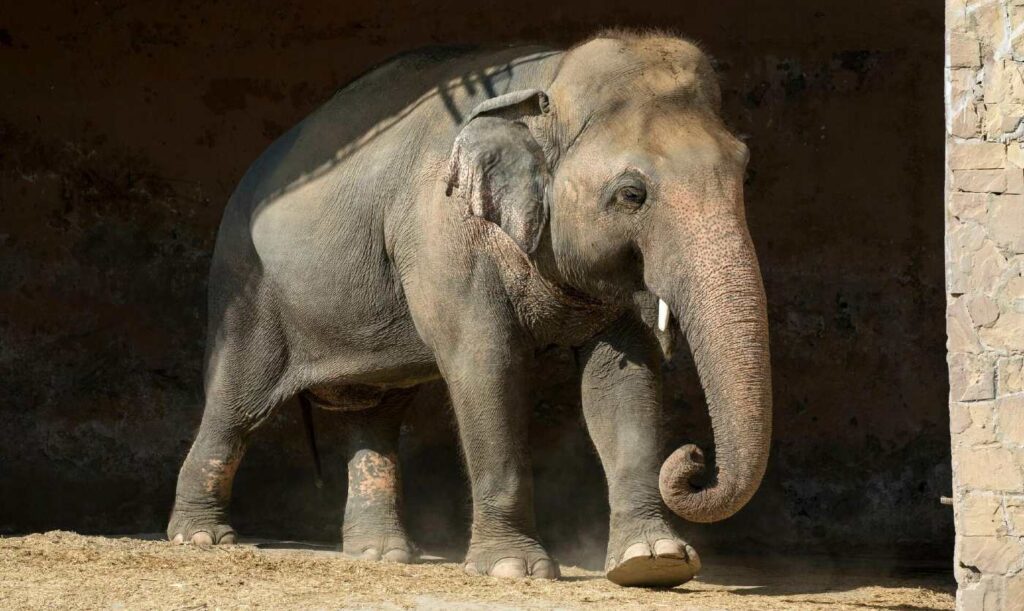
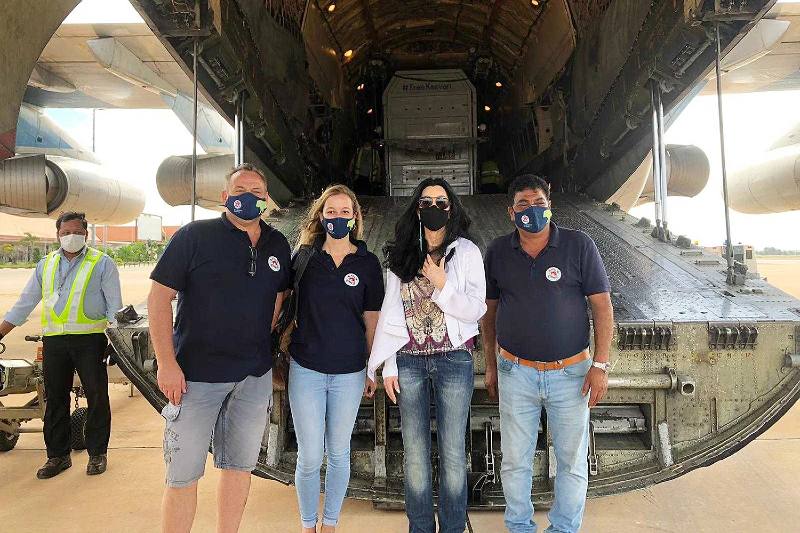
The rescue mission was no small task. At over 4 tons, Kaavan had to be trained to calmly enter and exit an air-shipment crate — a process that took weeks of patient preparation by veterinarians and elephant experts. With military escort, he was carefully transported to Islamabad International Airport, where a Russian Ilyushin Il-76 cargo plane awaited. After a long journey, including a stopover in India, Kaavan touched down in Cambodia’s Siem Reap.
What greeted him there was nothing short of magical. As the crate doors opened, Kaavan stepped into his new sanctuary. Waiting for him was a special welcome: a fruitcake and a trail of banana tree leaves prepared just for him. For the first time in years, he tasted freedom, walking out not into a cage, but into open land and green space.
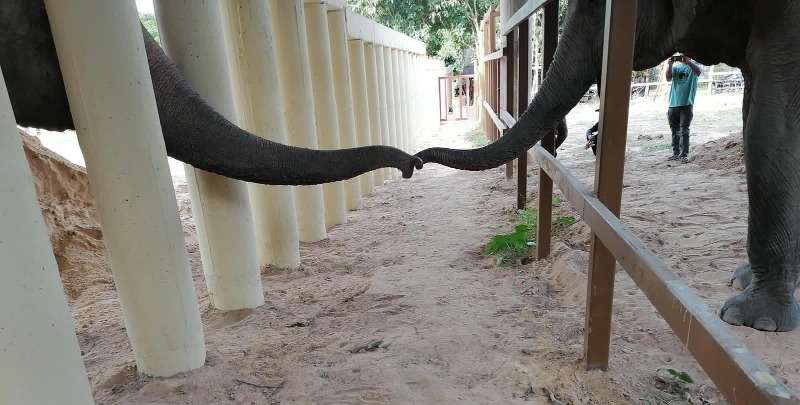
Even more moving, Kaavan was introduced to another elephant, marking his first real companionship in nearly a decade. Soon, he will meet three female elephants and have over 25,000 acres to roam — an area fifty thousand times larger than the cramped enclosure he once knew.
Cher herself was there to witness the moment, singing softly to calm him during the transition. Her years of advocacy, alongside the tireless work of animal rights groups, had finally paid off.
For Kaavan, the years of loneliness and chains have ended. His future now holds freedom, companionship, and peace — the life he should have always known. FOUR PAWS summed it up best: Kaavan will finally live a “species-appropriate and peaceful life.”

In late October, a historic milestone unfolded at the Cleveland Metroparks Zoo. For the first time in its 139-year history, a western lowland gorilla was born — a tiny male, affectionately nicknamed Baby G. Weighing barely three pounds at birth, his arrival was celebrated across the city. But his path into the world was not easy.
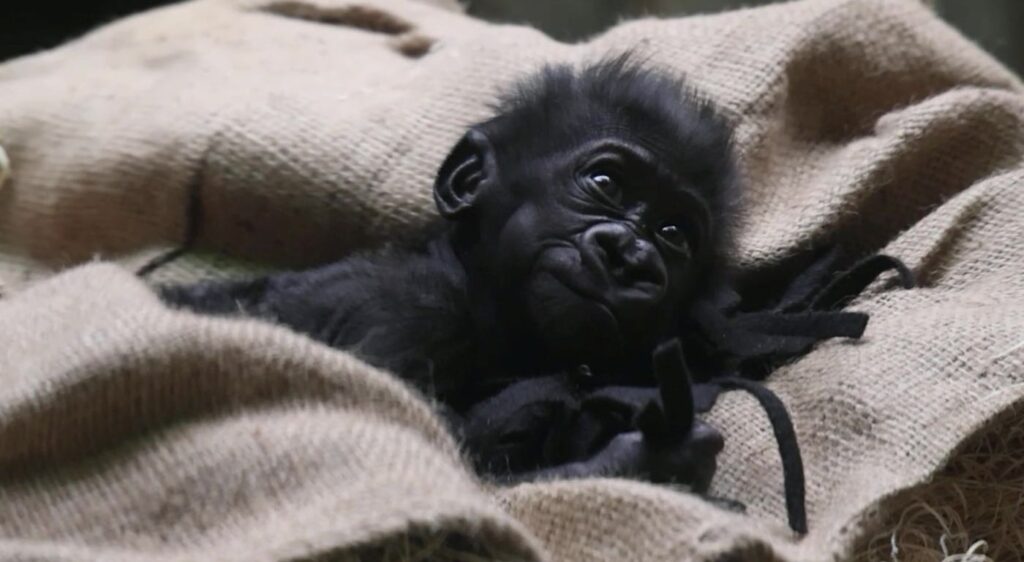
His mother, Nneka, just 23 years old, struggled to show the maternal instincts needed to care for her fragile newborn. In the delicate world of gorillas, maternal rejection can mean tragedy. Yet hope arrived from an unexpected place: Fredrika, the troop’s eldest female at 47 years old. Having raised four infants of her own elsewhere, she instinctively stepped forward, cradling Baby G as if he were hers.
For a brief moment, it seemed the baby’s future was secure. But life threw another challenge his way. Only weeks after his birth, Baby G contracted pneumonia, a potentially deadly illness for such a small infant. Keepers had no choice but to separate him from his gorilla family and place him in intensive veterinary care. The sight of the tiny newborn, fighting for breath away from the warmth of his troop, was heartbreaking.
Zoo staff worked tirelessly around the clock, treating him with the same care they would offer a human child. Against the odds, Baby G pulled through. By the time he recovered, he had doubled his weight, now tipping the scale at nearly seven pounds.
But the question remained: after being gone, would his gorilla family accept him back?
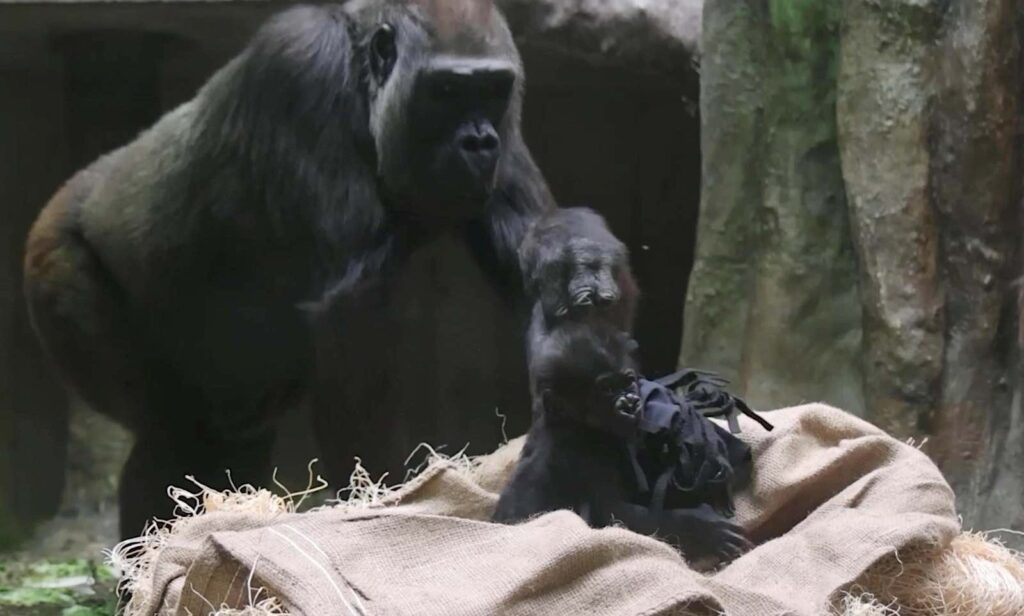
Caretakers prepared for the delicate reintroduction. They placed Baby G in a makeshift nest, gently easing him back into the environment he belonged to. Then, they stepped aside and allowed Fredrika to enter. What happened next left everyone watching in tears.
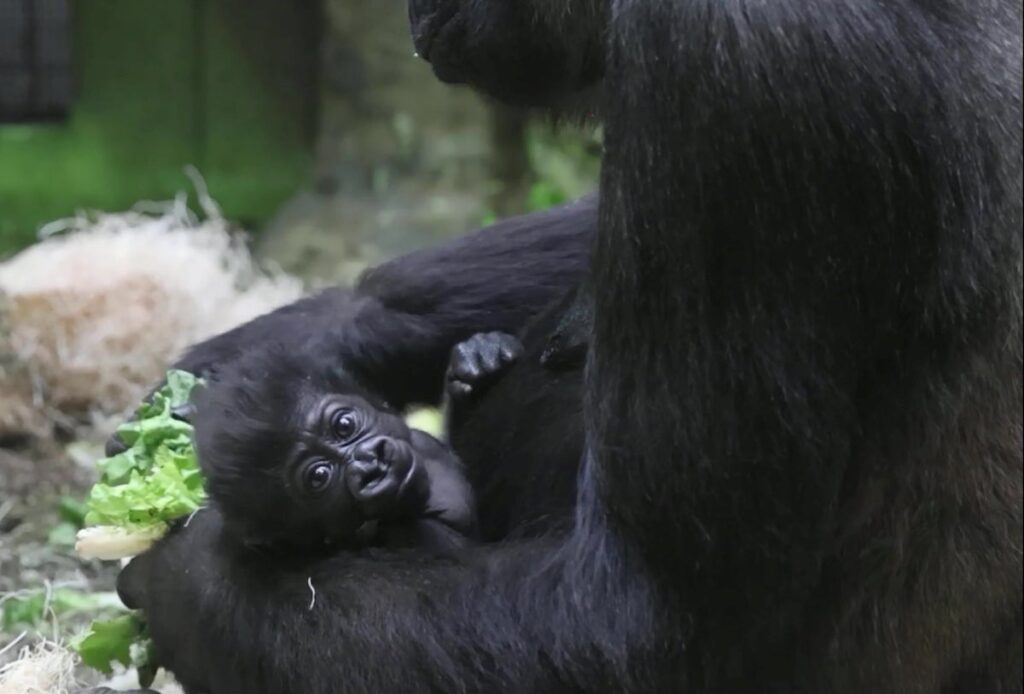
The elder female slowly approached the nest. She sniffed the baby carefully, circling him with curiosity and concern. And then, with the sureness of a seasoned mother, she scooped him into her arms. From that moment, she hardly let go. The bond was immediate, powerful, and deeply moving.
Fredrika rocked Baby G, bounced him gently, and carried him close to her chest — showing every instinct of protection and devotion. Around them, the rest of the troop seemed to understand what had taken place. Baby G’s father, Mokolo, a 24-year-old silverback, stood nearby with a watchful gaze, guarding his tiny son and his surrogate mother.
For the first time since his birth, Baby G was where he belonged: in the arms of family.
The reunion was not just a triumph of veterinary skill and animal care — it was a testament to resilience, instinct, and the unbreakable need for connection. What began as a precarious journey has now transformed into a story of survival and love, one that the zoo hopes will inspire others to see the beauty and fragility of these critically endangered animals.
And for Baby G, the tiniest gorilla with the biggest fight, the future is brighter than ever.