The Lion Who Remembered Love. – Daily News

In a world where some still see lions as trophies — like the infamous Walter Palmer who killed Cecil — there remains a deeper truth many overlook: lions are not symbols of conquest, but of connection. They are intelligent, affectionate creatures capable of profound emotion and loyalty.

Nowhere is that truth more beautifully proven than in the story of Christian the Lion.

In 1969, two young Australians, John Rendall and Anthony “Ace” Bourke, stumbled into a London department store — and found a lion cub for sale. Horrified yet captivated, they decided to give him a home. They named him Christian.

They raised him in their Chelsea apartment, where he slept on rugs, played in the garden, and became a beloved figure in the neighborhood. He was curious, mischievous, and gentle — more companion than wild animal. But as Christian grew, it became clear that love alone could not replace his true nature.

He belonged to the wild.

Christian the Lion Reunites with His Owners

With the help of conservationist George Adamson, John and Ace made the heartbreaking decision to send Christian to Kenya, to be reintroduced into the wilderness. It was an act of love, not abandonment — a promise that he would live free.

Months passed. Then a year. Christian adapted, learned to hunt, and eventually became the leader of his own pride. But for John and Ace, one question remained: Would he still remember them?

In 1971, they traveled to Kenya to find out.

animals حيوانات - YouTube

Adamson warned them that Christian had grown into a fully wild lion. He was powerful now, territorial, and it was possible — likely, even — that he would not recognize them. Still, they went.

As they approached the area where Christian’s pride was last seen, a tall figure appeared on the horizon. The lion stood still for a moment, then began to walk forward. Slowly at first — then faster.

And then it happened.

Steve Nguyen - YouTube

Christian broke into a full sprint, bounding toward the two men. When he reached them, he leapt — not in aggression, but in pure joy. He wrapped his massive paws around them and pressed his head against theirs.

The reunion was beyond words.

He licked their faces, rolled at their feet, and purred — the sound of a heart remembering love. Even more astonishing, he brought his pride forward — introducing them, as if to say, These are my people.
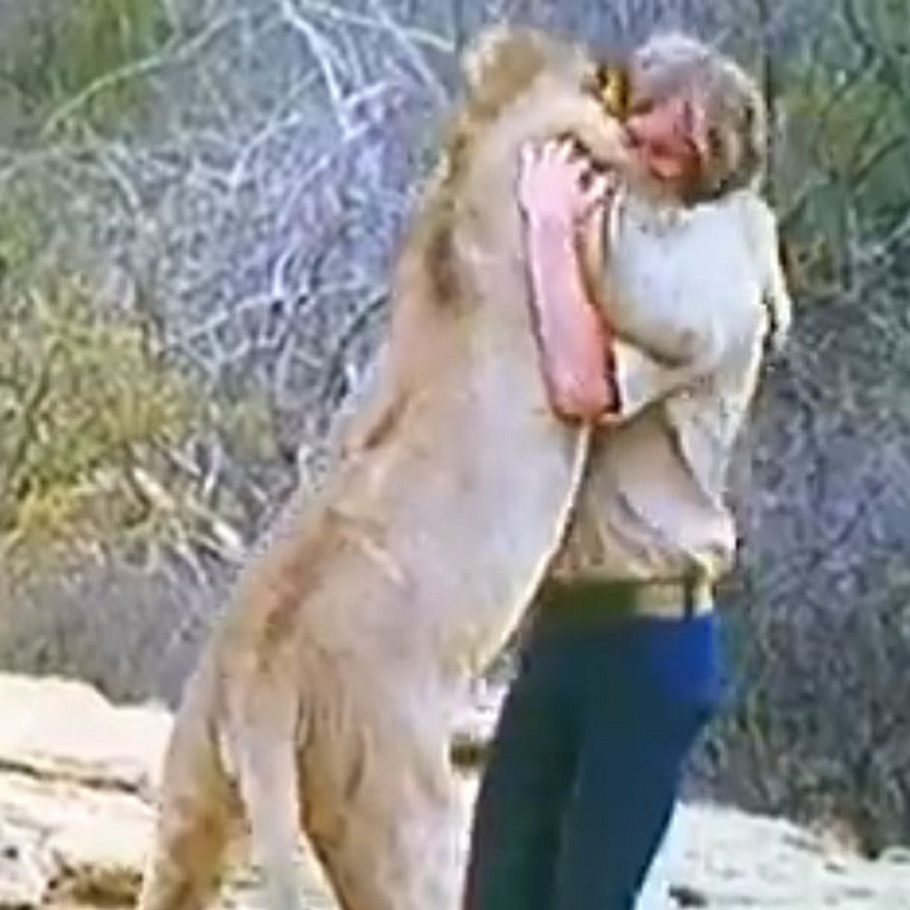
Wie ein Löwe und zwei Männer beste Freunde wurden | BRAVO

That extraordinary moment was captured on film, later becoming one of the most moving wildlife stories of all time. It inspired books, documentaries, and the creation of Born Free USA, a foundation dedicated to protecting wild animals worldwide.

Christian’s story, and the tragedy of Cecil decades later, remind us of what humanity often forgets: these magnificent creatures are not trophies to be taken, but families to be protected.

As John Rendall once said of Cecil, “He was a fine fellow, fathering wonderful cubs and leading his pride well. There are only around 3,000 alpha males like him left. You cannot hunt these creatures anymore. There is not enough left.”

Lions live in close-knit communities, raising their young together, grooming one another, showing affection in ways that echo our own. They mourn, they love, they remember.

And Christian proved that even across continents, across worlds, a lion’s heart — once touched by love — never forgets.

The call came in on a quiet afternoon — a report of a bear family struggling to cross a rural road. It sounded routine at first, the kind of situation that usually resolves itself once traffic clears. But when a police officer from the Town of Carroll arrived, what he found was far from ordinary.

On the edge of the woods stood a mother bear, pacing anxiously back and forth across the road. Three small cubs huddled nearby, their dark fur nearly blending with the wet asphalt. But something was wrong. The mother kept glancing behind her, growling softly — waiting.

Then the officer saw it.

A fourth cub — smaller, slower, struggling — limped weakly from the brush. Every few steps, it stumbled, unable to keep up. The mother moved toward it, nudging and circling, urging it to follow. But no matter how hard the little one tried, its legs trembled and failed.

For several agonizing minutes, the officer watched as the bear faced an impossible choice — one no mother should ever have to make. The road was dangerous, cars passing nearby. She had three healthy cubs to protect and one too weak to go on.

Finally, with a long, mournful look back, the mother bear turned. She gathered her remaining cubs and disappeared into the trees.

The officer stood still, the scene heavy with silence. Then he acted.

He blocked the road, ensuring safety for drivers and wildlife alike, before carefully approaching the trembling cub. It didn’t resist — too weak, too tired. He gently wrapped it in a blanket, shielding it from the chill, and called for assistance from the New Hampshire Fish and Game Department.

It was only then he learned the heartbreaking truth: this same mother bear had already lost another cub just the day before — the smallest of the litter — who had also been rescued and taken for rehabilitation.

Now, this second fragile cub would join its sibling in recovery, while the mother could focus on caring for her three remaining healthy young in the wild.

The department later shared the story, explaining, “After ensuring the safety of the bear family and motorists, our officer intervened. The cub was too weak to keep up. It will now receive medical care and, once strong enough, will be released back into its natural habitat.”

Nearby, a bystander named Jane Langmaid had witnessed the entire scene from her car. She filmed the rescue, her voice trembling with emotion. “I just couldn’t believe what I was seeing,” she said later. “The officer was so gentle, so patient — it was like watching compassion itself in motion.”

The video spread quickly online, melting hearts across the country. People who’d never set foot in New Hampshire were moved by the sight of a police officer kneeling in the rain, holding a sick bear cub as if it were a child.

In an age where headlines often divide, this moment united — a quiet reminder that empathy still exists in the unlikeliest of places.

The rescued cubs are now under the care of wildlife specialists, expected to make a full recovery before being returned to the forest they once called home. And somewhere out there, a mother bear still walks with her three strong cubs, unaware that two more lives are waiting to rejoin her — thanks to a stranger who chose to care.

Because sometimes, heroism isn’t loud.
Sometimes it’s a man in uniform, standing in the rain, answering the silent cry of a mother’s heart.

Leave a Reply

Your email address will not be published. Required fields are marked *

The Lion Who Remembered Love. – Daily News

In a world where some still see lions as trophies — like the infamous Walter Palmer who killed Cecil — there remains a deeper truth many overlook: lions are not symbols of conquest, but of connection. They are intelligent, affectionate creatures capable of profound emotion and loyalty.

Nowhere is that truth more beautifully proven than in the story of Christian the Lion.

In 1969, two young Australians, John Rendall and Anthony “Ace” Bourke, stumbled into a London department store — and found a lion cub for sale. Horrified yet captivated, they decided to give him a home. They named him Christian.

They raised him in their Chelsea apartment, where he slept on rugs, played in the garden, and became a beloved figure in the neighborhood. He was curious, mischievous, and gentle — more companion than wild animal. But as Christian grew, it became clear that love alone could not replace his true nature.

He belonged to the wild.

Christian the Lion Reunites with His Owners

With the help of conservationist George Adamson, John and Ace made the heartbreaking decision to send Christian to Kenya, to be reintroduced into the wilderness. It was an act of love, not abandonment — a promise that he would live free.

Months passed. Then a year. Christian adapted, learned to hunt, and eventually became the leader of his own pride. But for John and Ace, one question remained: Would he still remember them?

In 1971, they traveled to Kenya to find out.

animals حيوانات - YouTube

Adamson warned them that Christian had grown into a fully wild lion. He was powerful now, territorial, and it was possible — likely, even — that he would not recognize them. Still, they went.

As they approached the area where Christian’s pride was last seen, a tall figure appeared on the horizon. The lion stood still for a moment, then began to walk forward. Slowly at first — then faster.

And then it happened.

Steve Nguyen - YouTube

Christian broke into a full sprint, bounding toward the two men. When he reached them, he leapt — not in aggression, but in pure joy. He wrapped his massive paws around them and pressed his head against theirs.

The reunion was beyond words.

He licked their faces, rolled at their feet, and purred — the sound of a heart remembering love. Even more astonishing, he brought his pride forward — introducing them, as if to say, These are my people.

Wie ein Löwe und zwei Männer beste Freunde wurden | BRAVO

That extraordinary moment was captured on film, later becoming one of the most moving wildlife stories of all time. It inspired books, documentaries, and the creation of Born Free USA, a foundation dedicated to protecting wild animals worldwide.

Christian’s story, and the tragedy of Cecil decades later, remind us of what humanity often forgets: these magnificent creatures are not trophies to be taken, but families to be protected.

As John Rendall once said of Cecil, “He was a fine fellow, fathering wonderful cubs and leading his pride well. There are only around 3,000 alpha males like him left. You cannot hunt these creatures anymore. There is not enough left.”

Lions live in close-knit communities, raising their young together, grooming one another, showing affection in ways that echo our own. They mourn, they love, they remember.

And Christian proved that even across continents, across worlds, a lion’s heart — once touched by love — never forgets.

The call came in on a quiet afternoon — a report of a bear family struggling to cross a rural road. It sounded routine at first, the kind of situation that usually resolves itself once traffic clears. But when a police officer from the Town of Carroll arrived, what he found was far from ordinary.

On the edge of the woods stood a mother bear, pacing anxiously back and forth across the road. Three small cubs huddled nearby, their dark fur nearly blending with the wet asphalt. But something was wrong. The mother kept glancing behind her, growling softly — waiting.

Then the officer saw it.

A fourth cub — smaller, slower, struggling — limped weakly from the brush. Every few steps, it stumbled, unable to keep up. The mother moved toward it, nudging and circling, urging it to follow. But no matter how hard the little one tried, its legs trembled and failed.

For several agonizing minutes, the officer watched as the bear faced an impossible choice — one no mother should ever have to make. The road was dangerous, cars passing nearby. She had three healthy cubs to protect and one too weak to go on.

Finally, with a long, mournful look back, the mother bear turned. She gathered her remaining cubs and disappeared into the trees.

The officer stood still, the scene heavy with silence. Then he acted.

He blocked the road, ensuring safety for drivers and wildlife alike, before carefully approaching the trembling cub. It didn’t resist — too weak, too tired. He gently wrapped it in a blanket, shielding it from the chill, and called for assistance from the New Hampshire Fish and Game Department.

It was only then he learned the heartbreaking truth: this same mother bear had already lost another cub just the day before — the smallest of the litter — who had also been rescued and taken for rehabilitation.

Now, this second fragile cub would join its sibling in recovery, while the mother could focus on caring for her three remaining healthy young in the wild.

The department later shared the story, explaining, “After ensuring the safety of the bear family and motorists, our officer intervened. The cub was too weak to keep up. It will now receive medical care and, once strong enough, will be released back into its natural habitat.”

Nearby, a bystander named Jane Langmaid had witnessed the entire scene from her car. She filmed the rescue, her voice trembling with emotion. “I just couldn’t believe what I was seeing,” she said later. “The officer was so gentle, so patient — it was like watching compassion itself in motion.”

The video spread quickly online, melting hearts across the country. People who’d never set foot in New Hampshire were moved by the sight of a police officer kneeling in the rain, holding a sick bear cub as if it were a child.

In an age where headlines often divide, this moment united — a quiet reminder that empathy still exists in the unlikeliest of places.

The rescued cubs are now under the care of wildlife specialists, expected to make a full recovery before being returned to the forest they once called home. And somewhere out there, a mother bear still walks with her three strong cubs, unaware that two more lives are waiting to rejoin her — thanks to a stranger who chose to care.

Because sometimes, heroism isn’t loud.
Sometimes it’s a man in uniform, standing in the rain, answering the silent cry of a mother’s heart.

Leave a Reply

Your email address will not be published. Required fields are marked *

The Lion Who Remembered Love. – Daily News

In a world where some still see lions as trophies — like the infamous Walter Palmer who killed Cecil — there remains a deeper truth many overlook: lions are not symbols of conquest, but of connection. They are intelligent, affectionate creatures capable of profound emotion and loyalty.

Nowhere is that truth more beautifully proven than in the story of Christian the Lion.

In 1969, two young Australians, John Rendall and Anthony “Ace” Bourke, stumbled into a London department store — and found a lion cub for sale. Horrified yet captivated, they decided to give him a home. They named him Christian.

They raised him in their Chelsea apartment, where he slept on rugs, played in the garden, and became a beloved figure in the neighborhood. He was curious, mischievous, and gentle — more companion than wild animal. But as Christian grew, it became clear that love alone could not replace his true nature.

He belonged to the wild.

Christian the Lion Reunites with His Owners

With the help of conservationist George Adamson, John and Ace made the heartbreaking decision to send Christian to Kenya, to be reintroduced into the wilderness. It was an act of love, not abandonment — a promise that he would live free.

Months passed. Then a year. Christian adapted, learned to hunt, and eventually became the leader of his own pride. But for John and Ace, one question remained: Would he still remember them?

In 1971, they traveled to Kenya to find out.

animals حيوانات - YouTube

Adamson warned them that Christian had grown into a fully wild lion. He was powerful now, territorial, and it was possible — likely, even — that he would not recognize them. Still, they went.

As they approached the area where Christian’s pride was last seen, a tall figure appeared on the horizon. The lion stood still for a moment, then began to walk forward. Slowly at first — then faster.

And then it happened.

Steve Nguyen - YouTube

Christian broke into a full sprint, bounding toward the two men. When he reached them, he leapt — not in aggression, but in pure joy. He wrapped his massive paws around them and pressed his head against theirs.

The reunion was beyond words.

He licked their faces, rolled at their feet, and purred — the sound of a heart remembering love. Even more astonishing, he brought his pride forward — introducing them, as if to say, These are my people.

Wie ein Löwe und zwei Männer beste Freunde wurden | BRAVO

That extraordinary moment was captured on film, later becoming one of the most moving wildlife stories of all time. It inspired books, documentaries, and the creation of Born Free USA, a foundation dedicated to protecting wild animals worldwide.

Christian’s story, and the tragedy of Cecil decades later, remind us of what humanity often forgets: these magnificent creatures are not trophies to be taken, but families to be protected.

As John Rendall once said of Cecil, “He was a fine fellow, fathering wonderful cubs and leading his pride well. There are only around 3,000 alpha males like him left. You cannot hunt these creatures anymore. There is not enough left.”

Lions live in close-knit communities, raising their young together, grooming one another, showing affection in ways that echo our own. They mourn, they love, they remember.

And Christian proved that even across continents, across worlds, a lion’s heart — once touched by love — never forgets.

The call came in on a quiet afternoon — a report of a bear family struggling to cross a rural road. It sounded routine at first, the kind of situation that usually resolves itself once traffic clears. But when a police officer from the Town of Carroll arrived, what he found was far from ordinary.

On the edge of the woods stood a mother bear, pacing anxiously back and forth across the road. Three small cubs huddled nearby, their dark fur nearly blending with the wet asphalt. But something was wrong. The mother kept glancing behind her, growling softly — waiting.

Then the officer saw it.

A fourth cub — smaller, slower, struggling — limped weakly from the brush. Every few steps, it stumbled, unable to keep up. The mother moved toward it, nudging and circling, urging it to follow. But no matter how hard the little one tried, its legs trembled and failed.

For several agonizing minutes, the officer watched as the bear faced an impossible choice — one no mother should ever have to make. The road was dangerous, cars passing nearby. She had three healthy cubs to protect and one too weak to go on.

Finally, with a long, mournful look back, the mother bear turned. She gathered her remaining cubs and disappeared into the trees.

The officer stood still, the scene heavy with silence. Then he acted.

He blocked the road, ensuring safety for drivers and wildlife alike, before carefully approaching the trembling cub. It didn’t resist — too weak, too tired. He gently wrapped it in a blanket, shielding it from the chill, and called for assistance from the New Hampshire Fish and Game Department.

It was only then he learned the heartbreaking truth: this same mother bear had already lost another cub just the day before — the smallest of the litter — who had also been rescued and taken for rehabilitation.

Now, this second fragile cub would join its sibling in recovery, while the mother could focus on caring for her three remaining healthy young in the wild.

The department later shared the story, explaining, “After ensuring the safety of the bear family and motorists, our officer intervened. The cub was too weak to keep up. It will now receive medical care and, once strong enough, will be released back into its natural habitat.”

Nearby, a bystander named Jane Langmaid had witnessed the entire scene from her car. She filmed the rescue, her voice trembling with emotion. “I just couldn’t believe what I was seeing,” she said later. “The officer was so gentle, so patient — it was like watching compassion itself in motion.”

The video spread quickly online, melting hearts across the country. People who’d never set foot in New Hampshire were moved by the sight of a police officer kneeling in the rain, holding a sick bear cub as if it were a child.

In an age where headlines often divide, this moment united — a quiet reminder that empathy still exists in the unlikeliest of places.

The rescued cubs are now under the care of wildlife specialists, expected to make a full recovery before being returned to the forest they once called home. And somewhere out there, a mother bear still walks with her three strong cubs, unaware that two more lives are waiting to rejoin her — thanks to a stranger who chose to care.

Because sometimes, heroism isn’t loud.
Sometimes it’s a man in uniform, standing in the rain, answering the silent cry of a mother’s heart.

Leave a Reply

Your email address will not be published. Required fields are marked *

Back to top button

Adblock Detected

Please consider supporting us by disabling your ad blocker