“THE GREATEST FEMALE LOVE VOICE IN COUNTRY MUSIC.” On March 5, 1963, country music lost the woman many called the heart of a broken love song. Patsy Cline was only 30 when a plane crash ended a career that was still rising. She wasn’t fading out. She wasn’t finished. Her voice was still climbing the charts, still teaching heartbreak how to sound beautiful. When the news spread, radios didn’t go quiet — they turned to her. “Crazy.” “I Fall to Pieces.” “She’s Got You.” Those songs didn’t feel like hits anymore. They felt like messages she never got to finish. Patsy didn’t sing about love as a promise. She sang it as something already slipping away. Every note carried goodbye inside it, even when the words said stay. And sometimes, when “Crazy” comes on late at night, it doesn’t feel like a record from 1963 at all — it feels like a voice still trying to tell someone the truth, one last time. Was that love song meant to be her final goodbye? – Country Music
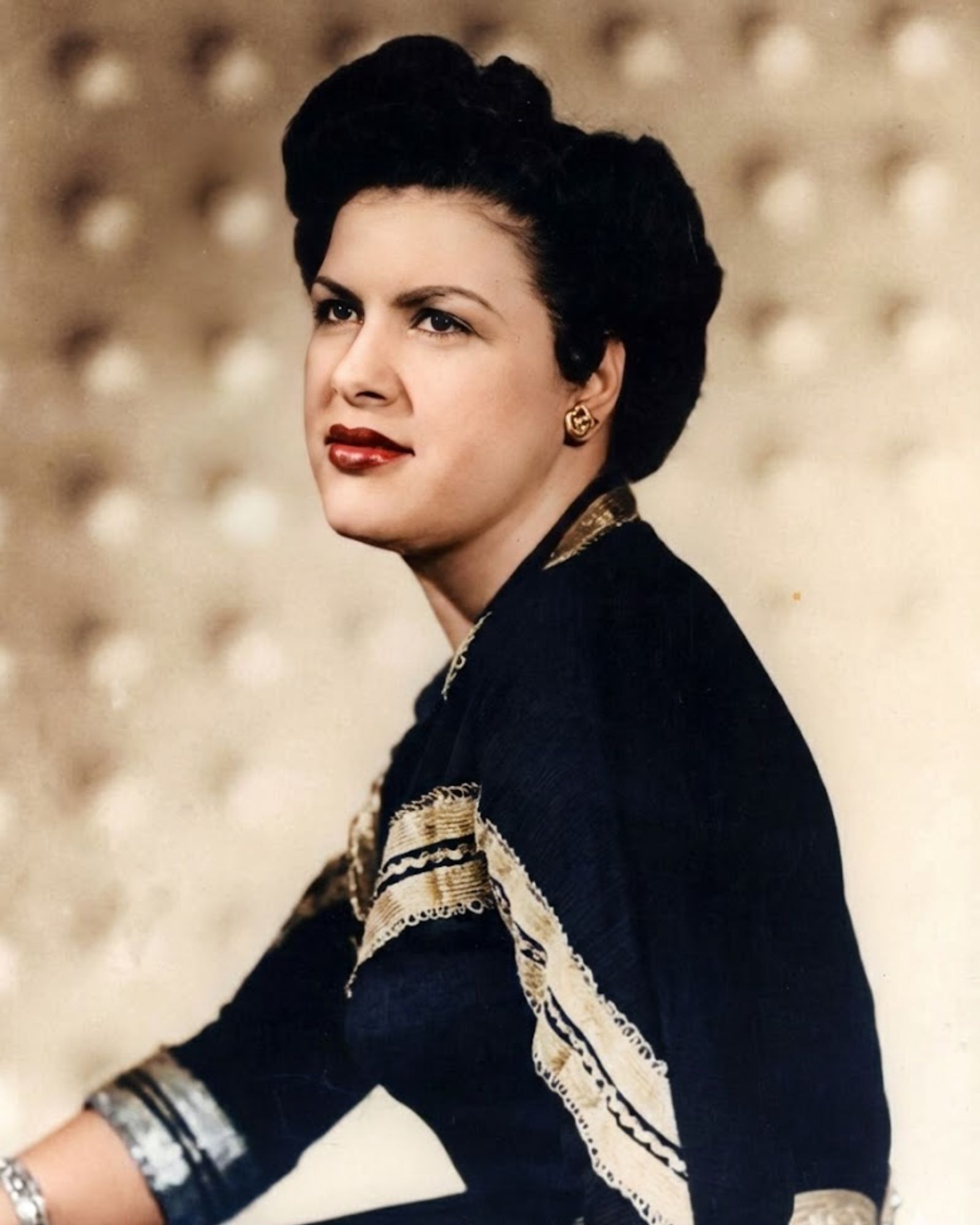
The Voice That Carried Heartbreak
In country music, some voices entertain. Others confess. Patsy Cline belonged to the second kind. She did not sing about love as something shiny and new. She sang it as something fragile — something already slipping through your fingers. Her voice did not ask for attention. It asked for honesty. And listeners felt it immediately.
Born Virginia Patterson Hensley in Winchester, Virginia, Patsy grew up in a home where money was scarce but music was everywhere. As a child, she survived a serious illness that doctors feared might take her life. Instead, it left her with a voice that seemed shaped by struggle. From that moment on, singing was never just a dream. It was survival.
From Honky-Tonks to the Radio
By her teenage years, Patsy was performing wherever she could — small clubs, local radio stations, and crowded dance halls where the noise was louder than the applause. Success did not come easily. Early recordings failed to chart. Labels doubted her style. But Patsy refused to soften her sound or hide her strength. She sang the way real people felt, not the way executives preferred.
Everything changed when “Walkin’ After Midnight” reached national audiences. Suddenly, the woman who had driven herself to gigs now heard her own voice coming out of car radios across America. Soon followed “I Fall to Pieces,” “She’s Got You,” and “Crazy.” These were not just love songs. They were stories of waiting, losing, and still hoping anyway.
The Woman Behind the Voice
Offstage, Patsy was bold, humorous, and fiercely loyal to her friends. She supported younger female singers, advising them on contracts and protecting them from unfair treatment in a male-dominated industry. She was known for saying exactly what she thought — and for loving deeply, even when it hurt.
Her own love life was complicated, marked by divorce and second chances. Those experiences did not weaken her songs. They sharpened them. When Patsy sang about loneliness, it sounded lived-in. When she sang about devotion, it sounded earned.
The Night the Music Stopped
In March 1963, Patsy performed at a benefit concert for a fellow country singer’s family. The show was warm, generous, and full of laughter. No one imagined it would be her last. On the flight home, a private plane carrying Patsy and two other performers crashed in bad weather.
She was only 30 years old.
The news spread quickly. Radio stations interrupted their programming. Fans sat quietly by their speakers as her songs filled the airwaves again — but this time, they sounded different. Lines about goodbye and longing felt heavier. What once felt romantic now felt final.
When a Song Becomes a Memory
“Crazy” became more than a hit. It became a farewell people never expected. “I Fall to Pieces” turned into a mirror for listeners who had loved and lost. Patsy’s voice did not disappear. It settled into the background of American life — in late-night kitchens, long car rides, and moments when someone needed to feel understood.
She did not live long enough to grow old with her fame. But in a strange way, that preserved her. Her voice never aged. It stayed forever in the moment before goodbye.
Why Her Songs Still Matter
Patsy Cline did not change country music with noise or rebellion. She changed it by telling the truth gently. She showed that love songs could be strong and soft at the same time. That heartbreak did not need drama — only honesty.
Today, new generations still discover her voice and feel the same quiet shock: this woman understands something about love that time cannot erase.
A Goodbye That Never Ends
Some singers leave behind records. Patsy left behind emotions. Her songs do not ask listeners to remember her. They ask them to remember themselves — the nights they waited, the people they lost, the love they still carry.
And sometimes, when her voice comes on the radio without warning, it does not sound like history. It sounds like someone still trying to finish a sentence.
Perhaps every great love song is a goodbye in disguise.
And perhaps Patsy Cline knew that before anyone else.
Video
Post navigation
A Voice Born in Ordinary Days
In the late 1950s, Loretta Lynn was not thinking about charts, contracts, or applause. She was thinking about groceries, diapers, and the long silence that filled the house after the children went to sleep. A young wife and a young mother, she carried stories heavier than any guitar she could barely afford. At the kitchen table, with dishes stacked beside her, she began turning daily life into songs. Not polished dreams — real ones, shaped by love, worry, and stubborn hope.
Her voice was raw back then. Slightly high. Untrained. But it carried something rare: words that sounded like they had been lived, not rehearsed. She didn’t try to smooth the edges. She sang the way people talk when they think no one is listening.
The Song That Refused to Behave
When Honky Tonk Girl finally made its way from her kitchen to a small studio, it didn’t arrive like a proper debut. It arrived like a confession. There was no performance of innocence. No polite distance from the truth. It was a woman stepping into a microphone with her whole life still clinging to her voice.
Some in Nashville didn’t know what to do with it. The sound wasn’t refined. The story wasn’t safe. It felt too close to real kitchens, real marriages, real nights of doubt. But that was exactly why people leaned in. Country music, without announcing it, had been handed something new — honesty without permission.
Between Silence and Spotlight
The story that followed grew larger than anyone expected. Radio stations hesitated, then played it anyway. Listeners wrote letters. They said the song sounded like their own lives. A few insiders whispered that this kind of woman shouldn’t be saying these kinds of things into a microphone. Loretta didn’t argue. She just kept writing.
In this telling, there is a moment — half remembered, half imagined — when she stands alone outside a studio after her first recording session. The night air is cold. Her hands shake, not from fear, but from the strange realization that the kitchen table has led her somewhere she never planned to go. She doesn’t feel like a star. She feels like someone who told the truth too loudly.
A Quiet Rewrite of the Rules
What happened next didn’t explode. It unfolded. Song by song, voice by voice, a new space opened in country music — a space where women could speak plainly about work, love, and disappointment without disguising it as fantasy. Loretta didn’t call it rebellion. She called it singing what she knew.
Her rise wasn’t built on glitter or escape. It was built on recognition. People heard themselves in her words. The rules of who was allowed to speak in country music shifted, not through protest, but through presence.
The Legend That Started at Home
Years later, the image of her at that kitchen table would feel almost mythical. But the truth remained simple: a woman with a rough voice and a full life decided not to stay quiet. From that small room, she walked into a larger story — one that changed how country music listened to women, and how women recognized themselves in song.
The legend did not begin on a stage. It began where no one expected it to — between meals, between worries, and between the lines of a life that finally found a voice.