THE GRAMMYS DIDN’T JUST OVERLOOK PATSY CLINE. THEY NEVER EVEN SAID HER NAME ONCE WHILE SHE WAS ALIVE. Zero nominations. Not a single one. She recorded “Crazy,” “I Fall to Pieces,” and “She’s Got You” — all between 1961 and 1963 — and the Recording Academy acted like she wasn’t there.To be fair, the Grammys were brand new then. One country category total. But still — she was crossing over to pop radio in ways nobody had done before, and the biggest award show in music couldn’t find room for her on a ballot?On March 5, 1963, her pilot Randy Hughes landed in Dyersburg, Tennessee to refuel. The FAA told him conditions were below visual flight minimums. He took off anyway.Twenty-two minutes later, the plane went down in the woods outside Camden. Patsy was 30.Her Greatest Hits came out four years after the crash. It sold 10 million copies. Diamond certified. Guinness World Record for longest-charting album by a female artist in any genre.In 1973, she became the first solo woman inducted into the Country Music Hall of Fame. The Grammy Lifetime Achievement Award finally came in 1995 — thirty-two years after the crash.There’s a detail about what Patsy told Dottie West at the Kansas City airport that morning that still makes people go quiet when they hear it.Patsy Cline got three years of hits and an entire industry’s worth of silence from the one award that was supposed to matter. Was that the era failing her — or something the Grammys still haven’t fixed? – Country Music
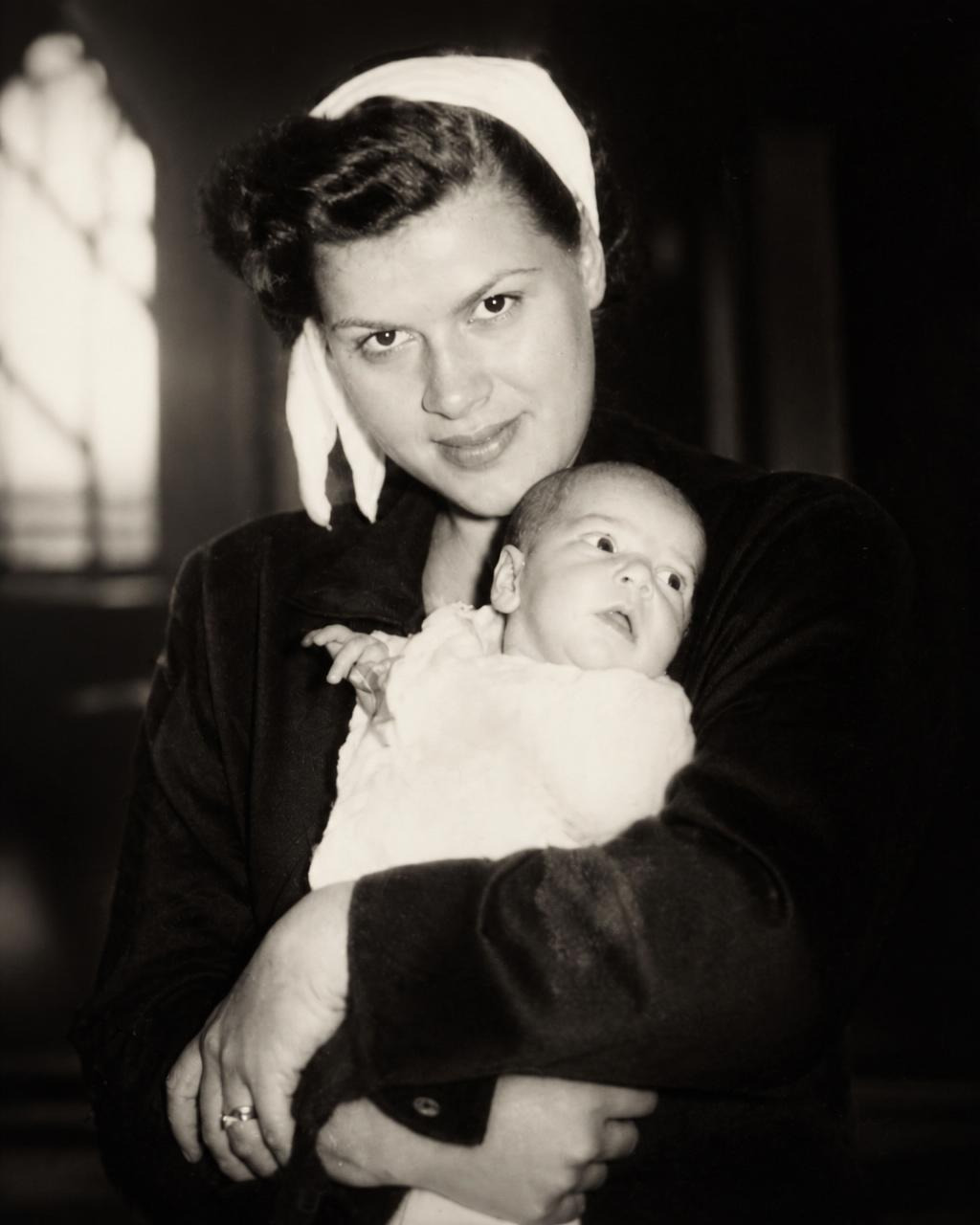
Patsy Cline never got a single Grammy nomination. Not one. In an era when the Recording Academy was still young and the award system was still finding its footing, that silence feels even louder now. Between 1961 and 1963, Patsy Cline recorded “Crazy,” “I Fall to Pieces,” and “She’s Got You” — songs that would go on to define not just country music, but American popular music itself.
And yet, while her voice was changing radio, the Grammys acted as if she had not truly arrived.
A Star Rising Faster Than the Industry Could Understand
Patsy Cline was not only a country singer. She was a bridge. Her records crossed from country stations to pop audiences with a kind of emotional force that could not be boxed in by genre labels. That crossover mattered, because it showed something important: a woman from Winchester, Virginia could sing with such honesty and power that the whole country would stop and listen.
But the Grammys, still new at the time, had limited categories and a narrow sense of who deserved recognition. There was just one country category. Even so, the absence of Patsy Cline remains stunning. She was not just successful; she was reshaping the sound of mainstream music in real time.
Some artists are celebrated immediately. Others are understood only after they are gone. Patsy Cline was both too early and too important for the system around her.
The Morning Everything Changed
On March 5, 1963, Patsy Cline was traveling back from a benefit performance. Her pilot, Randy Hughes, landed in Dyersburg, Tennessee to refuel. Weather conditions were poor. The FAA had warned that visibility was below safe flying minimums. Still, the plane took off again.
Twenty-two minutes later, it crashed in the woods outside Camden, Tennessee. Patsy Cline was 30 years old.
The news stunned fans and musicians alike. In just a few years, she had built a legacy that felt much larger than the time she had been given. Her songs had become emotional landmarks for people who had never met her but felt they knew her through every note.
Success Came Stronger After Her Death
Four years after the crash, Her Greatest Hits was released. What followed was extraordinary. The album sold 10 million copies, earned Diamond certification, and became a Guinness World Record holder for the longest-charting album by a female artist in any genre.
That kind of posthumous success says something painful and powerful at once. Patsy Cline had already been beloved, but the world was still catching up to what she had done. Her voice lasted because it was never trendy in the first place. It was timeless. It had warmth, sadness, strength, and a kind of directness that made every lyric feel personal.
Recognition Finally Arrived, But Too Late
In 1973, Patsy Cline became the first solo woman inducted into the Country Music Hall of Fame. That honor finally placed her among the giants, where she had belonged all along. Then, in 1995, the Grammy Lifetime Achievement Award came at last — thirty-two years after her death.
By then, the irony was impossible to ignore. The organization that had never nominated her while she was alive eventually had to acknowledge that her influence was too big to keep overlooking.
The Detail That Still Stays With People
There is a story about what Patsy Cline told Dottie West at the Kansas City airport that morning. It is one of those details people repeat quietly, almost reverently, because it feels loaded with meaning. Depending on who tells it, it can sound like a casual comment, a warning, or a moment of strange intuition. Either way, it lingers because it reminds us that history is often built from small human moments that no award show can measure.
Patsy Cline did not need the Grammys to prove her importance. Her recordings already did that. Her influence on country singers, pop vocalists, and emotional storytelling in music is still everywhere.
The real question is not whether the Grammys missed Patsy Cline. They clearly did. The question is whether an awards system built to celebrate music can ever truly keep up with artists who change it before the system knows what to call them.
Patsy Cline gave the world three years of hits and a legacy that never faded. The Grammys gave her silence. And even now, that silence says more about the era — and about the limits of recognition itself — than it ever could about Patsy Cline.
Post navigation
By the time Merle Haggard became a household name, the story of his life already sounded like something written for a movie. He had the voice, the songs, the grit, and the kind of honesty people recognized right away. When Merle Haggard sang about hard times, listeners believed every word because he had lived them. That was part of the power in his music. It was also part of the burden he carried.
Long before the hit records and arena crowds, Merle Haggard had spent three years in San Quentin. The prison never left his life completely, even after he walked out a different man. Fame did not erase the record. Success did not make the paperwork disappear. Every official form, every border crossing, every legal question seemed to drag the old story back into the light: convicted felon, ex-convict, the man who had once been locked away behind state walls.
And yet Merle kept moving forward.
He turned pain into songs. He turned regret into truth. He turned a painful past into music that connected with people who had made mistakes of their own. Fans did not just hear a performer. They heard survival. They heard a man who knew what it meant to lose control, pay for it, and then try to rebuild a life with dignity.
The Weight of a Past That Would Not Stay Quiet
Merle Haggard had reached a level of fame that most artists only dream about, but fame has limits. It can fill a concert hall. It can put your name on the radio. It can make a stranger sing your lyrics from memory. What it cannot always do is clear your record in the eyes of the state.
That was the part Merle Haggard could not sing away. The old conviction remained on official documents, a shadow that followed him into the adult world he had built. Friends knew how far he had come. Fans knew the emotional truth of his songs. But the system still remembered the younger man who had once sat inside San Quentin.
For many people, that would have been the end of the story. For Merle Haggard, it became another chapter.
A Quiet Effort Behind the Scenes
Behind the music, family members and friends were working quietly to help Merle Haggard get something that mattered more than applause: a pardon. It was not a publicity stunt. It was not a headline chase. It was a serious attempt to close a painful legal chapter that had followed Merle Haggard for too long.
Then came March 14, 1972.
On that day, California Governor Ronald Reagan granted Merle Haggard a full pardon. The decision did not erase the past in the emotional sense. Merle Haggard had still lived it. The prison years were still real. But the pardon changed what the past meant in the eyes of the law. It was a formal recognition that Merle Haggard’s life had moved far beyond the mistake that once defined him.
Merle later described the feeling in a way only he could. He said it felt like having a tail cut off his back. It was a vivid, earthy image, and it made perfect sense coming from him. For a man who had spent years carrying the label of ex-convict, the pardon must have felt like finally setting down a weight he had carried for too long.
“It felt like having a tail cut off my back.”
When the Past and Present Finally Met
Ten years later, the story came full circle in a way that still feels unforgettable. Merle Haggard stood at Ronald Reagan’s ranch and sang for the man who had signed that burden away. It was more than a performance. It was a moment loaded with history, gratitude, and a kind of human recognition that few public figures ever get to experience.
Before the first note, Merle Haggard looked at Ronald Reagan and said he hoped Reagan would be as pleased with the show as Merle Haggard had been with the pardon. It was a simple line, but it carried the whole story inside it. One man had given another man a second chance. Years later, the music came back as a thank-you.
That is what makes the story of Merle Haggard so powerful. It is not only about crime, punishment, or even redemption. It is about the long road between who a person was and who a person becomes. It is about the stubborn reality that the past can follow you, even after you have changed. And it is about the rare moment when the system finally acknowledges that change.
A Name Restored
Some men are forgiven by fans. Some are misunderstood forever. Merle Haggard got something rarer. The state that once locked him up eventually gave his name back. That does not happen often, and it is part of why this story still matters.
Merle Haggard was already famous before the pardon, and he would remain famous after it. But the signature from Ronald Reagan did more than clear a record. It helped restore a sense of peace. It told the world that a life is not always defined by its worst chapter.
In the end, Merle Haggard did what great artists often do: he turned hardship into something people could feel, remember, and sing back to him. The prison years were real. The pain was real. The pardon was real too. And together, they became part of one of the most remarkable true stories in American music.