THE DOCTORS FIXED HIS HEART TWICE. MARTY ROBBINS KEPT GIVING IT AWAY. Marty Robbins had his first heart attack in 1969. Doctors gave him a triple bypass — at a time when that kind of surgery still sounded terrifying to most people. But Marty did what Marty always did. He got back on the road, went back onstage, went back to NASCAR, and hardly talked about it again. Then came the second heart attack in 1981. He brushed it off as “an extra bad case of indigestion,” like admitting pain would somehow make it real. On October 11, 1982, Marty Robbins was inducted into the Country Music Hall of Fame. Less than a month later, on November 7, he climbed into a race car for the last NASCAR run of his life in Atlanta. Then, on December 2, his heart failed again. Six days after a quadruple bypass, Marty was gone at 57. Fifteen hundred people packed Woodlawn Funeral Home in Nashville. Johnny Cash was there. Charley Pride. Roy Acuff. Eddy Arnold. Brenda Lee sang “One Day at a Time” while the room overflowed into three chapels and down the hallway. The doctors had mended Marty’s heart more than once. But maybe the truth was simpler than that. He had spent his whole life giving pieces of it away. – Country Music
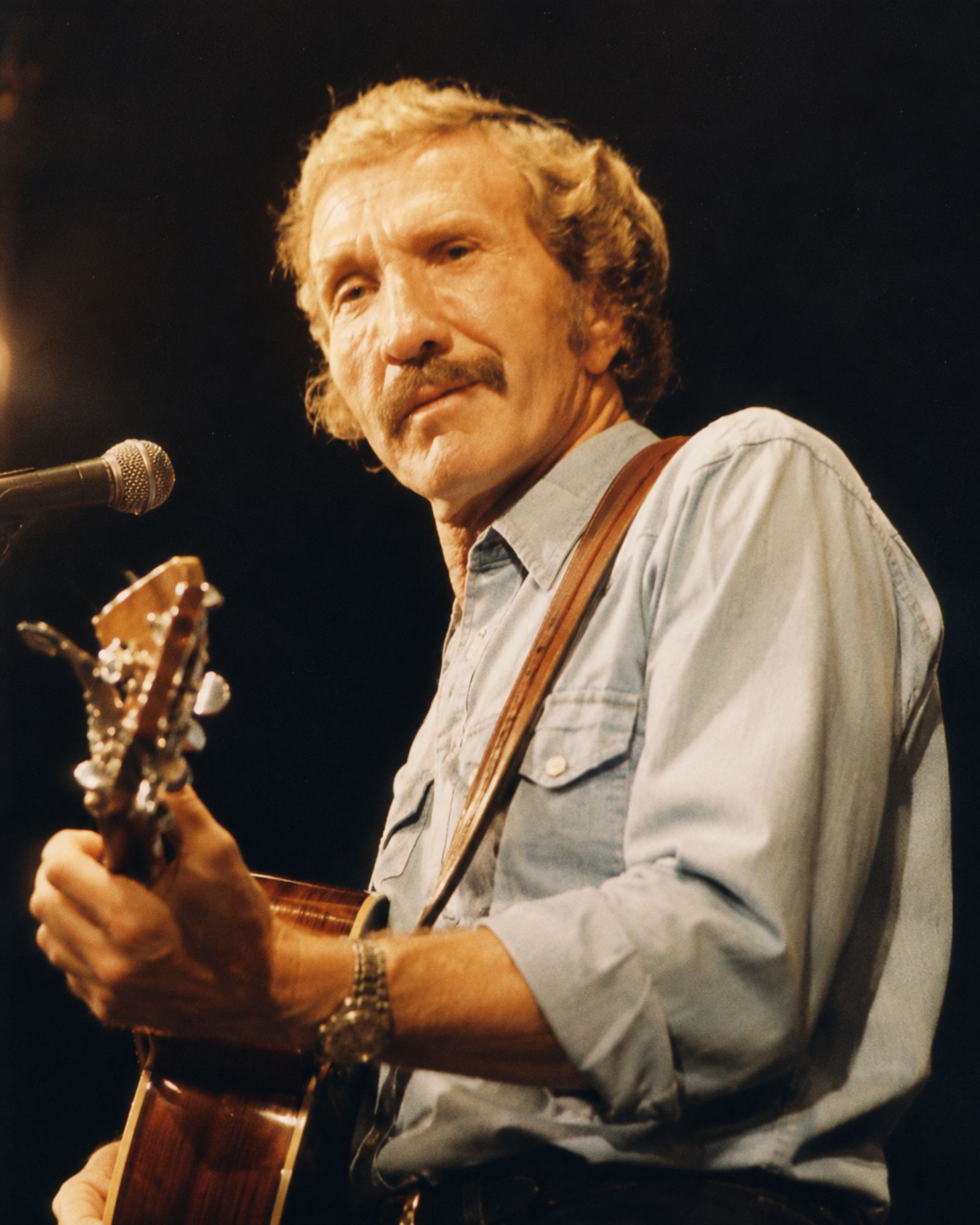
Marty Robbins lived like a man who never believed in sitting still. He sang, he raced, he told stories, and he carried himself with the easy confidence of someone who had already decided that life was meant to be used up, not saved for later. That attitude made him a legend. It also made his body pay the price.
The first warning
In 1969, Marty Robbins suffered his first heart attack. For many people, that would have been the moment to step back, slow down, and rethink everything. But Marty Robbins was not built for retreat. Doctors performed a triple bypass, a serious operation that sounded almost frighteningly advanced for the time, and the recovery should have changed him. Instead, it seemed to sharpen his determination.
He returned to the road. He returned to the stage. He returned to NASCAR, where the roar of engines and the smell of fuel seemed to fit his restless spirit. Marty Robbins did not spend much time talking about illness. He did not turn his pain into a public speech. He kept moving, as if motion itself could outrun fear.
Marty Robbins acted like a man who believed the next song, the next race, and the next town were waiting for him no matter what his body said.
A life lived at full speed
That was the strange magic of Marty Robbins. He was not only a country music star. He was a storyteller with a voice that could sound tender, tough, lonely, and fearless all at once. He gave audiences characters, heartbreak, and adventure. He gave them songs that felt bigger than the room they were sung in.
Offstage, he lived with the same intensity. He loved racing. He loved performing. He loved the constant pull of the next challenge. That kind of life can look glamorous from the outside, but it often comes with a cost that only becomes clear later. For Marty Robbins, the cost was written in hospital visits, warning signs, and a heart that had already done more than it should have had to do.
The second heart attack
In 1981, Marty Robbins suffered another heart attack. Even then, he tried to reduce it to something ordinary, calling it “an extra bad case of indigestion.” That line says a lot about him. It was not just humor. It was also a shield. If he could name the pain as something smaller, maybe it would stay smaller. Maybe it would not become the kind of truth that changes everything.
But the body does not always listen to pride. It remembers what the mind tries to minimize.
The final months
On October 11, 1982, Marty Robbins was inducted into the Country Music Hall of Fame. It was a major honor, the kind that confirms a career long after the first applause has faded. He had earned his place among country music’s great voices, and the recognition should have felt like a finish line of sorts.
Instead, Marty Robbins kept going.
Less than a month later, on November 7, he climbed into a race car for what would be the last NASCAR run of his life in Atlanta. It was a gesture that felt perfectly like Marty Robbins: brave, stubborn, and a little defiant. He seemed to live by the idea that as long as he could still show up, he still belonged in the game.
Then, on December 2, his heart failed again. Six days after a quadruple bypass, Marty Robbins died at 57.
The farewell in Nashville
Fifteen hundred people gathered at Woodlawn Funeral Home in Nashville to say goodbye. The crowd was so large that it overflowed into three chapels and spilled down the hallway. Johnny Cash was there. Charley Pride. Roy Acuff. Eddy Arnold. Brenda Lee sang “One Day at a Time,” and the room held the kind of silence that only appears when people understand they are standing at the edge of history.
That funeral was not just a farewell to a singer. It was a farewell to a man who had poured himself into every room he entered. People did not come only because Marty Robbins was famous. They came because he had left something behind in them. His songs, his swagger, his warmth, his relentless spirit — all of it had made an imprint.
What Marty Robbins really left behind
The doctors fixed Marty Robbins’ heart twice, maybe more in spirit than in medicine. But the deeper truth is that Marty Robbins kept giving that heart away long before it stopped. He gave it to the music. He gave it to the crowd. He gave it to the racetrack. He gave it to anyone who needed a song that felt like it had lived a little before reaching them.
That is why his story still matters. Not because it ended too soon, though it did. Not because it was dramatic, though it certainly was. It matters because Marty Robbins showed what it looks like when a person refuses to live cautiously. He chose the road. He chose the stage. He chose the next lap, the next verse, the next moment of being fully alive.
In the end, maybe the doctors repaired the muscle. But Marty Robbins had already spent the heart itself.
Post navigation
Johnny Rodriguez did not arrive in country music sounding polished, predictable, or easy to package. He arrived sounding like a man who had lived a few extra lives before the first hit record ever reached the radio. There was Texas in his phrasing, border-town sadness in his delivery, and a kind of quiet defiance that made people listen twice. Some listeners in Nashville did not know what to make of him at first. Audiences, on the other hand, understood immediately.
That was Johnny Rodriguez’s gift. He did not sing like someone trying to fit country music. He sang like someone already belonged to it.
A Voice That Carried More Than a Melody
Johnny Rodriguez had a voice that seemed to carry dust, heartbreak, and pride all at once. It could sound smooth one moment and wounded the next. He had the kind of delivery that made a simple lyric feel lived-in, as if the song had already been through one long night before anyone heard it on the air.
That quality made songs like “Ridin’ My Thumb to Mexico” and “That’s the Way Love Goes” stand out in a crowded era. They did not feel assembled for commercial safety. They felt honest. They felt human. Johnny Rodriguez sang with emotional detail, and that made every line land harder.
Johnny Rodriguez did not sound like a singer trying to become country. He sounded like country had already happened to him.
Nashville Was Not Sure What to Do With Him
Part of Johnny Rodriguez’s story is about how unusual he felt in the middle of the Nashville machine. Country music had its own expectations, and Johnny Rodriguez challenged them simply by sounding like himself. He did not bring a polished, safe identity to the mic. He brought character. He brought edge. He brought a perspective shaped by South Texas and all the complicated emotion that came with it.
That kind of originality can make a business nervous. It can also make a legacy unforgettable.
Johnny Rodriguez was not the type of artist who disappeared into the background. Even when the songs were soft, his presence was not. He had charm, but not in a rehearsed way. He had sadness, but it never sounded weak. He had confidence, but it came with scars. That mix gave his music real depth.
The Songs Felt Like They Had a Past
One reason Johnny Rodriguez connected so deeply with listeners was that his songs felt like they already had a history. They did not sound manufactured in a vacuum. They sounded worn by experience. You could hear the loneliness in his voice, but also the pride that kept him standing. You could hear the heartbreak, but also the refusal to be defeated by it.
That is what made his records memorable. He did not just sing about love and loss. He made those emotions sound specific. A song could feel smooth as a slow sip of whiskey, then suddenly cut through with the kind of truth people usually keep to themselves.
Johnny Rodriguez did not need to oversell anything. He trusted the song, trusted the feeling, and trusted the listener to meet him halfway.
Why Other Country Artists Noticed
Johnny Rodriguez’s influence stretched far beyond his own recordings. Other country artists saw in him something important: proof that there was room in country music for a different kind of voice and a different kind of story. Years later, George Strait would speak about how Johnny Rodriguez’s success gave a South Texas kid like him hope.
That mattered. It still matters.
When one artist opens a door, the next generation walks through with a little more confidence. Johnny Rodriguez did that for people who saw themselves in his background, his sound, or the way he carried his identity without apology. He showed that country music could make space for an artist who did not arrive looking like the industry’s expected version of itself.
A Legacy Built on Authenticity
Johnny Rodriguez mattered because he sounded real. That may sound simple, but in music, real is rare. Real does not always arrive polished. Real does not always arrive neatly. Real can be rough around the edges, emotionally complicated, and impossible to ignore. Johnny Rodriguez understood that instinctively.
He left behind more than hit records. He left behind an example of what happens when an artist refuses to dilute his voice just to make a room more comfortable. His music still resonates because it feels honest in a way that never goes out of style.
Some singers sounded perfect for the room.
Johnny Rodriguez sounded like real life leaking through the speakers.
That is why his place in country music is secure, even if Nashville took longer than it should have to fully understand him. Johnny Rodriguez never sounded like he was trying to belong. He sounded like he already did.