The Colosseum Duel: When Bruce Lee Chose Chuck Norris. – Daily News
In 1972, Bruce Lee had a problem.

For the final fight scene of his new movie to feel real, he needed someone fast enough to keep up with him. Not many men on earth could do that.
Chuck Norris was one of them.
They had first met in 1968 at Madison Square Garden in New York. Norris had just won his second world karate championship. Lee was already known to American audiences as Kato in The Green Hornet, but Hollywood felt too small for him. They talked, sparred, and trained together in Los Angeles for years. Lee never forgot one thing: Norris’s extraordinary speed.
In 1972, Lee left the United States for Hong Kong. After the huge success of The Big Boss and Fist of Fury, he finally gained full control over his third film. He wrote it, directed it, starred in it, and choreographed every single punch. The title was The Way of the Dragon.
He wanted something never seen before: the final battle inside the Colosseum in Rome.

The problem? Filming there was strictly forbidden. Italian authorities refused any permission. Lee did not accept no for an answer. According to his assistant director, the crew smuggled the cameras in by pretending to be ordinary tourists. They had maybe three hours before security would shut them down.
Three hours to create a legend.
When Lee called Norris in California, the question was direct: “Who wins?”
Lee laughed. “I’m the star.”
But he made a promise: “This will be the most memorable moment in the film.”
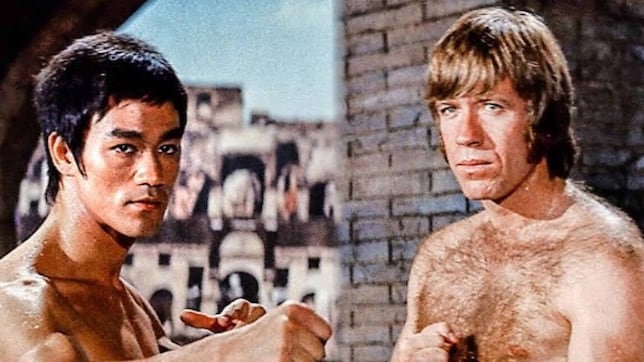
Two weeks before shooting, he asked Norris to gain weight. He wanted a clear visual contrast — American power against Chinese feline speed.
Lee spent forty-five hours choreographing that single fight. No stunt doubles. No quick cuts. Just two real world champions, filmed in full shots under dramatic light that made them look like modern gladiators.
The scene lasts about ten minutes. It is pure tension. Pure technique. Pure respect.
After defeating his opponent, Lee gently covers Norris’s body with his own gi — a silent gesture from one warrior to another.
The film premiered in Hong Kong on December 30, 1972, and shattered every record. With a budget of only 130,000 dollars, it went on to earn more than 130 million worldwide. In the United States it was released in 1974 as Return of the Dragon, riding the wave of Enter the Dragon.
The Colosseum fight became an instant legend.
But Bruce Lee would never see how far that revolution would travel.

On July 20, 1973, he died in Hong Kong at the age of only thirty-two, officially from cerebral edema. Six days later, Enter the Dragon was released and turned him into a global icon.
Norris received the news in California. He had lost a friend, a training partner, and the man who had given him his first real chance in movies.
In the years that followed, Norris built an extraordinary career: Lone Wolf McQuade, Missing in Action, The Delta Force, and then the long-running series Walker, Texas Ranger that made him a household name around the world.
In the 2000s he even became a viral internet phenomenon with the famous “Chuck Norris Facts.” A martial arts champion turned pop culture legend.

Today, at eighty-five years old, he is still deeply connected to that Roman afternoon more than half a century ago.
Cinema historians still call that duel one of the greatest fight scenes ever filmed. It has been studied, copied, and analyzed — never surpassed.
Because it was never just choreography.
It was two world champions at the peak of their powers, fighting inside an arena that had witnessed gladiators for two thousand years.
One would be gone within a year. The other would carry that memory for more than fifty years.
The Colosseum has seen blood, sand, and history. But only once did it see something like Bruce Lee versus Chuck Norris.

The Night That Still Doesn’t Add Up
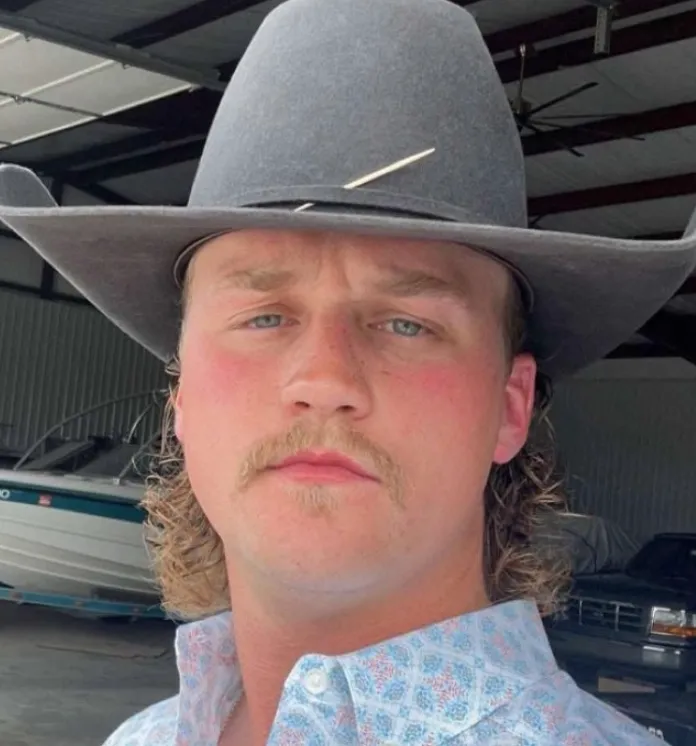
From the outside, the case looked straightforward. Police said a man forced his way into a home, went looking for someone inside, and was shot in what investigators called a clear act of self-defense. End of story.
But for everyone who knew and loved Sean Six, that official version has never felt right. The more they dig, the more the facts seem to crack open, revealing a darker, messier picture that refuses to add up. Now, explosive videos and accounts shared by one of Sean’s closest friends are raising new questions that simply will not go away.
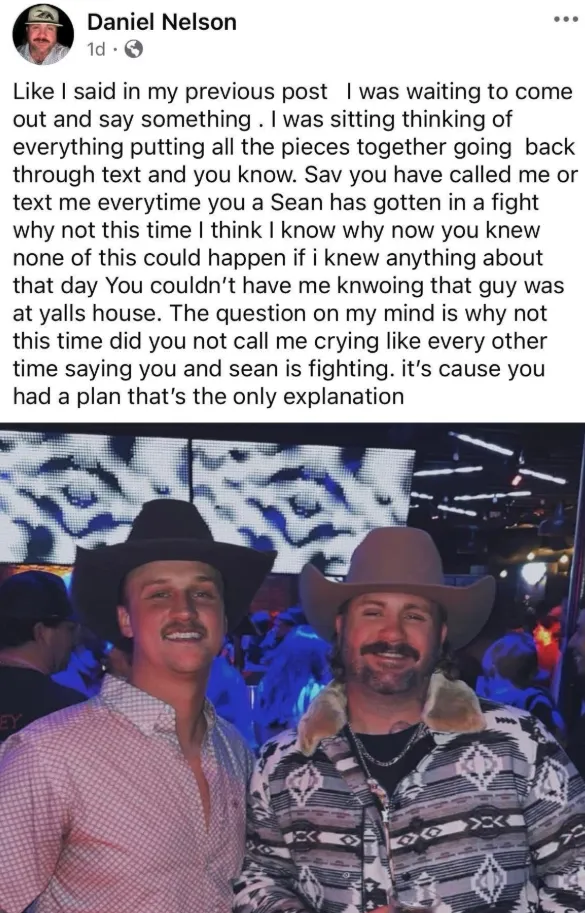
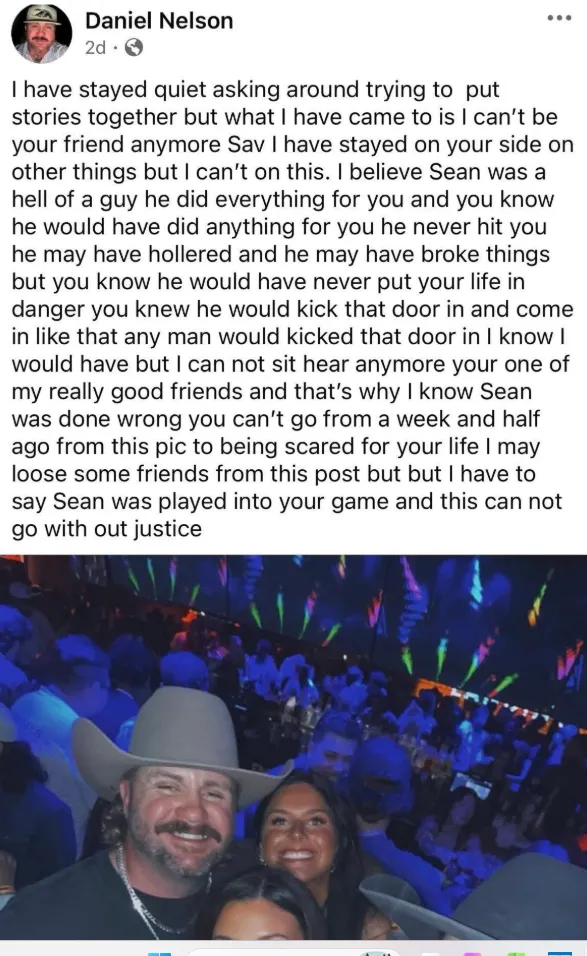
Sean’s friend Daniel has been speaking out publicly since the night Sean was killed. Recently, he released emotional memories and alleged conversations that have shaken people all over again. According to Daniel, just two weeks before the shooting, he and Sean traveled together to Kansas City. They stayed in an Airbnb with a group that included Sean’s girlfriend, Savannah.
What was supposed to be a normal getaway has now become one of the most haunting parts of the story.
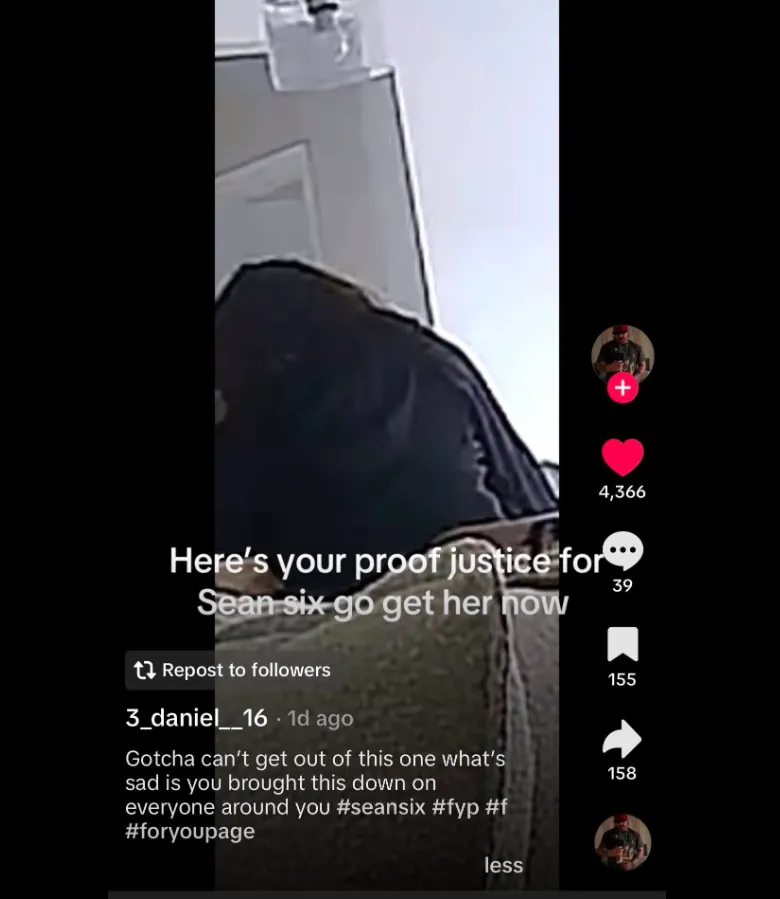
Daniel recalled sitting alone with Sean in the kitchen. When he offered Sean a shot to drink, Sean allegedly replied that Savannah wouldn’t let him. The conversation quickly turned personal. When Daniel asked how things were going between Sean and Savannah, Sean reportedly said they were better than they had ever been — a statement that now feels painfully out of place.
Then Daniel noticed something else: Sean had a visible black eye. When asked about it, Sean brushed it off, claiming he had tripped. But Daniel later said the bruise looked several days old, not fresh. That small detail has stayed with many people. A bruise. A quick excuse. A moment that seemed minor at the time — but now feels like a warning sign no one fully understood.
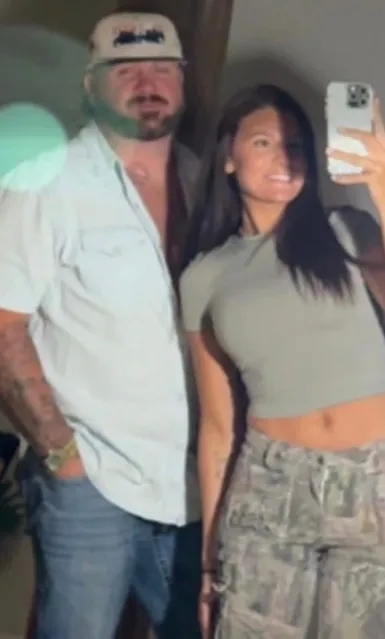
Even more disturbing are the conversations Daniel claims he had with Savannah after Sean’s death. He says he was so unsettled by what she told him that he immediately wrote it down. According to Daniel, Savannah said she had invited Hunter to the house because she was scared. When Daniel asked why Hunter had a gun, her alleged response sent a chill through him: “Because he can’t fight.”
If true, that comment suggests something far more calculated than simple panic. It raises a devastating question: was Hunter there only for protection, or was he there expecting trouble?
The suspicion grew even stronger when Daniel shared surveillance footage. In the clip, Savannah can allegedly be heard on the phone asking whether police knew the story Hunter had given them. She also reportedly asked if investigators knew she had prior knowledge that Hunter had gone to pick up a gun. Those questions have left many wondering why she seemed more concerned about the narrative than the trauma of what had just happened.

Another detail that continues to fuel doubt: the front doorbell camera “conveniently” wasn’t working that night. For people already suspicious, it feels like one missing piece too many.
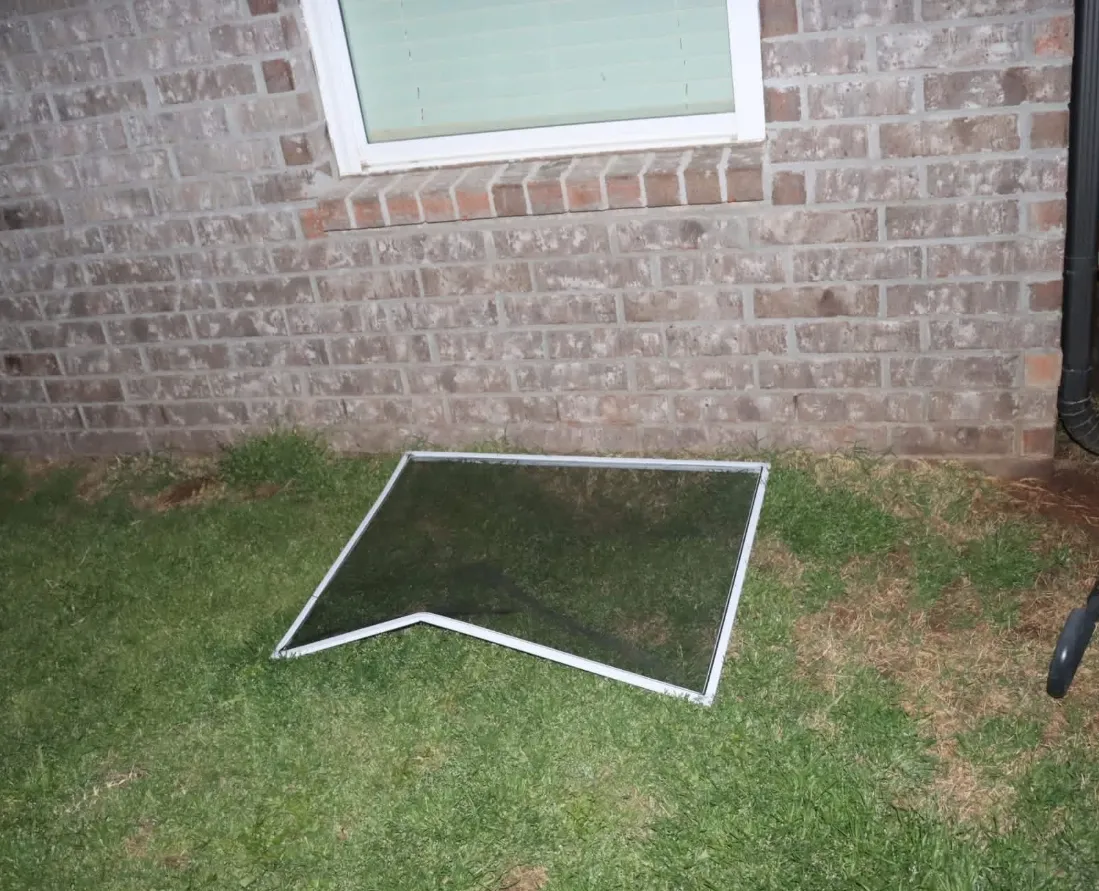
Police tell a much simpler story. According to Tulsa authorities, Sean had sent multiple threatening text messages throughout the day — to Savannah, to the shooter, and to others — warning of physical violence. Investigators say Sean had packed his clothes and moved out of the home on Monday, only hours before the early Tuesday morning shooting. When he returned, they claim he tried to enter through a window, then kicked in the front door. Police say he bypassed Savannah, went straight to the back of the house, found the shooter in a bedroom, and was shot there.
From the official perspective, the shooting fits Oklahoma’s self-defense laws, including Stand Your Ground and Castle Doctrine. However, the District Attorney’s Office is still reviewing the nuances.
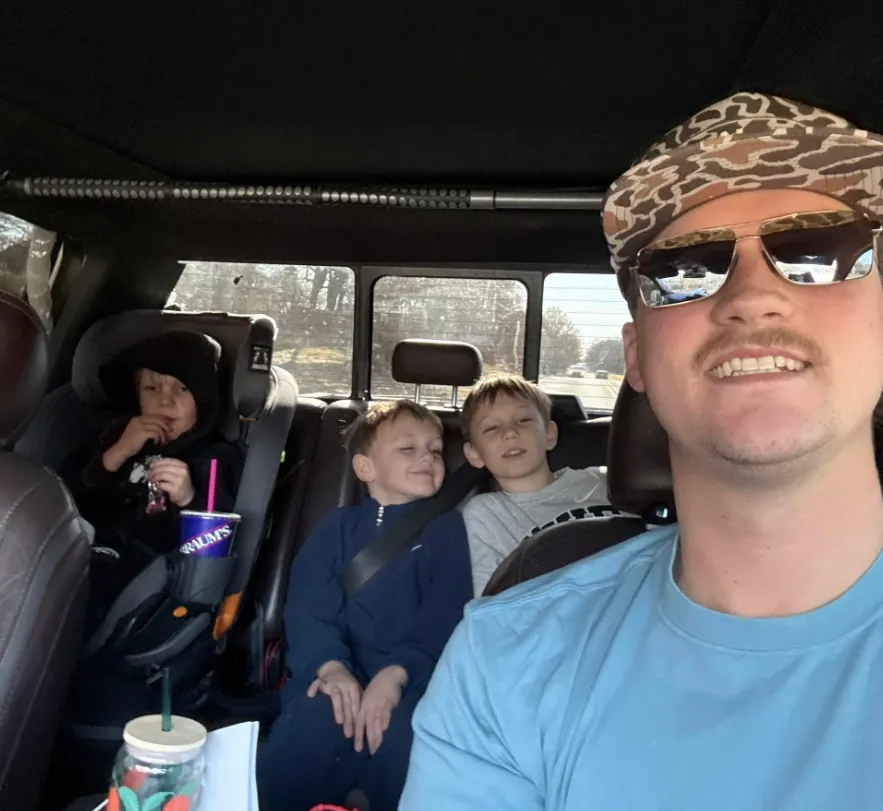
Sean’s family and friends completely reject this version. They insist Sean was not moving out permanently. He was a devoted father to his three young sons and remained deeply connected to that home. According to them, Sean and Savannah had an argument. He left temporarily. While he was gone, Savannah allegedly changed the locks and invited another man inside — creating the exact conditions that led to tragedy.
If that account is accurate, the night looks very different. Instead of an intruder forcing his way into someone else’s home, it becomes the story of a man returning to his own house after a fight, only to discover he had been locked out and replaced within hours. That kind of emotional betrayal could turn any confrontation explosive.
This is why so many people online continue to use the word “setup.” They point to the changed locks, the man already waiting inside, the gun allegedly obtained in advance, the broken doorbell camera, and the fatal encounter that can easily be framed as self-defense. Together, these details form a sequence that feels too neatly arranged to ignore.
Of course, suspicion is not proof. It is entirely possible that fear, anger, threatening messages, and a chaotic confrontation simply collided in the worst possible way with no master plan behind it.
Yet what keeps this case alive in people’s minds is that even the official explanation leaves too many emotional and factual gaps. Sean is not remembered by his loved ones as just another man in a police report. He was a father, a friend, and a complicated human being whose life cannot be reduced to the final seconds of his death.
Daniel’s videos may be challenged or dismissed by some, but they have undeniably forced the public to look again. Allegations of prior knowledge about a gun, inconsistent stories, and suspicious conversations after the shooting make the case feel far from settled.
For now, the Tulsa County District Attorney’s Office will decide whether charges will be filed. That legal decision may determine how the law views Sean’s death, but it may never fully satisfy the people who loved him.
Because in their hearts, this was never simply about one door being kicked in or one gun being fired. It was about everything that may have been quietly set in motion long before Sean ever came back home that night.
The black eye that was explained away. The alleged comments about the gun. The surveillance footage. The changed locks. The missing doorbell camera. The emotional chaos.
All of these elements point in different directions at once. And when a tragedy has this many shadows surrounding it, people do not stop asking questions — they ask them louder.
Was Sean Six killed in lawful self-defense exactly as police describe? Or did a chain of choices inside that house create a situation that ended with a man dead and a ready-made justification already waiting?
That is the question his family, his friends, and now thousands of strangers still cannot shake.
Because the more they examine the evidence, the less this tragedy feels like a single tragic moment — and the more it feels like something that had been waiting to happen.