SHE WAS A YOUNG OHIO HOUSEWIFE WHEN BILL ANDERSON HEARD HER SING IN A TALENT CONTEST. ONE YEAR LATER, CONNIE SMITH HAD A DEBUT SINGLE NO WOMAN IN COUNTRY HAD EVER MATCHED. Connie Smith did not walk into Nashville like someone already chosen. In 1963, she was married, living in Ohio, and singing because music had always given her somewhere to go when life felt too small. Kitty Wells, Jean Shepard, the Grand Ole Opry coming through the radio — those voices sounded like a faraway room she was not supposed to enter. Then she entered a talent contest near Columbus and sang Jean Shepard’s “I Thought of You.” Bill Anderson was there. He heard something in her voice that did not sound trained for Nashville. It sounded bigger than that — clean, aching, and almost too certain for someone nobody knew yet. Anderson helped get her to RCA, then gave her the song that would change everything. On July 16, 1964, Connie Smith walked into RCA Studio B and recorded “Once a Day.” It was released that August. By November, it was No. 1. Then it stayed there for eight weeks. Not just a hit. A record. The first debut single by a female country artist to top the Billboard country chart — and a mark that stood over women in country music for nearly half a century. Connie Smith did not need years of industry permission to prove the voice was real. One contest. One witness. One song. And Nashville had to open the door wider than it planned. – Country Music
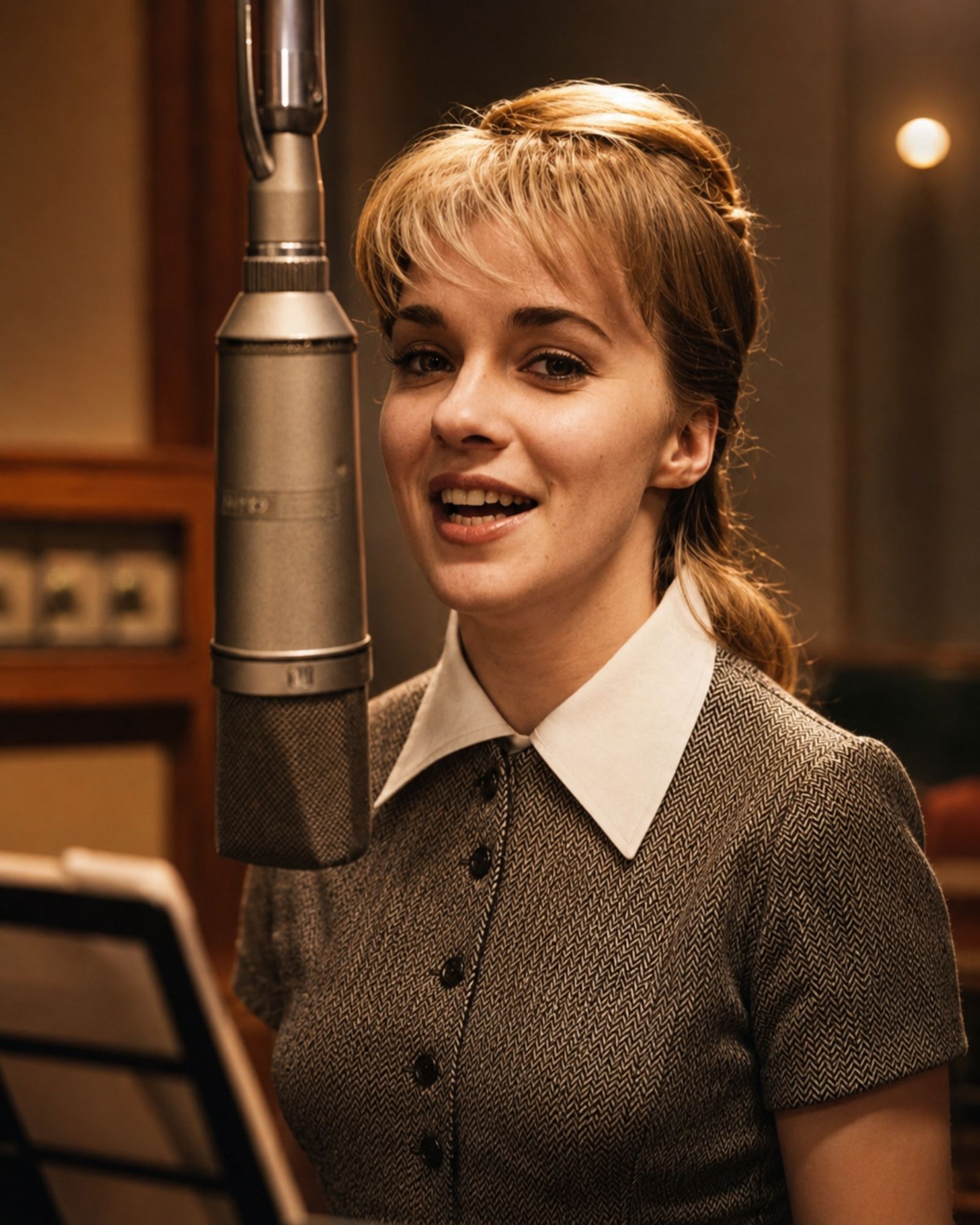
How Connie Smith Went From a Young Ohio Housewife to a Record-Breaking Country Star
Connie Smith did not arrive in Nashville as a polished insider with powerful connections and a long list of industry supporters. In 1963, she was a young Ohio housewife, living an ordinary life on the surface and carrying an extraordinary voice beneath it. Music was not just a dream to her; it was a way to breathe. When life felt small, country songs made the world feel larger.
Like many young women of her generation, Connie Smith grew up listening closely to the voices that shaped country music. Kitty Wells and Jean Shepard were more than performers to her. They were proof that a woman could stand behind a microphone and tell the truth in a song. The Grand Ole Opry coming through the radio felt like a distant invitation, even if it seemed like an invitation meant for someone else.
Then came the moment that changed everything.
The Talent Contest That Started It All
Near Columbus, Ohio, Connie Smith entered a talent contest and chose to sing Jean Shepard’s “I Thought of You.” It was the kind of performance that could have passed unnoticed in a crowded room, except that Bill Anderson was there. He heard something that did not sound manufactured or rehearsed for the moment. He heard a voice that was clear, aching, and deeply assured, even though the singer herself was still unknown.
Sometimes a career begins with one song and one person in the audience who truly listens.
Bill Anderson recognized that Connie Smith had something rare. Her voice carried emotion without forcing it. It was strong without sounding heavy. It was young, but it already seemed to understand heartbreak. That combination made people stop and pay attention.
Anderson helped open the door to RCA, and that was only the beginning. The next step would become one of the most important moments in country music history.
The Recording of “Once a Day”
On July 16, 1964, Connie Smith walked into RCA Studio B in Nashville and recorded “Once a Day.” The song had the kind of simple title that can hide its power. It was not flashy. It did not try too hard. It was steady, honest, and unforgettable, just like the singer who brought it to life.
When the single was released in August, it began moving quickly. By November, it had reached No. 1 on the Billboard country chart. Then it stayed there for eight straight weeks. That was not just a strong debut. It was a statement.
Connie Smith had done what very few artists, especially female country artists, had ever done before. “Once a Day” became the first debut single by a female country artist to top the Billboard country chart. For nearly half a century, that record stood as a milestone in country music.
Why It Mattered So Much
Connie Smith’s breakthrough mattered because it showed that audiences were ready for a new kind of female presence in country music. She did not have to sound louder than everyone else. She did not have to imitate anyone. She simply had to sound like Connie Smith, and that was enough.
Her success also reflected something deeper about country music itself. The best country songs often come from real feeling, and Connie Smith had that in abundance. She sang like someone who had lived with the emotions in the song long before she ever entered the studio.
That is why “Once a Day” connected so powerfully. It felt personal without being small. It felt polished without losing its heart. And it introduced the world to a singer who could make sorrow sound beautiful and strength sound gentle.
A Voice Nashville Could Not Ignore
Connie Smith did not walk into Nashville as someone already chosen. She walked in as a woman with talent, timing, and the kind of voice that turns a room still. One talent contest changed the direction of her life. One respected listener believed in her. One debut single made history.
In the end, that was enough to change the story of women in country music. Connie Smith did not ask for permission to matter. She sang, and the industry had to catch up.
Her rise from Ohio housewife to record-setting country star remains one of the great stories in American music. It is a reminder that sometimes the future of a genre begins with a voice that sounds so honest, so unexpected, and so complete that nobody can afford to look away.
Post navigation
Johnny Cash first met June Carter backstage at the Grand Ole Opry in 1956, in a place where country music seemed to live and breathe in every hallway. She was already part of a legendary name. June Carter came from the Carter Family, the group that helped shape the sound and soul of country music long before many of its biggest stars arrived.
Johnny Cash was still building his own path then. He was young, rising fast, and carrying the rough edges of a life that would soon become as famous as his songs. June Carter was different from the picture he presented to the world, but somehow that was exactly why the moment mattered. It was not just a meeting. It was the beginning of a story that would stretch across decades, hardships, triumphs, and a kind of love that felt larger than ordinary life.
A Meeting That Changed Everything
At first, the connection was not just about attraction. It was about recognition. Johnny Cash saw something in June Carter that steadied him. June Carter saw the talent, intensity, and pain behind Johnny Cash’s public image. Their paths kept crossing, and over time, those crossings became something deeper.
In 1968, Johnny Cash and June Carter married. By then, the world knew they were more than two famous names sharing a stage. They had become a team. For thirty-five years, June Carter was the voice beside him, the hand that steadied him, and the woman he believed could still reach him when the dark places did. Their relationship was not polished or simple. It was real, shaped by pressure, devotion, and persistence.
They sang together, worked together, and lived through seasons that would have broken many couples. Yet Johnny Cash often seemed to speak of June Carter with a kind of gratitude that went beyond romance. She was a performer, yes, but she was also his anchor. In the middle of fame, struggle, and change, June Carter gave his life a sense of direction.
May 15, 2003
On May 15, 2003, June Carter died at the age of 73. For the world, it was the loss of a country music treasure. For Johnny Cash, it was the loss of the person who had stood closest to him for most of his adult life. Seven weeks later, he would step onto a small wooden stage tied forever to her family’s name: the Carter Family Fold in Hiltons, Virginia.
By then, Johnny Cash was fragile. He could barely see. His hands shook. The kind of strength that once powered his presence was now quiet and worn down by time. But he still came to sing. He still came because music had always been his way of speaking when words failed, and because this stage meant something he could not ignore.
“The spirit of June Carter overshadows me tonight.”
That line carried the weight of everything he had lost, and everything he was still trying to hold together. He did not need to explain what the crowd could already feel. The room understood that this was more than a performance. It was a farewell shaped by love, memory, and respect.
The Last Song He Gave the Crowd
Johnny Cash performed “Ring of Fire,” “Folsom Prison Blues,” and “I Walk the Line,” songs that had already become part of American music history. But there was something especially moving about hearing them on that stage, so close to the family of the woman who had carried him through so much of his life.
Then he ended with “Understand Your Man,” the last song he would ever perform for an audience. That moment was not loud or dramatic in the way people sometimes imagine final chapters. It was quieter than that. He was tired. He was grieving. He was still Johnny Cash. Still singing. Still present enough to offer one more gift to the people listening.
The date of his death, September 12, came later, when he was 71. But that last show at the Carter Family Fold had already become part of the ending. It was the final public thread in a story that began backstage at the Grand Ole Opry and closed on the stage of the family that helped build country music itself.
A Love Story Written in Music
Johnny Cash and June Carter did not just fall in love. They endured. They built a life that was messy, moving, and full of music. Their story is remembered because it was honest about struggle, but also because it showed how much one person can mean to another over the course of a lifetime.
He met her in the house of country music. He said goodbye from the house her family built. And in between those two stages, Johnny Cash and June Carter turned a difficult love into one of country music’s most unforgettable stories.
That is why people still return to this story. Not just for the famous names. Not just for the songs. But for the feeling that, even after everything else changes, one voice can still reach another across the years.