She Thought She Had Found Love — The Man She Trusted Shot Her Inside Their Home 4175

At twenty-six, Arrianna Miles believed she had found stability.
She believed she had chosen a man who chose her back, who came home at night, who shared a child and a future.
On November 17, 2025, that belief ended with a gunshot inside her own home in Gary, Indiana.
The night did not announce itself as dangerous.
Arguments, like many couples have, had become part of the rhythm between Arrianna and Charles LeFlore Franklin.
What no argument should ever become is a reason to kill.
Charles Franklin was also twenty-six.
He lived with Arrianna, shared a child with her, and occupied the same spaces where laughter and tension existed side by side.
Their home carried both hope and volatility.
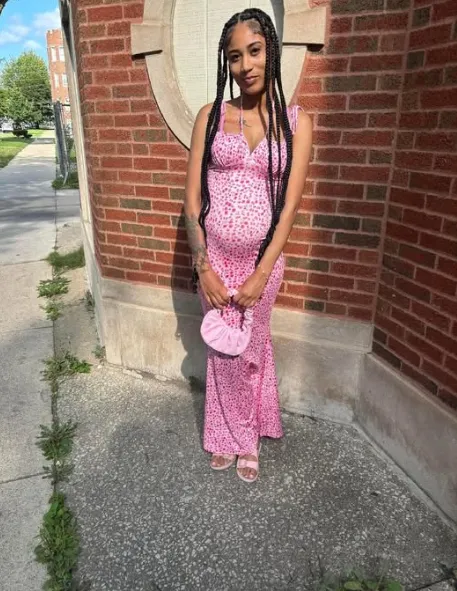
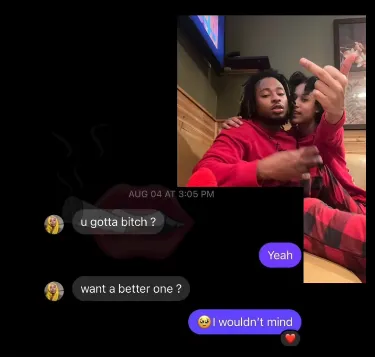
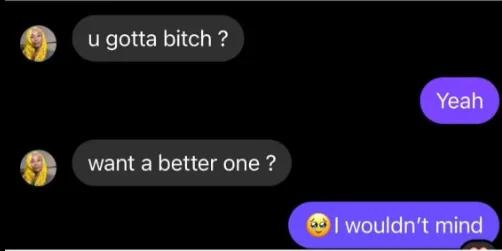
Friends later said Arrianna thought she had taken a good man from another woman.
That belief carried pride, insecurity, and a fragile sense of victory.
It never protected her.
Domestic arguments are often minimized from the outside.
People say things like “every couple fights” or “it’s complicated.”
But violence does not arrive suddenly—it escalates.
According to authorities, the conflict between Arrianna and Franklin had been ongoing.
Words sharpened, tempers flared, and resentment settled into the walls of their home.
Each unresolved fight moved them closer to disaster.

That night, the argument turned lethal.
Prosecutors allege Franklin retrieved a sawed-off shotgun that was inside the residence.
The weapon changed everything.
The shotgun was not meant for protection.
It was not stored responsibly.
It existed as a threat long before it was fired.
When the shot was fired, it ended Arrianna’s life instantly.
There was no second chance, no apology, no time to undo what had been done.
A young woman died where she had built her life.

Police arrived to a scene that was already beyond saving.
Arrianna Miles was pronounced dead.
Her name entered reports that would never capture who she truly was.
Franklin was taken into custody.
He did not leave the scene as an innocent man caught in chaos.
He left in handcuffs.
Authorities charged him with murder.
Additional charges followed, including unlawful possession of a firearm by a serious violent felon and domestic battery by means of a deadly weapon.
Each charge reflected a piece of the danger that had been ignored until it was fatal.

Prosecutors allege Franklin was prohibited from possessing a firearm.
Yet the sawed-off shotgun was in the home anyway.
Access met rage, and Arrianna paid the price.
For the child they shared, life fractured in an instant.
One parent gone forever.
The other facing decades in prison.
That child will grow up with questions that no one can answer cleanly.
Why did this happen.
Why wasn’t someone stopped.

Arrianna was more than a victim of domestic violence.
She was a daughter, a mother, a woman with plans that extended beyond the walls that killed her.
She deserved time.
Those who loved her remember her as warm and expressive.
She laughed loudly, cared deeply, and believed she could make things work.
Hope was both her strength and her vulnerability.
Believing in someone is not a crime.
Staying is not consent to harm.
Loving the wrong person should never carry a death sentence.
Domestic violence often hides behind familiarity.
It thrives in private spaces where outsiders do not see the escalation.
By the time it becomes public, it is often too late.
Investigators say the argument that night was not unique.
It was part of a pattern that had been building.
Patterns matter.
The presence of a sawed-off shotgun in the home magnified every argument.
Disputes that might have ended in slammed doors now carried lethal potential.
Weapons turn anger into endings.
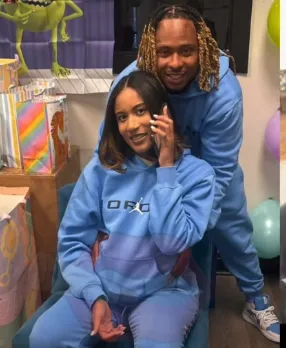
Franklin now faces decades behind bars if convicted.
The legal process will move slowly, deliberately.
Justice, however, will never feel complete.
No sentence restores Arrianna’s life.
No ruling erases the fear of her final moments.
Accountability is necessary, but it is not healing.
For Arrianna’s family, grief arrived without preparation.
They were forced to identify a body instead of planning a future.
Loss rewrote everything.

The community mourned a woman taken too soon.
They gathered with candles, words, and disbelief.
Another young life lost to domestic violence.
Too often, stories like Arrianna’s are framed around what she believed or tolerated.
What she should have seen.
What she should have left.
That framing misses the truth.
Responsibility belongs to the person who pulled the trigger.
Violence is a choice.
Arrianna did not die because she stayed.
She died because someone chose to kill.
That distinction matters.
Domestic violence rarely starts with weapons.
It starts with control, intimidation, and erosion of safety.
By the time guns appear, the danger is already severe.
Advocates point out that access to firearms dramatically increases the risk of homicide in domestic disputes.
Arrianna’s death reflects that reality.
Prevention requires intervention long before the final argument.
Her child will learn her name through stories.
Through photographs.
Through the grief of those who loved her.
Forever twenty-six is not a poetic phrase.
It is a theft of decades.
A life paused in time by violence.
Arrianna should have had birthdays beyond twenty-six.
More laughter.
More chances to start over.
She believed she had chosen love.
What she encountered was control armed with a weapon.
The difference cost her life.
As Franklin’s case moves through the courts, filings will grow thicker.
Charges will be debated, evidence presented.
Legal language will try to contain something irreparably human.
But outside the courtroom, the truth remains stark.
A woman is dead.
A child is without a mother.
Domestic violence does not stay private forever.
It ends in emergency rooms, cemeteries, and courtrooms.
Arrianna’s story is a warning written in loss.
Remember her not for the man who killed her.
Remember her for the life she lived and the future she deserved.
Say her name with care.
Arrianna Miles was twenty-six years old.
She believed in love.
She deserved to live.
Rest in peace, Arrianna.
Forever twenty-six.
Never forgotten.
Michael Landon and Merlin Olsen: A Friendship That Shaped “Little House on the Prairie” 251
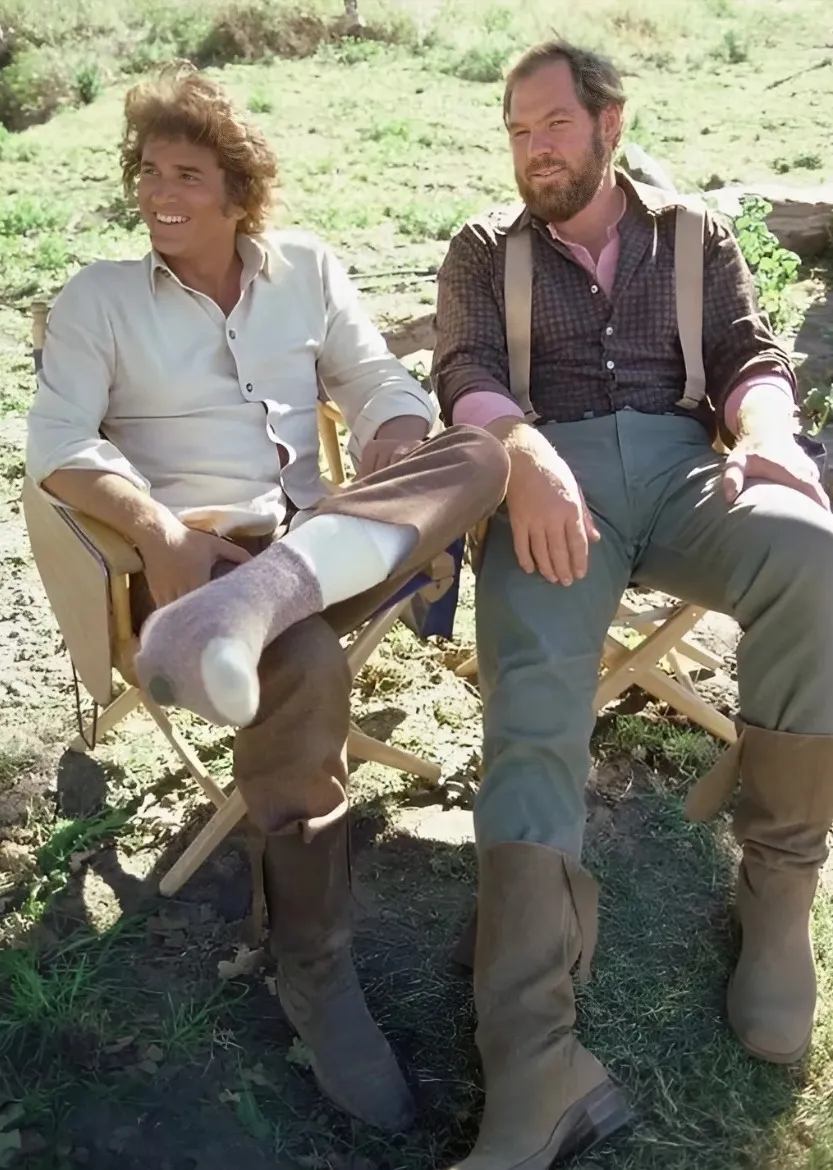

In the golden era of American television, few series captured the spirit of resilience, family, and community quite like Little House on the Prairie. Among its many memorable elements, the bond between Charles Ingalls, played by Michael Landon, and Jonathan Garvey, portrayed by Merlin Olsen, stood out as a cornerstone of the show’s emotional depth. Their partnership—both on and off screen—remains a treasured chapter in television history, blending fictional friendship with real-life camaraderie in a way that touched millions of viewers.
When Merlin Olsen joined the series as Jonathan Garvey, his arrival brought a new layer of warmth and authenticity to the storyline. Charles Ingalls had long been the steadfast heart of Walnut Grove, embodying compassion, resilience, and quiet strength. Garvey, a gentle yet determined farmer, became not only a neighbor but a trusted confidant. The two men often found themselves united in the face of hardship—whether it was rebuilding after a disaster, offering a helping hand to those in need, or standing together against injustice. Their friendship reflected the deep, unspoken loyalty that often defined relationships in small frontier communities.
The authenticity of Charles and Jonathan’s bond was no accident. Off screen, Landon and Olsen developed a genuine friendship that mirrored their characters’ connection. Michael Landon, already a veteran actor, producer, and director, was known for his work ethic and his sharp, playful sense of humor. Merlin Olsen, a former NFL star turned actor, brought a grounded humility and openness to the set. Together, they found common ground in their dedication to storytelling, their appreciation for good-natured humor, and their commitment to creating something meaningful for audiences.
Crew members and co-stars often noted that the pair’s natural chemistry wasn’t just good acting—it was the result of countless hours spent together, both in front of the camera and during breaks. They were known to brainstorm ideas, refine scenes, and find subtle ways to deepen their characters’ interactions. This collaborative spirit ensured that Charles and Jonathan’s friendship felt lived-in and real, not just scripted. It was this depth that made their scenes resonate so strongly with viewers, many of whom saw echoes of their own friendships in the two men’s exchanges.
Both actors were respected for their professionalism and their commitment to portraying authentic, relatable people. Landon’s vision for the show was grounded in themes of loyalty, love, and moral integrity, and Olsen’s portrayal of Jonathan Garvey fit seamlessly into that vision. Their mutual respect allowed them to bring nuance and sincerity to their performances, elevating the material beyond the typical television fare of the era.
Even after the series ended, the legacy of their partnership endured. Fans of Little House on the Prairie continue to recall moments when Charles and Jonathan worked side by side in the fields, comforted each other during times of loss, or shared a laugh despite the challenges of frontier life. Their friendship became a symbol of the unbreakable bonds that form when people face life’s hardships together.
Today, Michael Landon and Merlin Olsen are remembered not only for their contributions to one of television’s most beloved shows but also for the rare and genuine friendship that enriched their work. In an industry often marked by fleeting connections, theirs was a lasting bond—one that bridged the gap between fiction and reality, leaving a mark that time has not erased.
Their story is a reminder that sometimes the most enduring legacies come not just from the roles actors play, but from the relationships they build along the way—relationships that inspire both the characters we see on screen and the audiences who watch them.