She Never Made It to Her Own Baby Shower.6615
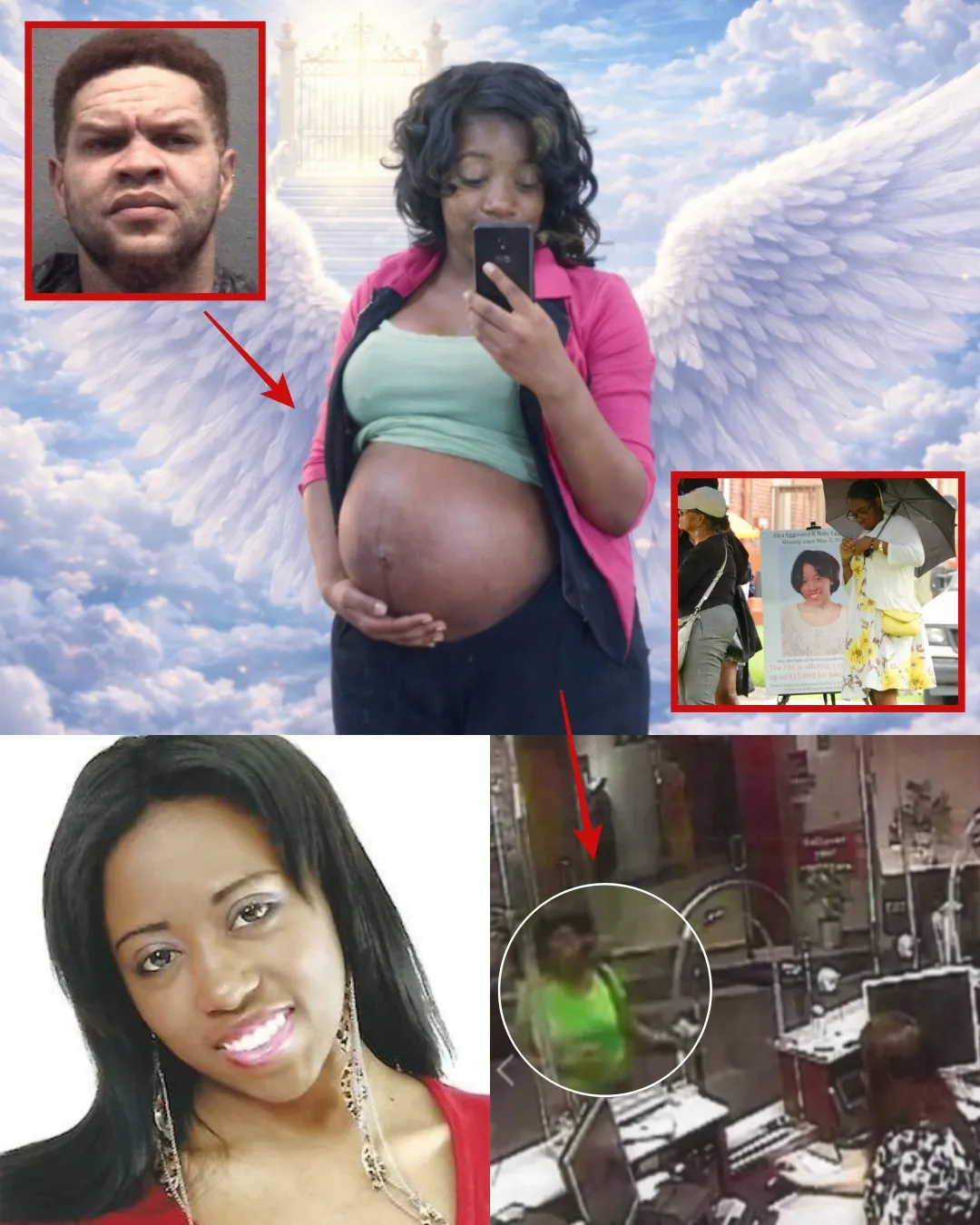
Cases we never hear about often begin in ordinary places. In shopping malls. In bank lobbies. In quiet apartments where someone is planning a future that never arrives.
Twenty-two-year-old Akia Eggleston was one month away from welcoming a baby boy when she disappeared. She had already picked out names. She had already imagined the weight of him in her arms.
On May 7, 2017, she was supposed to attend her own baby shower at a mall in Baltimore. Decorations were ready. Gifts were waiting.
Her family expected her to walk in glowing, maybe a little late, but smiling. Instead, she never showed up. Her phone went silent.
At first, there was confusion. Then there was fear. Then there was the slow realization that something was very wrong.
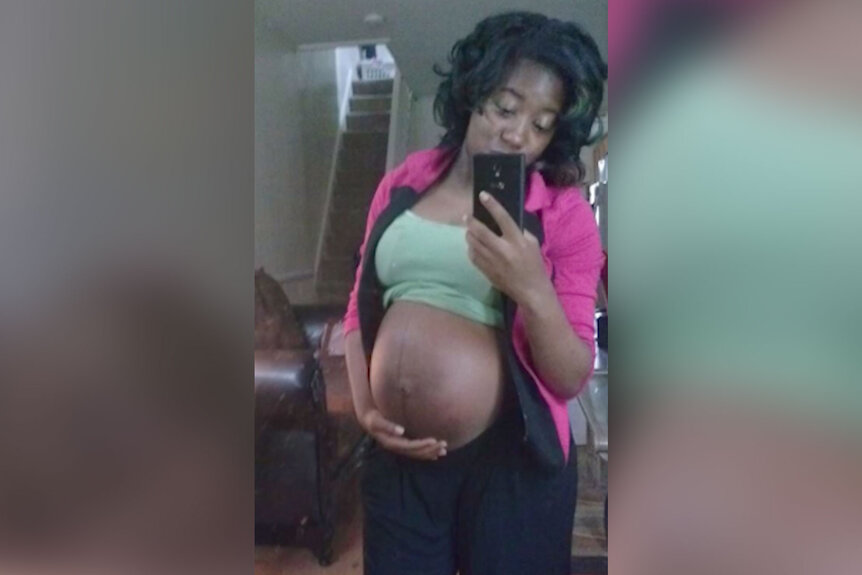
Akia was not the type to disappear without explanation. She was close to her family. She was excited about becoming a mother.
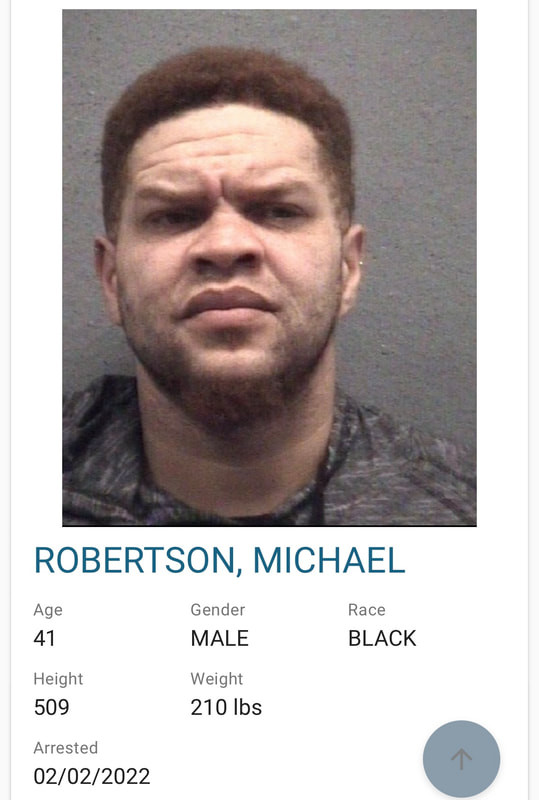
She had been preparing for a new chapter with the baby’s father, 35-year-old Michael Robertson. To outsiders, it looked like a complicated relationship.
Investigators would later describe it as something darker.
Robertson was involved in a love triangle. While Akia believed they were building a life together, he was maintaining another relationship behind the scenes.
He told her they would get an apartment. He told her they would start fresh. He let her believe she was stepping into stability.
On the afternoon of May 3, surveillance cameras inside a BB&T bank captured Akia withdrawing money. She was putting down a deposit on what she thought would be their new home.
She told friends she was beginning her new life with Michael. She sounded hopeful. She sounded ready.
After that day, she was never seen again.
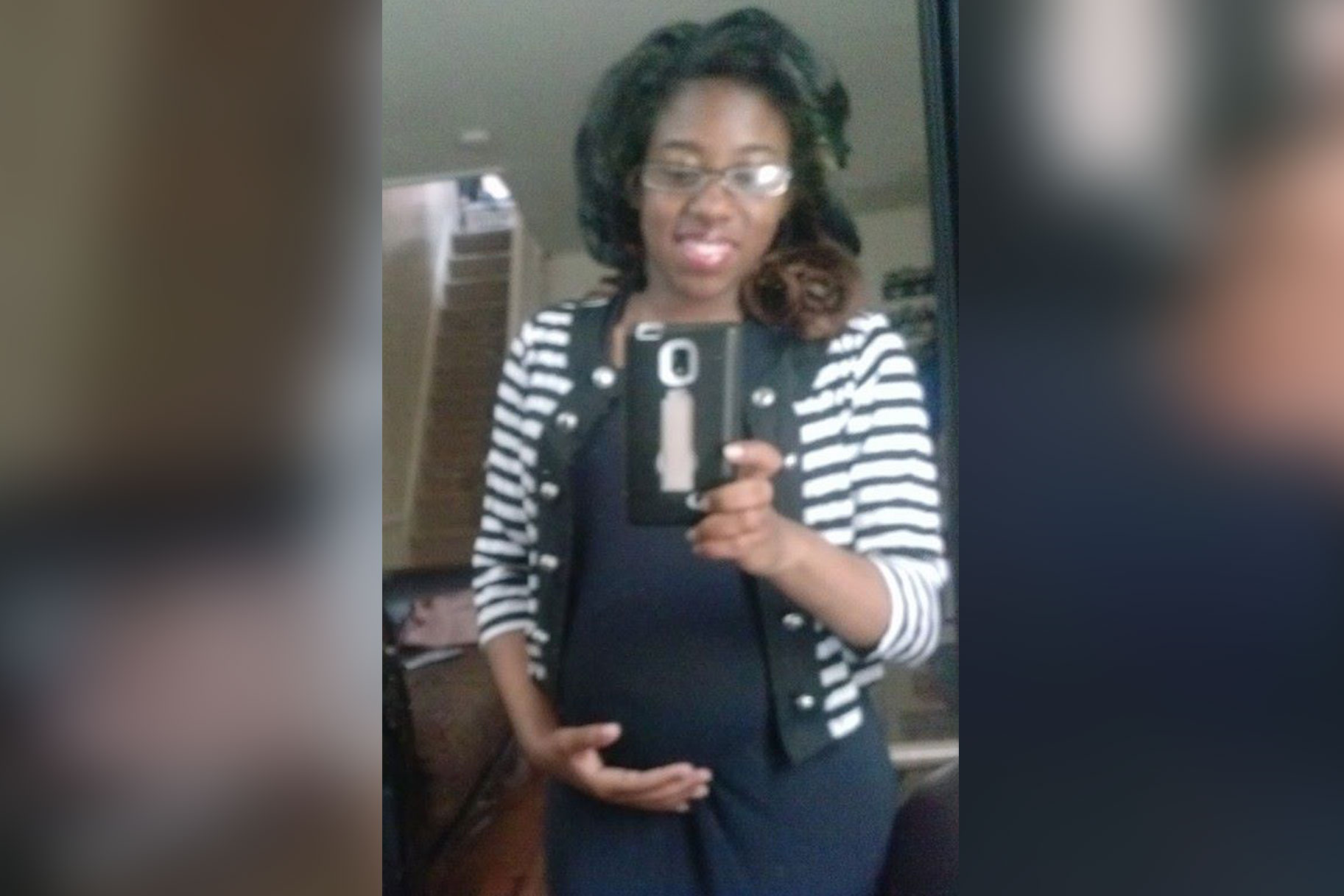
The silence that followed was immediate and absolute. No texts. No calls. No explanations.
Police began tracking digital footprints. They discovered that Akia’s phone and Michael’s phone had pinged in the same location.
That detail tightened the focus.
Detectives questioned Robertson extensively. Where was Akia. When had he last seen her. Why had her communications stopped.
He gave answers. Investigators found inconsistencies.
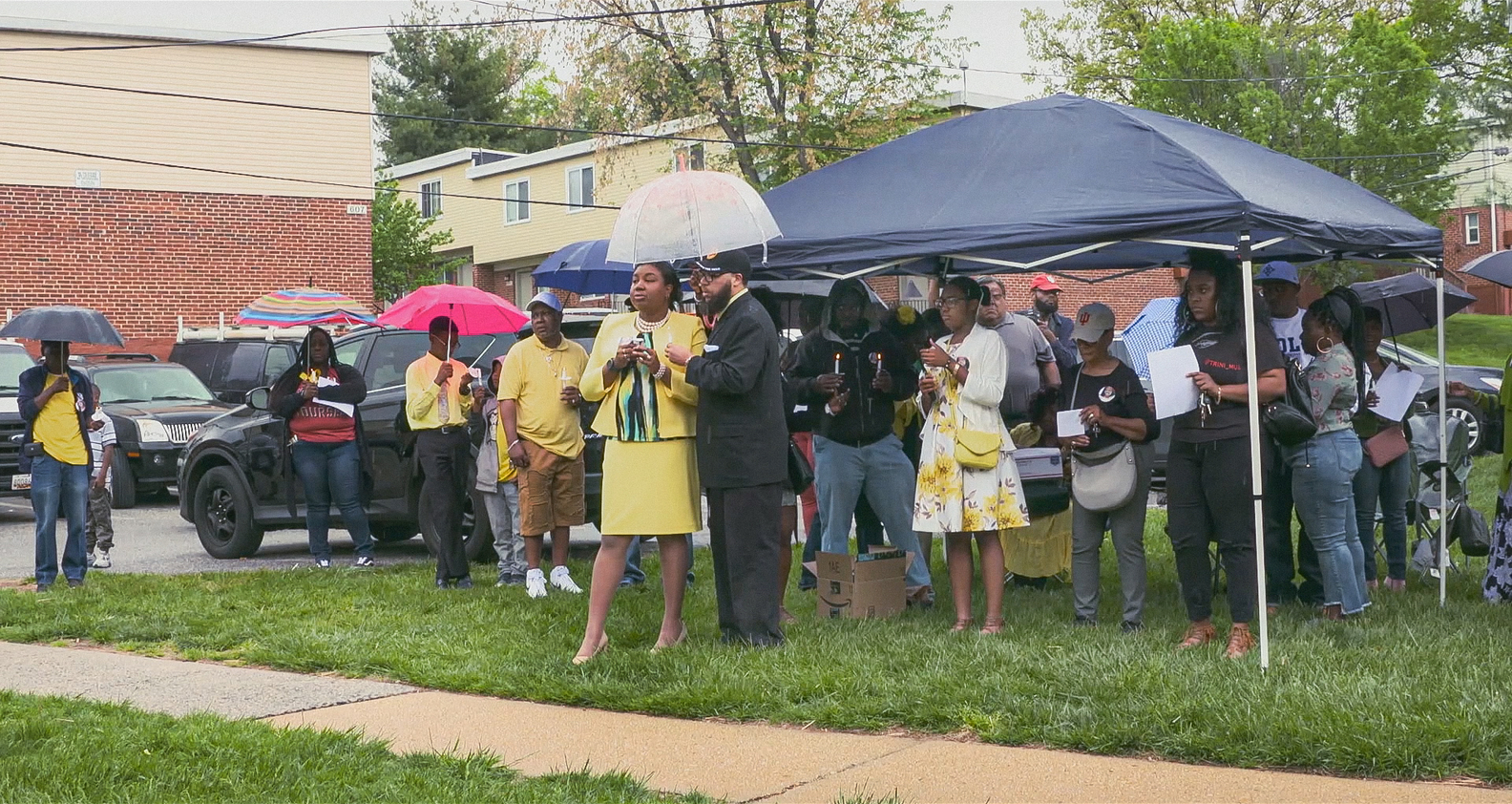
As days turned into weeks, the search intensified. Flyers were posted. Volunteers scanned areas across Baltimore.
But Akia did not come home.
Her family lived in suspended time. They kept her room as it was. They held onto the belief that she might still be alive.
Yet evidence was building in another direction.

Prosecutors would later argue that Robertson had no intention of starting a life with Akia. They would say the promise of an apartment was a lie.
They would suggest he saw the pregnancy not as a future, but as a problem.
Without a body, the case faced enormous challenges. No physical remains. No traditional crime scene closure.
But absence can speak. Silence can testify.
Investigators pieced together timelines. They studied cell phone data. They listened to witnesses who described Akia’s excitement and Robertson’s shifting behavior.
The love triangle added context. Motive often hides in complicated relationships.
Akia had believed she was chosen. She believed she and her unborn son were stepping into a shared future.
Instead, prosecutors argued, she stepped into a trap.
Even though her body was never located, authorities said the evidence pointed clearly in one direction. They believed Michael Robertson killed Akia and her unborn child.
The charge was not just for her death. It included the first-degree murder of a viable fetus.
That detail carried legal weight. It acknowledged the life she was carrying.
The trial unfolded with tension that only no-body homicide cases can carry. The courtroom became the place where absence was translated into argument.
Defense attorneys challenged assumptions. Prosecutors built a narrative from fragments.
Jurors listened. Twelve people tasked with measuring proof in the shadow of disappearance.
They heard about the bank withdrawal. They heard about the phone pings. They heard about the love triangle and the promises made.
They considered the timeline. They considered the silence that followed May 3.
And they reached a decision.
A 12-person jury found Michael Robertson guilty of the first-degree murder of Akia Eggleston. They also found him guilty of the first-degree murder of her viable fetus.
The judge handed down two consecutive life sentences.
Two lives. Two sentences.
Yet even after conviction, one fact remains unchanged.
Akia was never found.
There is a particular cruelty in that. Families of missing victims live with dual burdens. They grieve. And they search.
They mark anniversaries without graves. They speak to photographs instead of headstones.
Akia’s mother has spoken publicly about the ache of not knowing where her daughter rests. Closure is a word often used in courtrooms.
But closure requires something tangible.
In cases like Akia’s, justice and closure do not always arrive together.
The law can determine guilt. It can impose punishment. It cannot return remains.

It cannot answer every question about final moments.
Akia was 22 years old. She was weeks away from motherhood.
She had dreams that stretched beyond Baltimore. She had plans for nurseries and first birthdays and lullabies in the dark.
Those plans stopped on May 3, 2017.
When she missed her baby shower on May 7, hope still flickered. Perhaps she had car trouble. Perhaps her phone had died.
But hope dimmed quickly.
Cases like this rarely dominate headlines for long. They do not always have dramatic chases or shocking confessions.
They unfold slowly. They depend on data, patience, and persistence.
They rely on jurors willing to see absence as evidence.
Akia’s story is one of betrayal layered over anticipation. She was preparing for life.
Someone else, prosecutors argued, was preparing to end it.
Her unborn son never received the name she chose. He never felt sunlight.
Yet the court recognized his existence. The verdict acknowledged that two futures were erased.
Still, the map remains incomplete. Somewhere, there is ground that holds answers. Somewhere, there is a location that could bring her family a measure of peace.
Until that place is known, Akia’s story carries an unfinished edge.
Her disappearance is no longer a mystery in the eyes of the law. But physically, she remains missing.
That distinction matters.

It matters to families who wake up wondering where their loved one lies. It matters to communities who question how someone can vanish in daylight.
It matters because it reminds us that not all violence leaves visible scars.
Sometimes it leaves silence.
Akia Eggleston should have been celebrating her son’s first birthday in 2018. She should have been navigating sleepless nights and first smiles.
Instead, her name appears in databases of missing persons and homicide victims.
Her case stands as proof that conviction does not always equal recovery.
It stands as a warning about manipulation wrapped in promises.

It stands as a reminder that love triangles can hide lethal intentions.
Most of all, it stands as testimony that even without a body, a life can still demand justice.
Michael Robertson will spend his life behind bars. That is the legal ending.
But for Akia’s family, the emotional ending has not arrived.
They are still waiting.
Waiting for someone to speak. Waiting for land to be searched. Waiting for a discovery that transforms absence into location.
Until then, Akia remains both remembered and missing.
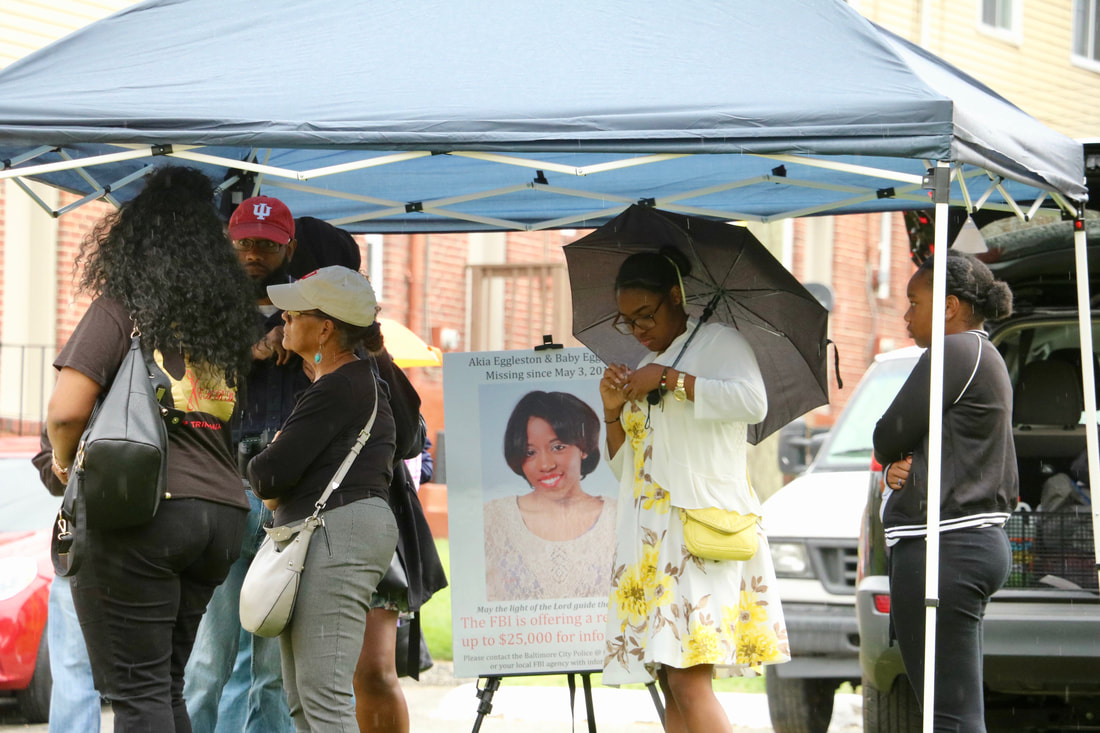
A 22-year-old mother-to-be who walked into a bank believing she was building a future.
A young woman who never made it to her own baby shower.
A name we should say out loud, because some cases fade too easily.
Akia Eggleston.
Gone.
But not forgotten.