ROY CLARK HAD ALREADY PLAYED FOR PRESIDENTS, PACKED THEATERS AND MILLIONS OF TELEVISION VIEWERS. BUT AT 76, HE STILL FELT HUMBLED JUST TO SEE HIS NAME BESIDE HIS HEROES. On May 17, 2009, Roy Clark entered the Country Music Hall of Fame. By then, he had spent four decades bringing country music into American homes through Hee Haw. He had performed in Las Vegas, guest-hosted The Tonight Show and carried country music into the Soviet Union during the Cold War. He could make an audience laugh, then silence the same room with a guitar or banjo. Yet when the Hall of Fame finally placed his name among the legends who had inspired him, Roy did not speak like a man reviewing his achievements. He spoke like the teenage boy who had once played beside his father for two dollars. Roy said the moving part was knowing that his name would now be spoken “right along with all the list.” After more than half a century of music, Roy Clark’s greatest honor was not standing above his heroes. It was finally standing beside them. – Country Music
Roy Clark and the Quiet Weight of a Great Honor
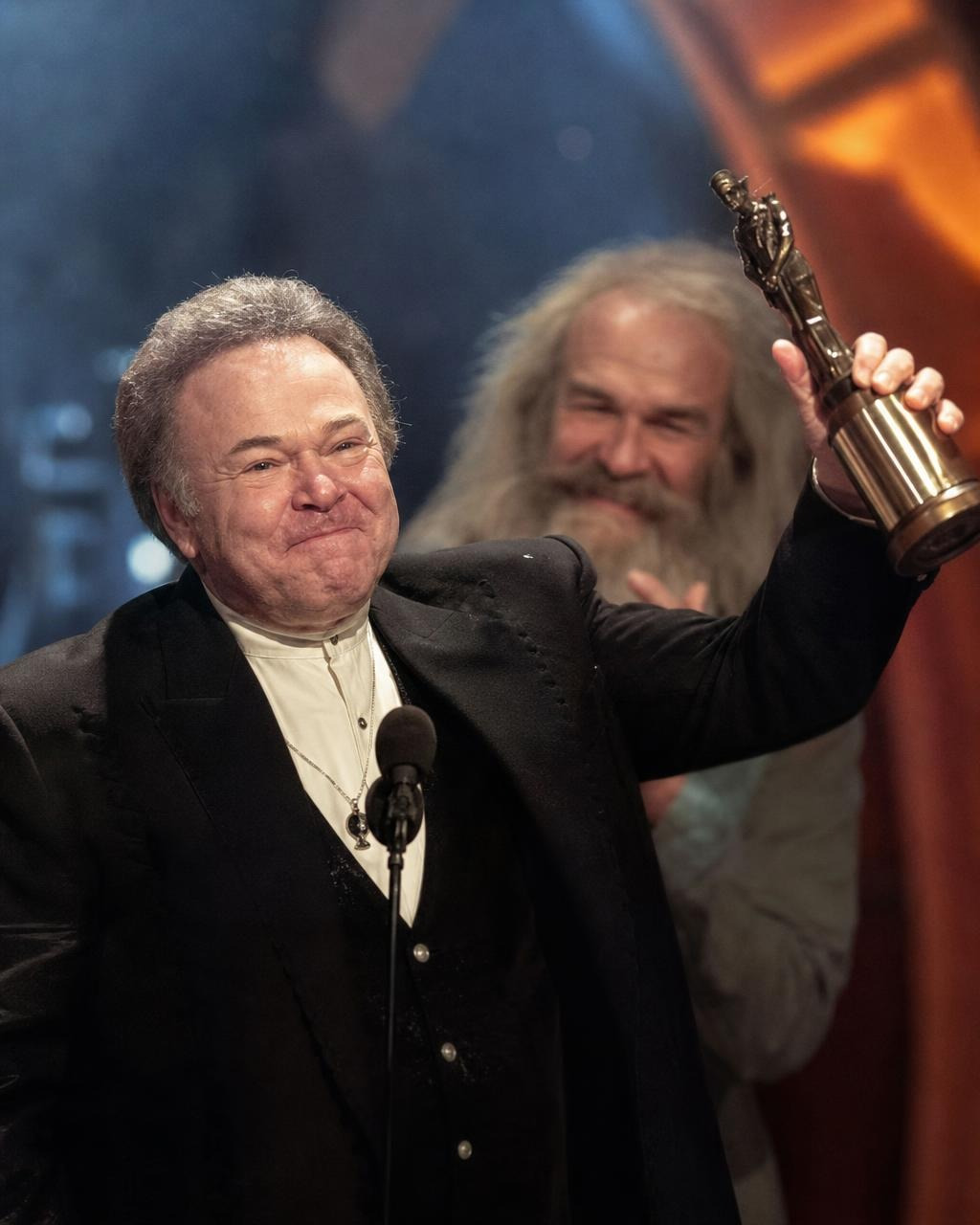
On May 17, 2009, Roy Clark entered the Country Music Hall of Fame, and the moment felt bigger than a career milestone. It felt like a homecoming. By then, Roy Clark had already spent decades turning country music into something millions of Americans could laugh with, sing along to, and remember with affection. He had become familiar in living rooms across the country through Hee Haw, shared the stage with major audiences in Las Vegas, and even served as a guest host on The Tonight Show. He was the kind of entertainer who could keep a room smiling, then suddenly quiet it with a guitar solo or a banjo run.
He had also carried country music far beyond the usual borders. As one of the first country artists to tour the Soviet Union, Roy Clark represented not just himself, but a sound that traveled with surprising force during a tense time in history. He was versatile, polished, and unmistakably his own person. But the most moving part of his Hall of Fame moment was not how far he had gone. It was how deeply he still understood where he had come from.
A Lifetime Built One Stage at a Time
Roy Clark was born in Meherrin, Virginia, on April 15, 1933, and music was part of his family life from the beginning. He learned guitar, fiddle, and banjo, often performing with his father when he was still a teenager. Long before national television and major honors, there were small jobs, local crowds, and the simple discipline of playing well enough to be invited back.
That early life mattered. It gave Roy Clark a kind of humility that never seemed to leave him, even after fame arrived. He understood the difference between applause and belonging. He understood that recognition can be loud, but gratitude is usually quiet.
Standing Beside the Names He Admired
When Roy Clark was inducted into the Country Music Hall of Fame, he did not sound like a man measuring his own success. He sounded like someone still amazed to be counted among the people who had shaped him. The emotional center of the moment was not pride alone, but reverence. Roy Clark reportedly spoke about how meaningful it was to see his name placed “right along with all the list,” a phrase that captured something simple and beautiful: after a lifetime of work, the honor was not about rising above his heroes. It was about joining them.
After more than half a century of music, Roy Clark’s greatest honor was not standing above his heroes. It was finally standing beside them.
The Legacy Behind the Smile
Roy Clark’s story has always been about range. He was funny, warm, technically brilliant, and accessible. He made country music feel welcoming without making it small. That is part of why his legacy still resonates: he brought artistry and ease together in a way that seemed effortless, though it was anything but.
For fans, the Hall of Fame induction confirmed what they already knew. Roy Clark had earned his place through talent, patience, and an artist’s instinct for connection. For Roy Clark himself, the night seemed to mean something even more personal. It was not just a trophy for the shelf. It was a hand reaching back through time, acknowledging the boy who once played beside his father for two dollars, and telling him he had made it home.
Post navigation
In country music, some songs feel like a conversation waiting to happen. Anita Cochran found one of those songs in the early 2000s and turned it into something extraordinary. “(I Wanna Hear) A Cheatin’ Song” was built as a duet with Conway Twitty, even though Conway Twitty had died years earlier, in 1993. The idea was bold, emotional, and unusual: Anita Cochran would sing against a voice that no longer existed in the present, but still lived on in old recordings.
The song began with Anita Cochran imagining how Conway Twitty might answer her in a duet. That image became the heart of the record. With permission from Conway Twitty’s family, Anita Cochran and her producers worked through recordings from Conway Twitty’s 1980s sessions, searching for the right fragments of sound. They isolated words, syllables, and short vocal pieces, then stitched them together into new lines that could fit the song.
It was not a simple remix. Some phrases were already complete in the archive. Others had to be carefully assembled from different performances, one piece at a time. The result was a technical and emotional puzzle, but the goal was always the same: to make Conway Twitty sound present in a way that honored his voice and style.
A Voice That Seemed to Return
Near the end of the song, Anita Cochran asks, “Can you help me, Conway?” The answer comes back in Conway Twitty’s familiar voice: “Yeah.” For listeners, that moment carried a strange thrill. It sounded as if Conway Twitty had walked back into the studio for one final performance, ready to respond exactly when called.
The duet was released in 2004 and reached No. 57 on Billboard’s country chart. For Conway Twitty, it marked his first appearance on that chart in more than a decade. For Anita Cochran, it was a career-defining reminder that country music can hold memory, imagination, and grief all at once.
What the Song Really Meant
Part of the appeal was novelty, but the deeper reason it worked was emotional honesty. Anita Cochran did not try to pretend that Conway Twitty was physically in the room. Instead, she used what was left behind: recorded phrases, a signature tone, and a voice many fans already carried in their heads. The song became a duet across time, built from respect as much as technology.
That is why the record still stands out. It was not just a clever studio trick. It was a careful act of musical reconstruction, one that let Conway Twitty sound alive again for a few minutes, even though he never knew the song existed. His voice had crossed 11 years of silence to sing words he had never spoken together, and in that brief space, the past felt close enough to touch.