NASHVILLE, JANUARY 1970. MARTY ROBBINS HAD JUST HAD HIS CHEST CUT OPEN. THE DOCTORS CALLED IT EXPERIMENTAL. HIS WIFE CALLED IT TERRIFYING. MARTY CALLED THE RECORD LABEL AND TOLD THEM THE SINGLE WAS READY TO GO. In August 1969, Marty suffered a massive heart attack while on tour in Ohio. He was transferred to St. Thomas Hospital in Nashville and given three to six months to live. He was 44 years old, at the peak of his career, and the music industry quietly began writing his obituary. On January 27, 1970, he underwent triple bypass surgery — one of the first patients in the country to receive that operation, at a time when the procedure was still considered experimental. Most men spent months in bed afterward. Marty spent that time finishing a song he had been writing for his wife Marizona — the woman who had sat in that hospital corridor and refused to leave. “My Woman, My Woman, My Wife” came out that same January. It went to #1. Three months after the surgery, he accepted the Academy of Country Music’s Man of the Decade award. The following year the song won the Grammy for Best Country Song. He never mentioned the surgery in his acceptance speech. Then, because this was Marty Robbins, he went back to racing NASCAR at 150 miles per hour. His doctors told him to stop. He told them he appreciated the concern. The song itself — what he actually wrote into those verses during the weeks between the heart attack and the operating table — carries something most listeners have never slowed down enough to notice. Read the lyrics knowing exactly when he wrote them, and the whole record changes meaning. Have you ever seen someone turn the worst moment of their life into the most beautiful thing they ever made? – Country Music
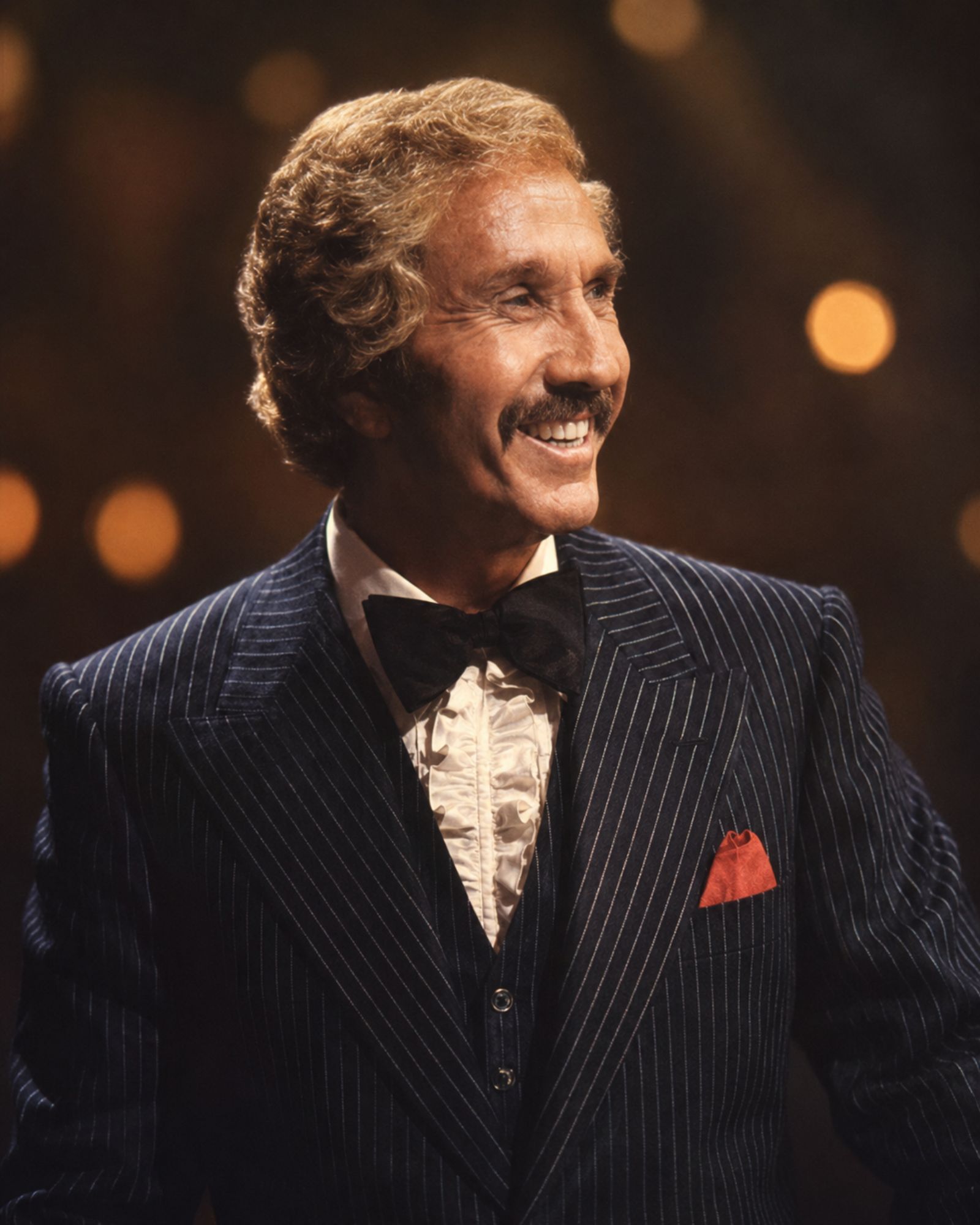
Nashville, January 1970: Marty Robbins, a Scar, and a Song That Changed Everything
In Nashville, January 1970, Marty Robbins was not supposed to be thinking about hit records. He was supposed to be recovering, resting, and doing exactly what doctors told him to do after his chest had been cut open in one of the most serious operations of the era. The procedure was called experimental. The room around him was filled with caution, quiet voices, and the kind of fear that settles in when everyone knows the stakes are high.
His wife, Marizona, called it terrifying. Marty Robbins called the record label and told them the single was ready to go.
That was Marty Robbins in a nutshell: stubborn, confident, and somehow always moving forward, even when his body was asking him to stop. Just months earlier, in August 1969, he had suffered a massive heart attack while touring in Ohio. He was rushed to St. Thomas Hospital in Nashville and given only three to six months to live. He was 44 years old, at the peak of his career, and the music business quietly began preparing for the worst.
But Marty Robbins did not live like a man reading his own obituary. He lived like a man who had too much music left in him.
The Long Hospital Winter
By the time he underwent triple bypass surgery on January 27, 1970, he was one of the first patients in the country to receive the operation. At that time, the surgery was still considered experimental, and recovery was supposed to be slow, careful, and limited. Most men would have spent months in bed afterward, listening to doctors, nurses, and worried family members tell them not to push too hard.
Marty Robbins did not seem interested in becoming a patient in the usual sense.
While he was still healing, he kept working on a song he had been writing for Marizona, the woman who had stayed in that hospital corridor and refused to leave. She was there through the fear, through the waiting, through the hard silence that follows bad medical news. That kind of loyalty has a way of changing a person’s voice, and it clearly changed Marty Robbins’s too.
The song was “My Woman, My Woman, My Wife.” It was not just a love song. It sounded like a man looking at life after nearly losing it, speaking with gratitude that had been earned the hard way. When Marty Robbins recorded it, he was not singing as a man on top of the world. He was singing as a man who had stood at the edge of it and come back.
A Single, a Number One Hit, and a Quiet Triumph
That same January, “My Woman, My Woman, My Wife” was released as a single. It went to No. 1. The timing was almost unbelievable. A man recovering from major heart surgery, still in the shadow of a near-death experience, had just delivered one of the most heartfelt songs of his career.
Three months later, Marty Robbins accepted the Academy of Country Music’s Man of the Decade award. The following year, the song won the Grammy for Best Country Song. Through all of it, he never mentioned the surgery in his acceptance speech.
That detail matters. Marty Robbins did not turn every moment into a confession. He did not stand on stage and ask for pity. Instead, he let the work speak. The song carried the story. The performance carried the pain. The audience heard the beauty, even if they did not yet know the full cost behind it.
“My Woman, My Woman, My Wife” sounds different when you know it was written in the narrow space between a heart attack and a life-saving operation.
Back to the Track
And then, because this was Marty Robbins, he went back to racing NASCAR at 150 miles per hour. His doctors told him to stop. He told them he appreciated the concern.
It would be easy to make that sound like a joke, but it really was part of his character. Marty Robbins loved speed, risk, and performance in every form. He was a hitmaker, a showman, and a man who never seemed fully willing to slow down for long. Even after his heart had forced him to face his own mortality, he still seemed determined to live on his terms.
That is what makes this chapter in his life so unforgettable. It is not only about survival. It is about transformation. The fear did not disappear, but it became something useful. The pain did not silence him, but it deepened the song. The operation did not end the story, but it gave him a new one to sing.
Why the Song Still Hits So Hard
Listen closely to the lyrics of “My Woman, My Woman, My Wife,” and the meaning shifts. The tenderness feels heavier. The gratitude feels urgent. The devotion feels less like a polished country ballad and more like a message sent from the edge of disaster.
That is the part many listeners miss when they hear the record casually. They hear a beautiful song. What they may not hear is the moment it came from: the heart attack in Ohio, the hospital in Nashville, the experimental surgery, the waiting wife, and the artist who refused to let fear have the final word.
Marty Robbins turned one of the most frightening moments of his life into one of the most beautiful things he ever made. That is not just talent. That is courage with melody attached.
And maybe that is why the story still matters. Not because it is dramatic, though it is. Not because it is famous, though it is. It matters because it reminds us that some of the most lasting art is born when a person decides that survival alone is not enough. They want to say something true. They want to leave behind love, not just memory.
Marty Robbins did exactly that.
Have you ever seen someone turn the worst moment of their life into the most beautiful thing they ever made?
Post navigation
For decades, people looked at Loretta Lynn’s marriage to Oliver “Doolittle” Lynn and came to the same conclusion: she should have left him years earlier. He drank. He cheated. The fighting was intense. From the outside, the story looked simple, and many fans felt sure they knew exactly who the victim was.
But Loretta Lynn’s life was never simple, and neither was her marriage.
The more people learned about her story, the more complicated it became. Some called her loyalty powerful. Others called it painful. Still others saw it as a mistake she refused to admit. Yet Loretta Lynn never spoke as if her marriage could be reduced to a neat lesson. She understood that love and disappointment can live in the same house for a very long time.
The Man Who Saw Her First
Before the awards, before the chart-topping songs, before the world knew her name, Doolittle Lynn believed in Loretta Lynn in a way that changed everything. He encouraged her to sing. He bought her first guitar. He pushed her to perform even when she doubted herself. In many ways, he was the first person to treat her dreams like they mattered.
That part of the story is often overlooked because it does not fit the clean, public version of a troubled marriage. People prefer easy roles: hero, villain, victim. But real life rarely works that way. Loretta Lynn did not fall in love with a symbol. She married a real man, with strengths and flaws, tenderness and damage, support and chaos.
He helped open the door to her future. At the same time, he became part of the pain she would sing about for the rest of her life.
A Marriage That Became Public Material
Loretta Lynn never hid the truth in her music. If a song needed to talk about cheating, drinking, jealousy, or heartbreak, she sang it plainly. That honesty made her one of country music’s most trusted voices, but it also made some people uncomfortable. She did not decorate her life to make it look better than it was.
She sang about the kind of marriage that did not stay neat and polite. She sang about the kind of home where love could be fierce and wounded at the same time. For listeners, that honesty was part of her power. For critics, it was sometimes hard to hear because it refused to offer a simple ending.
Many people wanted Loretta Lynn to explain why she stayed. They wanted a confession, or a breakup story, or a moment where everything made sense. Instead, she gave them songs. She gave them truth in fragments, and those fragments sounded a lot like real life.
The same relationship that brought sorrow also helped shape the woman who became a legend.
What Outsiders Could Not See
It is easy to judge a marriage from a distance. It is harder to understand what keeps two people tied together through years of struggle. History, family, ambition, affection, habit, forgiveness, resentment, and shared survival can all sit inside one relationship at the same time.
Loretta Lynn did not stay because nothing was wrong. She stayed while knowing very well that something was wrong. That difference matters.
She also stayed in a world where women, especially women from humble backgrounds, were often expected to endure more than they were encouraged to explain. Loretta Lynn built a life in public, but the most personal parts of that life were never fully public at all. What people saw was only the surface of a much longer story.
The Price and the Prize
There is no honest way to tell Loretta Lynn’s story without admitting the cost. Doolittle Lynn hurt her, and those wounds were real. But there is also no honest way to tell it without admitting that he played a major role in the beginning of her career. Both truths can exist together.
That is what makes her story endure. It forces people to think beyond easy answers. Loretta Lynn did not fit the mold of a woman who simply walked away, and she did not fit the mold of a woman who was blindly broken by love either. She was something far more human: determined, conflicted, loyal, hurt, ambitious, and impossible to flatten into a slogan.
In the end, the question is not only why Loretta Lynn stayed. The deeper question is what it means to love someone who helped build your dream while also breaking your heart. Loretta Lynn lived inside that contradiction, and she turned it into music that millions of people understood.
So was Loretta Lynn’s loyalty a weakness, or did she understand something about love, pain, and ambition that outsiders never could? Maybe the real answer is that she understood all of it at once. And that is why her story still feels so powerful today.