Murder in Front of a Child: The Chilling Crime That Shocked San Francisco 4238
The verdict arrived quietly, but the facts behind it were anything but.
A San Francisco jury last week found a twenty-seven-year-old man guilty of killing his own father and stepmother, a crime carried out not only with a gun, but with deliberate intent, a camera phone, and an audience watching in real time.
The man was Irvin Hernandez-Flores.
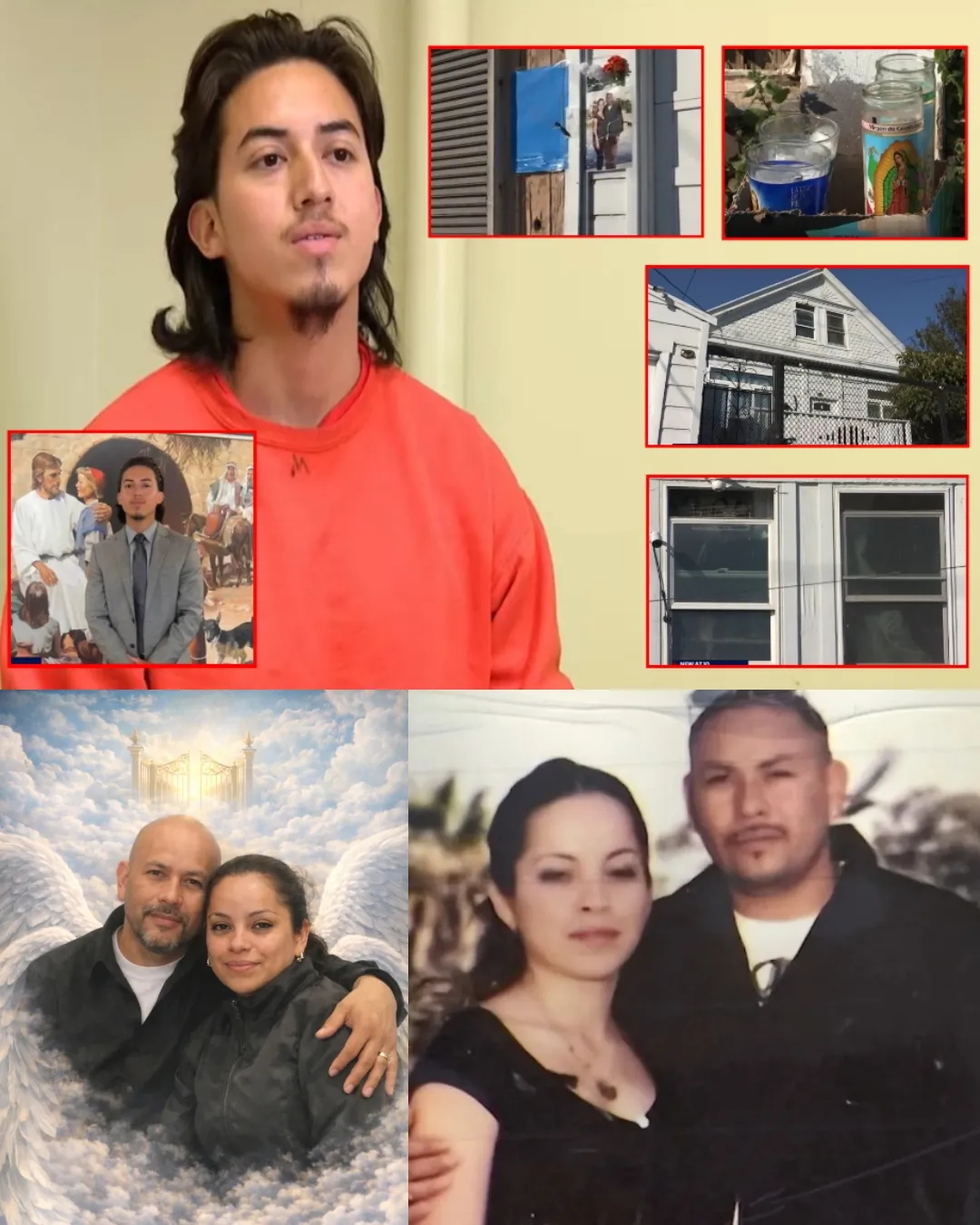
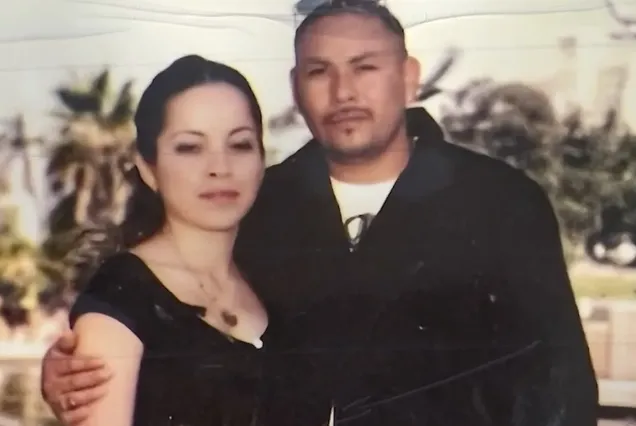
The victims were his father, Jose Hernandez, and his stepmother, Yesenia Soto.
Both were killed inside their own home.
Both died while their eleven-year-old daughter watched in horror.
Last week, a jury in San Francisco convicted Hernandez-Flores on two counts of second-degree murder, each with an enhancement for using a firearm that caused death, according to the San Francisco District Attorney’s Office
.
“This horrific crime left a young woman without her parents and rocked a community,” said Brooke Jenkins following the verdict.
“Our homicide unit works tirelessly each and every day to bring justice and accountability in these cases, and this verdict affirms that our continued efforts yield the results that our victims deserve.”
The crime itself unfolded in the quietest hours of the night.
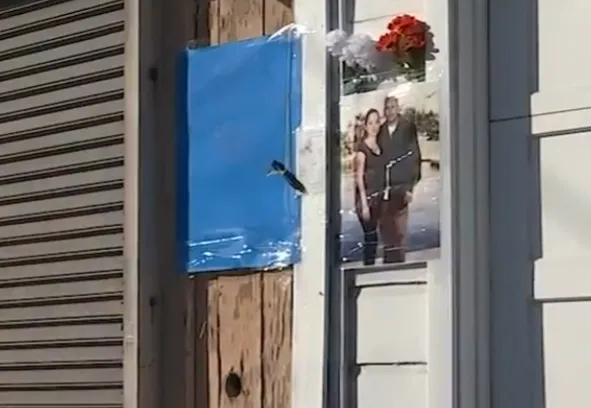
At approximately 2:20 a.m. on August 13, 2022, Hernandez-Flores drove to his father and stepmother’s home in the 1100 block of Ingerson Avenue, near Jennings Street.
According to prosecutors, he did not knock.
He did not call.
Instead, the former U.S. Marine scaled the couple’s locked security fence, forced his way inside, and entered their bedroom while they were sleeping.
What followed was swift and devastating.
Hernandez-Flores shot his father five times.
When he turned the gun on his stepmother, he fired six more shots.
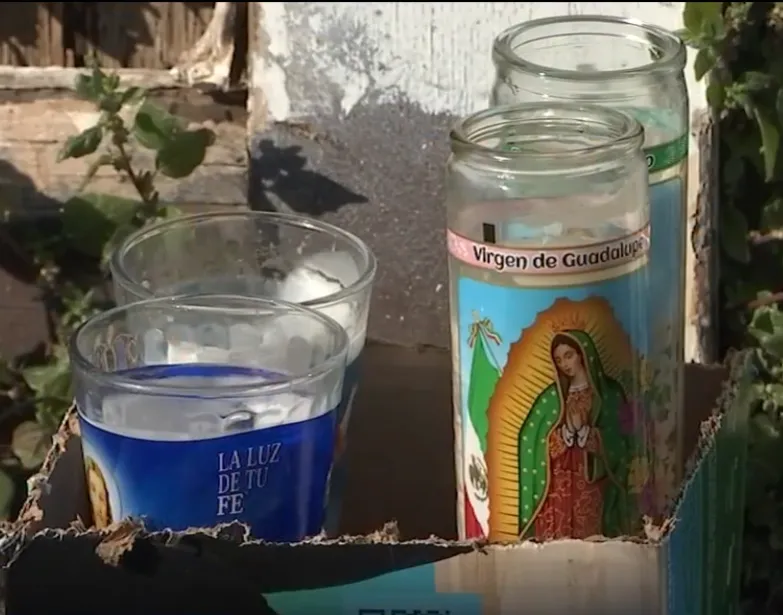
Jose Hernandez was pronounced dead at the scene.
Yesenia Soto was rushed to a local hospital, where she clung to life for hours before succumbing to her injuries the following day.
Both killings happened in front of the couple’s eleven-year-old daughter.
A child who should have been asleep, safe, unaware of the violence about to tear her life apart.
Instead, she watched her parents die.
Authorities say the horror did not end with the gunfire.
After shooting both victims, Hernandez-Flores took out his phone and began livestreaming the aftermath to social media.
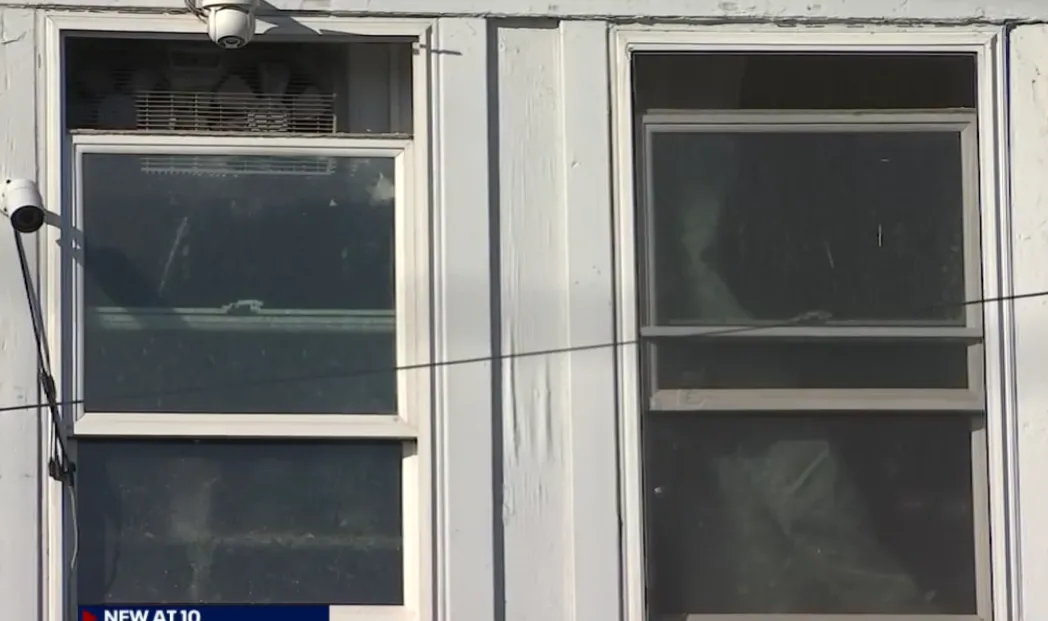
“In this video, the defendant appears proud and happy with himself,” said
Randy Quezada , “all while you can clearly see his father lying in a pool of blood, and his stepmother slowly dying from her multiple gunshot wounds.”
“These were crimes that were clearly premeditated.”
The idea that the killings were broadcast, not hidden, added a chilling dimension to the case.
This was not panic.
It was performance.
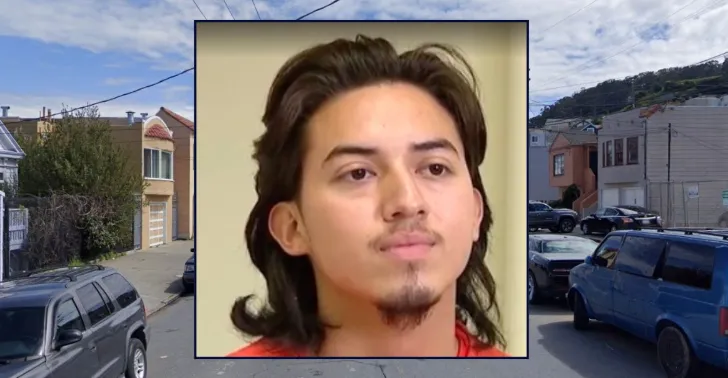
In a later jailhouse interview with KTVU
, Hernandez-Flores claimed he had been heavily intoxicated at the time of the murders and did not remember much of that night.
But parts of his account contradicted that claim.
He recalled entering the bedroom while the couple slept.
He remembered his father waking up and charging at him.
“Once I emptied the clip, I turned on the lights and I see him on the floor,” Hernandez-Flores said.
“I see his suffering and then I stopped his suffering.”
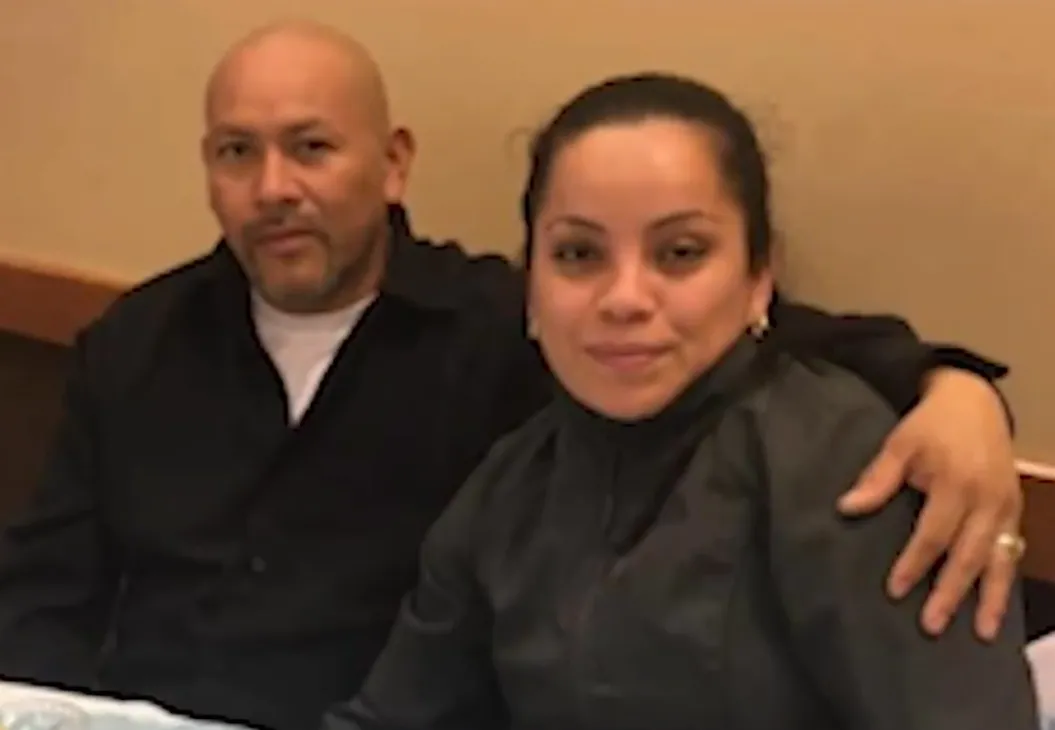
When the reporter asked if he shot his father again, his answer was direct.
“Yes, ma’am.”
He said he did not remember much of what he said during the livestream, suggesting it may have been his way of saying “goodbye” to his family.
But prosecutors argued the video showed something else entirely.
Pride.
Awareness.
Control.
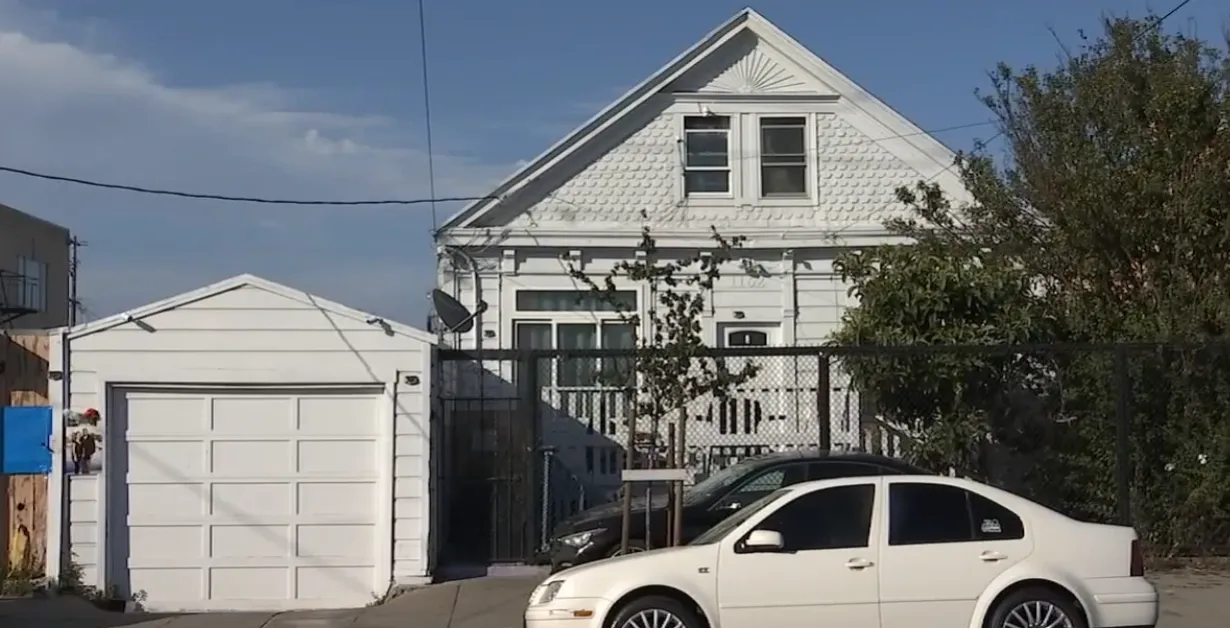
After the killings, Hernandez-Flores said the child was so traumatized by what she had witnessed that she did not even cry.
He claimed he had to help her call 911.
“No child should have to witness the murder of her parents like the victim did in this tragic case,” said John Roman
.
That reality sat at the center of the trial.
Not only two lives lost, but a childhood destroyed in a single night.
Prosecutors emphasized that this was not an impulsive act.
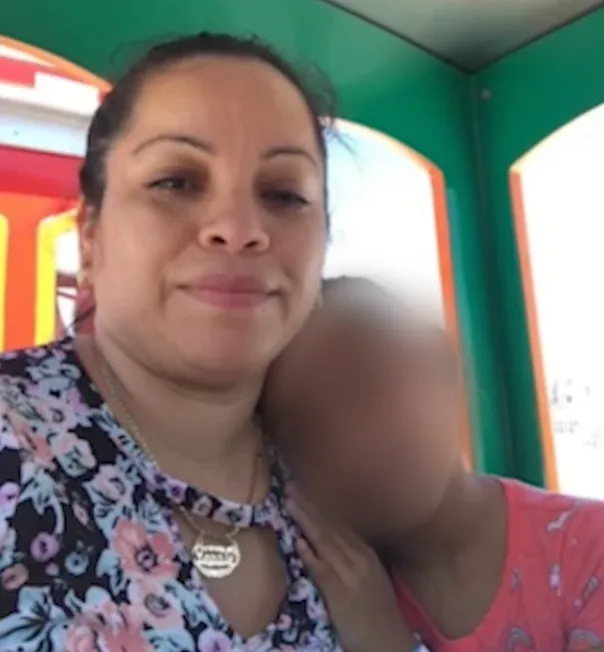
They argued it was planned, deliberate, and carried out with full awareness of its consequences.
The jury agreed.
Second-degree murder convictions carry significant prison time, and sentencing will ensure Hernandez-Flores spends decades behind bars.
But no number of years can restore what was taken from that home on Ingerson Avenue.
Jose Hernandez and Yesenia Soto will never return.
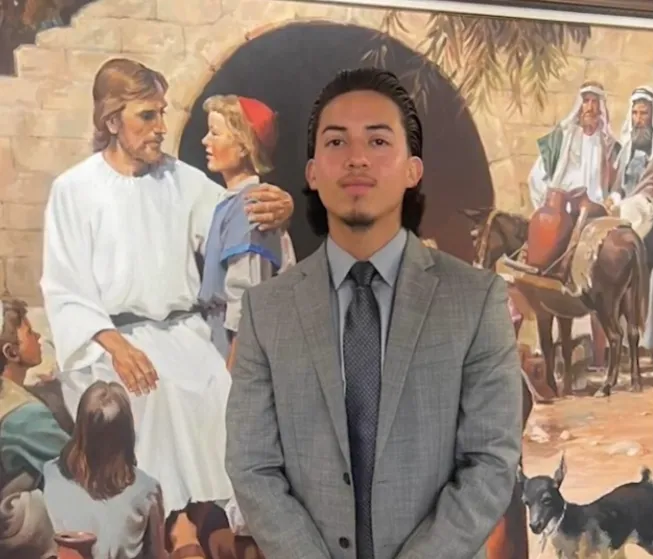
Their daughter will grow up without her parents, carrying memories no child should ever have to hold.
The case has sparked renewed discussion about violence within families, about the role of social media in modern crimes, and about the lasting trauma inflicted on children who survive scenes meant to be unimaginable.
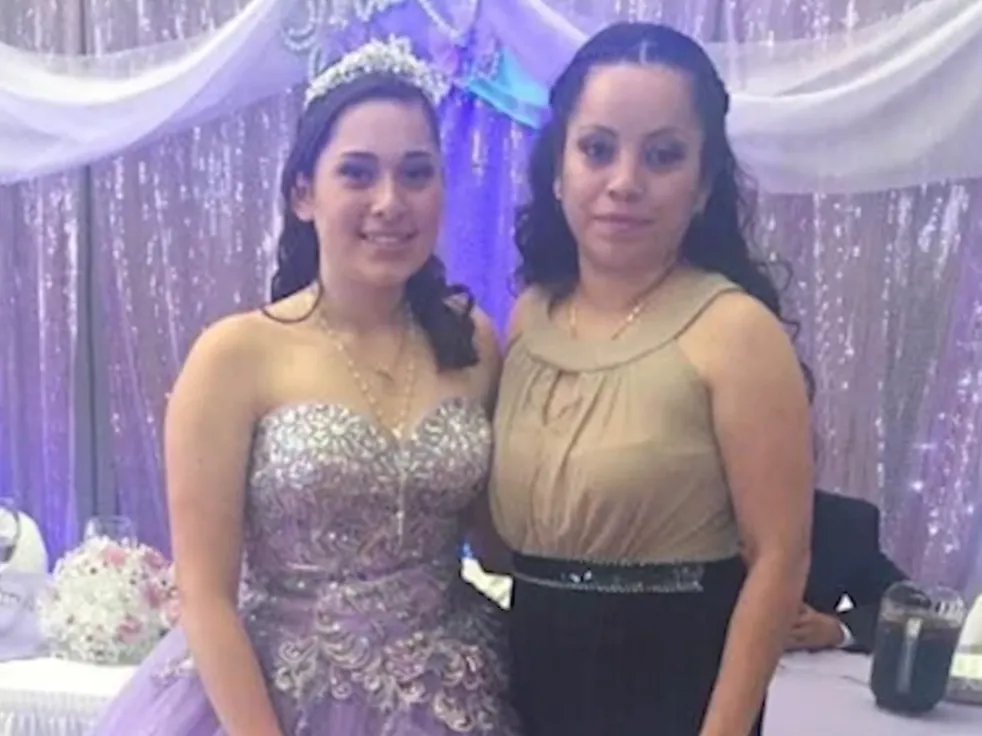
This was not just a double homicide.
It was a rupture that extended far beyond the victims.
A father and stepmother were killed.
A daughter was forced to witness it.
A crime was turned into a broadcast.
And a jury was left to say, clearly and unanimously, that accountability still matters.
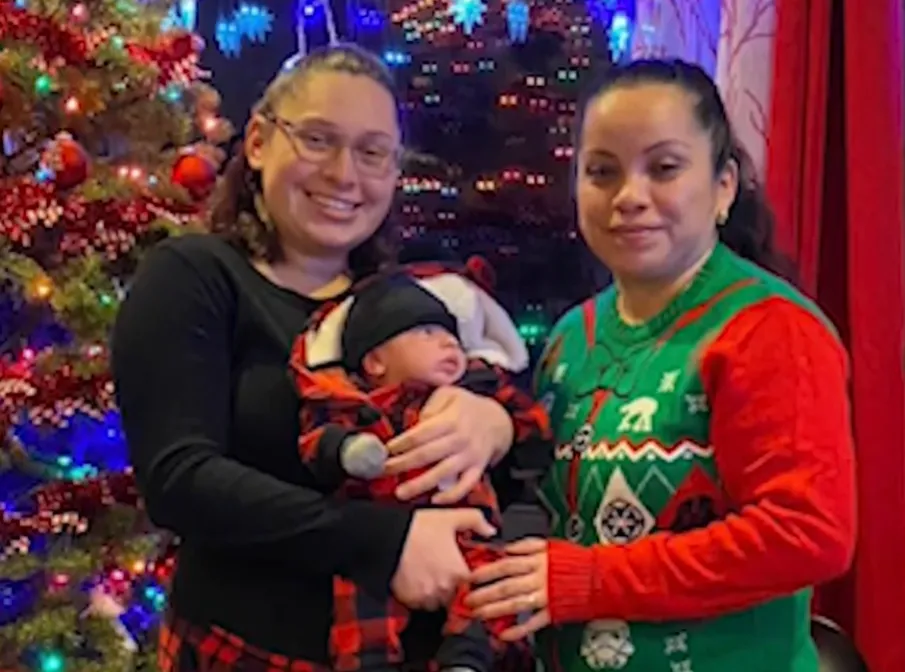
Justice, in this case, came through a verdict.
But healing, for the child left behind, will take a lifetime.
Parents Lock Child in Dog Cage for Attack: A Heartbreaking and Preventable Death 3263c
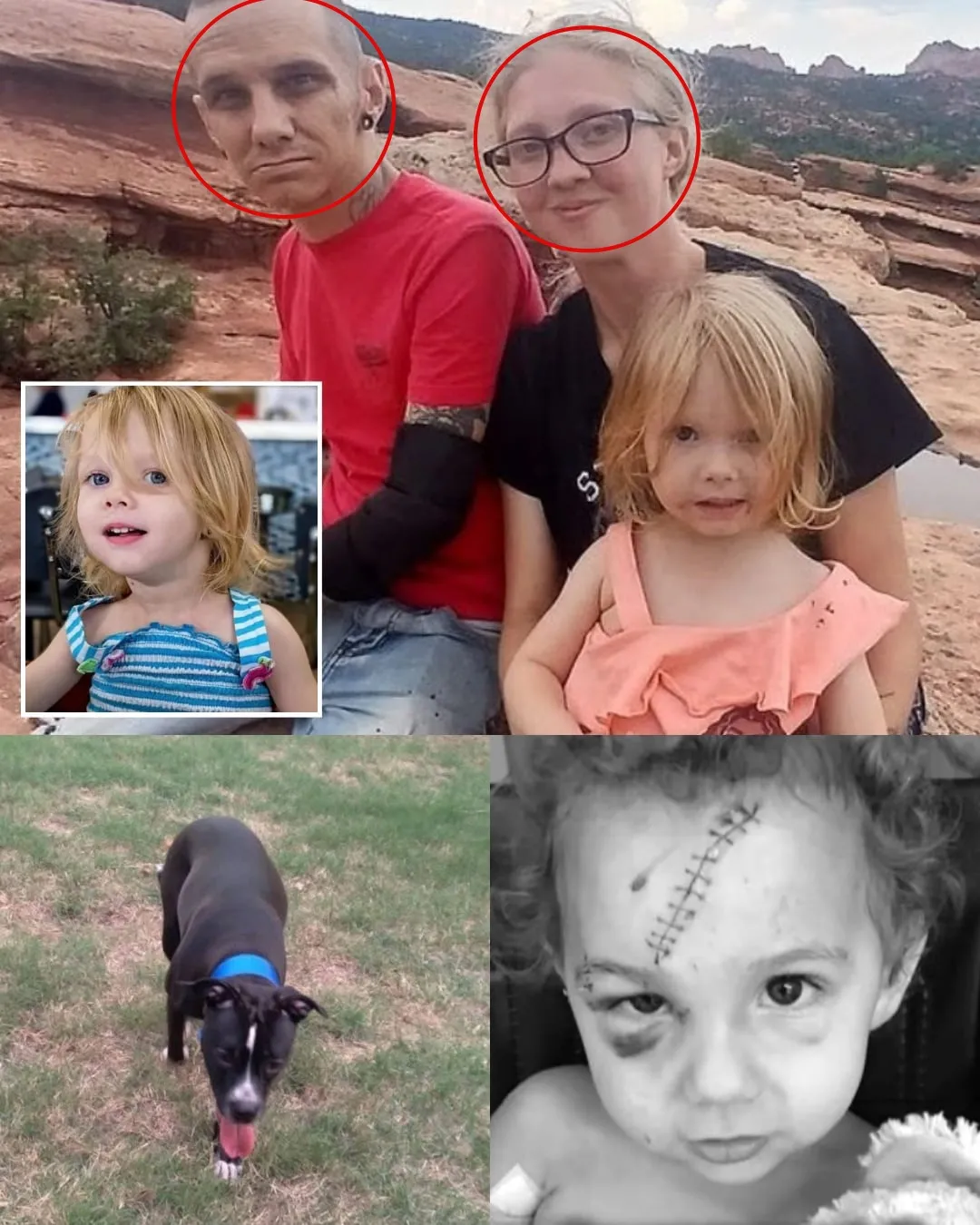
There are tragedies that horrify a city.
There are tragedies that ignite national outrage.
And then there are tragedies like this — the kind that leave people asking a question so unsettling, so incomprehensible, that it echoes long after the headlines fade:
How could a 2-year-old girl die in a room her father locked her in… with a dog that had already attacked her once before?
Tonight, Oklahoma City is still struggling to understand the death of little
Locklyn McGuire — a child whose life ended in violence, fear, and silence behind a locked bedroom door.
Her story is not just shocking.
It is infuriating.
It is preventable.
And it exposes the cracks in a system that failed her at every step.

THE NIGHT EVERYTHING WENT SILENT
It was just after sunrise on November 18 when a 911 call came in.
A toddler wasn’t breathing.
No further details. No indication of what first responders were about to find.
When police entered the home, the scene was every officer’s nightmare:
A locked bedroom door.
Child-proof latches preventing escape.
Blood.
Violent injuries.
And beside the small, lifeless body of a 2-year-old girl… a pit bull.
The child was identified as Locklyn McGuire, a toddler with bright eyes, soft curls, and the kind of innocence that should have been protected above all else.
She never had a chance.

THE TRUTH BEHIND THE LOCKED DOOR
Investigators quickly pieced together a timeline — one that only deepened the horror.
The person who locked Locklyn in that room wasn’t a stranger.
It wasn’t a babysitter.
It wasn’t someone who panicked and made a terrible mistake.
It was her father.
Jordan McGuire, 27 years old, now charged with second-degree murder.
His partner, Darci Lambert, is also charged and accused of knowing the danger yet doing nothing.
But the most disturbing detail is this:
The same dog had attacked Locklyn weeks earlier.
Not just a nip.
Not a scratch.
A violent mauling — the kind that required hospital intervention.
A doctor filed a report.
A hospital notified authorities.
The Department of Human Services knew.
There was an active case.
Yet Locklyn was never removed from the home.
And the dog — a female pit bull named Ella — was allowed to stay.
The system failed once.
Her parents failed twice.
And Locklyn paid for it with her life.

THE FIRST ATTACK — A WARNING IGNORED
People close to the family said the first mauling was a wake-up call.
Or at least, it should have been.
Locklyn suffered serious injuries.
Investigators described them as “significant” and “concerning.”
Any reasonable parent — any reasonable human being — would have separated the child from the animal immediately.
But not in this home.
The dog stayed.
The child stayed.
And so did the danger.
Neighbors later told reporters they would “never understand” how the situation was allowed to continue.
One woman said:
“If a dog hurts your child once, that should be the end of it. How do you let that child near the dog ever again?”
But Locklyn didn’t just live near the dog.
She lived with four pit bulls, according to investigators.
Four dogs.
And a house full of other animals kept in distressing conditions.
It was a recipe for disaster.
A disaster that only needed one night to turn fatal.

WHAT HAPPENED ON NOVEMBER 18?
Authorities are still piecing together minute-by-minute details, but early findings paint a devastating picture.
Jordan McGuire placed Locklyn in her bedroom.
He closed the door.
He engaged the child-proof lock — from the outside.
And inside the room with her… he left Ella, the same pit bull that had mauled her weeks earlier.
Why?
That question is now at the center of the case — and investigators say the explanations they’ve been given so far “don’t make sense.”
What is known is this:
Locklyn fought for her life.
The injuries were consistent with a violent dog attack.
By the time help arrived, she was already gone.
Her final moments were spent in fear, alone, with no way to escape and no adult coming to help her.
It is the kind of death no child should ever suffer.
And the kind of death no parent should ever be responsible for.

THE CHARGES — AND THE OUTRAGE
Both parents are now in custody.
Jordan McGuire — second-degree murder.
Darci Lambert — second-degree murder, enabling child abuse.
But for many people, those charges feel too small for what happened.
Because this wasn’t an unforeseeable accident.
This wasn’t a sudden snap.
This wasn’t something that came out of nowhere.
This was a tragedy that marched forward step by step, warning after warning, red flag after red flag — until finally, a little girl paid the price.
The public wants answers.
The public wants accountability.
And more than anything, the public wants to know:
How many people failed Locklyn before she died?

THE SYSTEM FAILURE NO ONE CAN IGNORE
The Oklahoma Department of Human Services (DHS) is now under intense scrutiny.
They were notified about the first attack.
They were aware the home was unsafe.
They had the authority to intervene.
But they didn’t.
And now, a child is dead — not because there were no signs, but because the signs were ignored.
This isn’t just a story about one violent father.
It’s a story about the holes in a protective system meant to keep children alive.
And this time, the holes were big enough for a 2-year-old girl to fall through.

A COMMUNITY IN MOURNING — AND IN ANGER
As news of Locklyn’s death spread, grief turned to shock.
Shock turned to outrage.
Outrage turned to a question now being asked far beyond Oklahoma:
Why was Locklyn still in that home?
Candlelight vigils appeared within hours.
Stuffed animals and tiny pink flowers piled at the edge of the family’s street.
Mothers held their children closer.
Neighbors fought tears as they spoke to reporters.
One man said:
“She didn’t deserve this. None of it. This wasn’t an accident — it was neglect.”
And across social media, thousands of people echoed the same painful message:
This should never have happened.

THE LITTLE GIRL BEHIND THE HEADLINES
It’s easy to get lost in the horror of the details.
Easy to focus on the crime, the charges, the dog, the investigation.
But at the heart of this story is a little girl.
A toddler who loved bright colors and soft blankets.
A child who was learning new words every day.
A girl with a small laugh that family friends say was “absolutely contagious.”
Her name was Locklyn.
She was two.
She should have had birthdays, school plays, first friendships, scraped knees, bedtime stories, and a lifetime ahead of her.
Instead, she became another name on a list no child should ever join.
A list of children failed by the adults who were supposed to protect them.

THE QUESTION THAT REMAINS
There is one question investigators cannot answer:
What was going through her mind when the door closed?
Did she cry?
Did she call for her parents?
Did she wonder why no one came?
No article can ease the pain of imagining her final moments.
No courtroom sentence can undo them.
No press conference can rewrite the truth of what she endured.
But maybe — just maybe — her story can prevent future tragedies.
Because Locklyn didn’t die in silence.
And her story will not fade quietly.
It is now a warning.
A demand.
A plea for change.
And a reminder that some tragedies should never be allowed to happen twice.