LORETTA LYNN STAYED THROUGH THE DRINKING, THE CHEATING AND THE FIGHTS. AFTER 48 YEARS OF MARRIAGE, SHE AND DOOLITTLE WERE GIVEN ONLY 225 DAYS OF THEIR 49TH YEAR. Loretta Webb married Oliver “Doolittle” Lynn on January 10, 1948. She was 15. He was 21. They had known each other for only about a month. Before long, they left Kentucky for Washington, where Loretta became a mother and the couple eventually raised six children. Doolittle gave Loretta the first guitar that changed her life—a $17 instrument from Sears. He pushed her to sing in public when she was still frightened of the stage, helped arrange early performances and traveled with her to promote “I’m a Honky Tonk Girl.” Without him, Loretta often said, there might never have been a Loretta Lynn. But their marriage was never a simple country love song. Doolittle drank heavily, cheated and became violent. Loretta fought back, stayed for her children and continued loving the man who could encourage her dream one day and wound her the next. The truth entered her music. “Don’t Come Home A-Drinkin’,” “Fist City” and many other songs carried pieces of the life she lived behind closed doors. Loretta later said she had never written a song without her husband somewhere inside it. On January 10, 1996, they completed 48 years of marriage. As Doolittle’s health failed, Loretta sang “Wouldn’t It Be Great” to him—the last song she remembered singing before his death. He died on August 22, 1996, at 69. Only 225 days of their 49th year had passed. Years later, Loretta did not pretend their marriage had been perfect. She simply said they had shared 48 years—and she still wished he were there. Doolittle gave her the guitar. Their troubled life gave her the truth. Loretta turned both into songs that millions of women finally recognized as their own. – Country Music
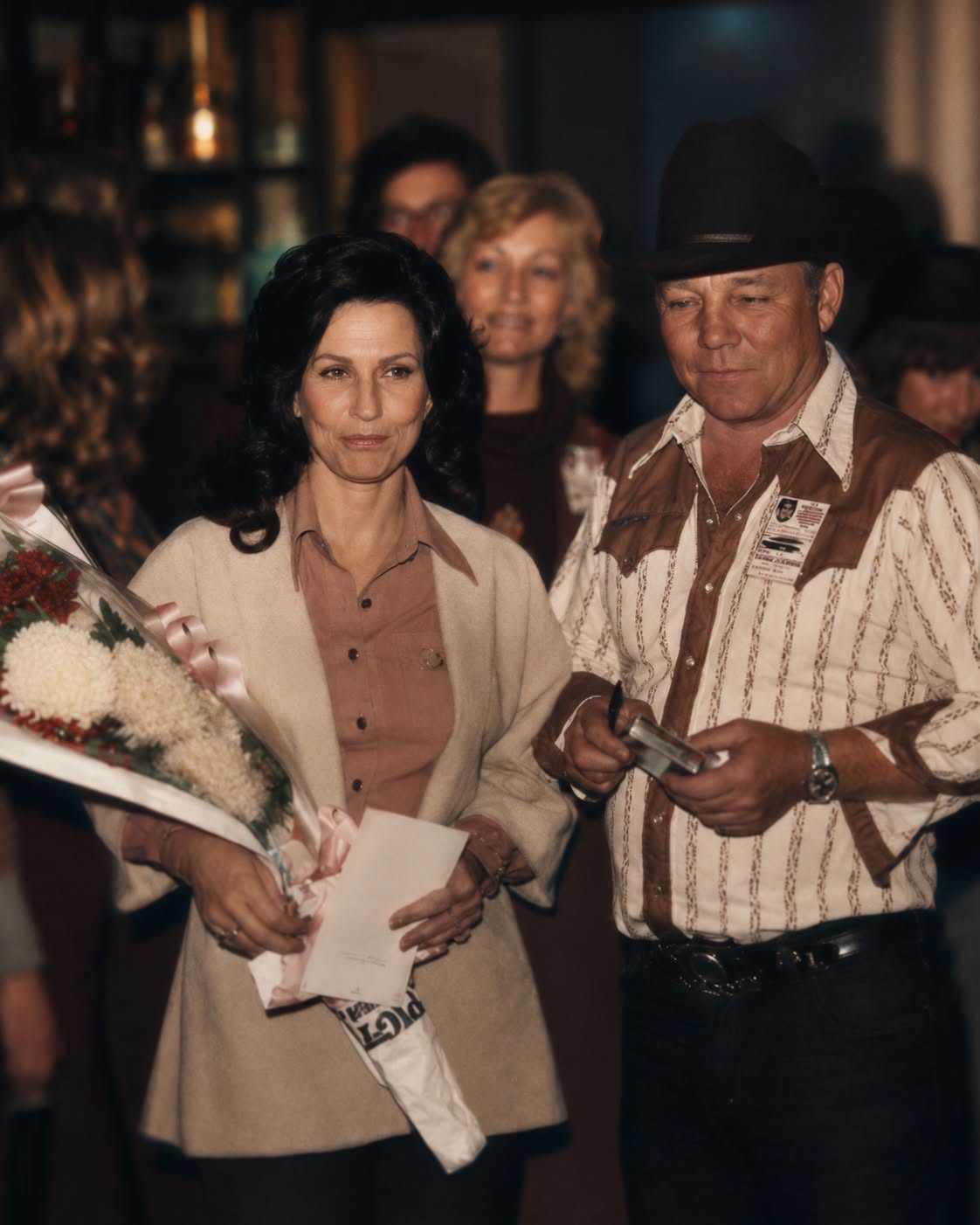
Loretta Lynn’s life was never easy, and she never pretended otherwise. Long before she became a country music legend, she was Loretta Webb, a young girl from Kentucky who married Oliver “Doolittle” Lynn on January 10, 1948, when she was 15 and he was 21. They had known each other for only about a month. It was a fast beginning, but it became the center of her life for nearly half a century.
After the wedding, Loretta and Doolittle left Kentucky for Washington state, where they built a home and raised six children. The early years were full of work, strain, and survival, but they were also the years when Doolittle helped push Loretta toward music. He bought her a $17 Sears guitar, encouraged her to sing in public, and traveled with her as she tried to turn a personal dream into something bigger.
That support mattered. Loretta often said that without Doolittle, there might never have been a Loretta Lynn. He helped arrange early performances and stood beside her while she was still learning how to face an audience. Her first steps into country music carried pieces of both of them: his confidence, her voice, and the stubborn determination that would eventually make her famous.
A Love Story With Sharp Edges
But their marriage was not gentle. Loretta never hid the fact that Doolittle drank heavily, cheated, and could be violent. She fought back. She stayed for her children. She also kept loving the man who could encourage her one day and hurt her the next. That contradiction became part of her art.
Many of Loretta Lynn’s most famous songs drew directly from that life. “Don’t Come Home A-Drinkin’” and “Fist City” were not just performances; they carried the tension of a marriage that was messy, hard, and deeply real. Loretta later said she had never written a song without her husband somewhere inside it. That is one reason her music still feels so personal. She sang about what she knew, and what she knew was complicated.
Loretta Lynn turned pain into honesty, and honesty into songs that millions of people understood.
Forty-Eight Years, Then One Final Season
On January 10, 1996, Loretta Lynn and Doolittle Lynn reached 48 years of marriage. By then, Doolittle’s health was failing. Loretta sang “Wouldn’t It Be Great” to him, and she later remembered it as the last song she sang before he died.
Doolittle Lynn died on August 22, 1996, at 69. Only 225 days of their 49th year together had passed. The number is small, but it carries a heavy sadness. It marks the unfinished part of a relationship that had already survived more than most people ever would.
Years later, Loretta did not describe the marriage as perfect. She did not need to. She remembered the hardship, the music, the children, and the man who gave her the guitar that helped change her life. She also remembered the truth of what they had been through together.
In the end, Loretta Lynn did something remarkable. She took a troubled home life and made it into songs that felt alive, direct, and unafraid. Doolittle Lynn gave her the guitar. Their marriage gave her the truth. And Loretta Lynn gave that truth a voice the world would never forget.
Post navigation
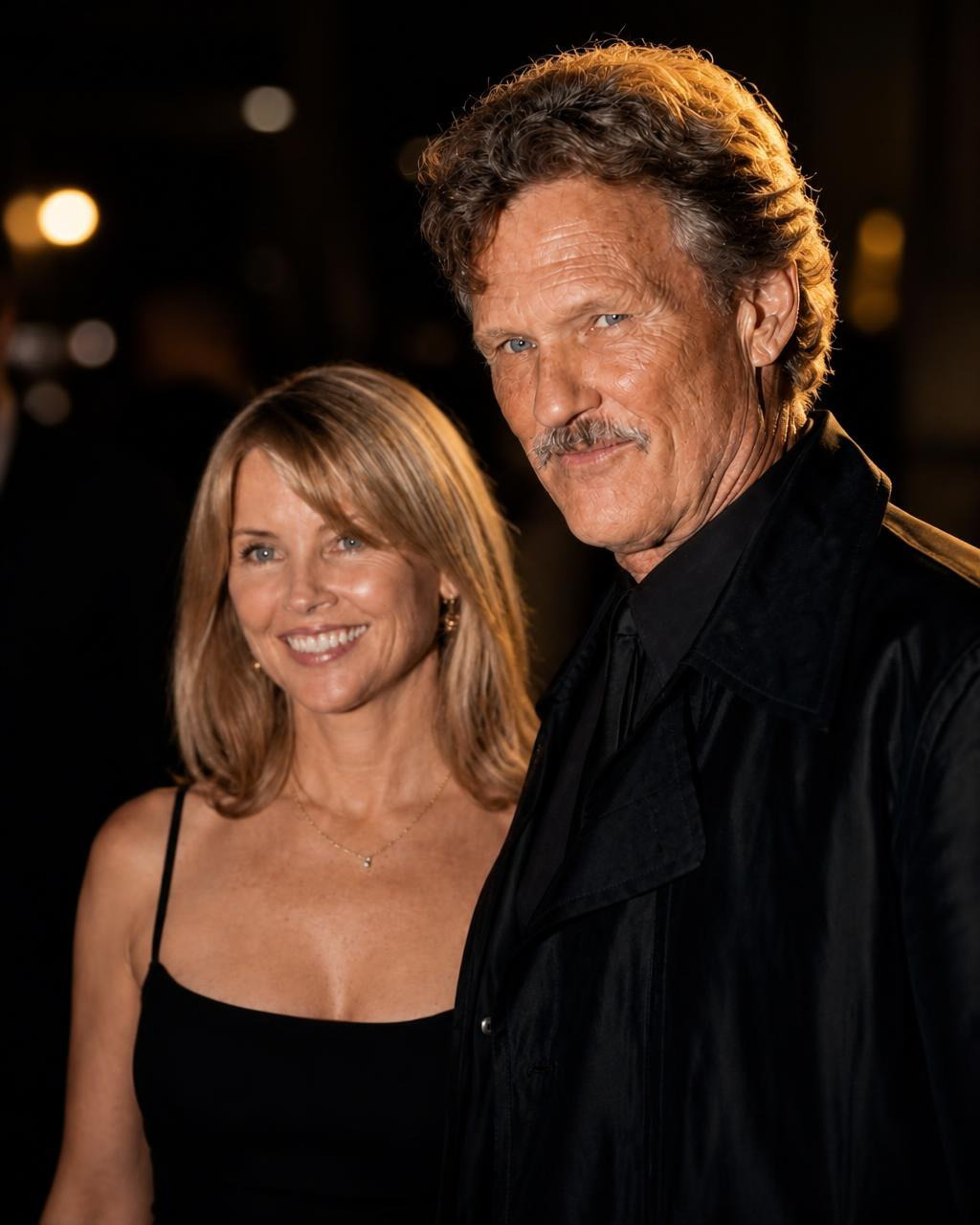
Kris Kristofferson changed the shape of country music by writing songs that sounded plain, but carried entire human lives inside them. “Me and Bobby McGee,” “Sunday Mornin’ Comin’ Down,” and “Help Me Make It Through the Night” did something rare: they made loneliness, freedom, shame, and desire feel honest without dressing them up. His lyrics did not preach. They confessed. That was the magic.
For years, Kris Kristofferson was known as the man who could say the most with the fewest words. His songs crossed from country into pop culture and kept moving, carried by voices like Johnny Cash and Janis Joplin. In Nashville, he helped open the door to a more vulnerable kind of songwriting, one that let ordinary pain sound unforgettable.
Then the story turned inward. In later years, Kris Kristofferson began struggling with memory loss. Doctors first believed Alzheimer’s disease was the cause, and for a long stretch, that was the explanation his family and fans lived with. In February 2016, he was tested for Lyme disease, and the result was positive. After treatment, his wife, Lisa Meyers, said he seemed to come back. It was not a perfect recovery, and it was not forever, but it changed the way the family understood what he had been living through.
That was when the unfinished song took on painful meaning. Kris Kristofferson had been writing about loss while living it. One line in particular felt like a glance into the fog: “I see an empty chair. Someone was sitting there. I’ve got a feeling it was me.” His daughter, Kelly, helped finish the song when he could not. The moment was moving because it was so simple: a father who had spent a lifetime giving language to other people’s feelings could no longer always hold onto his own words.
He spent his life writing songs that made strangers feel understood.
Kris Kristofferson died in 2024 at age 88. His family said he passed away peacefully, and the outpouring that followed made clear how deeply his work had settled into American music. The songs remain, but so does the ache of the later years: the great songwriter facing the loss of memory, then the loss of certainty, and finally the loss of time itself.
Maybe that is why Kris Kristofferson’s legacy feels so personal. He wrote like somebody telling the truth in a quiet room. And in the end, even as his own mind slipped away, that truth stayed behind in the songs.