Justice for Four Lives Lost: Jonathan Welch Sentenced for Family Murders 4399
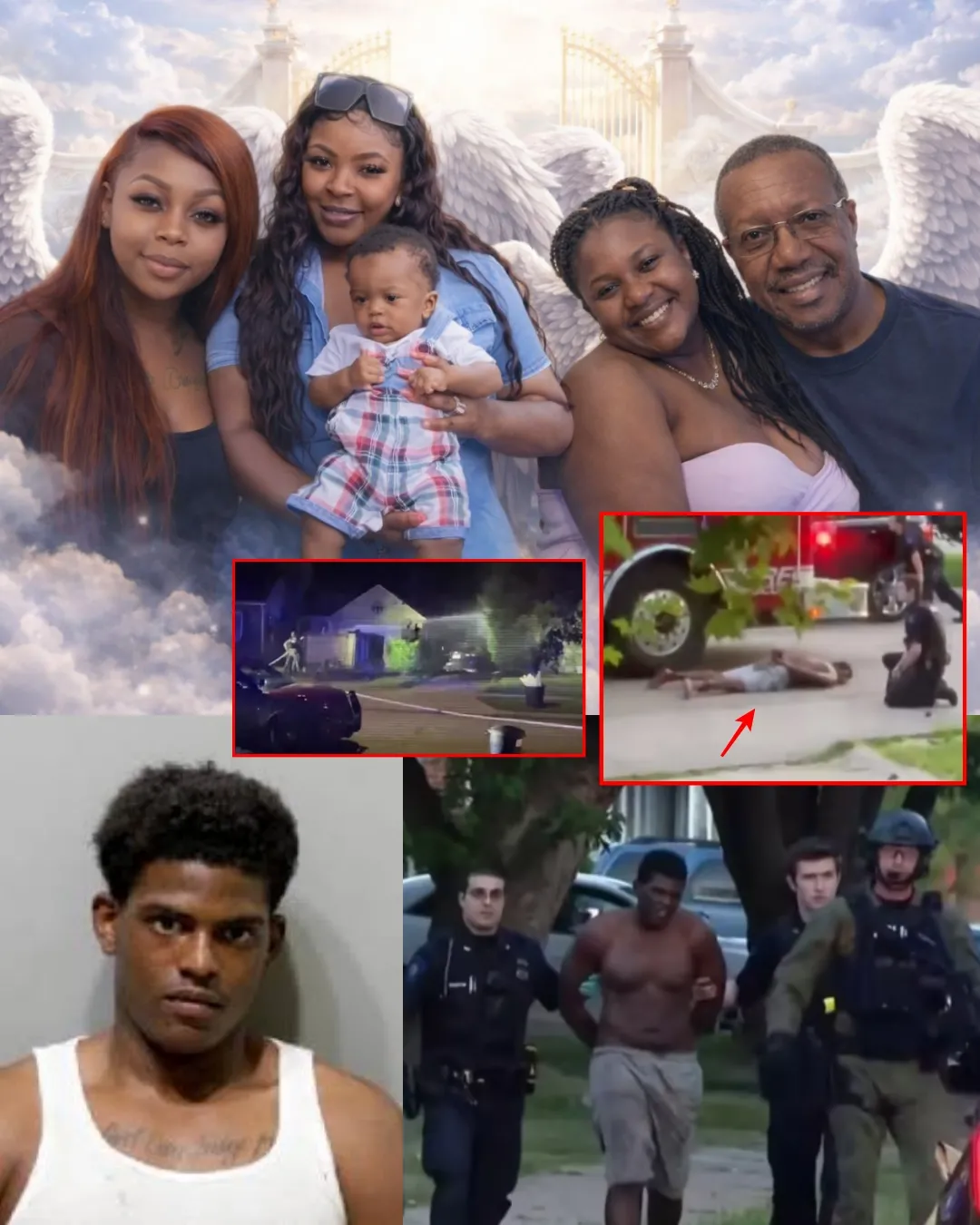
In a courtroom inside the Wayne County Circuit Court, grief filled every corner long before the sentence was spoken.
Families gathered not for answers, but for something closer to finality.
They came to watch a judge decide how many years Jonathan Welch would spend behind bars for taking four lives in the summer of 2022.
On Wednesday, Wayne Circuit Judge
Margaret Van Houten sentenced Welch to 45 to 70 years in prison for the killings of his mother, Flossie Bray; his stepfather, Robert Bray Jr.; and his live-in girlfriend,
Zlayiah Frazier.
He was also sentenced to 20 to 40 years for the killing of Natalya Morse, 24.
The sentences will run concurrently.
But no number of years could measure the devastation described by those who stood to speak.
Trina Harris, the mother of 22-year-old Zlayiah Frazier, addressed the court through visible emotion.
“You took what was so precious to me,” she said, her voice trembling.

“She meant everything to me. My daughter will never get to hold her son and watch him grow up.”
Frazier was not only Welch’s girlfriend.
She was also the mother of his young child.
Her death left behind a son who will grow up hearing stories instead of hearing her voice.
Judge Van Houten acknowledged the limits of any sentence.
“Nothing that happens today will bring back the victims,” she said.
“But I hope all of you can start to heal and start to find closure.”
Closure, however, is a fragile word in cases like this.
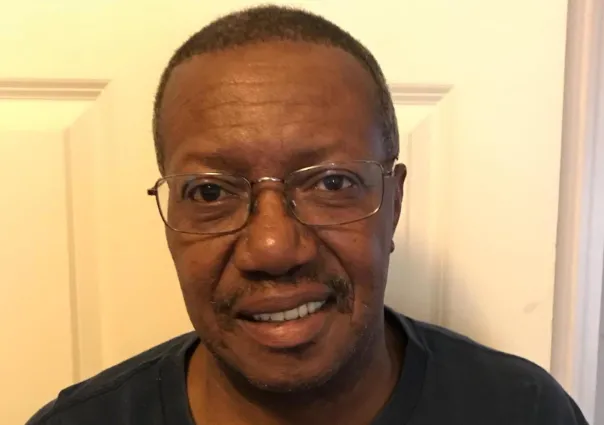
Larontay Welton, grandson of Robert Bray Jr., stood in the jury box and spoke about betrayal.
“I don’t understand why this had to happen,” he said.
“It’s too late to ask why.”

He described how Welch had been treated like family.
The violence, he said, felt like a wound that would never fully close.
Others appeared via Zoom, their grief transmitted through screens but no less raw.
Chastity Morse, mother of Natalya Morse, spoke through sobs and anger.
“I’m in pain every day,” she said.
Her words reflected a mother’s devastation after learning her daughter had been killed and left in a field on Detroit’s east side.
According to authorities, Welch killed Natalya Morse in June 2022.
Her body was later found in a field in the 4630 block of Lenox Street near Canfield and Dickerson.
She died from blunt force trauma.
Police said Welch stole her car and later set it on fire near Lappin and Beland streets.
Months later, he pleaded guilty to her death.
But that was not the end of the violence.
In July 2022, days after being released on bond in a separate case involving Frazier, Welch returned to the home where he had been ordered to live with his mother in Harper Woods.
Prosecutors said he had previously been charged with sexually assaulting, strangling, and setting Frazier on fire.
Despite those allegations, he had been released on bond.
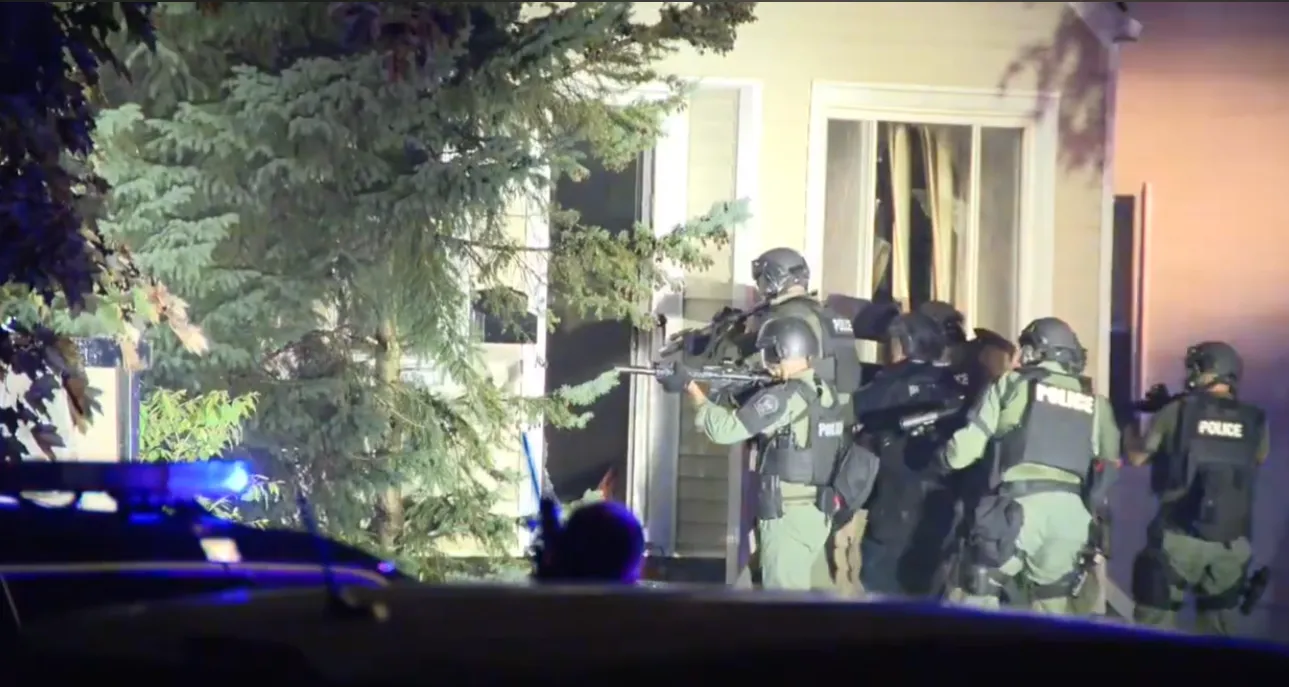
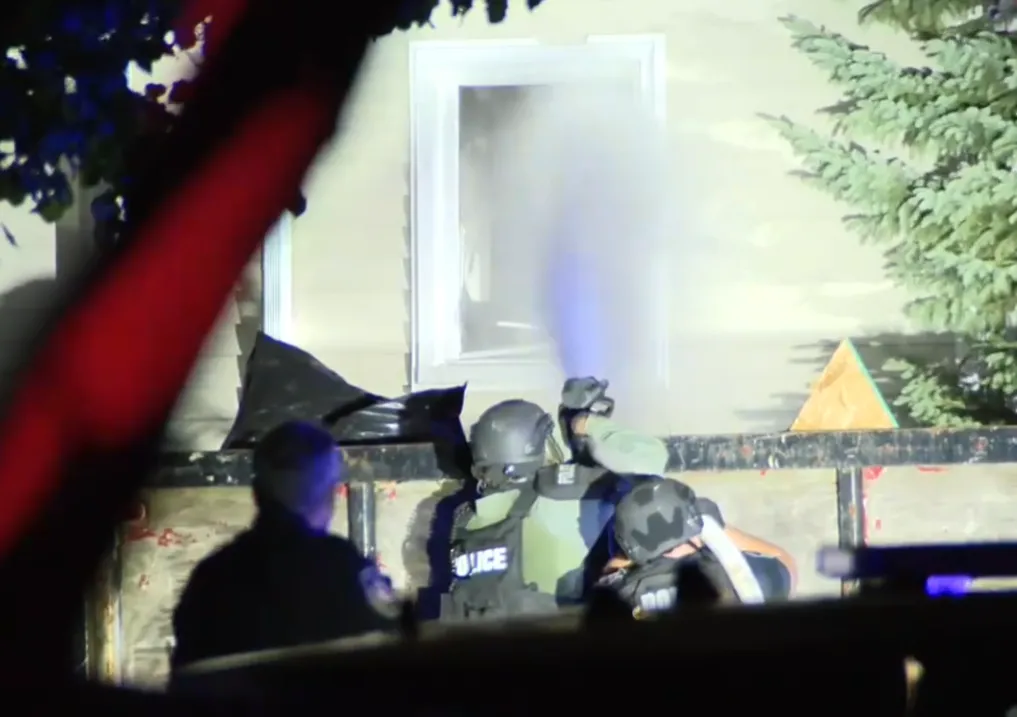
Then, in July, he barricaded himself inside the home.
Police surrounded the property and a standoff unfolded over several hours.
Before it ended, officers located his 1-year-old son in the backyard and transported the child to a hospital for evaluation.
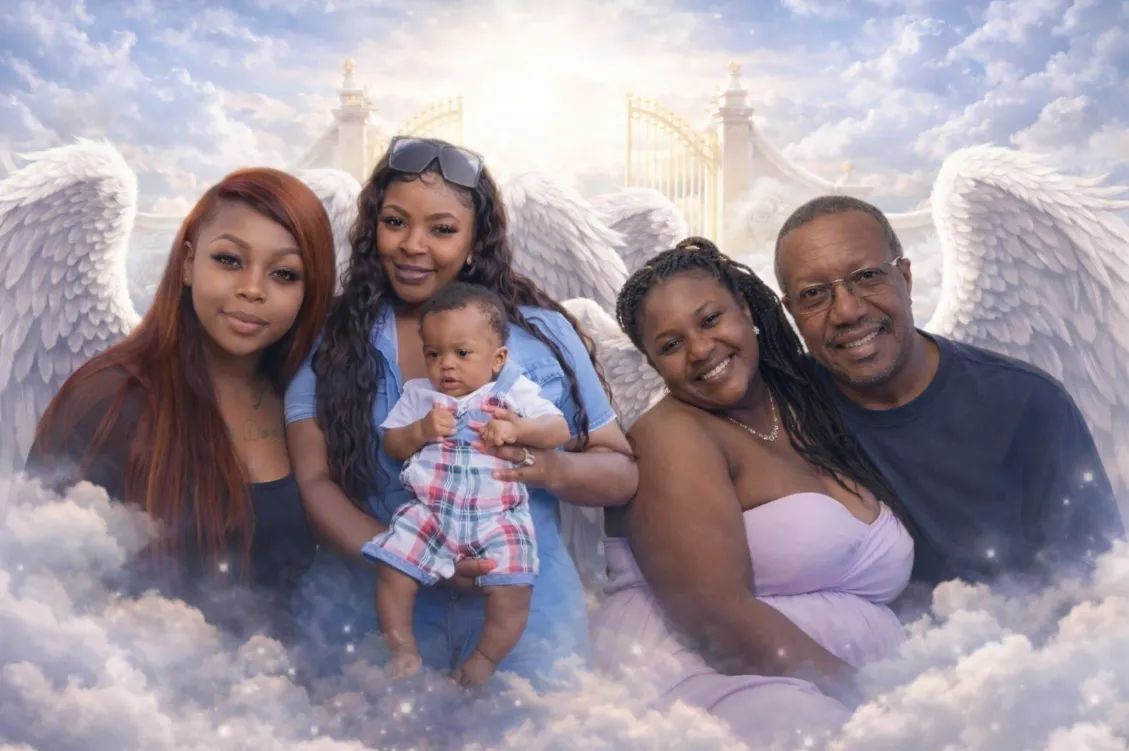
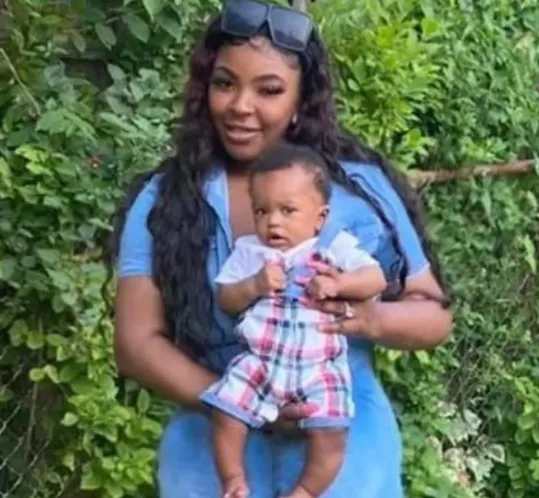
Inside the home, they found the bodies of Flossie Bray, Robert Bray Jr., and Zlayiah Frazier.
Four lives gone within weeks.
A family shattered in layers.
In March, Welch pleaded guilty in connection to Natalya Morse’s death.
In July, he pleaded guilty to charges tied to the killings of his mother, stepfather, and Frazier.
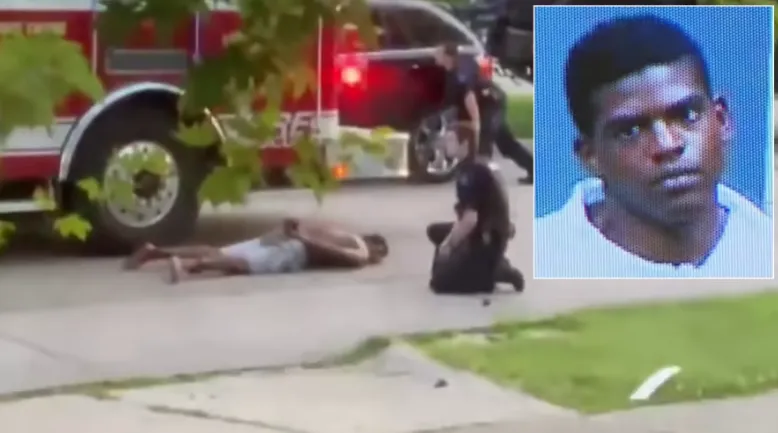
By pleading guilty, he avoided trial.
But the courtroom still filled with testimony about loss.
The victims were more than case numbers.
Flossie Bray had raised a son who would ultimately take her life.
Robert Bray Jr. was remembered by his grandson as a steady presence.
Zlayiah Frazier was a young mother whose child will now grow up without her.
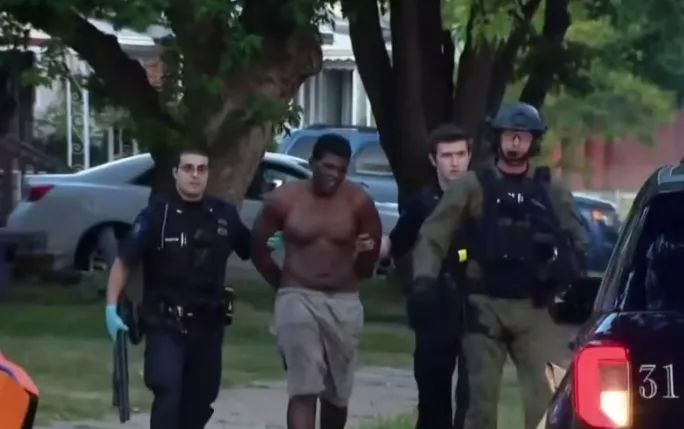
Natalya Morse was described as vibrant and full of potential.
Each life represented a separate world of relationships, routines, and dreams.
Together, their deaths form one of Detroit’s most painful recent chapters.
For families, the question of “why” remains unanswered.
Welch’s guilty pleas ended legal debate, but not emotional turmoil.
What leads a man to kill his girlfriend, his mother, his stepfather, and another young woman within weeks?
The courtroom offered punishment, not explanation.
The sentences ensure Welch will spend decades incarcerated.
But the families will carry their grief indefinitely.
The young son rescued from that backyard will grow up hearing about a day that changed everything.
The east side field where Natalya Morse was found will forever be linked to a memory of violence.
In Detroit neighborhoods from Harper Woods to Lenox Street, residents still remember the shock of that summer.
Police sirens.
Smoke from a burned car.
News alerts describing multiple homicides tied to the same suspect.
Now, the legal chapter has moved forward.
Welch has been sentenced.
The court has spoken.
Yet for Trina Harris and the other relatives who addressed the judge, healing is not bound by a court calendar.
It will unfold slowly, unevenly, if at all.
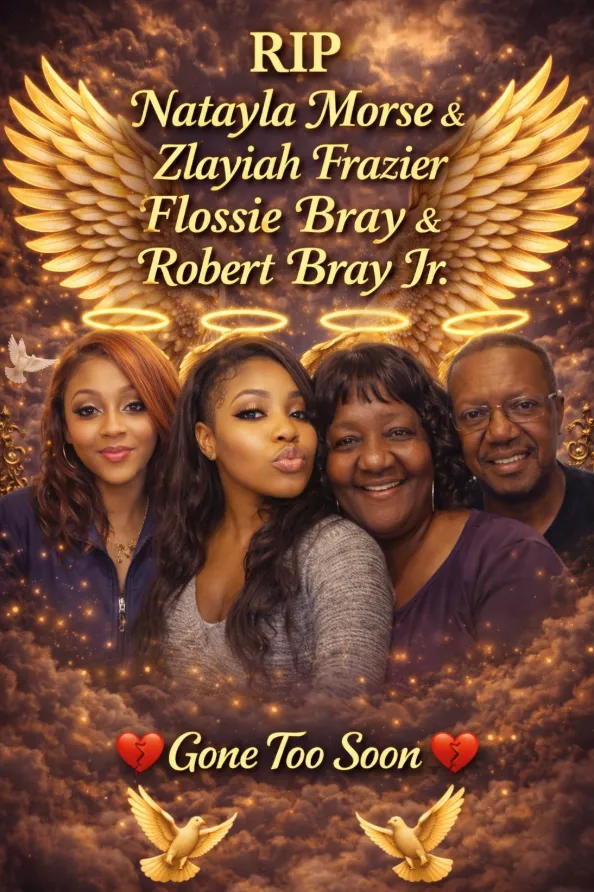
Four names now echo through memorials and family gatherings.
Flossie Bray.
Robert Bray Jr.
Zlayiah Frazier.
Natalya Morse.
Their absence will be felt long after sentencing transcripts are archived.
And in a Detroit courtroom, amid anger and heartbreak, justice was defined not by victory, but by the simple act of acknowledging lives that can never be replaced.