John Rich just traded his microphone for something nobody saw coming. President Trump appointed the Big & Rich singer as the first-ever Special Envoy for American Landowners — a brand-new role working alongside the USDA and Agriculture Secretary Brooke Rollins to protect the property rights of farmers, ranchers, and rural families. But here’s what makes this different from a typical political appointment — Rich already did this job before anyone gave him a title. In 2025, a proposed 900-megawatt methane gas plant was about to take over farmland in Cheatham County, Tennessee — the very county where Rich grew up. He jumped in, rallied his neighbors, blew it up on social media, and made calls all the way to the White House. After 26 months of community resistance, the TVA walked away from the project entirely. Now he’s doing that same work on a national level — focused on landowners being pressured by large-scale solar and wind developments that threaten their land and livelihoods. “I look forward to defending our farmers and ranchers,” Rich said. – Country Music
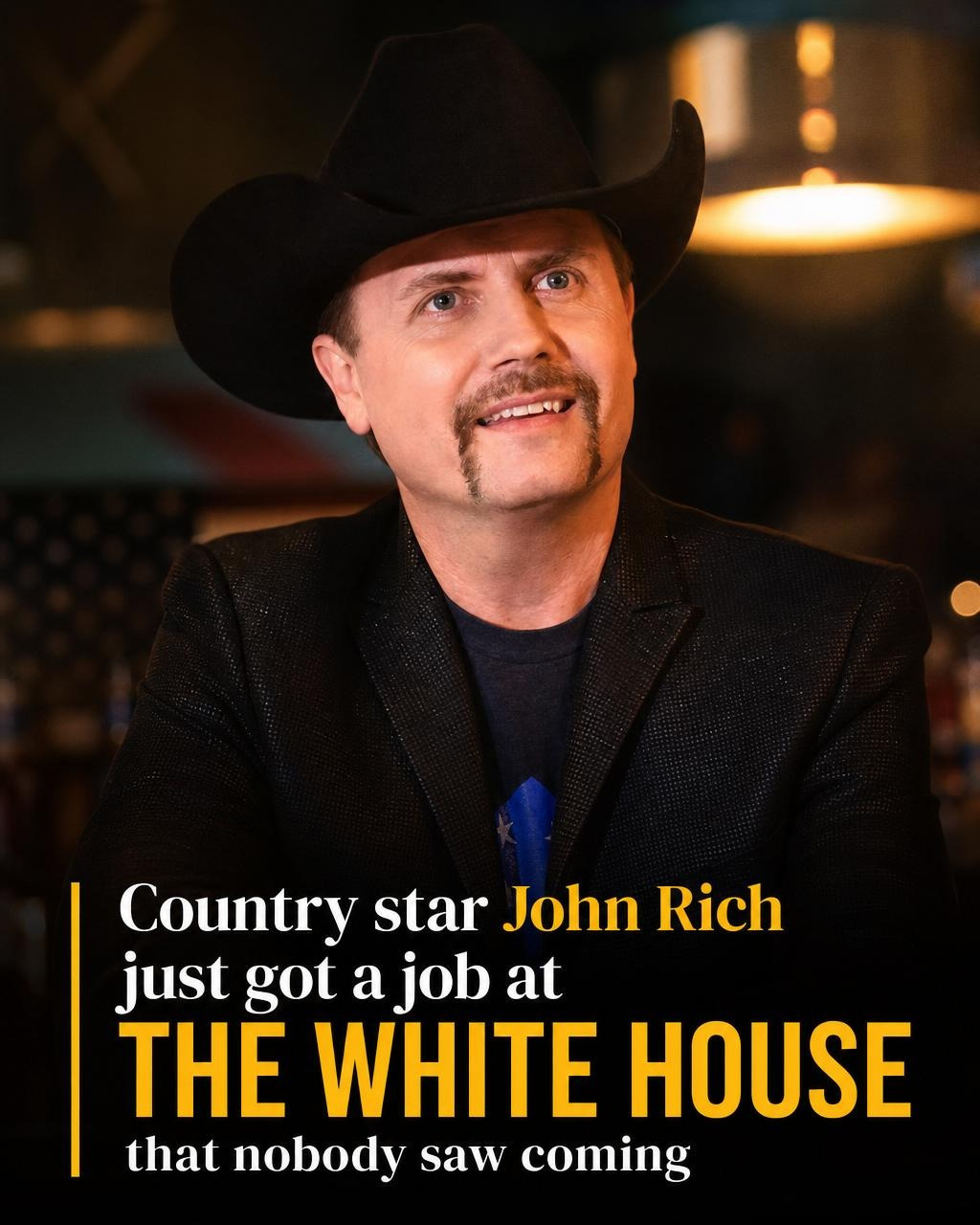
John Rich has spent years standing on stages, singing songs, and connecting with audiences through music. But this week, the Big & Rich singer stepped into a very different spotlight. President Trump appointed John Rich as the first-ever Special Envoy for American Landowners, a new role designed to work alongside the USDA and Agriculture Secretary Brooke Rollins to support farmers, ranchers, and rural families.
For many people, the appointment may have seemed unexpected. For those who have followed John Rich’s recent actions, it felt like the next logical step.
A Fight That Started at Home
In 2025, a proposed 900-megawatt methane gas plant threatened farmland in Cheatham County, Tennessee, the county where John Rich grew up. What could have become another quiet land-use battle turned into a major local fight. John Rich got involved, spoke up publicly, rallied neighbors, and used social media to draw attention to what was happening.
He also made calls that reached far beyond his hometown, all the way to the White House. Over time, the community’s resistance grew stronger. After 26 months of pushback, the TVA ultimately walked away from the project.
Sometimes one local issue reveals a much bigger problem.
That experience appears to have shaped the mission John Rich is now taking on nationally. His new role focuses on the growing pressure many landowners face from large-scale solar and wind developments that can affect property use, family livelihoods, and the future of rural communities.
Why This Appointment Stands Out
This is not a typical political appointment built around speeches and ceremonies. It is tied to a real-world concern that has been building across farm country. In many rural areas, landowners say they feel caught between development pressures and the desire to keep their land productive for future generations.
By naming John Rich to this position, the administration is sending a clear message: property rights and rural voices will be part of the national conversation. John Rich is not entering this fight as an outsider. He has already lived through the frustration, the organizing, and the uncertainty that come with trying to defend land from unwanted development.
John Rich’s Message
John Rich did not hide his commitment when the appointment was announced. “I look forward to defending our farmers and ranchers,” John Rich said.
That statement reflects both purpose and experience. It suggests a role that is less about symbolism and more about practical advocacy. For farmers and ranchers, that may mean having a familiar voice helping elevate concerns that are often overlooked.
A New Chapter With Old Roots
John Rich’s move from music to land advocacy is unusual, but it is also deeply connected to where he comes from. His story shows how local action can grow into national responsibility. What began as a fight over one Tennessee project has now turned into a broader mission to protect the land, work, and independence of rural Americans.
For John Rich, this new title may be official. But the work itself was never new.
Post navigation
For decades, the press loved a simple story: two women from Appalachia, both gifted, both stubborn, both unforgettable, supposedly locked in a battle for the same Nashville throne. Dolly Parton and Loretta Lynn were compared so often that the comparison began to sound like fact. But the truth was far more human, and far more interesting.
Yes, they were stars. Yes, they were competitors in the sense that every performer is competing for attention in a crowded industry. But they were also something the headlines rarely made room for: admirers of each other. Dolly Parton never treated Loretta Lynn like a rival in the bitter sense the media preferred. She treated Loretta Lynn like a woman she understood.
Two Voices from the Same Hill Country
Both women came out of rough, musical, deeply rooted worlds. Both brought real life into country music without smoothing away the hard edges. Their songs spoke to working people, women with responsibilities, and families held together by grit. That shared honesty is part of why the public kept trying to place them in opposition. It is also why the pairing never really fit.
When Dolly Parton wrote the foreword to Loretta Lynn’s book, she made something clear that the industry had often missed. She said they had both “eclipsed their male counterparts” in country music. That statement did not create peace with everyone around them, but it reflected a truth they both lived: these were women who changed the center of the genre.
“She had millions of fans, and I’m one of them.”
That was Dolly Parton’s simple, beautiful response after Loretta Lynn died in 2022. No dramatic speech. No attempt to rewrite history. Just one line that said everything.
A Friendship in the Margins of the Headlines
While the public was busy inventing tension, Dolly Parton and Loretta Lynn were building a quieter bond. Loretta Lynn regularly called Dolly Parton her “mountain sister” on birthdays and during milestones. It was the kind of phrase that carries more weight than any press headline. It suggested kinship, memory, and pride.
There were also moments when their voices met directly. In 1993, Dolly Parton, Loretta Lynn, and Tammy Wynette walked into a studio together and recorded Honky Tonk Angels. The album sold 500,000 copies, but beyond the numbers, it felt like a statement. Three women who had each carved out space in country music stood together, not as symbols, but as working artists with history behind them.
Quiet Conversations in Their Songs
Over the years, the songs Dolly Parton and Loretta Lynn wrote sometimes seemed to answer one another. Not in a confrontational way, and not as a game of one-upmanship. More like two people sharing the same landscape from different porches. One wrote from heartbreak, another from resilience. One leaned into humor, another into plainspoken truth. Together, they created a conversation Nashville did not always know how to listen to.
That may be the most overlooked part of their story. The rivalry was mostly a newspaper invention. The respect was real. The affection was real. And the impact they had on country music was undeniable.
What Dolly Parton Really Meant
When Dolly Parton said Loretta Lynn had millions of fans and that she was one of them, she was doing more than paying tribute. She was restoring the proper shape of the story. Loretta Lynn was not just a competitor from another era. She was a pioneer, a friend, and a voice Dolly Parton recognized as kindred.
In the end, that is what lasts: not the headlines about rivalry, but the steady evidence of mutual admiration. The birthday calls. The shared studio session. The written praise. The final, graceful goodbye.
And maybe that is why the line landed so powerfully. Dolly Parton did not sound like someone losing a rival. She sounded like someone remembering a mountain sister.