IT STARTED WITH A DEMO SHE ALMOST DIDN’T SING. In 1968, Jeannie C. Riley was a Music Row secretary, still waiting for the Nashville break she’d chased from Texas. When a songwriter asked her to cut a rough demo of a tune called “Old Town Drunk,” producer Shelby Singleton heard the tape and forgot the song — the voice was what he wanted. He had a Tom T. Hall number waiting: a widowed mother who walks into a PTA meeting and exposes the drinking, the affairs, and the hypocrisy of the people judging her. Jeannie thought it sounded like a copy of “Ode to Billie Joe” and recorded it anyway, singing Mrs. Johnson not as a victim but as a woman done apologizing. “Harper Valley P.T.A.” shot to No. 1 on both the country and pop charts — the first time a woman topped both with the same song, a feat no one repeated until Dolly Parton in 1981. It sold over five million copies, won her a Grammy, and took Single of the Year. Then came the part no one expected. Her label began selling her as the living Mrs. Johnson, right down to the miniskirts and the defiance, and fans wanted the character more than the woman. A song about someone refusing to be judged had turned its singer into someone the public felt free to judge. She kept charting into the early ’70s, but nothing could follow a debut that had topped two worlds at once. The woman in the song named every hypocrite in the room; the woman who recorded it walked out of a secretary’s office and into history. And wherever Jeannie went after that, Mrs. Johnson was already waiting. – Country Music
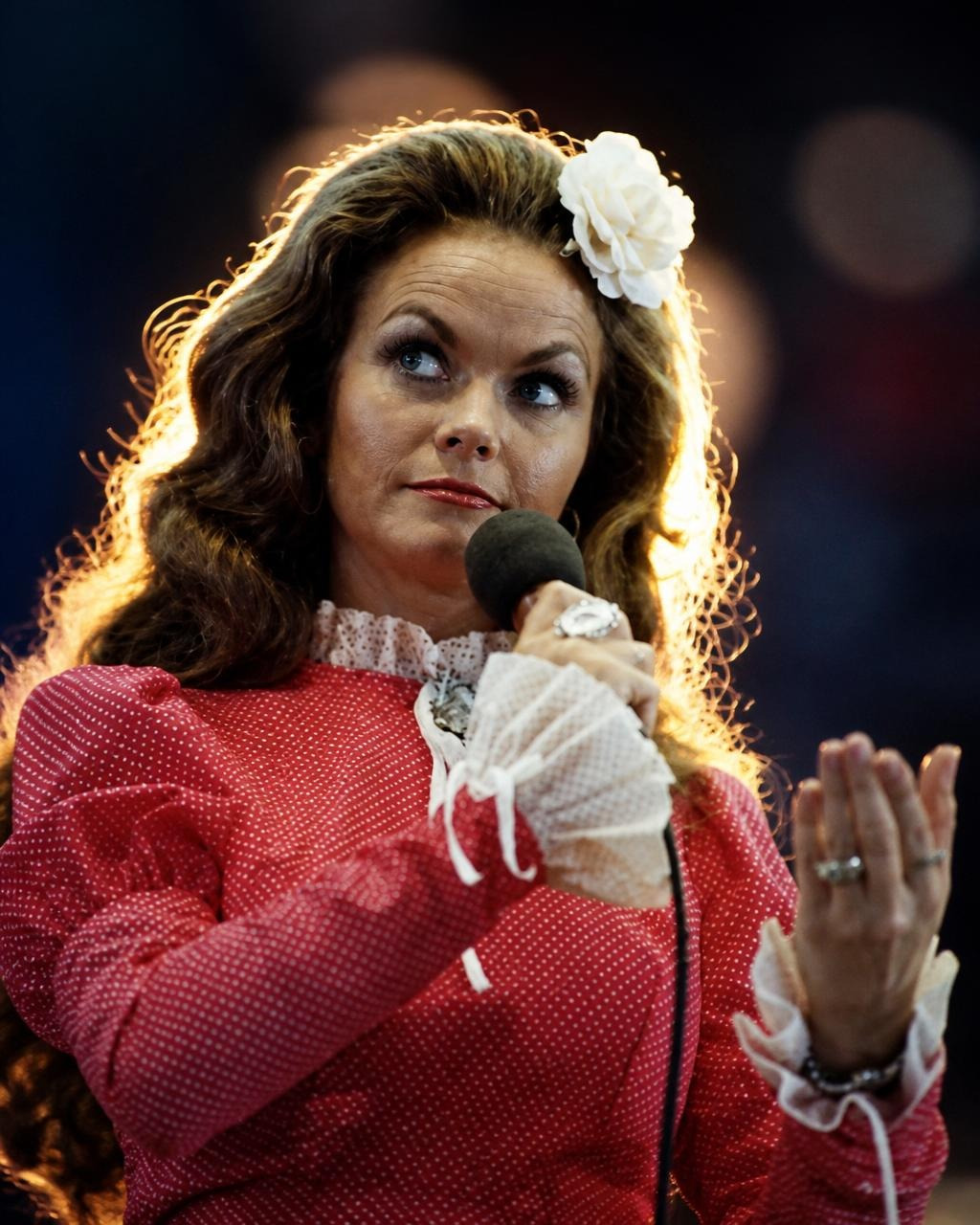
In 1968, Jeannie C. Riley was still balancing the ordinary work of a Music Row secretary with the bigger dream she had carried from Texas. Nashville was full of people chasing a break, and Jeannie C. Riley was one of them. The turning point came in the most unglamorous way: a rough demo, a song she almost did not record, and a producer who heard something bigger than the tune itself.
The song that changed everything
Tom T. Hall wrote “Harper Valley P.T.A.” as a sharp, small-town story about judgment, gossip, and the double standards people hide behind. Jeannie C. Riley reportedly thought the song had a familiar feel, even a touch of “Ode to Billie Joe” in its mood, but she recorded it anyway. That choice changed her life. Her voice did not sound apologetic. It sounded like a woman who had finally had enough.
When Shelby Singleton heard the tape, he understood that the voice was the point. Jeannie C. Riley did not just sing the story of Mrs. Johnson; she gave it nerve, bite, and clarity. The result was immediate and huge. “Harper Valley P.T.A.” reached No. 1 on both the country and pop charts, a crossover achievement that made Jeannie C. Riley a rare kind of star. The record earned her a Grammy Award for Best Female Country Vocal Performance and became one of the defining hits of the era.
Fame, image, and the woman behind the character
Success brought attention, but attention can be a strange thing. The public embraced the song’s defiance so completely that Jeannie C. Riley was often packaged as if she and Mrs. Johnson were the same person. The image was bold, memorable, and profitable, yet it also blurred the line between performer and character. A song about refusing judgment had, in a way, invited people to judge the singer’s own life.
That tension made the hit even more fascinating. The story in the song was about a widow walking into a PTA meeting and calling out hypocrisy without fear. Jeannie C. Riley brought that same edge to the recording, but the spotlight that followed was not always kind or simple. She kept working and kept charting into the early 1970s, but as is often true with a once-in-a-lifetime debut, every later release had to live in the shadow of the first great explosion.
Why the moment still matters
Decades later, “Harper Valley P.T.A.” still feels vivid because it captured something larger than one town, one meeting, or one woman’s frustration. It tapped into the universal shock of hearing someone finally say out loud what everyone else had only whispered. Jeannie C. Riley’s performance made that moment feel alive, and that is why the record still stands out in country music history.
Jeannie C. Riley did not just sing a hit. She carried a story from a rough demo into cultural memory. The secretary from Music Row walked into history through a song about standing up for yourself, and the voice that almost stayed hidden became the reason the whole country listened.
Post navigation
Conway Twitty and the Quiet Power of a Country Number One
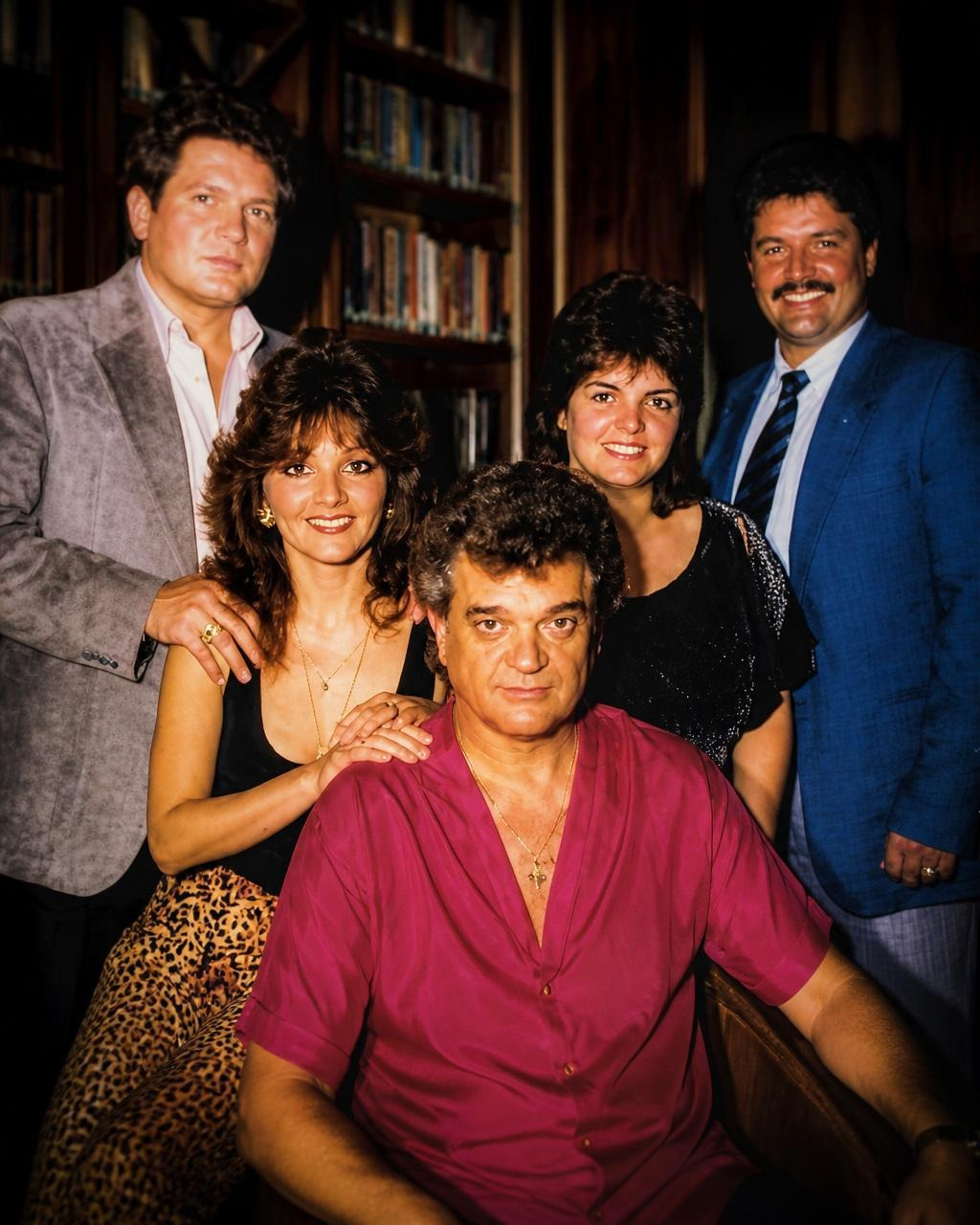
Conway Twitty built a career on a sound that never needed to shout. He became one of country music’s defining voices by doing almost the opposite of what many stars do: he leaned in. Fans remember the opening of Hello Darlin’ because it begins with Conway Twitty speaking the title instead of singing it, and that simple choice made the song feel personal from the first second. Released in 1970, it spent four weeks at No. 1 on the country chart and became the year’s top country song.
That intimacy was not an accident. Conway Twitty’s records were built around emotional control, and his smooth delivery gave even ordinary stories a private, almost confessional feeling. The Country Music Hall of Fame and Museum has noted that songs such as Hello Darlin’, Fifteen Years Ago, You’ve Never Been This Far Before, There’s a Honky Tonk Angel, and Linda on My Mind helped define his career.
By the time Tight Fittin’ Jeans arrived in June 1981, Conway Twitty had already become a master of understatement. The song became his 26th No. 1 country hit, and it fit perfectly into his larger style: a small scene, a passing glance, a feeling that grows in the space between the words. The hook was never volume. It was tension, restraint, and the belief that a listener would lean closer if the singer trusted the story enough.
That may be why Conway Twitty still feels fresh to many listeners who never saw him in concert. His nickname, “The High Priest of Country Music,” came from the devotion he inspired, and it captured the almost reverent way audiences responded to him. The Country Music Hall of Fame says he earned forty No. 1 country hits, with eleven of them written by Conway Twitty himself.
Conway Twitty was not the loudest man in the room. He was the man who knew how to make a room go quiet. That is the real strength of his legacy: not spectacle, but connection. He sang as if each line belonged to one person, and millions of listeners answered back over time. Even now, more than three decades after his death on June 5, 1993, his recordings still sound immediate, warm, and certain of what country music can do when it speaks softly.
Conway Twitty never needed to raise his voice to be heard. He made quiet sound unforgettable.
That is the enduring miracle of Conway Twitty. He turned restraint into power, and intimacy into a signature. In a genre built on truth, he understood that the strongest confession is often the one delivered at a whisper.