In the Shadows of the Parking Lot: The Ongoing Search for Kierra McNeil’s Killer 4172

Who Waited for Her in the Parking Lot

August evenings in Cordova, Tennessee, are often unremarkable.
The air hangs warm, storefront lights hum quietly, and people move in and out of errands without a second thought.

On one such evening in 2020, a woman named Kierra McNeil parked her car and waited.

Kierra was thirty-two years old.
She was six months pregnant, carrying a life that had already begun to shape her plans and her hopes.

She did not know that both of their lives would end in that parking lot.

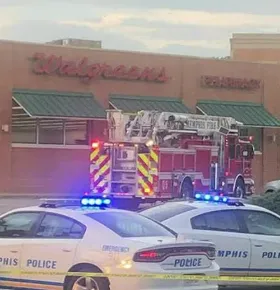
According to her mother, Kierra went to the Walgreens to meet someone.
The meeting was supposed to be a conversation about her child.

Nothing about it suggested danger.

Kierra arrived first and stayed in her car.
She waited, engine off, phone nearby, expecting the other person to show up.
That waiting would become her final act.

Homicide investigators later said Kierra was ambushed.
There was no argument, no warning, no chance to escape.
Gunfire shattered the stillness and ended everything.

She was shot while seated in her vehicle.

The wounds were fatal.
Her unborn baby did not survive.
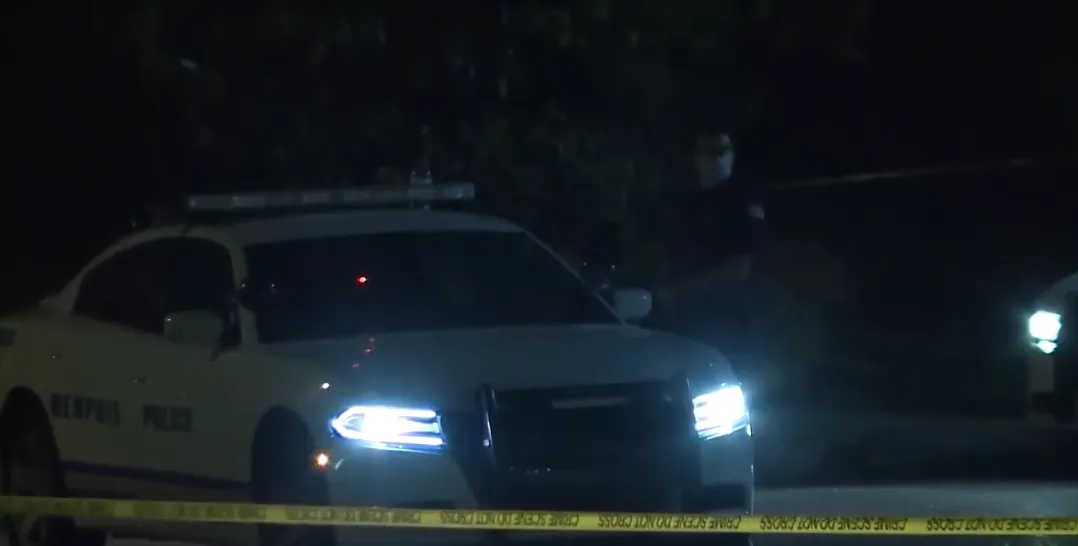
By the time help arrived, it was too late.
The parking lot, meant for quick errands and everyday life, had become a crime scene.

Two lives were gone before anyone could intervene.

News of the killing spread quickly through the community.
Shock turned into grief, and grief hardened into questions.
How could something so violent happen in such an ordinary place?

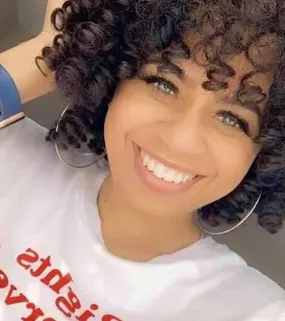
Kierra McNeil was not anonymous to the people who loved her.
She was a daughter, a partner, a woman preparing to become a mother.
Her death ripped a hole through her family that has never closed.

Her mother spoke publicly in the days that followed.
She described a daughter who was excited and cautious, hopeful but grounded.
She described a life interrupted without reason.

For investigators, the case opened with urgency.

A pregnant woman murdered in public demanded answers.
The pressure to find those answers was immediate.

In the months that followed, suspicion turned toward Kierra’s boyfriend at the time.
He was the father of her unborn child.

Charges were eventually filed.

For a moment, it seemed the case might move toward resolution.
Families often cling to that moment, believing justice is close.
But evidence matters, and evidence was not enough.

The charges were later dropped due to a lack of proof.
No conviction followed.
No one was held responsible.

With the case unresolved, time moved forward in cruel ways.
Birthdays passed that Kierra would never see.

A child who should have been born never took a breath.

The Walgreens parking lot returned to normal.
Cars parked, people shopped, and life continued.
But for Kierra’s family, nothing was normal again.

Unsolved cases create a different kind of grief.
There is no verdict to absorb, no sentence to process.
There is only waiting.

Waiting for a phone call.
Waiting for a tip.

Waiting for someone, somewhere, to say something that changes everything.
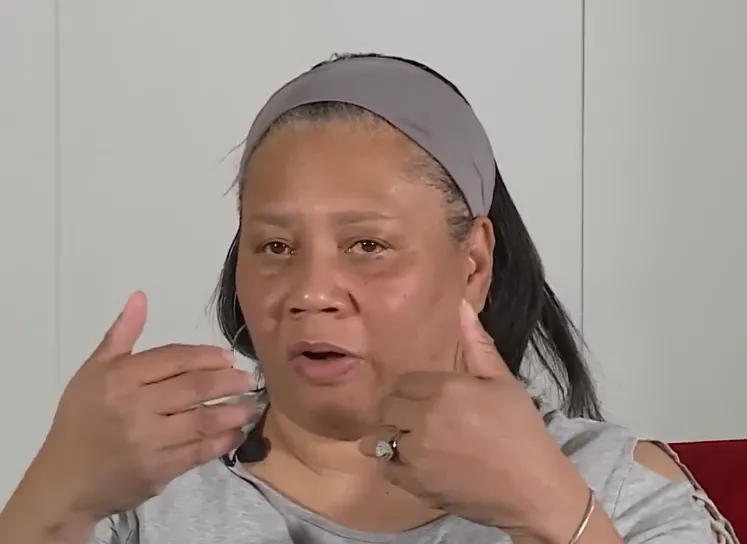
Years passed, and the case remained open.
Rumors surfaced and faded.
The truth stayed hidden.

Kierra’s mother refused to let her daughter’s name disappear.

She spoke again, urging the public to remember.
She asked for help, not sympathy.

The Shelby County District Attorney’s Office joined that plea.
Officials publicly asked anyone with information to come forward.

They made it clear the case was not closed.

Justice delayed is not justice denied, they said.
But delay weighs heavily on families left behind.
Every year without answers compounds the loss.

Kierra’s story became a question mark etched into memory.
Who asked her to meet that night.
Who waited in the shadows.

Who knew she was pregnant.
Who knew she would be alone in her car.

Who decided she would not leave that parking lot alive.

These questions haunt the spaces where answers should be.
They echo in courtrooms that have not yet been filled.
They linger in the silence of an unsolved file.
Kierra was not reckless that night.
She was not out seeking danger.
She was trying to have a conversation about her child.

The violence that found her was intentional.
An ambush requires planning.

It requires someone willing to pull a trigger without hesitation.

Her unborn baby was never given a name.
Never given a chance to exist outside the womb.
Yet that baby is still mourned.
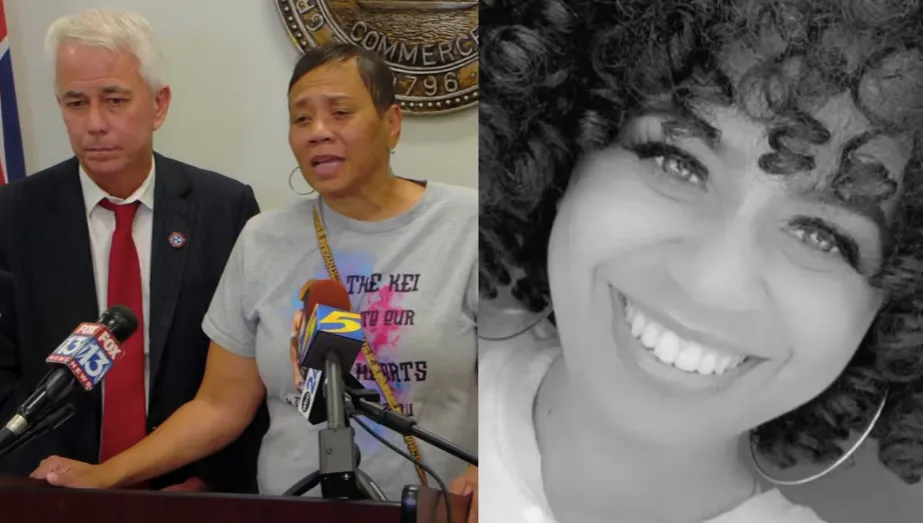
Two lives ended together.
A mother and a child bound by blood and fate.
Both taken in a single moment.

Communities often measure time by landmarks.
For Kierra’s loved ones, time is measured in before and after.

Before Walgreens, and after Walgreens.

Friends remember her laughter and her caution.
They remember her talking about the future.
They remember how excited she was to become a mother.

That future was stolen without explanation.
And explanation matters.
Because without it, grief has nowhere to go.
Cold cases do not go cold for families.
They remain burning questions that never cool.
They live in photographs and unfinished plans.

Kierra McNeil was thirty-two forever.
She will never age beyond that moment.
Her child will never grow.

The public plea remains open.
Someone knows something.
Someone has held the truth for years.

A parked car.
A waiting woman.
A sudden attack.
These details are known.
What is missing is the name of the person responsible.
That absence is the loudest part of the story.

Until answers come, remembrance matters.
Saying Kierra’s name matters.
Refusing to let her become just another unsolved case matters.

Justice is not only about punishment.
It is about acknowledgment.
It is about telling the truth out loud.

Kierra deserved to walk back into that Walgreens.
She deserved to drive home.
She deserved to give birth.

Her baby deserved a first cry.
A first breath.
A first chance.

The parking lot still exists.
The case file still exists.
The hope for answers still exists.

Somewhere, someone knows who killed Kierra McNeil.
That knowledge carries weight.
It carries responsibility.

The years have passed, but the question has not changed.
Who waited for her in the parking lot.
Who took two lives and walked away.

Until that question is answered, her story remains unfinished.
A chapter torn out before the ending was written.
A life interrupted but not forgotten.

Rest in peace, Kierra McNeil.
Rest in peace to her unborn baby.
Forever thirty-two, forever remembered.

A Promise Left Unfulfilled: The Legacy of Malicai Calder’s Determination and Heart 3249c
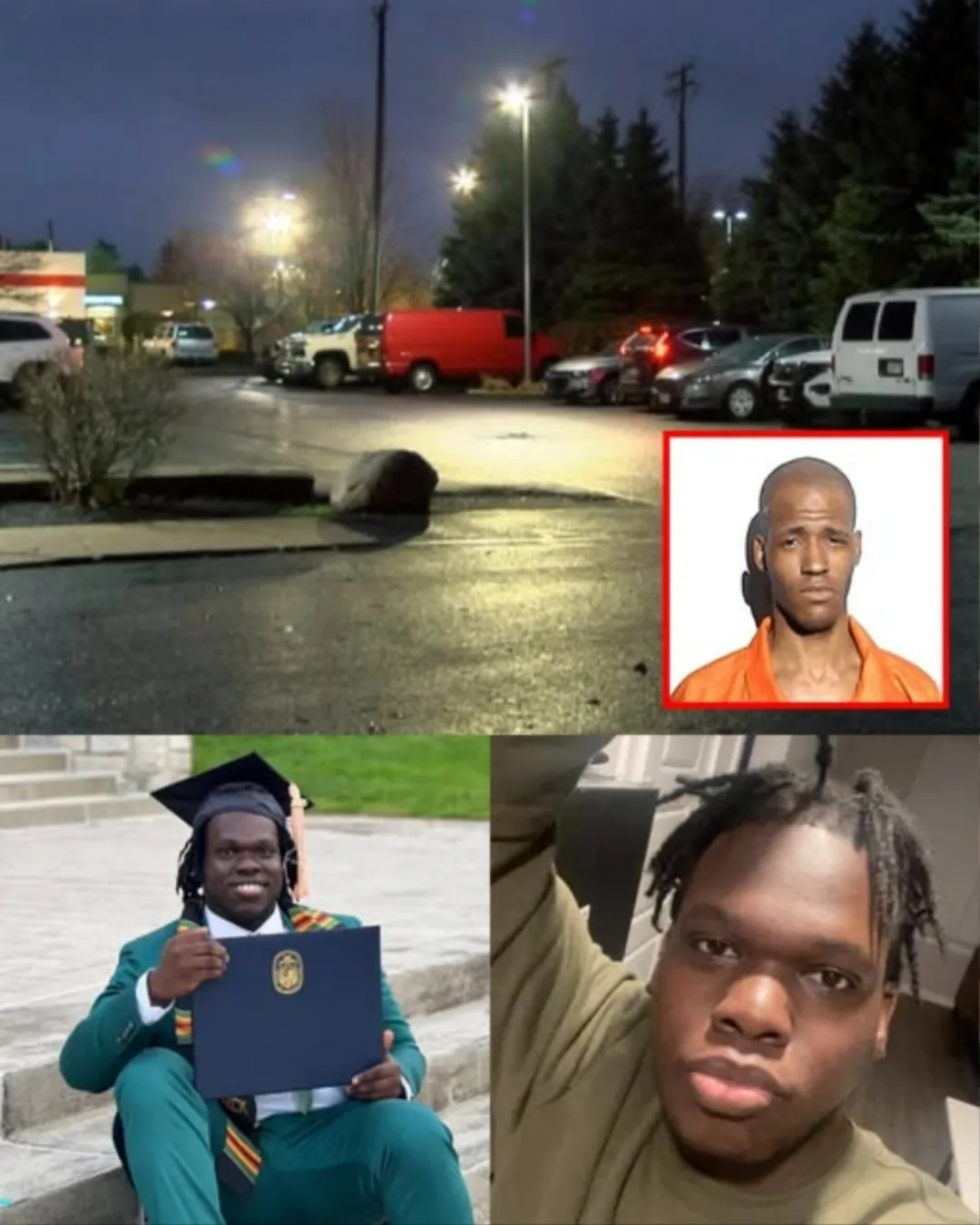
The city of Toledo, Ohio, woke on a cold Tuesday morning to a story that would ripple through the hearts of its residents.

The search for 27-year-old Malicai Calder had ended in a tragedy so cruel that it seemed impossible to grasp.

For ten long days, the young man’s disappearance had left friends, family, and strangers alike on edge, praying for news of his safety.

He was last seen on November 15, and by November 22, the city knew he was missing.

Police launched an intensive search, combing neighborhoods, checking surveillance, and following every lead they could find.
But hope, fragile as it was, gave way to despair.

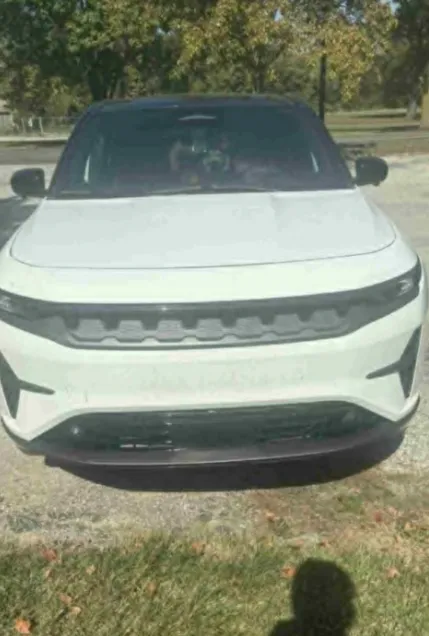
On the 3000 block of Mulberry Street, a seemingly ordinary work vehicle was stopped.

Inside, police found the body of Malicai Calder, his remains bearing the horrifying marks of both gunshot and stab wounds to the head.

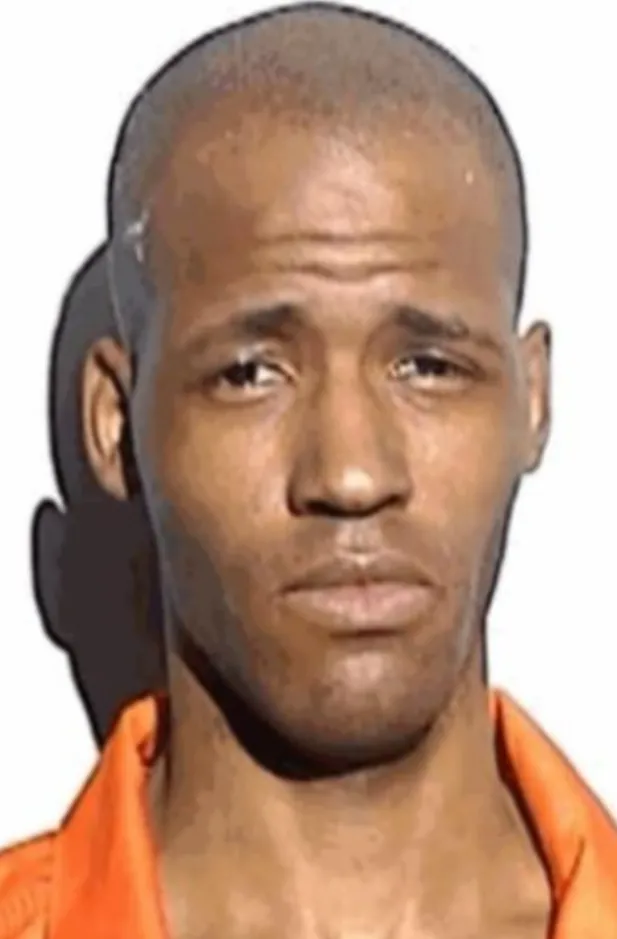
Behind the wheel sat 32-year-old Martel Huggins, who would be taken into custody and charged with murder.

It was a revelation that left the community reeling.

For those who knew Malicai, the news was unbearable.
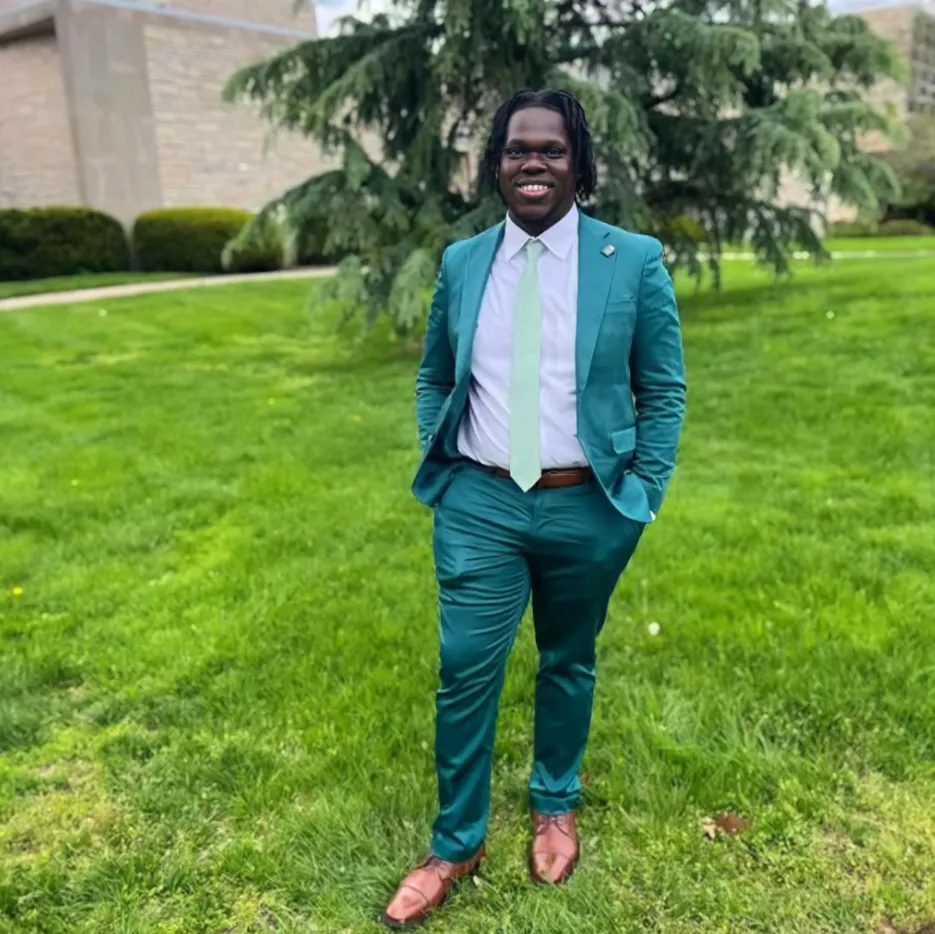
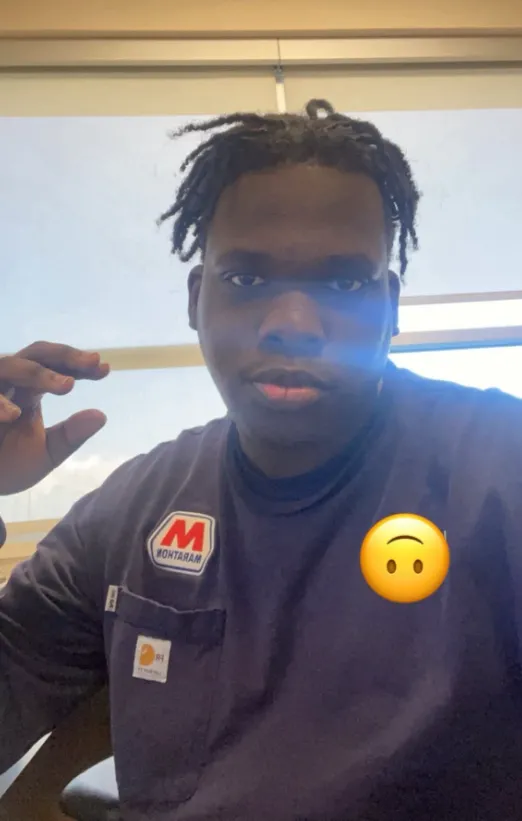
He was remembered not as a victim, but as a young man whose life had been defined by kindness, determination, and a desire to uplift others.

Pastor Heather Boone, who first met him when he was nineteen and living at a homeless shelter in Monroe, Michigan, recalled the spark in his eyes even then.

“He was just so eager to help. Just so sweet. Just so, just so hardworking,” Boone said, her voice trembling with grief.

Even in the harshest circumstances, Malicai’s determination to build a better life was evident.

He had no one to rely on but himself, yet he never gave up.

“He didn’t deserve this, and he was just an amazing young man, and this is heartbreaking and devastating,” Boone said.
She remembered how Malicai balanced two jobs while staying focused on his education.

Every day was a battle against exhaustion, but he faced it with unwavering dedication.

“He worked two jobs, he was so hardworking, so determined and on his own. He did this without anybody, without a lot of support,” Boone said.

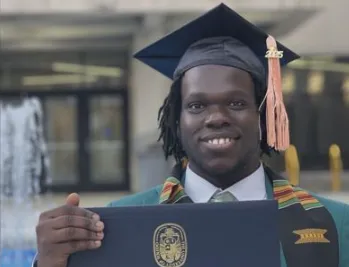
Through the assistance of Boone’s church and a series of scholarships, Malicai gained admission to the University of Toledo.

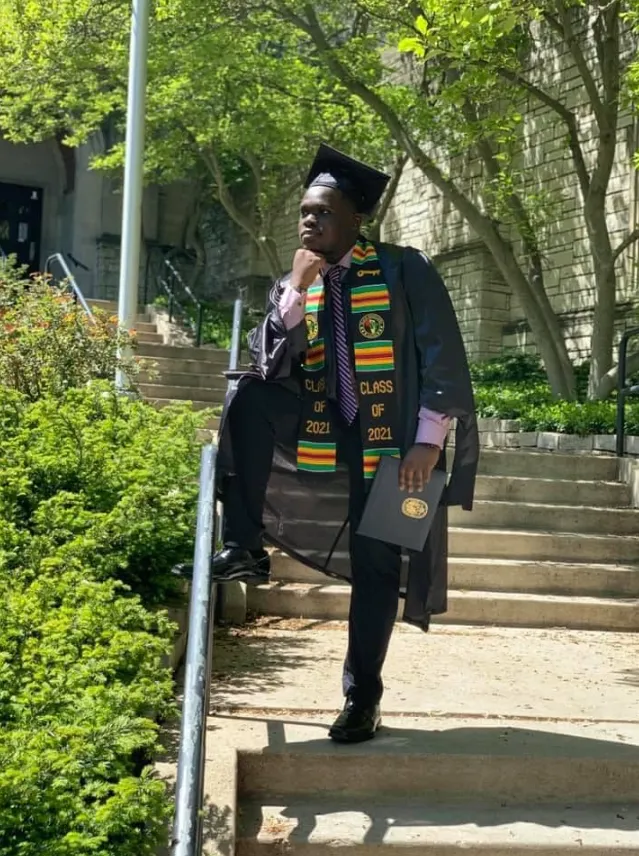
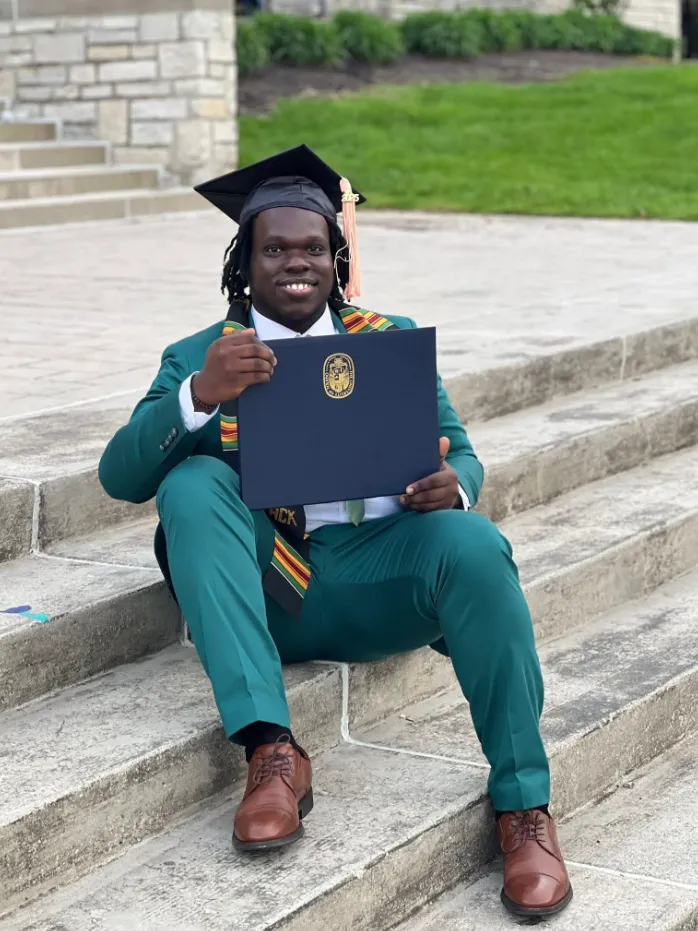
There, he earned a master’s degree, a milestone that stood as a testament to his resilience and unyielding ambition.

His journey became a beacon of hope for those at the shelter, a story of triumph over adversity.

“It’s just sad because he’s our success story and when we have young people coming into the shelter, even now, we always tell the story of Malicai,” Boone said.
Malicai’s family remembered a childhood filled with challenges.

He lost his mother at a young age and was raised by extended family, a circumstance that could have hardened his spirit but instead shaped his empathy for others.

His cousin, Carolina Thomas, recalled him as a bright, generous soul who always gave more than he received.

“Malicai was so bright, such a loved person who would truly do anything and give his last to help others. He recently graduated with his master’s. This is truly upsetting to our family,” Thomas said, tears filling her eyes.

Friends described him as a person who would stop to help anyone in need, whether it was a stranger on the street or a classmate struggling to keep up with schoolwork.

He carried himself with a quiet dignity, a subtle strength that drew people to him.
Even as a child, Malicai showed signs of leadership, a natural ability to inspire and encourage.

He had an infectious optimism, a belief that tomorrow could be better if you worked for it today.

Despite the obstacles, he never let bitterness take root in his heart.

He understood loss, but he also understood compassion, and he gave both freely.

In Monroe, at the shelter where he once stayed, his story became a living example for the young people trying to find their way.

Staff often told newcomers about Malicai, pointing to him as proof that circumstances did not define destiny.

“He worked so hard to change his life,” one staff member said. “He showed everyone that it was possible to rise above. That’s the legacy he left behind.”
Malicai’s friends spoke of quiet nights spent studying, days spent working, and weekends dedicated to volunteering.

He carried an unspoken responsibility to succeed, not for himself alone, but for the many who looked up to him.

And yet, despite all he had accomplished, his life was cut short in a moment of violence that shocked the community.

The discovery of his remains inside a work vehicle on Mulberry Street was surreal.

Police confirmed that he had suffered both gunshot and stab wounds to the head, an act of brutality that seemed almost unfathomable.

Those who knew him struggled to reconcile the man they had admired with the tragic image presented by the investigation.
Even in mourning, however, memories of his laughter, his dedication, and his kindness persisted.

Neighbors recalled him helping with small acts of service, from carrying groceries to shoveling snow for the elderly.

He had a way of noticing people, of making them feel seen and valued.

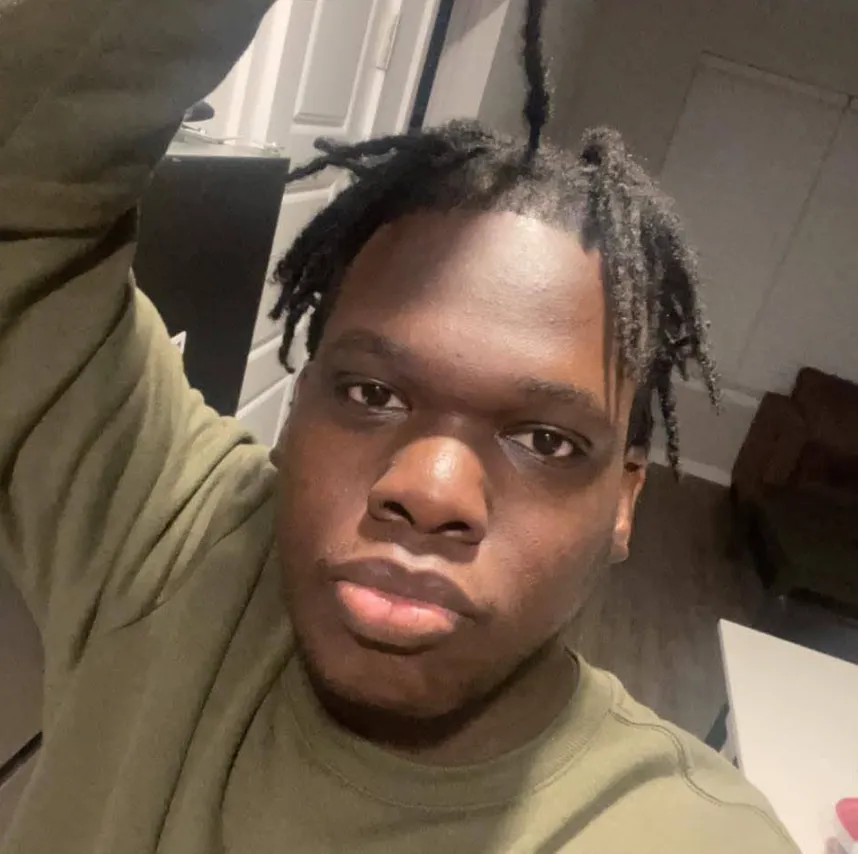
Family photos revealed a young man who laughed easily, whose eyes held warmth and intelligence.

He was a cousin, a friend, a student, a man with a future full of promise.

And now, he was gone.

The grief was palpable.

Pastor Boone remembered the young man who once confided in her his dreams of giving back to the community that had helped him.
He had spoken of mentoring others, of creating opportunities for youth in shelters, and of building a life where he could serve others through his education.

“That’s why it hurts so much,” Boone said. “He had so much to give, so much life ahead of him.”

Malicai’s story resonated beyond the immediate circle of family and friends.

It became a symbol of both hope and heartbreak, a reminder of what humanity can achieve in the face of adversity, and how fragile life can be.
At the University of Toledo, professors and classmates remembered a diligent student, a man who approached every task with focus and integrity.

He was generous with his time, patient in group projects, and always willing to help struggling peers understand complex material.

“He was exceptional, not just academically, but as a human being,” one professor said. “Malicai cared about people in a way that left an impression on everyone he met.”

The impact of his life rippled outward, touching countless lives in small, meaningful ways.

Community members spoke of a young man who inspired them by example, proving that perseverance, kindness, and determination could overcome adversity.
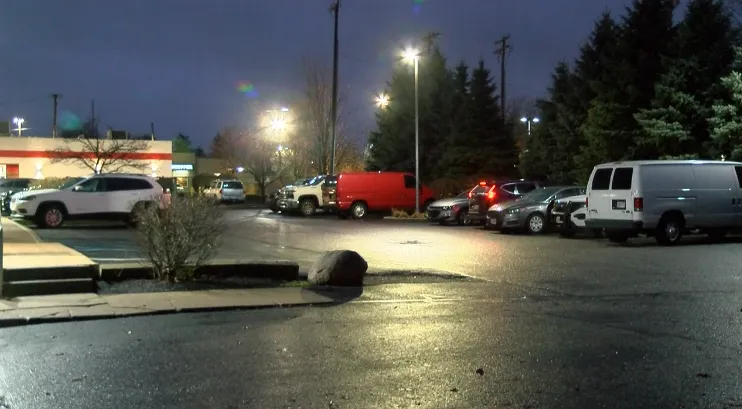
Even in death, his story compelled people to reflect on the importance of compassion, empathy, and vigilance in protecting the vulnerable.

The ongoing investigation into his death left lingering questions, but one truth was undeniable: Malicai Calder had lived a life full of purpose, a life that mattered.

He was more than a statistic, more than a news headline; he was a human being whose light illuminated the lives of those around him.

His family, though grieving, vowed to honor his memory.

They spoke of him at gatherings, shared his achievements, and reminded young people that even in the darkest circumstances, it is possible to rise.

“Malicai’s story is not just about tragedy,” Carolina Thomas said. “It’s about hope, resilience, and the power of giving. That is what we must remember.”
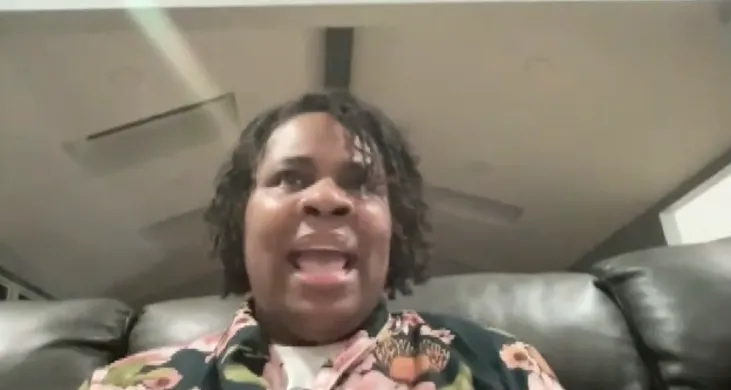
Communities mourned together, drawing strength from the memory of a life lived with integrity and compassion.

Even in sorrow, the legacy of Malicai Calder endures.

It is found in the shelter that shared his story, in the classroom that welcomed him, in the hearts of those who loved him, and in the countless lives he touched with his kindness.

His death is a reminder of life’s fragility, but also a testament to the impact one person can have on the world around them.

Malicai’s journey—from hardship to achievement, from struggle to success—remains a story that will inspire generations.

Though gone too soon, his spirit lives on in every young person who dares to dream, every act of kindness carried out in his memory, and every life touched by his unwavering determination.

In remembering Malicai Calder, the world is reminded that courage, generosity, and perseverance can shine brightly, even in the darkest of times.

His life, his struggles, his victories, and his love continue to resonate, leaving behind a legacy that is both heartbreaking and inspiring.

Leave a Reply

Your email address will not be published. Required fields are marked *

In the Shadows of the Parking Lot: The Ongoing Search for Kierra McNeil’s Killer 4172

Who Waited for Her in the Parking Lot

August evenings in Cordova, Tennessee, are often unremarkable.
The air hangs warm, storefront lights hum quietly, and people move in and out of errands without a second thought.

On one such evening in 2020, a woman named Kierra McNeil parked her car and waited.

Kierra was thirty-two years old.
She was six months pregnant, carrying a life that had already begun to shape her plans and her hopes.

She did not know that both of their lives would end in that parking lot.

According to her mother, Kierra went to the Walgreens to meet someone.
The meeting was supposed to be a conversation about her child.

Nothing about it suggested danger.

Kierra arrived first and stayed in her car.
She waited, engine off, phone nearby, expecting the other person to show up.
That waiting would become her final act.

Homicide investigators later said Kierra was ambushed.
There was no argument, no warning, no chance to escape.
Gunfire shattered the stillness and ended everything.

She was shot while seated in her vehicle.

The wounds were fatal.
Her unborn baby did not survive.

By the time help arrived, it was too late.
The parking lot, meant for quick errands and everyday life, had become a crime scene.

Two lives were gone before anyone could intervene.

News of the killing spread quickly through the community.
Shock turned into grief, and grief hardened into questions.
How could something so violent happen in such an ordinary place?

Kierra McNeil was not anonymous to the people who loved her.
She was a daughter, a partner, a woman preparing to become a mother.
Her death ripped a hole through her family that has never closed.

Her mother spoke publicly in the days that followed.
She described a daughter who was excited and cautious, hopeful but grounded.
She described a life interrupted without reason.

For investigators, the case opened with urgency.

A pregnant woman murdered in public demanded answers.
The pressure to find those answers was immediate.

In the months that followed, suspicion turned toward Kierra’s boyfriend at the time.
He was the father of her unborn child.

Charges were eventually filed.

For a moment, it seemed the case might move toward resolution.
Families often cling to that moment, believing justice is close.
But evidence matters, and evidence was not enough.

The charges were later dropped due to a lack of proof.
No conviction followed.
No one was held responsible.

With the case unresolved, time moved forward in cruel ways.
Birthdays passed that Kierra would never see.

A child who should have been born never took a breath.

The Walgreens parking lot returned to normal.
Cars parked, people shopped, and life continued.
But for Kierra’s family, nothing was normal again.

Unsolved cases create a different kind of grief.
There is no verdict to absorb, no sentence to process.
There is only waiting.

Waiting for a phone call.
Waiting for a tip.

Waiting for someone, somewhere, to say something that changes everything.

Years passed, and the case remained open.
Rumors surfaced and faded.
The truth stayed hidden.

Kierra’s mother refused to let her daughter’s name disappear.

She spoke again, urging the public to remember.
She asked for help, not sympathy.

The Shelby County District Attorney’s Office joined that plea.
Officials publicly asked anyone with information to come forward.

They made it clear the case was not closed.

Justice delayed is not justice denied, they said.
But delay weighs heavily on families left behind.
Every year without answers compounds the loss.

Kierra’s story became a question mark etched into memory.
Who asked her to meet that night.
Who waited in the shadows.

Who knew she was pregnant.
Who knew she would be alone in her car.

Who decided she would not leave that parking lot alive.

These questions haunt the spaces where answers should be.
They echo in courtrooms that have not yet been filled.
They linger in the silence of an unsolved file.

Kierra was not reckless that night.
She was not out seeking danger.
She was trying to have a conversation about her child.

The violence that found her was intentional.
An ambush requires planning.

It requires someone willing to pull a trigger without hesitation.

Her unborn baby was never given a name.
Never given a chance to exist outside the womb.
Yet that baby is still mourned.

Two lives ended together.
A mother and a child bound by blood and fate.
Both taken in a single moment.

Communities often measure time by landmarks.
For Kierra’s loved ones, time is measured in before and after.

Before Walgreens, and after Walgreens.

Friends remember her laughter and her caution.
They remember her talking about the future.
They remember how excited she was to become a mother.

That future was stolen without explanation.
And explanation matters.
Because without it, grief has nowhere to go.

Cold cases do not go cold for families.
They remain burning questions that never cool.
They live in photographs and unfinished plans.

Kierra McNeil was thirty-two forever.
She will never age beyond that moment.
Her child will never grow.

The public plea remains open.
Someone knows something.
Someone has held the truth for years.

A parked car.
A waiting woman.
A sudden attack.

These details are known.
What is missing is the name of the person responsible.
That absence is the loudest part of the story.

Until answers come, remembrance matters.
Saying Kierra’s name matters.
Refusing to let her become just another unsolved case matters.

Justice is not only about punishment.
It is about acknowledgment.
It is about telling the truth out loud.

Kierra deserved to walk back into that Walgreens.
She deserved to drive home.
She deserved to give birth.

Her baby deserved a first cry.
A first breath.
A first chance.

The parking lot still exists.
The case file still exists.
The hope for answers still exists.

Somewhere, someone knows who killed Kierra McNeil.
That knowledge carries weight.
It carries responsibility.

The years have passed, but the question has not changed.
Who waited for her in the parking lot.
Who took two lives and walked away.

Until that question is answered, her story remains unfinished.
A chapter torn out before the ending was written.
A life interrupted but not forgotten.

Rest in peace, Kierra McNeil.
Rest in peace to her unborn baby.
Forever thirty-two, forever remembered.

A Promise Left Unfulfilled: The Legacy of Malicai Calder’s Determination and Heart 3249c

The city of Toledo, Ohio, woke on a cold Tuesday morning to a story that would ripple through the hearts of its residents.

The search for 27-year-old Malicai Calder had ended in a tragedy so cruel that it seemed impossible to grasp.

For ten long days, the young man’s disappearance had left friends, family, and strangers alike on edge, praying for news of his safety.

He was last seen on November 15, and by November 22, the city knew he was missing.

Police launched an intensive search, combing neighborhoods, checking surveillance, and following every lead they could find.

But hope, fragile as it was, gave way to despair.

On the 3000 block of Mulberry Street, a seemingly ordinary work vehicle was stopped.

Inside, police found the body of Malicai Calder, his remains bearing the horrifying marks of both gunshot and stab wounds to the head.

Behind the wheel sat 32-year-old Martel Huggins, who would be taken into custody and charged with murder.

It was a revelation that left the community reeling.

For those who knew Malicai, the news was unbearable.

He was remembered not as a victim, but as a young man whose life had been defined by kindness, determination, and a desire to uplift others.

Pastor Heather Boone, who first met him when he was nineteen and living at a homeless shelter in Monroe, Michigan, recalled the spark in his eyes even then.

“He was just so eager to help. Just so sweet. Just so, just so hardworking,” Boone said, her voice trembling with grief.

Even in the harshest circumstances, Malicai’s determination to build a better life was evident.

He had no one to rely on but himself, yet he never gave up.

“He didn’t deserve this, and he was just an amazing young man, and this is heartbreaking and devastating,” Boone said.

She remembered how Malicai balanced two jobs while staying focused on his education.

Every day was a battle against exhaustion, but he faced it with unwavering dedication.

“He worked two jobs, he was so hardworking, so determined and on his own. He did this without anybody, without a lot of support,” Boone said.

Through the assistance of Boone’s church and a series of scholarships, Malicai gained admission to the University of Toledo.

There, he earned a master’s degree, a milestone that stood as a testament to his resilience and unyielding ambition.

His journey became a beacon of hope for those at the shelter, a story of triumph over adversity.

“It’s just sad because he’s our success story and when we have young people coming into the shelter, even now, we always tell the story of Malicai,” Boone said.

Malicai’s family remembered a childhood filled with challenges.

He lost his mother at a young age and was raised by extended family, a circumstance that could have hardened his spirit but instead shaped his empathy for others.

His cousin, Carolina Thomas, recalled him as a bright, generous soul who always gave more than he received.

“Malicai was so bright, such a loved person who would truly do anything and give his last to help others. He recently graduated with his master’s. This is truly upsetting to our family,” Thomas said, tears filling her eyes.

Friends described him as a person who would stop to help anyone in need, whether it was a stranger on the street or a classmate struggling to keep up with schoolwork.

He carried himself with a quiet dignity, a subtle strength that drew people to him.

Even as a child, Malicai showed signs of leadership, a natural ability to inspire and encourage.

He had an infectious optimism, a belief that tomorrow could be better if you worked for it today.

Despite the obstacles, he never let bitterness take root in his heart.

He understood loss, but he also understood compassion, and he gave both freely.

In Monroe, at the shelter where he once stayed, his story became a living example for the young people trying to find their way.

Staff often told newcomers about Malicai, pointing to him as proof that circumstances did not define destiny.

“He worked so hard to change his life,” one staff member said. “He showed everyone that it was possible to rise above. That’s the legacy he left behind.”

Malicai’s friends spoke of quiet nights spent studying, days spent working, and weekends dedicated to volunteering.

He carried an unspoken responsibility to succeed, not for himself alone, but for the many who looked up to him.

And yet, despite all he had accomplished, his life was cut short in a moment of violence that shocked the community.

The discovery of his remains inside a work vehicle on Mulberry Street was surreal.

Police confirmed that he had suffered both gunshot and stab wounds to the head, an act of brutality that seemed almost unfathomable.

Those who knew him struggled to reconcile the man they had admired with the tragic image presented by the investigation.

Even in mourning, however, memories of his laughter, his dedication, and his kindness persisted.

Neighbors recalled him helping with small acts of service, from carrying groceries to shoveling snow for the elderly.

He had a way of noticing people, of making them feel seen and valued.

Family photos revealed a young man who laughed easily, whose eyes held warmth and intelligence.

He was a cousin, a friend, a student, a man with a future full of promise.

And now, he was gone.

The grief was palpable.

Pastor Boone remembered the young man who once confided in her his dreams of giving back to the community that had helped him.

He had spoken of mentoring others, of creating opportunities for youth in shelters, and of building a life where he could serve others through his education.

“That’s why it hurts so much,” Boone said. “He had so much to give, so much life ahead of him.”

Malicai’s story resonated beyond the immediate circle of family and friends.

It became a symbol of both hope and heartbreak, a reminder of what humanity can achieve in the face of adversity, and how fragile life can be.

At the University of Toledo, professors and classmates remembered a diligent student, a man who approached every task with focus and integrity.

He was generous with his time, patient in group projects, and always willing to help struggling peers understand complex material.

“He was exceptional, not just academically, but as a human being,” one professor said. “Malicai cared about people in a way that left an impression on everyone he met.”

The impact of his life rippled outward, touching countless lives in small, meaningful ways.

Community members spoke of a young man who inspired them by example, proving that perseverance, kindness, and determination could overcome adversity.

Even in death, his story compelled people to reflect on the importance of compassion, empathy, and vigilance in protecting the vulnerable.

The ongoing investigation into his death left lingering questions, but one truth was undeniable: Malicai Calder had lived a life full of purpose, a life that mattered.

He was more than a statistic, more than a news headline; he was a human being whose light illuminated the lives of those around him.

His family, though grieving, vowed to honor his memory.

They spoke of him at gatherings, shared his achievements, and reminded young people that even in the darkest circumstances, it is possible to rise.

“Malicai’s story is not just about tragedy,” Carolina Thomas said. “It’s about hope, resilience, and the power of giving. That is what we must remember.”

Communities mourned together, drawing strength from the memory of a life lived with integrity and compassion.

Even in sorrow, the legacy of Malicai Calder endures.

It is found in the shelter that shared his story, in the classroom that welcomed him, in the hearts of those who loved him, and in the countless lives he touched with his kindness.

His death is a reminder of life’s fragility, but also a testament to the impact one person can have on the world around them.

Malicai’s journey—from hardship to achievement, from struggle to success—remains a story that will inspire generations.

Though gone too soon, his spirit lives on in every young person who dares to dream, every act of kindness carried out in his memory, and every life touched by his unwavering determination.

In remembering Malicai Calder, the world is reminded that courage, generosity, and perseverance can shine brightly, even in the darkest of times.

His life, his struggles, his victories, and his love continue to resonate, leaving behind a legacy that is both heartbreaking and inspiring.

Leave a Reply

Your email address will not be published. Required fields are marked *

Back to top button

Adblock Detected

Please consider supporting us by disabling your ad blocker