HIS SONG WAS CALLED “LIVE FAST, LOVE HARD, DIE YOUNG.” HE WAS 64 WHEN THOSE WORDS BECAME REAL. Faron Young spent over 30 years on the country charts. Five No. 1 hits. More than 40 Top 10 singles. Nashville called him “The Hillbilly Heartthrob,” and he lived up to it — loud, generous, always the life of the room. He helped unknowns like Willie Nelson, Kris Kristofferson, and Johnny Paycheck before anyone knew their names. He built businesses, founded Music City News magazine, invested in real estate. But what people didn’t talk about was this — by the early ’90s, the industry quietly moved on without him. Emphysema took his breath. Depression took the rest. His friends said he felt forgotten by the very world he helped build. On December 9, 1996, Faron shot himself at his Nashville home. He died the next day. His family said he’d “left to perform the biggest concert of his career.” He was inducted into the Country Music Hall of Fame in 2000. Four years too late. – Country Music
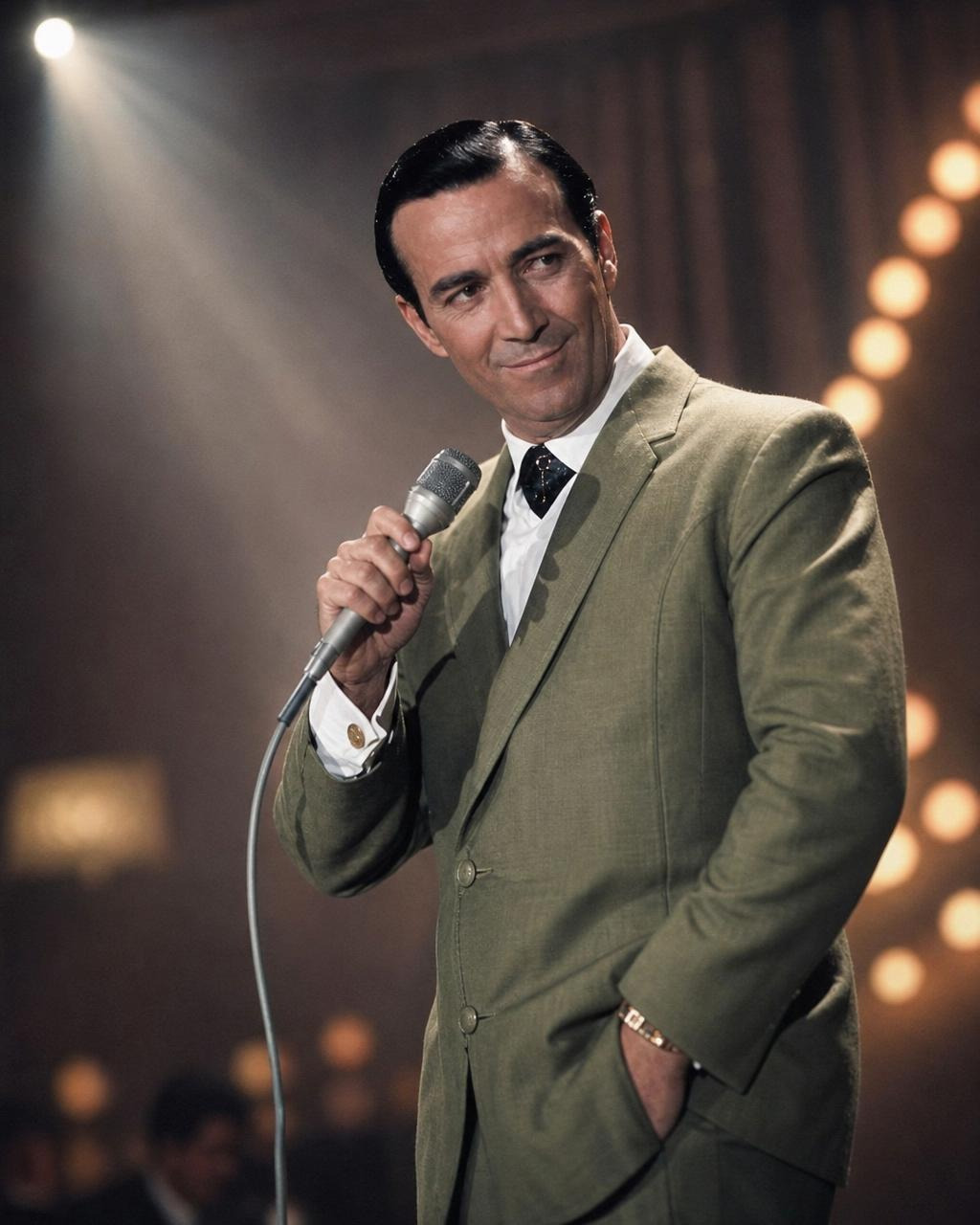
Faron Young and the Song That Outlived Him
Faron Young spent decades standing at the center of country music. He was one of the genre’s bright early stars, a man with a big voice, a bigger smile, and the kind of confidence that filled a room before he even opened his mouth. In Nashville, he was known as “The Hillbilly Heartthrob”, and the name fit. He was charming, lively, and built for the spotlight.
Over more than 30 years on the country charts, Faron Young earned five No. 1 hits and more than 40 Top 10 singles. His music traveled far, but so did his influence. Long before some of country’s biggest names became household figures, Faron Young was helping them find their footing. He gave support to artists like Willie Nelson, Kris Kristofferson, and Johnny Paycheck when they were still trying to make their names matter.
The Man Behind the Spotlight
Faron Young was not only a performer. He was a businessman with ambition. He built companies, founded Music City News magazine, and invested in real estate. He understood the music world from both sides of the stage, and he moved through it with confidence. For years, that combination made him one of Nashville’s most recognizable figures.
He was also known for being generous. People who worked with him remembered his energy and his willingness to help. He had the kind of personality that made him memorable in an industry full of strong personalities. At his best, Faron Young looked like a man who would never run out of momentum.
But time can be hard on even the brightest stars. By the early 1990s, country music had changed, and the industry that once celebrated Faron Young began to look elsewhere. He had given so much to the world around him, yet friends later said he felt quietly left behind. The applause got smaller. The invitations slowed. The music kept moving, but he was no longer always included in the conversation.
At the same time, his health was slipping. Emphysema made it harder for him to breathe, and depression weighed heavily on him. The man who had once seemed larger than life was now dealing with pain that could not be hidden behind a stage smile.
“He left to perform the biggest concert of his career.”
A Tragic Ending
On December 9, 1996, Faron Young shot himself at his home in Nashville. He died the next day. It was a heartbreaking ending for a man who had spent so much of his life entertaining others and helping shape the path of country music.
His story remains painful because it is not only about fame. It is about how easily someone can be celebrated one decade and overlooked the next. Faron Young had once stood at the front of the crowd, but in his final years, he carried a silence that many around him did not fully see.
Recognition Came Late
In 2000, Faron Young was inducted into the Country Music Hall of Fame. It was a long-overdue honor, but it arrived four years after his death. The recognition confirmed what many fans had always known: Faron Young mattered deeply to country music, and his voice helped define an era.
Today, his life feels like a reminder that success and loneliness can exist side by side. Faron Young left behind songs, memories, and a legacy built on talent, generosity, and ambition. He also left behind a warning about what can happen when a legend is allowed to fade too quietly.
His music still plays, and his name still carries weight. But his story asks for more than admiration. It asks for attention, care, and remembrance.
Post navigation
Johnny Horton had the kind of success most singers only dream about. His voice was on the radio, his records were selling, and The Battle of New Orleans had made him a star. By the late 1950s, his name belonged beside the biggest figures in country music. He was young, talented, and moving fast.
But fame does not always silence fear. Around Johnny Horton, there was a growing sense that something heavy followed him. He had seen how quickly the country music world could change, and he knew the shadow left by Hank Williams was impossible to ignore. Then Johnny Horton married Billie Jean, Hank Williams’ widow, and the feeling became even harder to shake.
To the people around him, it may have sounded like a passing worry. To Johnny Horton, it seemed personal. He reportedly spoke about the possibility of meeting the same fate as Hank Williams, as if history had already written part of his story. That fear would later feel eerie, because the final chapter of Johnny Horton’s life lined up with details that seemed almost impossible to plan.
A Final Show That Felt Familiar
On November 5, 1960, Johnny Horton performed at the Skyline Club in Austin, Texas. It was his last show. What made that night so unforgettable was not only that it was the end of his career, but that the Skyline Club had also been the site of Hank Williams’ final performance in 1952. Eight years apart, two country legends stood on the same stage for their last acts before everything changed.
Some moments feel ordinary while they are happening. Only later do they reveal how strange they really were.
No one in the room that night could have fully understood the weight of that coincidence. The audience heard music, applause, and one more performance from a rising star. They did not know they were witnessing the end of a life that still had years ahead of it.
The Road North and a Sudden Ending
After the show, Johnny Horton drove toward Shreveport. Near Milano, Texas, his car was struck head-on on a bridge by a drunk driver who crossed the center line. Johnny Horton was 35 years old when he died.
The loss shocked fans and devastated those who knew him. A career that had seemed to be climbing still faster came to a sudden stop. For Billie Jean, the grief was especially painful. She was 27 years old and had now buried two husbands, both country legends, both tied to one of the most haunting chapters in the genre’s history.
Why the Story Still Stays With People
Johnny Horton’s story continues to be remembered because it feels larger than coincidence. A successful singer. A widow connected to an earlier legend. The same final stage. The same fragile ending. Even without adding mystery, the facts alone carry a deep emotional weight.
Country music has always held close to real life: love, loss, travel, memory, and the hard truth that no amount of fame can protect anyone from fate. Johnny Horton lived fast, sang loudly, and left behind songs that still matter. His final night and final drive remind us how quickly a bright career can turn into legend.
In the end, Johnny Horton did not become a story because people wanted drama. He became one because the details were real, and the timing was unforgettable. Some lives end quietly. Others leave behind echoes that never fully fade.