HIS FIRST NO.1 WAS CALLED “YOU ALWAYS COME BACK TO HURTING ME.” BY THE END, JOHNNY RODRIGUEZ’S LIFE SOUNDED PAINFULLY CLOSE TO THAT TITLE. Johnny Rodriguez was 18 when a voice behind Texas jail bars changed everything. He had gotten into trouble young, but when someone heard him sing, the road opened in a way nobody could have predicted. A few years later, the kid from Sabinal became the first major Mexican American country star, topping the charts with a song whose title now feels almost too heavy: “You Always Come Back (To Hurting Me).” Six No.1 hits followed. Twenty Top 10s. English and Spanish slipping through country radio like Nashville had finally learned a new accent. Then came the harder years. Drugs. Alcohol. A 1998 shooting in his mother’s home. He was acquitted, but the spotlight never loved him the same way again. Johnny died on May 9, 2025, at 73. He opened a door for Latino country artists, but the Country Music Hall of Fame never opened one for him. Some doors only open from the outside. – Country Music
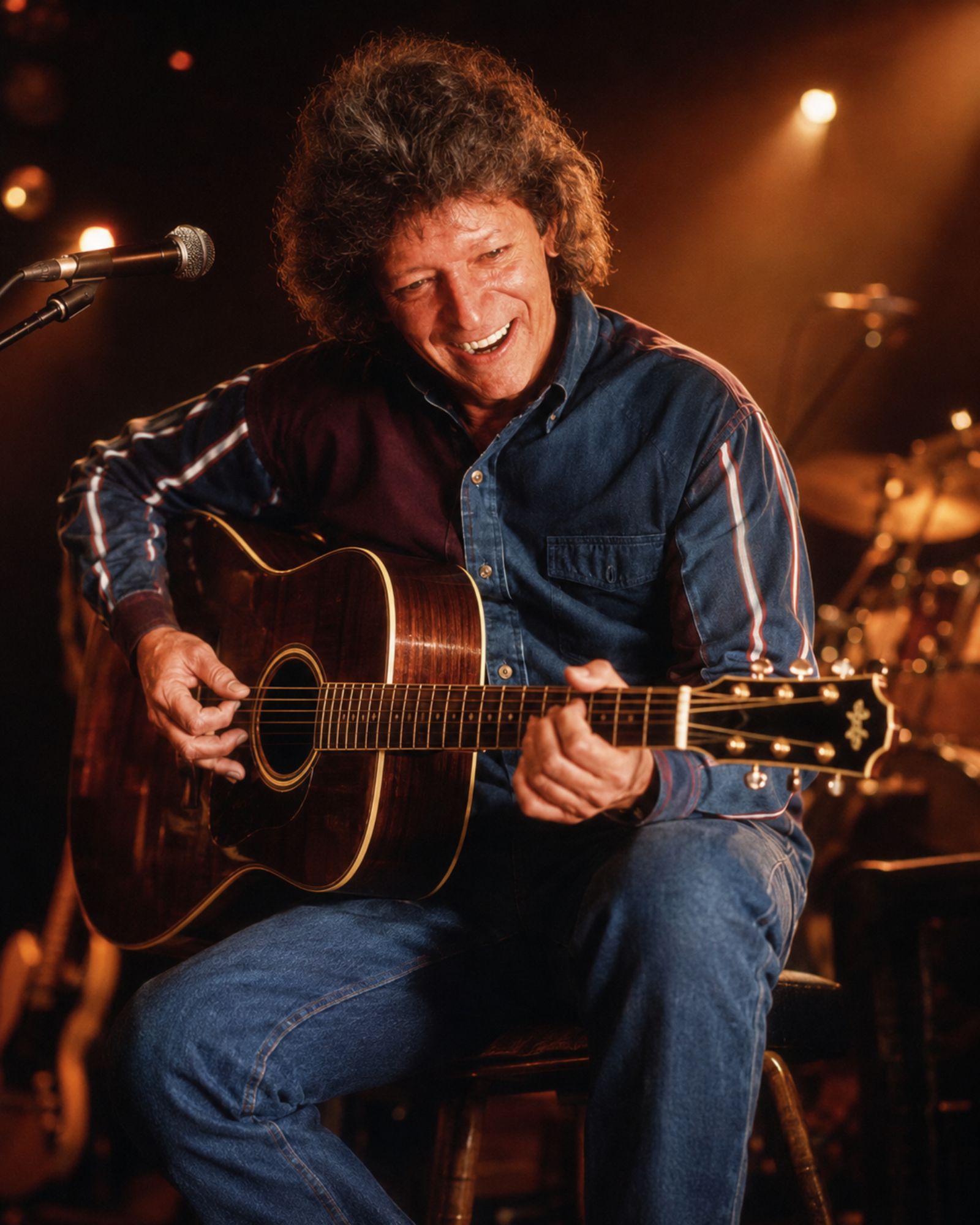
Johnny Rodriguez and the Song That Seemed to Foreshadow His Life
Johnny Rodriguez was only 18 when a voice heard behind Texas jail bars changed the direction of his life. He had already made mistakes that landed him in trouble, but he also had something rarer: a sound that made people stop and listen. One moment he was a young man from Sabinal with an uncertain future, and the next he was being told that his singing could take him far beyond the place where he started.
That kind of discovery does not happen every day. In Johnny Rodriguez’s case, it happened just in time. The door that opened for him was not smooth or easy, but it was real. Once the music business heard him, the path ahead became clearer. Nashville, which had long moved to one rhythm and one image, suddenly had room for a new kind of star.
A New Sound Arrives in Country Music
Johnny Rodriguez became the first major Mexican American country star, and that fact alone made his rise historic. He brought a voice, style, and identity that widened the picture of who could belong in country music. His songs crossed language and cultural lines without losing their emotional center. English and Spanish moved through his career naturally, as if country radio had finally learned to hear more than one accent.
His first No. 1 hit was “You Always Come Back (To Hurting Me),” a title that already sounds like a warning. It is the kind of song name that lingers because it feels bigger than a hit record. It feels like a statement about heartbreak, loyalty, and the strange way people return to what wounds them. For Johnny Rodriguez, the success was immediate, but the title would later seem uncomfortably close to the shape of his own life.
“You Always Come Back (To Hurting Me)” became more than a chart-topper. It became the song people remembered when they tried to explain Johnny Rodriguez’s complicated story.
What came after was even more impressive. Johnny Rodriguez earned six No. 1 hits and twenty Top 10 singles. That is not just a successful run; it is a major chapter in country music history. At his best, he was confident and charismatic, with a voice that could carry sorrow without sounding defeated. He seemed to belong in the spotlight, even when the spotlight was not always kind to him.
Success, Pressure, and the Weight of Fame
Fame can be generous, but it can also be relentless. The same attention that lifts an artist can expose every weakness, every private struggle, and every bad turn. Johnny Rodriguez faced the pressures that often come with rapid success, and over time, those pressures took their toll. Drugs and alcohol became part of the harder years, and the story that began with promise grew more complicated and painful.
Then came the 1998 shooting at his mother’s home, a moment that shocked many people who had followed his career. Johnny Rodriguez was acquitted, but the event left a mark that could not simply be erased by a legal outcome. Public life changed after that. The music was still there, and the legacy was still there, but the broad, easy affection of the early years never quite returned in the same way.
That is one of the hardest truths about fame: the audience may remember the hits, but it also remembers the headlines. Johnny Rodriguez lived long enough to see both sides of that reality. He had helped open a door for Latino country artists, but he also experienced how quickly that door can narrow again when life becomes messy.
A Legacy Bigger Than the Ending
Johnny Rodriguez died on May 9, 2025, at the age of 73. By then, his story had become larger than a chart record or a scandal or a single tragic headline. It had become a reminder that influence is not always rewarded fairly. He helped reshape country music, but the Country Music Hall of Fame never opened its doors to him.
For many fans and observers, that absence said as much as any award might have said. Johnny Rodriguez was not just another singer with a few big songs. He was a trailblazer whose success made room for others. He showed that a Mexican American artist could stand in the center of country music and be accepted by millions.
And yet, the final chapter of his life leaves people with a quiet ache. The title of his first No. 1 hit now sounds almost too fitting, as if it had been waiting for the rest of the story to catch up. “You Always Come Back (To Hurting Me)” was never meant to describe a life, but in hindsight it feels painfully close.
Some doors only open from the outside. Johnny Rodriguez walked through one of them and changed the shape of country music forever. The ending was harder than the beginning, but the legacy remains: a young man heard behind bars who became a star, a pioneer, and a voice that refused to be forgotten.
Post navigation
When people remember Loretta Lynn, they often remember her for telling women the truth. She sang about marriage, pride, heartbreak, and the everyday pressure of being a woman in a world that expected silence. Her voice had grit, but it also had honesty. She never sounded like she was trying to impress anyone. She sounded like she was telling the truth because no one else would.
But one of Loretta Lynn’s most powerful songs was not about a kitchen-table argument or a husband who strayed. It was about war. More specifically, it was about the pain of watching the man you love get taken away by duty, distance, and fear. That song was “Dear Uncle Sam”, and it showed a side of Loretta Lynn that many listeners did not expect. She was not just singing for women in troubled marriages. She was singing for families waiting at home, trying to hold themselves together while the world kept moving.
A Song About Waiting
“Dear Uncle Sam” was released in the 1960s and climbed into the country Top 10, becoming one of Loretta Lynn’s bold early records. On the surface, it sounds simple. A wife writes a message to Uncle Sam, asking for her man back. But beneath that simple idea is something bigger: the quiet fear that comes when love is interrupted by something no one at home can control.
Loretta Lynn did not perform the song like a political speech. She did not turn it into a lecture. Instead, she sang it like a woman sitting alone, looking at the door, and trying not to cry until after everyone else is asleep. That emotional honesty is what made the song hit so hard. It did not tell listeners what to think. It let them feel what waiting can do to a person.
Some songs argue. Some songs comfort. This one did both at once.
Why It Stood Out
At a time when many country songs stayed close to home, Loretta Lynn was willing to reach into bigger American stories. “Dear Uncle Sam” connected personal love to national service in a way that felt immediate and human. It was not abstract. It was not about headlines. It was about a house with one less chair at the table, one less voice in the room, and one more lonely evening to get through.
That is part of what made Loretta Lynn special. She could take a subject people were afraid to discuss too directly and make it feel familiar. She gave emotion a country accent. She made private pain sound public, but never in a way that felt forced. Her strength was not in shouting. Her strength was in telling the truth plainly enough that everyone recognized it.
The Power of Plainspoken Courage
For many fans, Loretta Lynn’s legacy is tied to songs that challenged expectations. She wrote and sang from the viewpoint of women who were tired of being dismissed, judged, or ignored. “Dear Uncle Sam” expanded that legacy. It proved that Loretta Lynn could sing about duty, sacrifice, and fear without losing the emotional directness that made her famous.
The song also reminded listeners that country music has always been at its best when it reflects real life. Real life includes love, but it also includes separation. It includes letters that are never easy to write, homes that feel too quiet, and the ache of not knowing when life will feel normal again. Loretta Lynn knew how to capture that ache without overexplaining it.
Why Fans Still Remember It
People often ask which Loretta Lynn song best showed her bravery. Many would point to her most famous women’s anthems. But “Dear Uncle Sam” deserves to be remembered for a different kind of courage. It was brave because it spoke softly about something serious. It was brave because it turned a family’s private worry into a song the whole country could understand.
That is why the record still matters. It was never just about one woman and one man. It was about the feeling of being left behind and trying to stay hopeful anyway. It was about love under pressure. It was about the emotional cost of duty. And it was about Loretta Lynn doing what she always did best: saying what everyone felt, but had not found the words to say.
Do you know which Loretta Lynn song this is? If you guessed “Dear Uncle Sam,” you know that Loretta Lynn’s greatest power was never just rebellion. It was empathy. She could make the country listen to the quiet truth hiding inside an ordinary life, and that is what made her unforgettable.