Heartbreak and Betrayal: Memphis Woman Sentenced for Pastor’s Murder 4400
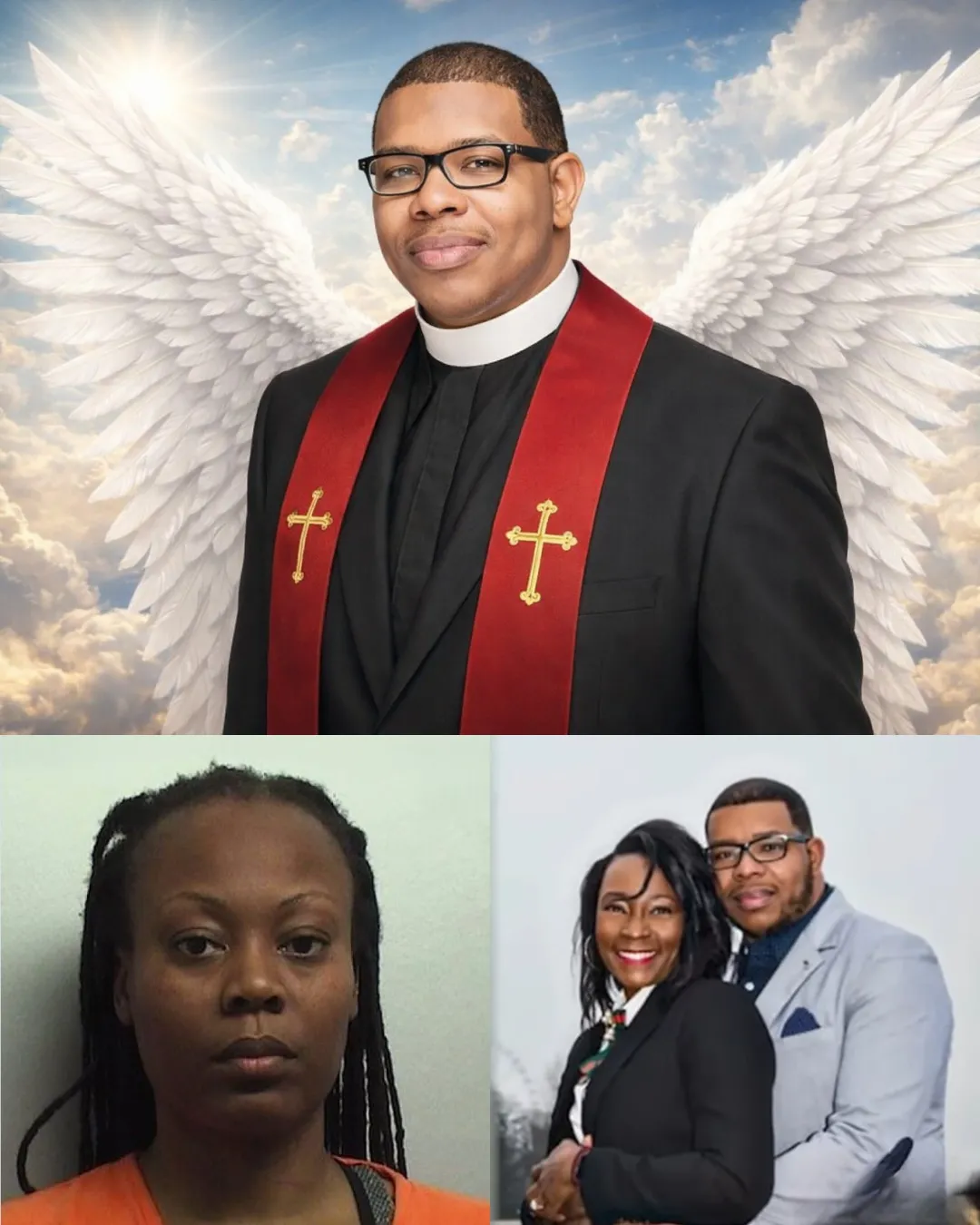
MEMPHIS, Tennessee — It began like any other morning. The world outside continued its routine as if nothing extraordinary was about to unfold. But behind closed doors, a story of violence, sorrow, and irreversible choices was set into motion.

This is the tragic tale of Latoshia Daniels, a mother who, in a moment of overwhelming emotional distress, took the life of a pastor and left his wife wounded. The repercussions of this act would ripple through the lives of everyone involved, from Latoshia herself to the family of the man she killed.
This story is not just about the crime committed, but the deep, silent pain that led to it—a pain that had been building for years, buried beneath the surface, until it finally exploded into violence.
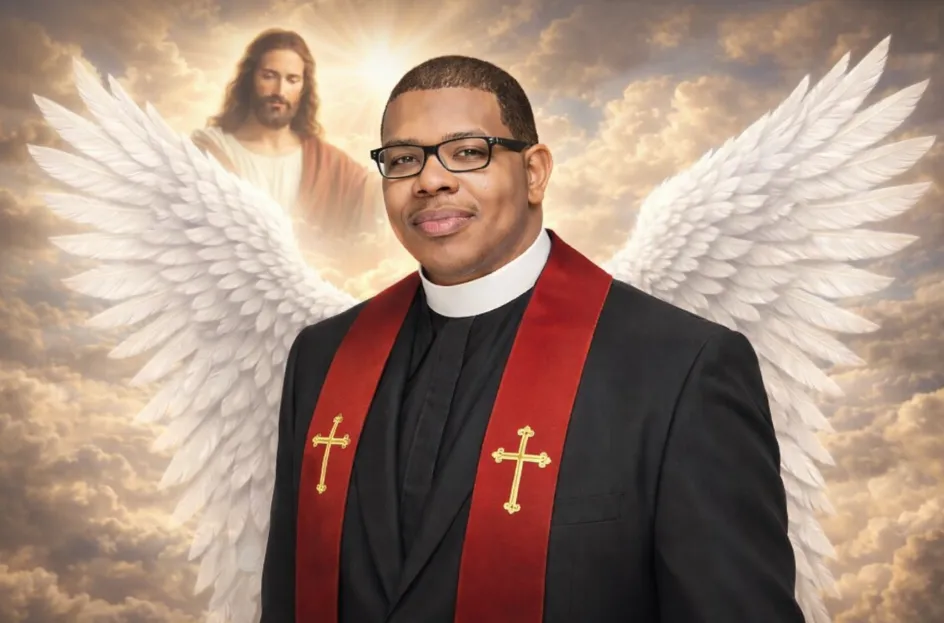
Latoshia Daniels: A Life Shaped by Unspoken Pain
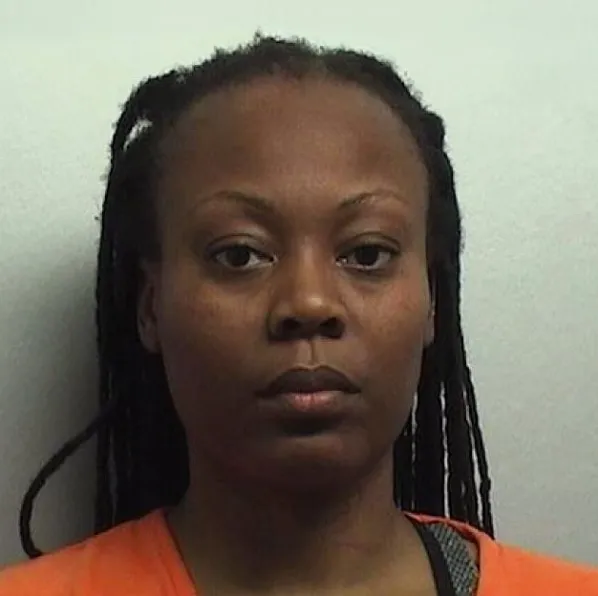
At 46 years old, Latoshia Daniels stood before a judge, sentenced to 20 years for second-degree murder and 11 months and 29 days for reckless endangerment. These sentences were to be served concurrently, but for Latoshia, the consequences of her actions were far beyond the courtroom.
In the months following the conviction, questions about her motives, her state of mind, and the events that led up to the crime would linger in the minds of many. Why did she kill Pastor Brodes Perry? Why did she target him? What drove a mother, a woman, to commit such a heinous act?
The answer lies in the painful history Latoshia carried with her. The judge, in delivering the verdict, made it clear: “A broken heart cannot justify the death of another person.”
Those words echoed in the courtroom, a chilling reminder of the destructive power of unhealed emotional wounds. Latoshia’s pain, long ignored or suppressed, had been her constant companion. It was the thing that had shaped her, defined her, and, ultimately, led her to make the decision that would forever alter her life.
Before the sentencing, Latoshia’s son, Deundre Davis, stood in the courtroom, tears streaming down his face. His words, filled with both sorrow and admiration for his mother, revealed a side of her that few had seen.
“Mom, I don’t think I’ve ever said this out loud,” Deundre said, his voice breaking. “What hurts me the most but also makes me admire you is knowing that you’ve been through so much pain, and you still chose to be strong for everyone else.

You always smiled every day.” His words painted a picture of a woman who had endured deep emotional scars but had still tried to carry on, to protect those she loved, even at great personal cost.
It’s in these moments, when the pain is so raw, so evident, that we see the complexity of human nature. Latoshia’s actions were not those of a cold-blooded killer; they were the result of a woman pushed to the brink by years of unspoken suffering. She was not just the perpetrator of a crime; she was also a victim of her own brokenness.
The Affair That Sparked Tragedy: A Crime Fueled by Betrayal
The details of the crime itself are as shocking as they are tragic. The prosecutors revealed that the murder of Pastor Perry was not a crime of passion, but a carefully planned act of violence.
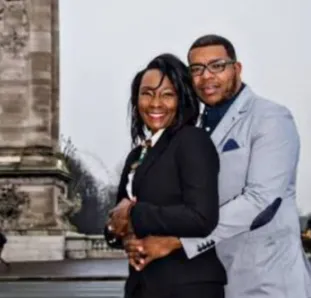
Latoshia, driven by a mixture of betrayal and heartbreak, had planned her actions meticulously. She purchased a gun in Sherwood, Arkansas, drove to Memphis, and confronted the pastor and his wife, Tabitha, at their apartment in Collierville.
The motive behind the crime was rooted in an affair that Latoshia believed to have occurred between her husband and Pastor Perry’s wife. This affair, real or imagined, had become the catalyst for the tragic events that followed.
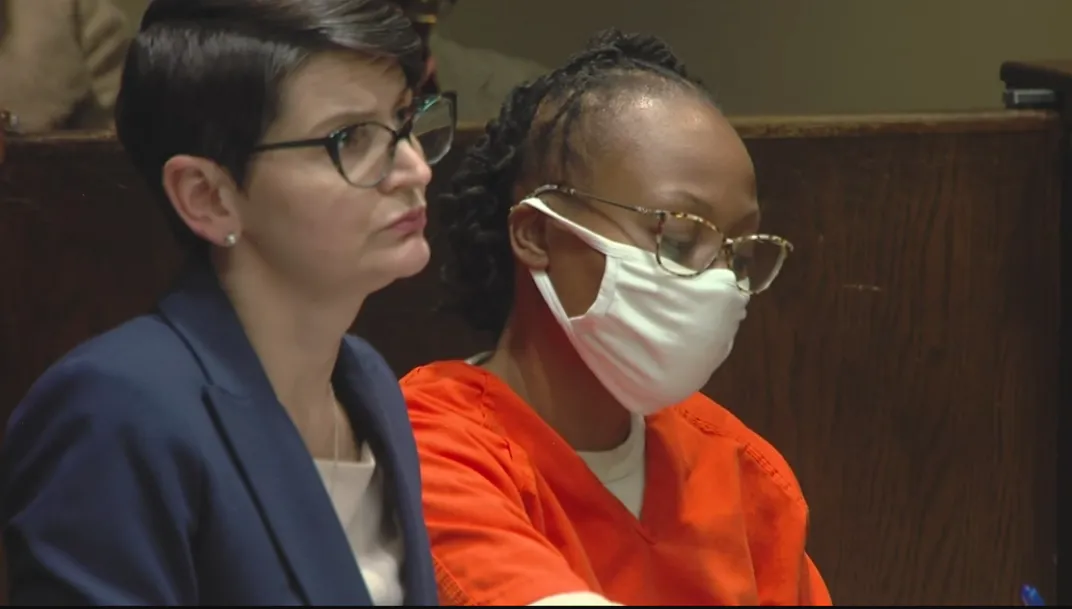
The attack was not spontaneous. It was the culmination of months, possibly years, of emotional turmoil and unresolved pain. Latoshia’s need for retribution, for closure, drove her to take matters into her own hands.
But as the details unfolded in court, it became clear that this was not simply an act of vengeance against one man. It was a manifestation of deep-seated emotional wounds that Latoshia had carried for years. And in the blink of an eye, those wounds had exploded into violence, leaving a trail of destruction in their wake.
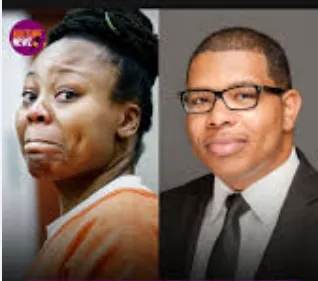
Pastor Perry, a well-respected man who had dedicated his life to serving his community, was tragically killed that day. But his wife, Tabitha, was also a victim. She was injured in the shooting, and her life, too, was forever changed.
The emotional impact of witnessing her husband’s murder was something that no one could truly comprehend. The trauma of such a loss, of such a violent and senseless act, would stay with her forever.
A Family Torn Apart: The Aftermath of the Tragedy
The aftermath of the shooting left both families shattered. For Latoshia’s family, the loss of her freedom was a devastating blow. Her son, Deundre, was left to grapple with the reality of his mother’s crime, while trying to understand the circumstances that led to it.
His grief was palpable, but so was his compassion. He recognized the immense pain his mother had been carrying for so long. His words, while filled with sorrow, also expressed a deep sense of admiration for a woman who had fought so hard to protect those she loved, despite her own brokenness.
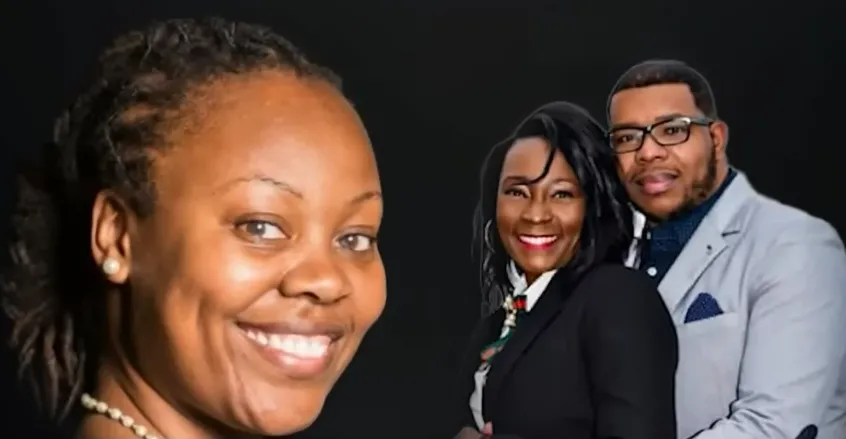
In the weeks following the trial, Latoshia’s defense attorneys expressed their disappointment with the sentence. They had requested a 13.5-year term, arguing that Latoshia’s actions were driven by years of emotional and mental pain.
But the judge’s decision was final: 20 years in prison for second-degree murder. It was a harsh reminder of the consequences of her actions, but also a reflection of the complexity of the case. It was not just about the crime; it was about the underlying issues that led to it.
Arthur Horne, one of Latoshia’s defense attorneys, stated that while they respected the judge’s decision, they did not agree with it. “In 26 years of practicing law, I’ve never had a client who worked as hard as Latoshia did.
She helped others, wrote books for families going through similar situations, and tried to make amends for her past,” Horne said.
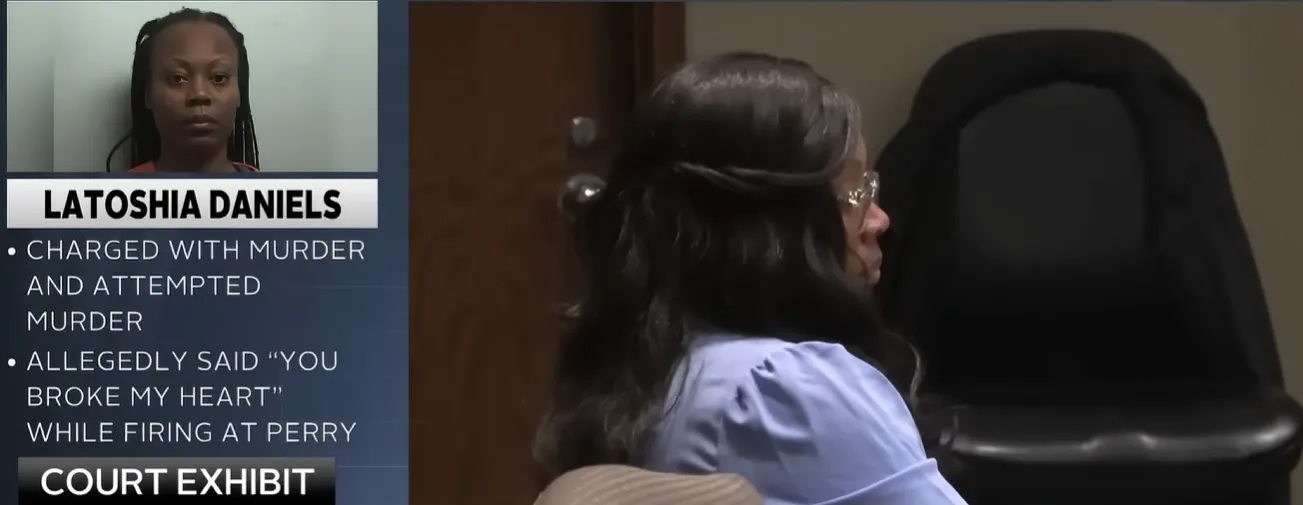
These words added another layer of complexity to the story. Latoshia was not just a criminal; she was a woman who had tried, in her own way, to make things right. But in the end, her past was too heavy a burden to overcome, and it led her down a dark path.
The Unseen Pain: The Complexities of Crime and Justice
As the trial came to a close, the larger questions remained unanswered. What drove Latoshia to commit such an act? Was it the pain of a broken heart, the betrayal of her husband, or something deeper within her that had been festering for years? And what of Pastor Perry’s family? How could they ever move past the brutal murder of their loved one? The pain was raw, and the questions were many, but the answers were elusive.
The case of Latoshia Daniels is a tragic reminder of the hidden struggles that many people face. Beneath the surface, behind every crime, there are stories of brokenness, of pain that has not been addressed, of wounds that have never healed.
Latoshia’s crime was not just an isolated event; it was the result of a lifetime of unresolved emotional turmoil. And in that moment, when everything changed, it was as if a dam had broken, unleashing all of the pain and grief that had been building for so long.
For the families involved, the journey to healing will be long and difficult. The loss of a loved one, the betrayal, the pain, and the trauma will stay with them forever. And for Latoshia, the road ahead will be equally painful.
She will spend the next two decades in prison, but the emotional scars she carries will remain long after her sentence has been served.
The Legacy of Pain and Redemption
In the end, Latoshia Daniels’ story is one of pain, regret, and the profound consequences of unresolved emotional trauma. It is a story that asks us to look beyond the headlines, to understand the complexities of human nature, and to recognize that sometimes, the greatest battles are the ones we fight within ourselves.
Her journey is not just a tale of crime and punishment, but also a reflection of the deep emotional struggles that many people face in silence.
The tragedy of Pastor Perry’s death and the pain of his family are irreplaceable. But in Latoshia’s story, there is also a reminder of the importance of healing, of addressing emotional wounds before they lead to irreversible consequences. It is a call to recognize the unseen pain in others and to offer support before it is too late.
A Moment Can Change Everything
In a single moment, a life can change forever. A decision, a split-second choice, can alter the course of not just one person’s life, but many others.
The pain that leads to such decisions may not always be visible, but it is real. And in the aftermath, the journey to redemption, to healing, and to understanding, is often long and uncertain.
For Latoshia Daniels, her moment came when her pain became too much to bear. But for the families involved, the pain continues. And in that pain, there is a call for compassion, understanding, and a deeper look into the emotional struggles that often go unnoticed until it is too late.