He Shot His Wife in a Wheelchair Over Dinner Then Went Upstairs and Killed Her Aunt 4300
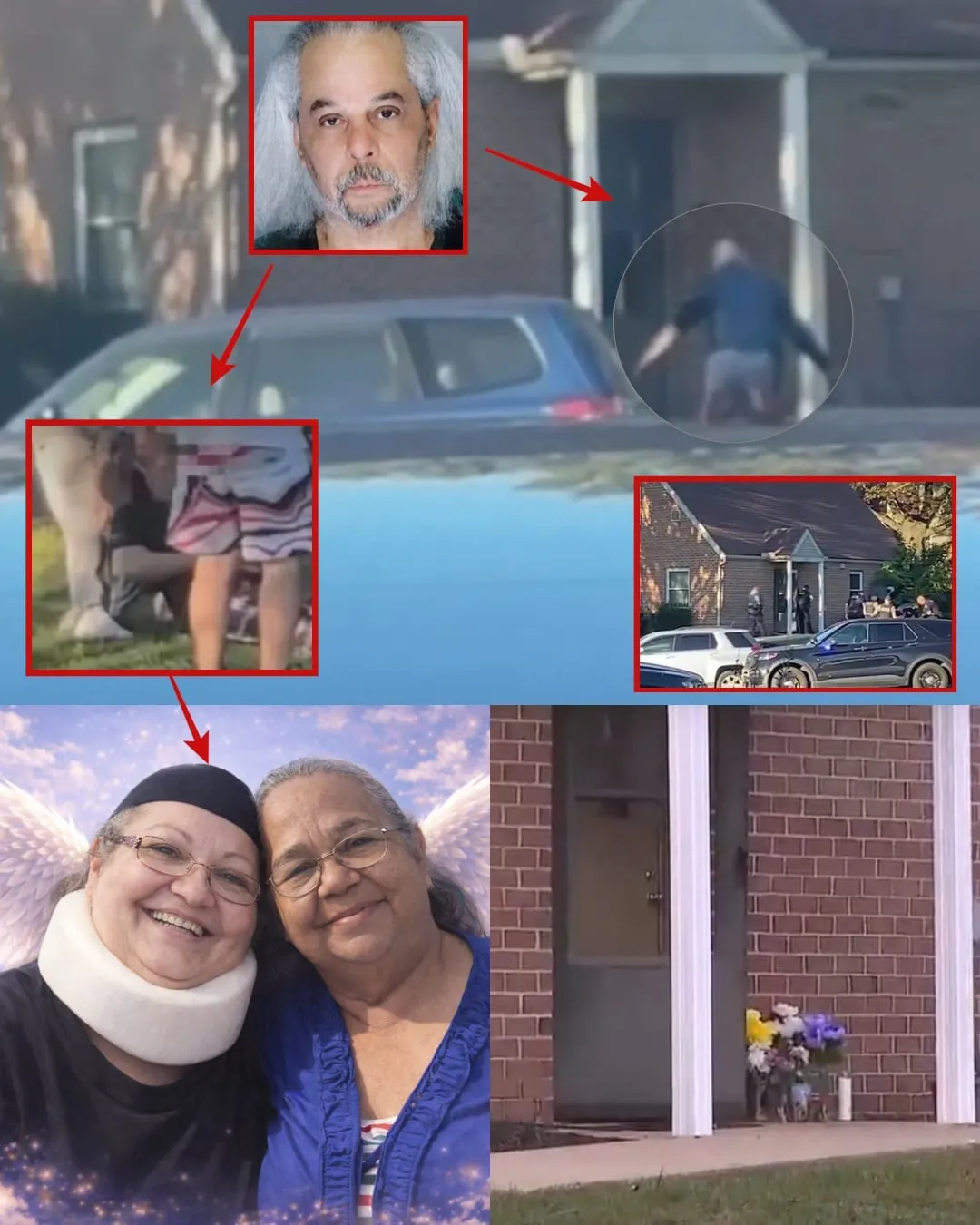
Pennsylvania Judge Calls It a “Family Massacre” as Husband Gets Back-to-Back Life Sentences
In a quiet home in West Hempfield Township, Pennsylvania, a family was forever shattered over something that might seem trivial to outsiders: a disagreement over who would make dinner.
What was meant to be a simple task became the spark that ignited a horrific act of violence that would end the lives of two family members and forever change the lives of those left behind.
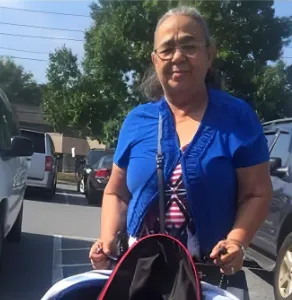
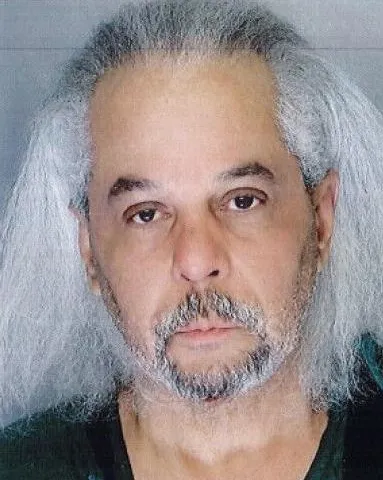
It was October 5, 2025, a day that began like any other. Santiago Payano-Sanchez, 64, and his wife, Ana Gutierrez-Cedano, had lived together for years. They had built a life, a family, and created memories in their home. But that day, the quiet rhythm of their household would come to an abrupt, tragic halt.
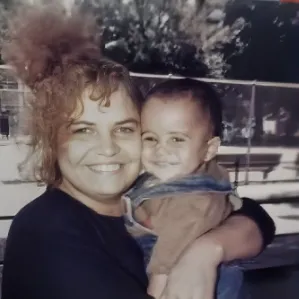
Ana, sitting in her wheelchair, was in the midst of a disagreement with her husband. Something as simple as preparing dinner had escalated into a bitter argument. It was the kind of argument that happens in so many homes, where frustration and tension boil over. But this time, it would end in a violent explosion, one that no one could have ever predicted.
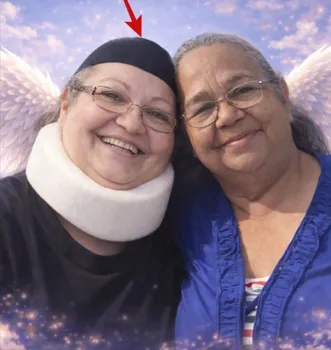
Ana, a woman confined to a wheelchair, never stood a chance. As the argument intensified, Payano-Sanchez, in a moment of rage, grabbed a gun from somewhere in the house. The details of how the weapon came into his hands remain a blur, but the result was tragically clear. He raised the gun, aimed it at his wife, and pulled the trigger.
The bullet struck Ana as she sat helplessly in her wheelchair, a place that was supposed to be her refuge. Her body slumped, but the horror did not end there. Their son, 33 years old, hearing the gunfire and rushing to protect his mother, entered the room. He tried to wrestle the weapon away from his father, shouting, “Dad, stop!” His voice, filled with desperation, would be the last thing heard by anyone who had once known the man who was now a killer.
The shot meant for Ana found its mark on their son. A bullet ripped into his stomach, leaving him critically injured. Doctors later told him that fragments of the bullet would remain in his body for the rest of his life. He had barely escaped with his life, but in that moment, his family had been ripped apart by the unthinkable actions of the very person who was supposed to love and protect them.
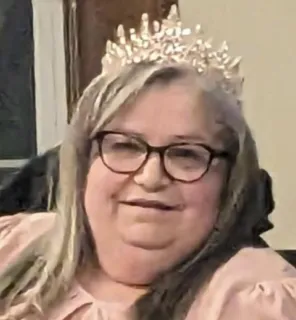
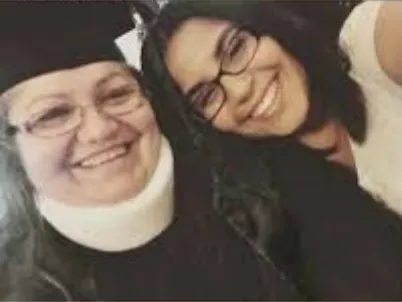
But Payano-Sanchez’s rage didn’t stop there. Instead of remorse or an attempt to save his family, he took another step in his path of destruction. After shooting his wife, he walked calmly upstairs, his feet heavy with the weight of his own actions. There, in the upstairs bedroom, he found Dominga Cedano-Cedano, his wife’s 74-year-old aunt. Without hesitation, he shot her too, ending her life in cold blood.
Two innocent lives were snuffed out in an instant. Two mothers, two women who had given life to their families, now lay dead. The horror of the crime was compounded by the fact that two small children—just 2 and 7 years old—were still in the house, trapped in the same home where the violence had unfolded. Their young minds would forever be scarred by the images of what they had witnessed—the tragic loss of family, the brutality of a father’s actions, and the senselessness of it all.
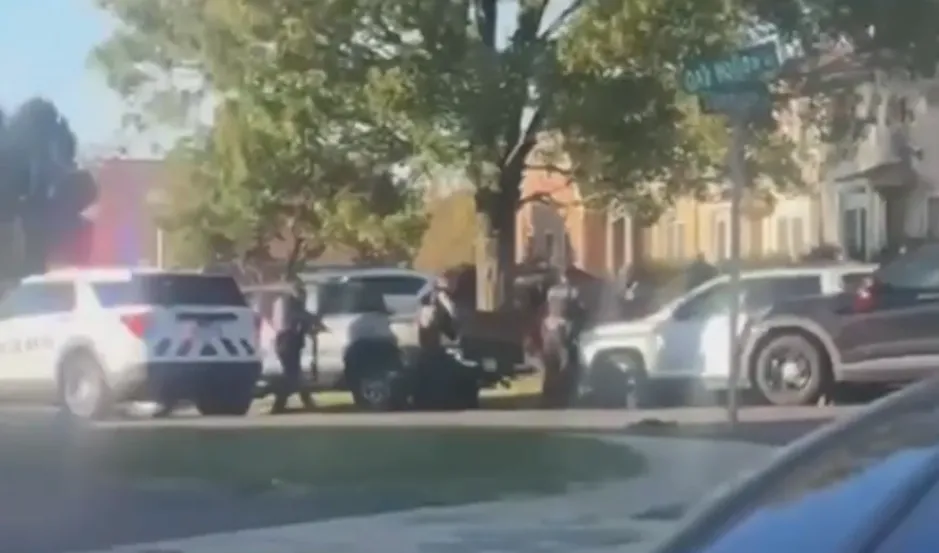
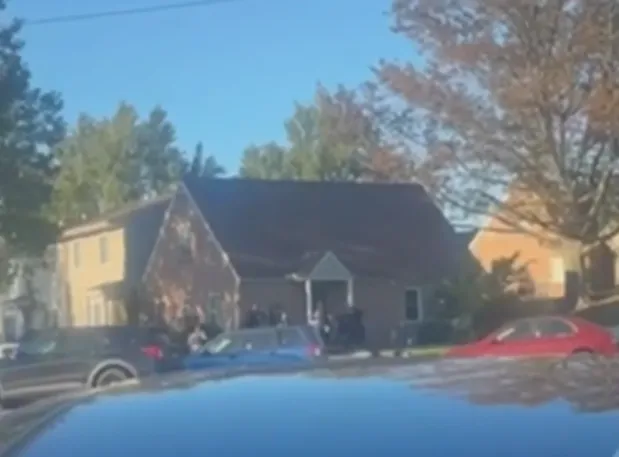
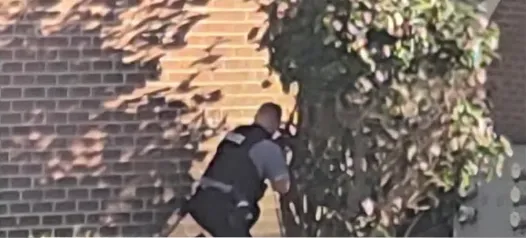
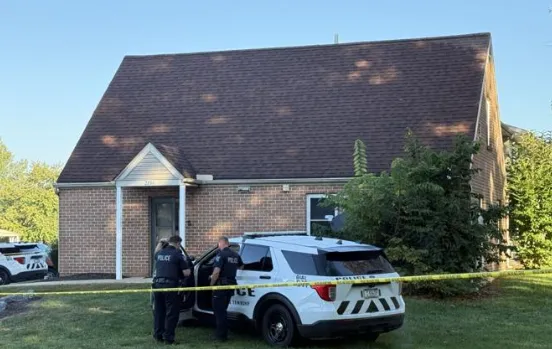
As the police arrived at the scene, they were met with the full aftermath of a nightmarish family massacre. Santiago Payano-Sanchez, standing amid the wreckage of his own life, was arrested without resistance. His family, once filled with love, joy, and laughter, had been ripped apart in a matter of minutes by the very hands that should have held them together.
In the Lancaster County courtroom, the man who had torn his family apart sat before the judge, his eyes downcast as he pleaded guilty to two counts of criminal homicide. The weight of the crime was heavy, but Payano-Sanchez offered no explanation, no justification for what he had done. Through an interpreter, he told the court, “I ask my family to forgive me.” The words seemed hollow, meaningless in the face of the devastation he had caused.
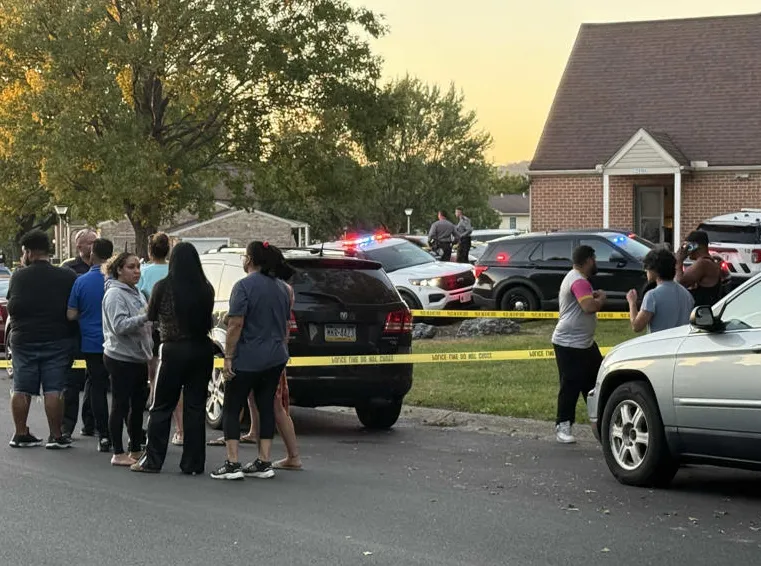
For the family, the pain of that moment would never fade. There were no words that could bring Ana or Dominga back. There were no actions that could undo the damage done by Santiago’s violent outburst. And no apology could erase the image of a father gunning down his own wife, and then killing an elderly aunt, leaving behind a trail of grief and loss that would haunt them forever.
The prosecutor in the case called the killings “senseless.” It was the kind of senseless violence that has no explanation, no rationalization. It was an act that, once committed, could not be undone. In the courtroom, as relatives spoke of the horror, there was no sense of closure, no way to heal the deep wound that had been inflicted on their family.
Payano-Sanchez was sentenced to two consecutive life terms without the possibility of parole. The judge, in his decision, referred to the crimes as a “family massacre,” a chilling reminder that what should have been a safe home had been transformed into a site of unimaginable violence.
Along with the life sentences, he was also sentenced to an additional 20 to 40 years in state prison for attempted homicide, aggravated assault, child endangerment, and possessing an instrument of crime.
The family of Ana and Dominga, once bound together by love, was now divided by grief and loss. What had been a simple argument over dinner had escalated into an unspeakable tragedy. The emotional toll of what had happened would ripple through the family for generations.
The memory of Ana and Dominga, the way they lived, laughed, and loved, would never fade. But it would be forever overshadowed by the horror of that fateful night.
As the courtroom proceedings came to a close, the true cost of this tragedy became clear. It wasn’t just two lives that were lost. It was the foundation of a family that had been shattered beyond repair. The children, who had witnessed the horrific violence, would carry that trauma with them for the rest of their lives.
The son, wounded and scarred by the violence of his father, would have to rebuild his life in the shadow of what he had lost.
The community, too, was left to pick up the pieces. Neighbors, friends, and family members who had known the Payano-Sanchez family were left to grapple with the senselessness of it all.
How could this have happened? How could a man, once a part of their community, have descended into such violence? The questions remained unanswered, lingering in the hearts and minds of everyone who had been touched by this tragedy.
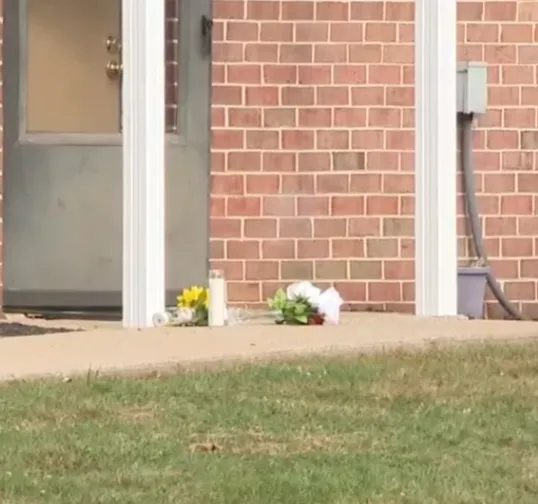
And yet, in the midst of the pain and grief, there was also a collective understanding. No one could change the past, but perhaps, in the future, something could be done to prevent such violence from happening again.
The scars of this tragedy would last a lifetime, but the memory of Ana and Dominga would live on, not as victims, but as women who had once filled their world with love.
In the end, the story of Ana Gutierrez-Cedano and Dominga Cedano-Cedano is one of senseless violence, but it is also a reminder of the fragility of life, the importance of family, and the need for compassion in the face of anger. Their deaths may never make sense, but their lives will not be forgotten.
The Day My Little Boy Just Needed His Mama 77

Some mornings begin with routine and predictability. But sometimes, life taps you on the shoulder and reminds you how fleeting childhood really is.
My morning commute takes about an hour, and today started just like any other. I dropped my son off at his elementary school and drove to my own job as a high school English teacher. But before I could even step into my classroom, my phone rang.
It was his teacher.
“He’s not feeling well,” she said. “He’s asking for you to come get him.”
I rearranged what I could and drove the 30 minutes back to his school. When I arrived, he looked small and quiet, clutching his stomach. He whispered, “I missed you,” and reached for my hand.
We drove home, where I poured him a 7-Up and offered him a snack. Within minutes, he seemed brighter, less sick than he had claimed. At first, I felt a flash of frustration—had he simply wanted to skip school?

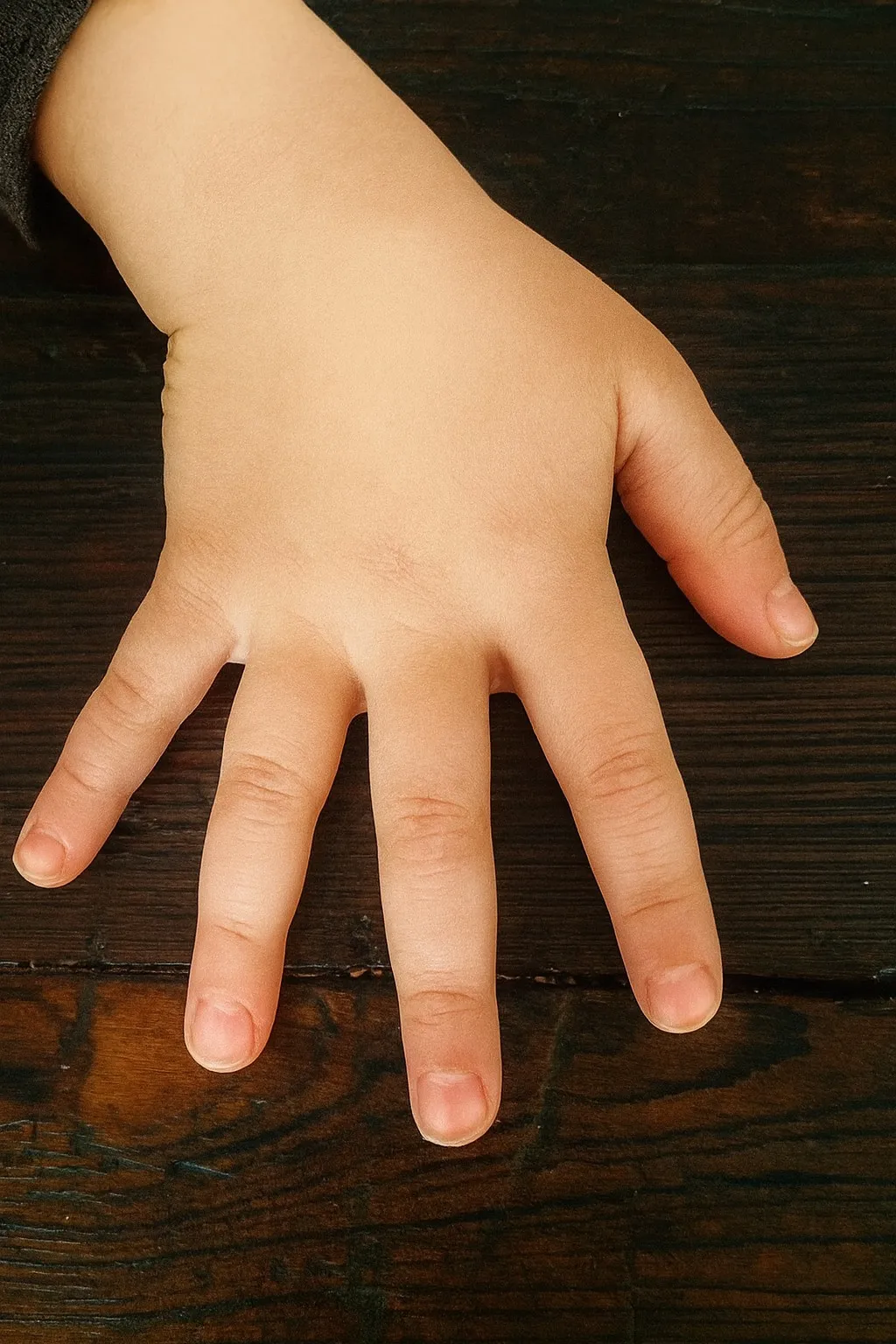
But then I saw his hands.
As he nibbled his bagel and muffin, I stared at those little hands, and a wave of emotion washed over me. His face is thinning. His neck is elongating. When he crawls into my lap, I feel ribs where there used to be the soft cushion of babyhood. His legs and arms are growing stronger, his pants are suddenly too short, and his once-blonde hair darkens with each passing month.
My little boy is becoming a big boy.
Yet, those hands—slender but still undeniably childlike—reminded me that he is still mine, still small enough to need his mama. Today, he needed to hold my hand, even if there wasn’t really a stomachache to treat.
So we spent the day together, hand in hand. We didn’t do much. We didn’t need to.
Later that afternoon, he handed me a poem he had written as a thank-you:
You say you love me.
I love you more.
I love you 100+44.
You are my best friend.
His little smile told me his stomach ache had magically disappeared the moment I arrived at school.
We talked about how this can’t become a habit, but I’m grateful he knows I’ll come for him when he truly needs me. Parenthood is a balance—teaching independence while holding space for these moments of deep, simple connection.
I know one day his hands will be bigger than mine. They will no longer reach for me in the school office, and he will not call me his best friend. Life will change, as it must.
But today, I got to hold my little boy’s hand and feel the world pause.
Tonight, as I tucked him in, I silently promised myself to notice the small things more often. To hold on to the hand that still fits inside mine. And I hope that tonight, somewhere, you take a moment to hold hands with someone you love—because these little gestures are what make life unforgettable.