HE INVENTED A GUITAR DEVICE THAT CHANGED COUNTRY MUSIC FOREVER — THEN WAS KILLED BY A DRUNK DRIVER LOADING HIS GEAR. Clarence White could do things on a Telecaster that nobody had heard before. Born in 1944, he was already a bluegrass prodigy by 15 — then joined The Byrds and helped turn country-rock into something real. Sweetheart of the Rodeo. Untitled. He was the secret weapon on records people still study. With his friend Gene Parsons, he built the StringBender — a device installed inside his guitar that bent strings to mimic pedal steel. Players still use it today. Then on July 14, 1973 — just 29 years old — he was loading equipment after a show in Palmdale, California when a drunk driver struck and killed him in the parking lot. Some musicians change the sound of an instrument. Clarence White changed what a guitar could even do — and never got to hear how far his invention traveled. – Country Music
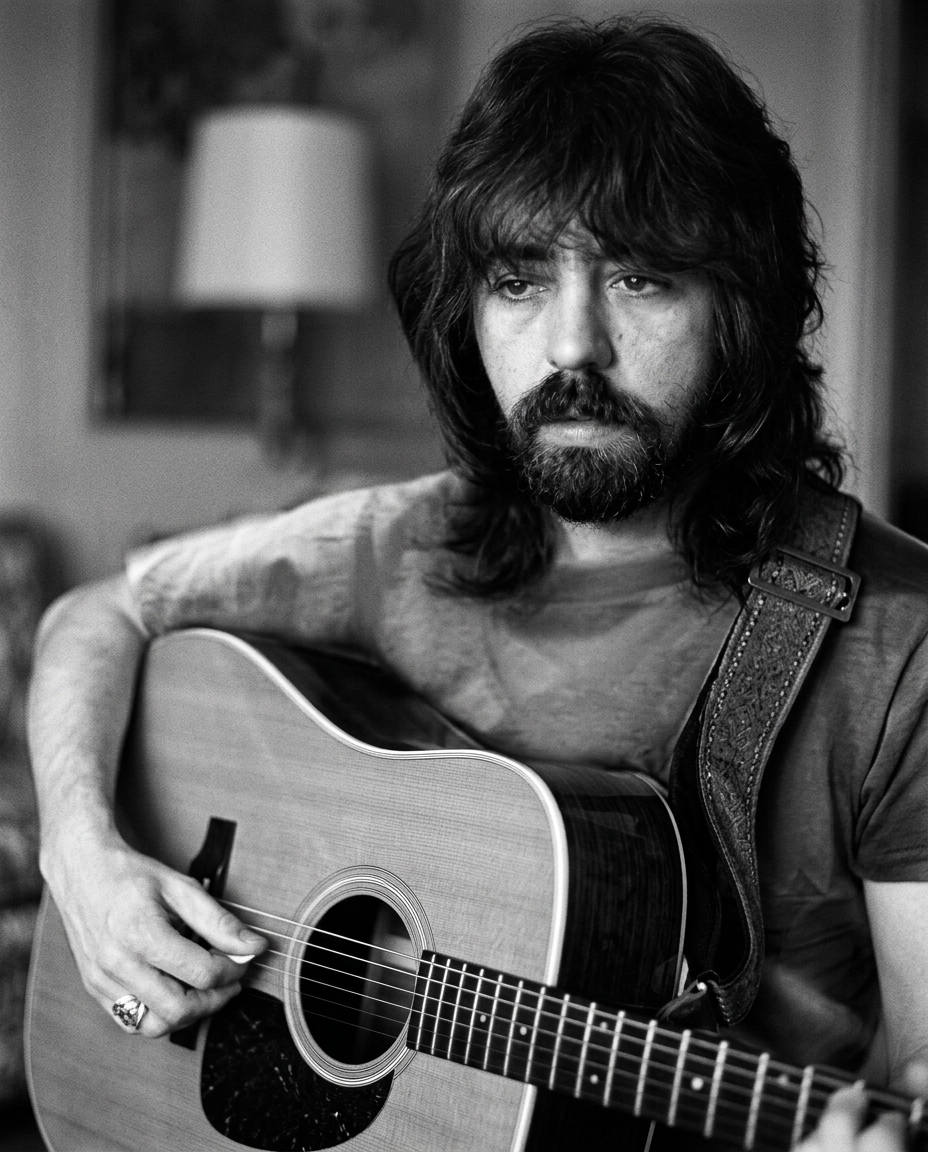
Some musicians become famous because they sing the loudest, write the biggest hits, or stand at the center of the spotlight. Clarence White took a different path. Clarence White changed music from just off to the side of the frame, with a guitar in his hands and ideas in his head that other players would spend decades trying to understand.
Born in 1944, Clarence White was already doing extraordinary things as a teenager. In bluegrass circles, Clarence White was not simply promising. Clarence White was startling. The speed, precision, and imagination were there early, but what made Clarence White unforgettable was not just technical skill. It was the feeling. Every note seemed to move with purpose, as if Clarence White already knew that a guitar could speak in a voice wider and deeper than most people expected.
From Bluegrass Prodigy to Country-Rock Architect
Before the wider rock audience fully knew the name, musicians already did. Clarence White earned a reputation as a serious force in bluegrass, then became one of those rare players who could cross into another world without losing identity. When Clarence White became part of The Byrds, that shift mattered. The Byrds had already made history, but Clarence White helped pull the band somewhere earthier, sharper, and more rooted in real country music.
Albums like Sweetheart of the Rodeo and (Untitled) are still discussed because they captured a sound that felt alive between genres. Clarence White helped make that possible. Not by overpowering songs, but by opening them up. The guitar lines felt fluid, almost vocal. They could cry, lean, and glide in a way that made listeners stop and wonder how those sounds were even being made.
The Device That Changed the Instrument
The answer was invention.
With Gene Parsons, Clarence White helped create what became known as the StringBender, later widely called the B-Bender. It was not just a clever gadget hidden inside a guitar. It was a new way of thinking. The mechanism allowed Clarence White to bend a string with remarkable control and create the singing, swooping effect of a pedal steel guitar while still playing a Telecaster.
That may sound technical on paper, but on record it felt almost magical. Suddenly, a standard electric guitar could speak with a different accent. It could ache. It could hover. It could imitate the deep emotional pull of country steel without becoming something else entirely. Clarence White did not merely invent a trick. Clarence White expanded the language of country guitar.
And that language did not disappear with one era. It traveled. Other players heard it, borrowed from it, built on it, and passed it forward. The sound spread into country, rock, and Americana. Even listeners who never learned the name Clarence White have heard the ripple of that idea.
A Sudden Ending in a Parking Lot
That is what makes the ending so hard to absorb.
On the night of July 14, 1973, after a show in Palmdale, California, Clarence White was loading gear when a drunk driver struck him in the parking lot. Clarence White was only 29 years old. There was no grand farewell, no long final chapter, no chance to watch the rest of the music world catch up to what had already been accomplished.
It is a brutal contrast. A musician who had expanded the possibilities of the guitar did not die in some mythic scene under stage lights. Clarence White died doing the ordinary work that follows the music, carrying equipment after the applause had ended. That detail makes the loss feel even heavier. It reminds us how fragile everything can be, even for artists who seem larger than life once the records begin to spin.
The Legacy Clarence White Never Got to Hear
There is something especially moving about the story of Clarence White because it is not only about talent cut short. It is about a future interrupted. Clarence White never got to hear how far the invention would travel. Clarence White never got to watch generations of guitar players chase that sound, study that touch, and realize that a quiet innovator had changed the instrument forever.
Some artists leave behind hit songs. Some leave behind a legend. Clarence White left behind a new possibility. That may be even rarer.
Clarence White did not just play the guitar differently. Clarence White changed what people believed a guitar could do.
And that is why the story still lingers. Not only because it ended in tragedy, but because the music never really ended at all.
Post navigation
When a marriage lasts more than two decades, people on the outside usually measure the ending in numbers.
They talk about property. Contracts. Businesses. Land. They wonder who kept what, who signed first, and how much it all must have cost. When Reba McEntire and Narvel Blackstock ended their marriage in 2015 after 26 years together, that was the language many people reached for. It was the easiest way to understand a private heartbreak that had unfolded in public view.
But money is often the least interesting part of a long goodbye.
Reba McEntire had built a life with Narvel Blackstock that was bigger than a typical marriage. Narvel Blackstock was not only Reba McEntire’s husband. Narvel Blackstock had also been a major part of Reba McEntire’s professional world for years. Their partnership touched home, family, routine, travel, business, and the rhythm of everyday life. When something like that ends, the loss does not stay in the courtroom. It follows a person into the kitchen, the hallway, the bedroom, the car ride home after work.
What Actually Breaks When a Long Marriage Ends
That is the part people rarely see. Not the legal paperwork, but the silence that comes after it.
For someone like Reba McEntire, silence may have been the hardest adjustment of all. Not because her world became small overnight, but because familiar habits suddenly had nowhere to go. A thought that once would have turned into a phone call stays unspoken. A meal becomes smaller without anyone announcing it. A room feels different even when nothing in it has moved. The life remains, but the shared language of that life is gone.
That is what divorce can take that money cannot replace: witness. The person who saw the ordinary version of you. The person who knew your patterns without asking. The person who could hear something in your voice before you even explained it.
Fans often see celebrities as untouchable, but heartbreak has a way of making everyone look human again. Reba McEntire could still walk onstage, still smile for the cameras, still do the work that made her one of country music’s most enduring stars. But strength in public does not cancel grief in private. Sometimes it only hides it better.
The Difference Between Survival and Healing
Reba McEntire has always carried herself with remarkable steadiness. That is part of what people love about her. There is warmth in her presence, but there is also grit. Even in difficult seasons, Reba McEntire has never seemed interested in turning pain into spectacle.
That may be why this chapter still lingers in the imagination of so many fans. It was not loud. It was not messy in the way tabloids prefer. It was quieter than that, and often quieter stories leave the deepest mark.
A person can survive a divorce and still grieve what vanished with it. Not just the marriage itself, but the invisible architecture of daily life. The old jokes. The mutual history. The way two people shape time together until even small routines begin to feel sacred.
Some losses are not measured by what leaves the bank account, but by what leaves the room.
That may be the real ache at the center of this story. Reba McEntire did not lose her talent. Reba McEntire did not lose her audience. Reba McEntire did not lose the identity she had spent decades building. But losing a longtime partner can still feel like losing the version of the future you thought had already been decided.
Why Fans Still Hear It in the Songs
Country music has always understood that the deepest pain is rarely the most dramatic. It lives in details. A chair left untouched. A name that still comes to mind first. A habit that no longer makes sense. Reba McEntire has spent a lifetime singing songs about love, memory, regret, resilience, and letting go. After a heartbreak like this, it is easy to imagine those themes landing differently.
Maybe that is why people still connect this divorce to something larger than celebrity news. It reminds them of their own endings. Their own homes that felt unfamiliar for a while. Their own brave faces shown to the world while something quieter was still healing underneath.
So yes, a divorce can cost millions. It can divide estates, alter business plans, and force painful change. But the thing that hurts most is often the one no lawyer can assign a number to.
It is the missing conversation. The missing witness. The missing everyday love that once made a house feel alive.
And that kind of loss has never been about money.