“Get That Gun Out of My Face” Father Hears Son’s Last Words in Tragic Norfolk Parking Dispute Shooting 4194
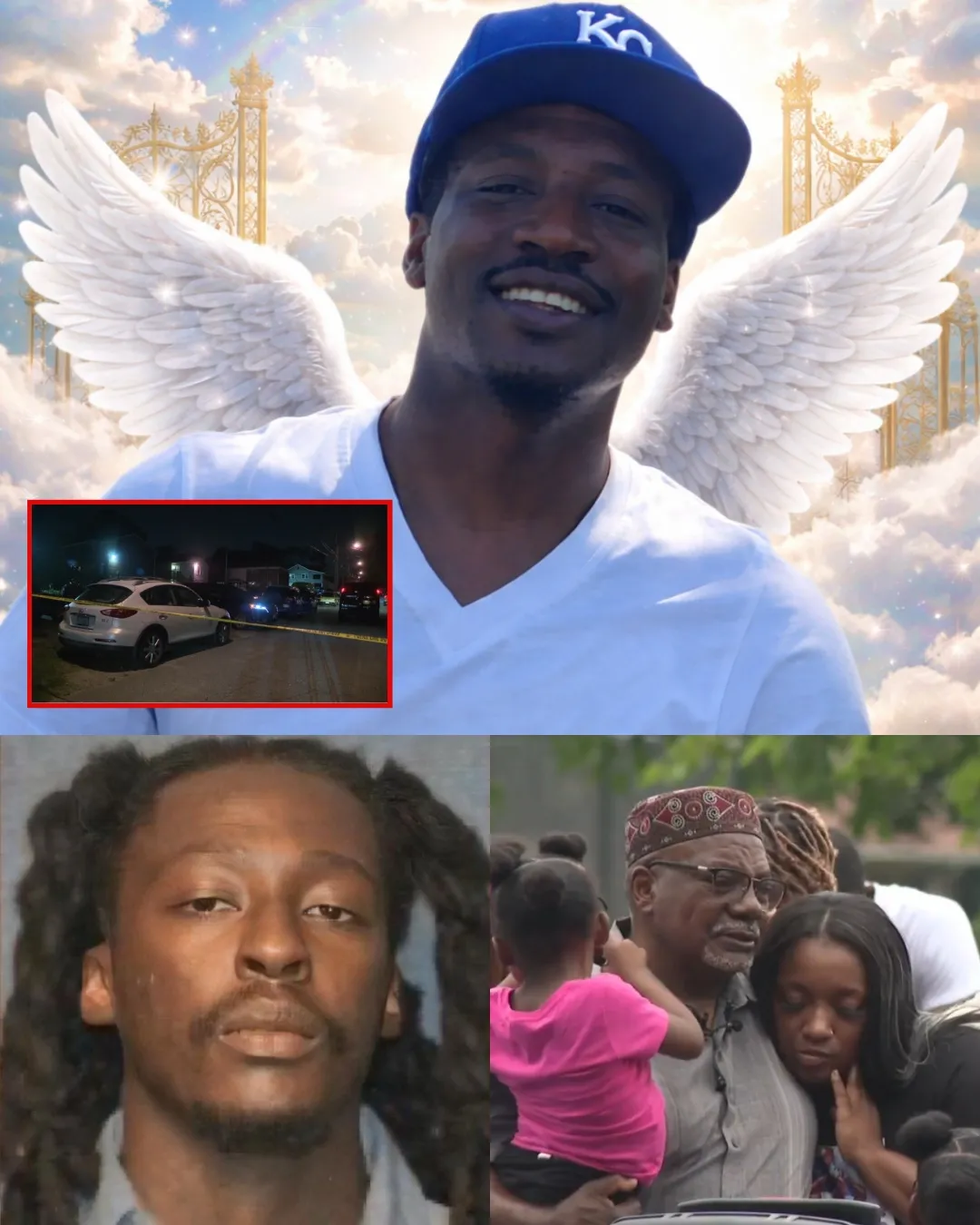
On a quiet June morning in Norfolk, Virginia, 35-year-old Ali Muhammad stepped outside his apartment for a routine day. It was the kind of morning that felt like any other. Nothing was out of the ordinary.
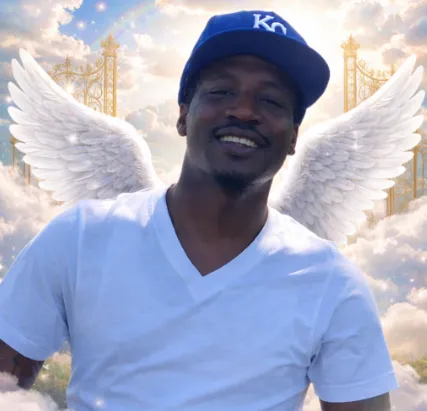
Little did he know that in the span of minutes, his life would be tragically cut short, and his family would be left to grapple with a heartbreak too heavy to bear.
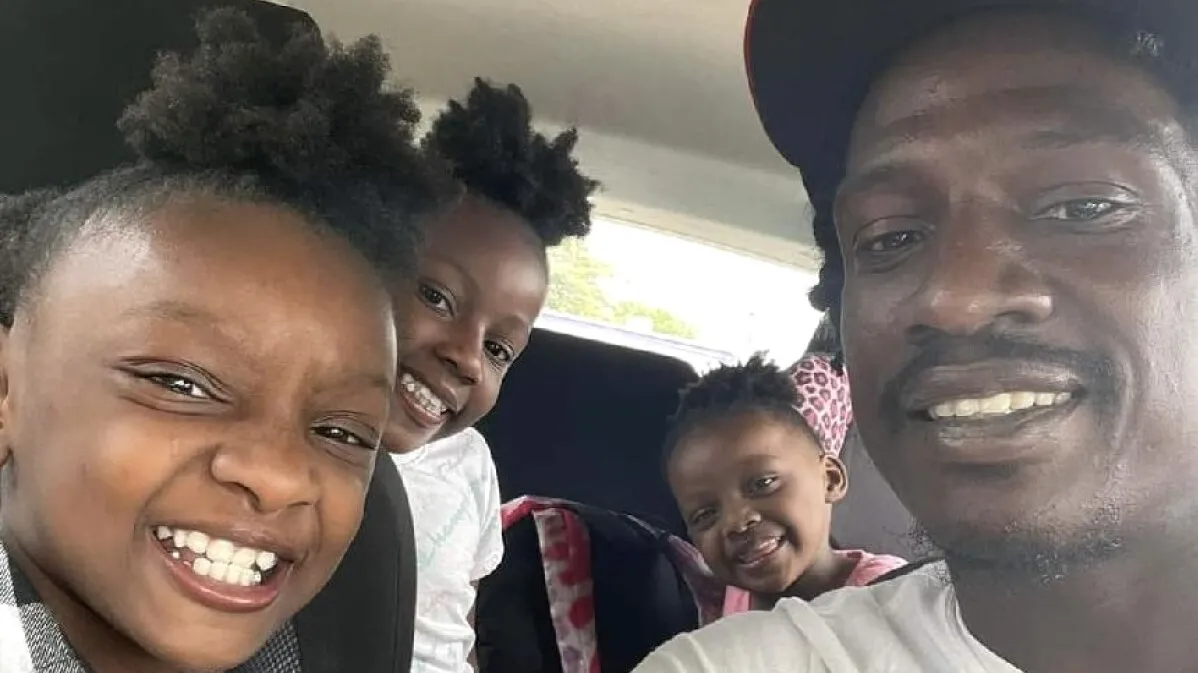
Ali had just finished talking to his father on the phone. It was a casual conversation. It had been just like every other conversation he had with his dad—a regular part of his morning. But nothing in those moments prepared anyone for what was about to happen.
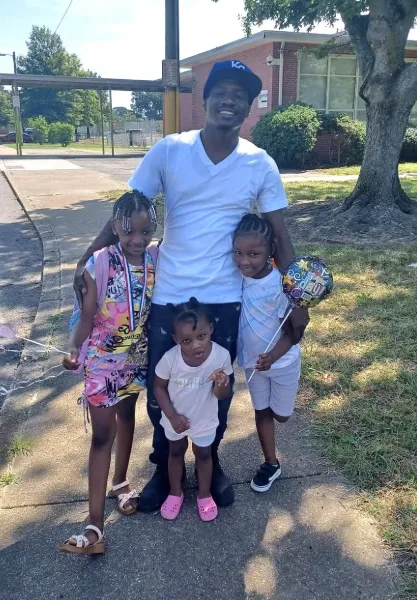
Ali’s car was blocked in by a dark-colored Ford Mustang, parked carelessly outside his First Bay Street apartment complex. For anyone else, this could have been a mere inconvenience—a minor annoyance in an otherwise normal morning.
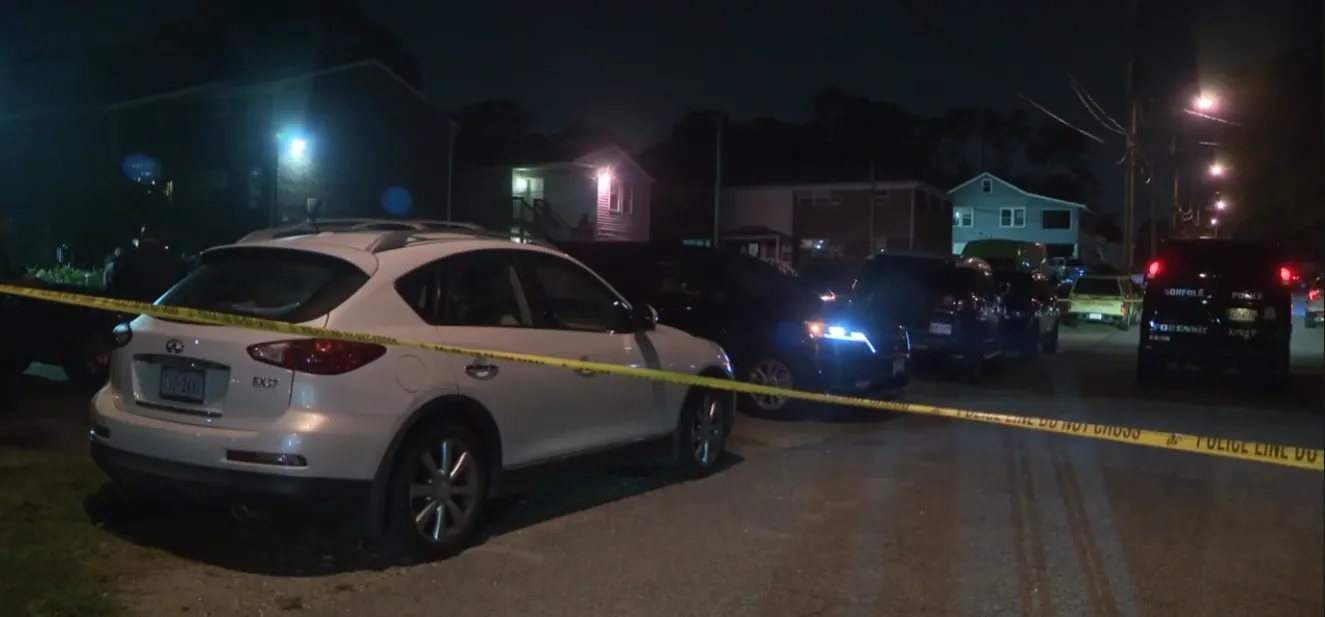
But for Ali, this small issue was about to escalate into something far more dangerous.
Ali, like many people, had somewhere to be. He had a job, responsibilities, and daily commitments that didn’t afford him time to wait for a car to move. For twenty minutes, he tried to find the driver of the Mustang, hoping for a quick resolution.
 Those twenty minutes were spent searching the apartment complex, attempting to locate the person who had, by mere carelessness, obstructed his way.
In the span of those twenty minutes, the situation slowly began to spiral. What started as a simple parking dispute soon became a heated confrontation. Tensions rose, and what should have been an insignificant inconvenience was now clouded by anger.
When Ali finally found the man who had blocked his car, their exchange became charged with frustration. Words were spoken. Voices were raised.
What happened next, however, was beyond what anyone could have expected.
Ali was still on the phone with his father when the confrontation turned violent. The final words Ali spoke to his father were chilling: “Get that gun out of my face.” These words, full of fear and urgency, would be the last his father would hear from him. The line went silent. The connection was severed not by a dropped call, but by a gunshot that forever changed everything.
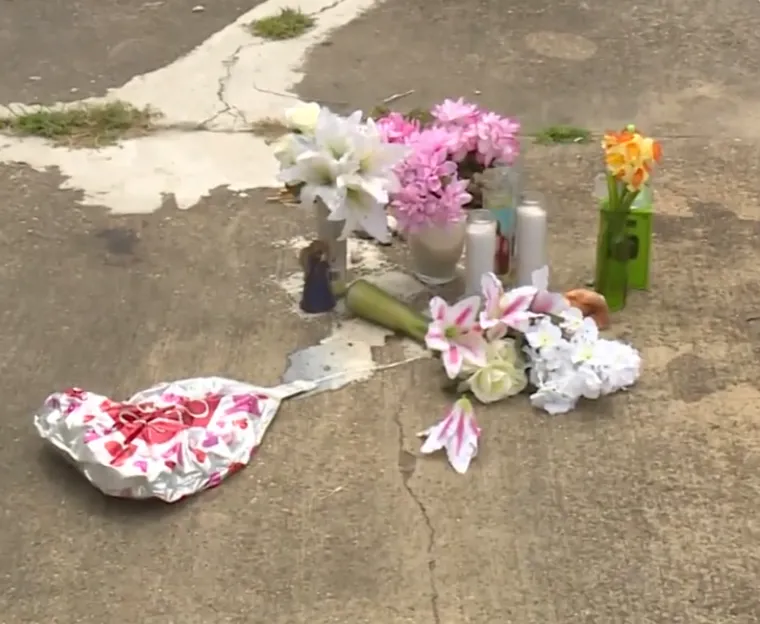
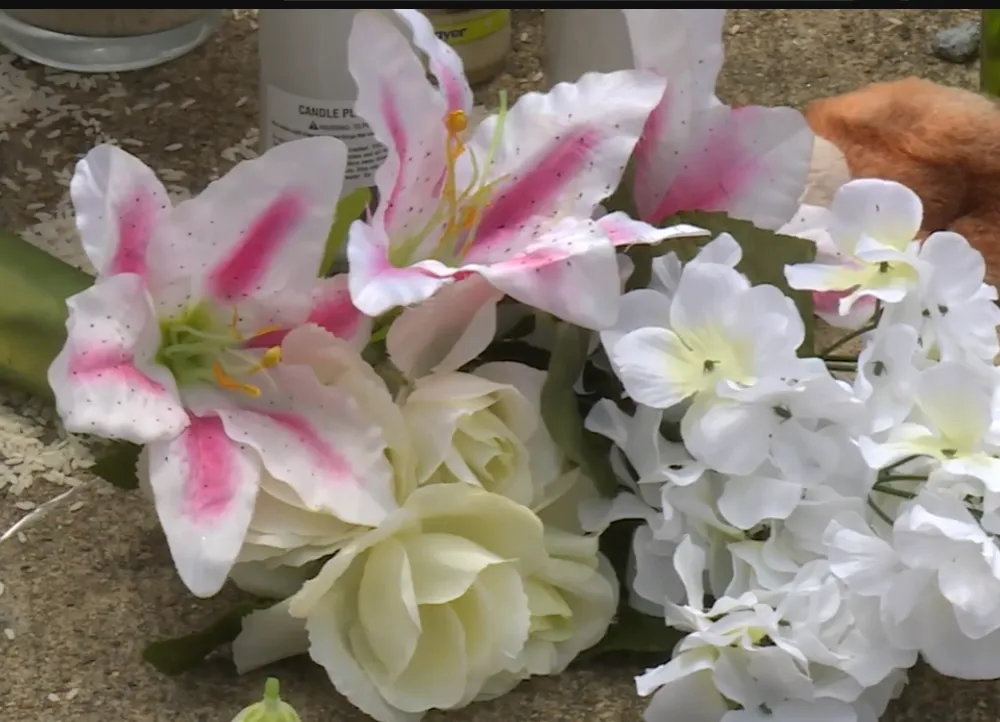
Ali’s father, on the other end of the line, could hear the noise—the confusion, the commotion. But nothing could have prepared him for what happened next: the frantic sound of his son’s last breath, followed by the silence that followed the gunshot. In that instant, Ali Muhammad was gone.
The shooter, later identified as 24-year-old Jalen L. Garces, had driven to the complex to meet a woman. Instead of simply moving his car when confronted, Garces chose to escalate the situation. Police later confirmed that Garces refused to move the car when Ali asked, and after the heated confrontation, he drew a firearm.
The entire sequence of events was captured on surveillance cameras. Investigators traced Garces’s movements using license-plate reader data, confirming that his Mustang had been the one blocking Ali’s vehicle. There was no room for doubt. It was Garces who had pulled the trigger.
Ali Muhammad, a man who had been looking forward to a regular day at work, was dead. The cause? A single gunshot wound to the chest. He was declared dead at the scene.
As the investigation unfolded, Garces was arrested and charged with first-degree murder and firearm offenses. The details were haunting. A life taken in an instant over a dispute that could have been resolved in a simple and civil manner. No one, least of all Ali, should have had to die over something so trivial.
The murder trial began, and the courtroom was filled with tense silence as the jury listened to the details of the case. The prosecution painted a picture of a senseless, avoidable tragedy. The defense, on the other hand, did little to mitigate the circumstances. With evidence stacking up against him, Garces was found guilty.
In the end, Jalen L. Garces was sentenced to 28 years in prison. A long sentence, yes. But one that would never truly make up for the loss of Ali Muhammad. No number of years could bring him back. His family, his friends, and his father would never be able to fill the empty space left by his absence.
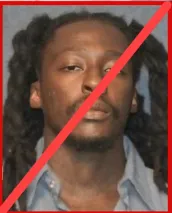
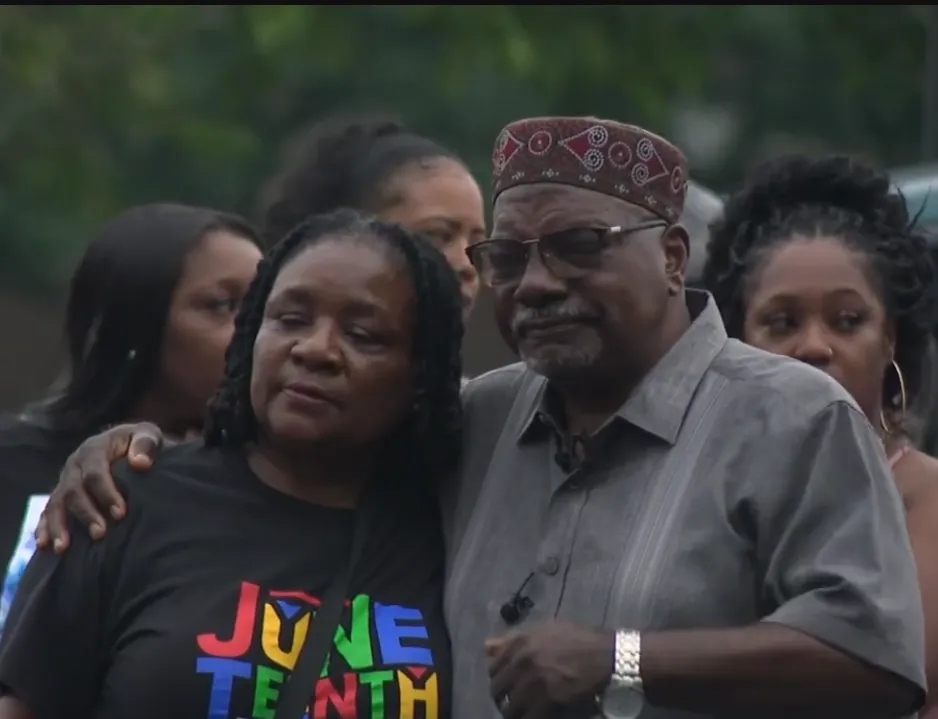
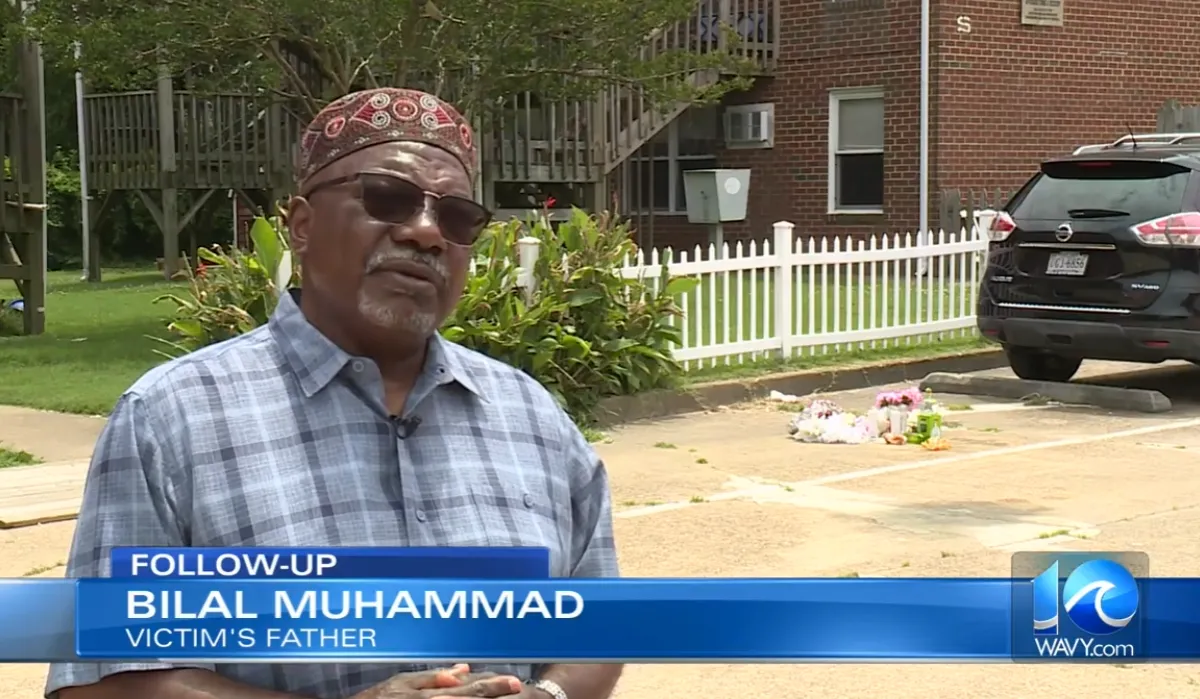
The sentencing hearing was emotional. Ali’s father, still in shock and disbelief over the loss of his son, spoke directly to Garces. His words were simple but filled with a pain too profound to fully grasp. “You pointed a gun at my boy over a parking space,” he said. His voice didn’t waver, but the weight of his words settled over the room. “You heard his last words. So did I.”
There was no need for further explanation. No need for additional courtroom theatrics. The cold, harsh truth hung in the air, unspoken but understood by everyone present. Garces had taken a life over something trivial. His actions were irrevocable.
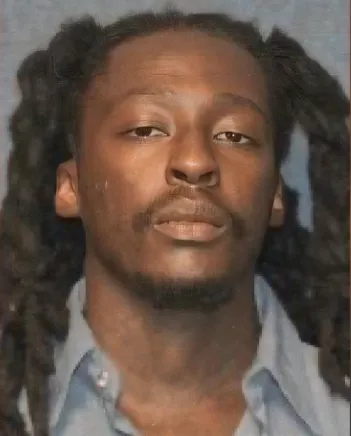
For Ali’s father, the loss was unimaginable. He had been there for every other phone call, for every other small conversation that had filled his life. But that day—the day his son spoke those final words—was a day that would haunt him forever. The words, “Get that gun out of my face,” would echo in his mind for the rest of his life, and there was nothing that could erase them.
As the trial came to a close and the sentencing was handed down, the pain and grief of Ali’s family did not subside. Their lives had been changed in an instant. The tragedy of losing a loved one to such senseless violence is something that can never be fully understood.
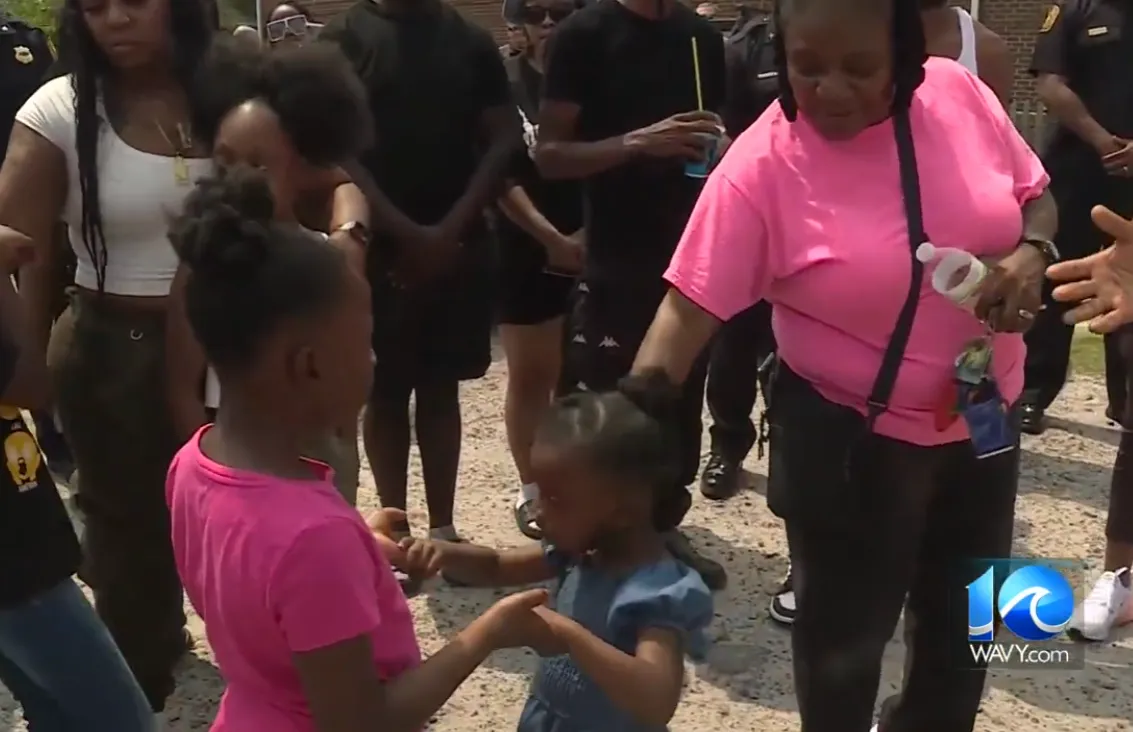
Ali Muhammad’s story is not one of grandeur. He was not a celebrity, nor a high-profile individual. He was an ordinary man, going about his day, living his life with the same routines as any other person. And yet, it is in these ordinary lives that tragedy can strike without warning.
The ripple effect of Ali’s death reached far beyond his family. His friends, his coworkers, and the entire community were left to grapple with the senselessness of the act. The very people who should have been Ali’s protectors—the police, the justice system—had now become the means by which his killer would be held accountable. But accountability, as we all know, doesn’t bring back the dead.
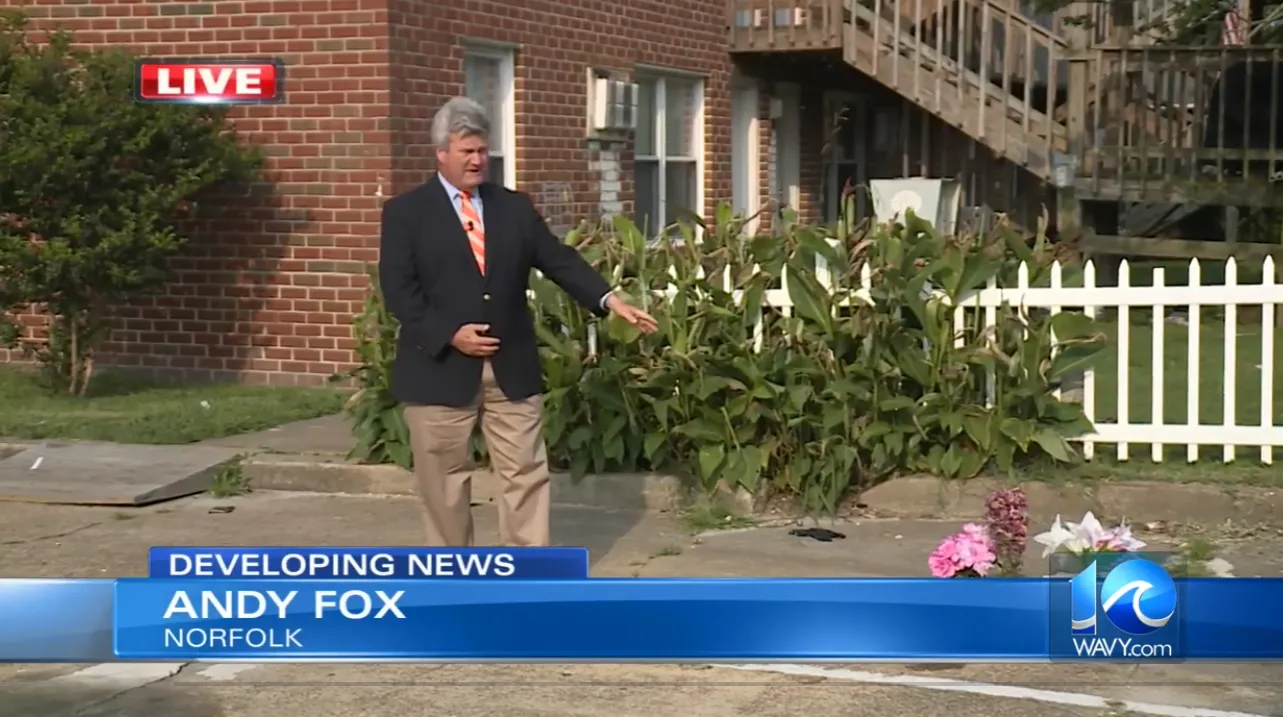
Ali’s family faced the task of picking up the pieces of their lives after his death. They faced the painful reality that nothing would ever be the same. They would never hear his voice again. They would never share another moment with him. And the empty space left behind could never be filled by time or by anyone else.
The tragedy raised questions that remain unanswered. Why did Garces feel the need to escalate a simple parking dispute into a violent act? Why was there a gun present in the first place? And why, in a world where conflict is inevitable, are people turning to firearms to settle their differences?
Ali Muhammad’s story is a grim reminder of how quickly lives can be taken, how fleeting our existence truly is. It is a warning about the dangers of unchecked anger and the importance of resolving conflicts before they escalate beyond control. And, most importantly, it is a testament to the fragility of life itself.
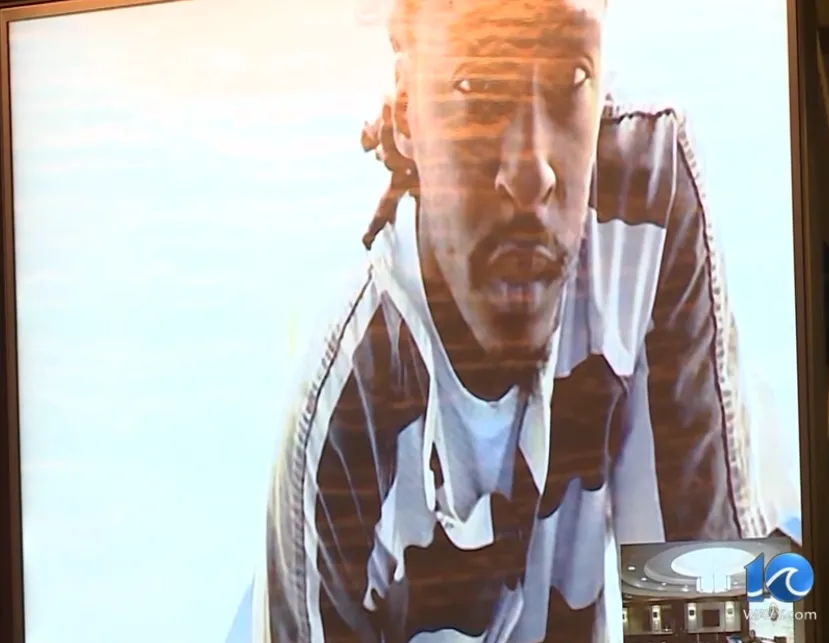
As for Ali’s father, his life will never be the same. The father-son relationship that once seemed so ordinary has been forever shattered by a single, senseless act of violence. The pain of hearing those final words will linger with him for the rest of his days. It is a loss that no one should ever have to bear.
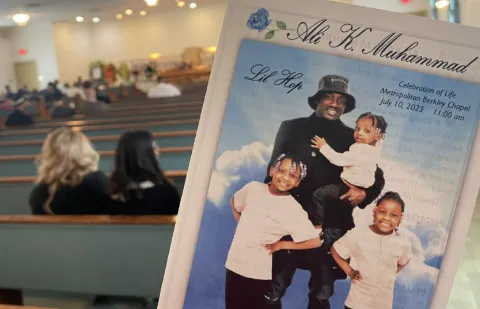
The question remains: How many more lives will be lost in similar senseless ways? How many more families will have to endure the heartbreak of losing someone over something so trivial? It is a question that will continue to haunt us as long as these senseless tragedies continue to unfold.
The legacy of Ali Muhammad, a man whose life was taken over a parking dispute, serves as a painful reminder that violence often strikes without warning, leaving behind only grief and heartache. And while justice may be served, it does little to heal the wound left behind. In the end, no amount of time behind bars can undo the damage done to a family forever changed by a single, fatal moment.
Ali Muhammad will never come home. His father will never hear his voice again. But the memory of that tragic day will forever live on. And, with it, the pain of losing someone who was taken far too soon.
A Teacher’s Tears Spark a Food Pantry—and a Movement of Compassion 129
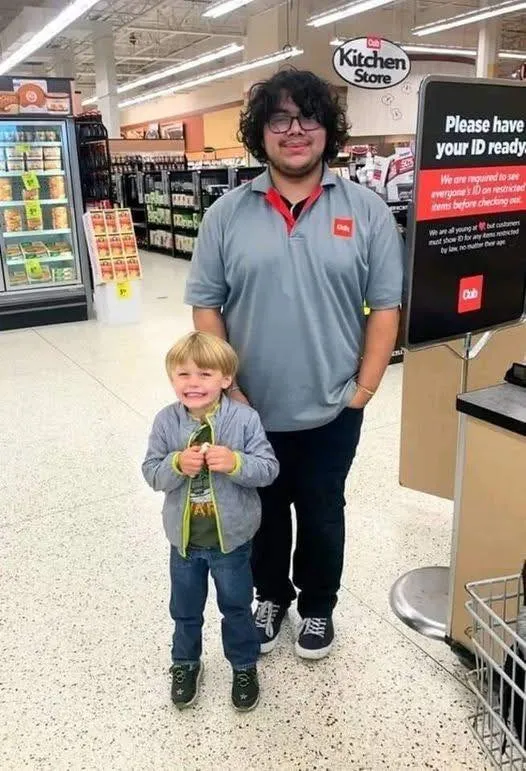

At Jacksboro Elementary School, one teacher’s emotional day at work has sparked a wave of kindness and a new effort to fight food insecurity among students.
It all began with a simple question from a child.
“When is the lady coming who puts food in my backpack?”
The teacher, caught off guard, realized the boy was referring to the school’s guidance counselor, who quietly runs a weekend food program. Since it was a short school week, she wasn’t sure of the schedule.
The child’s response broke her heart.
“I’m out of it at home. I need more.”
She asked what he liked most in the bag. Macaroni bowls? Crackers? Spaghetti O’s?
He smiled and gently shook his head. Then, forming a small circle with his hand, he said:
“Those little O’s… we don’t have those at my house. But when I do have them, they give me a warm belly and help me sleep.”
Right there, in a room full of 20 students, the teacher broke down and cried.
“No child should ever be hungry,” she later wrote. “Ever.”
She immediately reached out to her group of fellow teachers—those same people often criticized for spending their own money on classroom supplies. And together, without hesitation, they pooled their resources to buy food. That sweet boy didn’t just get his “little O’s.” He got care, dignity, and a reminder that he matters.
“This isn’t about praise,” the teacher emphasized. “We don’t do it for recognition. We do it because we love these kids.”
The impact of that moment has gone even further.
Jacksboro Elementary is now launching a food pantry—a permanent resource where students can access food and hygiene products as needed. No child will have to wonder when the next meal will come. No child will feel embarrassed for asking.
The school is now accepting donations of non-perishable food items and basic hygiene products to help build and maintain the pantry. Community members, businesses, and anyone with a heart for children are welcome to contribute.
📦 Donations can be sent to:
Jacksboro Elementary School
164 Jacksboro Elementary School Road
Jacksboro, TN 37757
Attn: FOOD PANTRY
This story is a reminder that education is not just about test scores and lesson plans—it’s about humanity. It’s about seeing the child behind the desk. It’s about showing up for them, especially when their needs are invisible.
To the teacher who cried at work: you made a difference.
To the team who stepped up without hesitation: you are heroes.
And to every child who wonders if someone cares—know that we do.
In the words of the teacher:
“Will this show up on a test score? Nope. Do we care? Not at all. Today, we did what was best for a child. And that was worth every tear.”