From Love to Tragedy: The Fatal Confrontation That Ended Kevaughn Goldson’s Life 4417
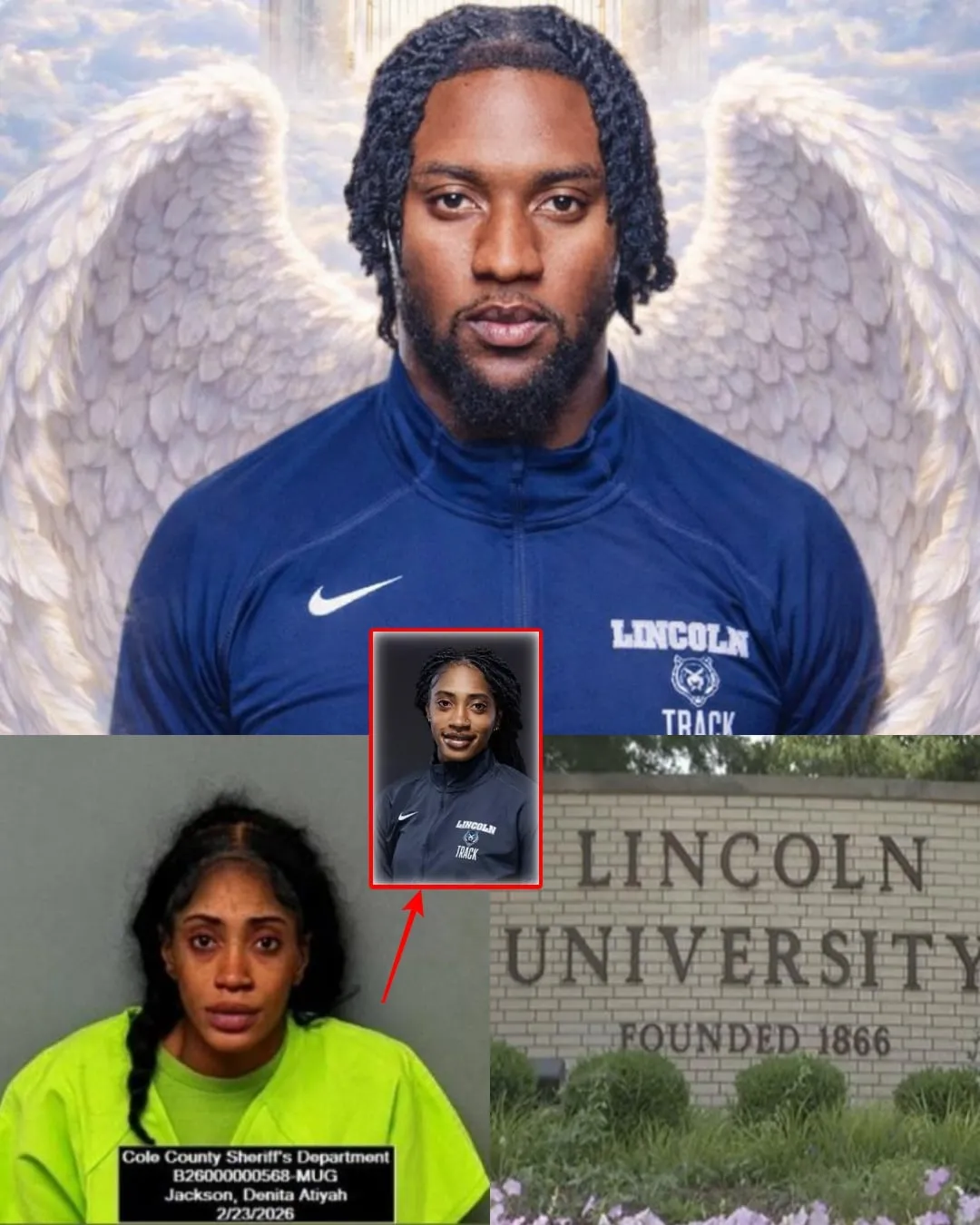
The campus of Lincoln University had long known Kevaughn Goldson as a competitor.
He was twenty-three years old, a senior, and a track athlete whose stride once cut cleanly across finish lines.
On February 23, 2026, that momentum came to an abrupt and tragic end.
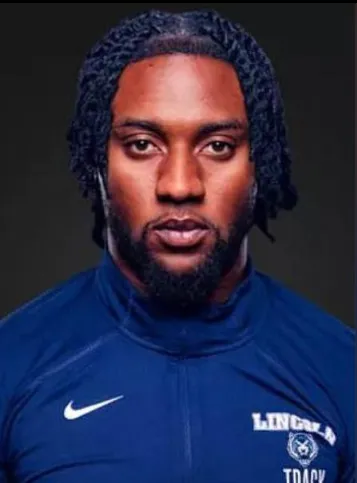
Goldson, originally from Kingston, Jamaica, had traveled far from home in pursuit of education and opportunity.
Friends describe him as disciplined, focused, and deeply proud of representing both his family and his country.
In Jefferson City, Missouri, he was building a future measured not only in seconds on a stopwatch, but in long-term dreams.
Shortly before midnight, police were called to an off-campus residence.
Inside, they found Goldson suffering from stab wounds to his back and chest.
The scene shifted instantly from domestic space to emergency crisis.

First responders worked quickly.
He was airlifted to a hospital in Columbia in an effort to save his life.
Despite surgical intervention, he died during the procedure.
News traveled quickly across campus.
Teammates who had trained beside him struggled to process the shift from practice schedules to memorial plans.
A locker that once held spikes and jerseys now stood painfully still.

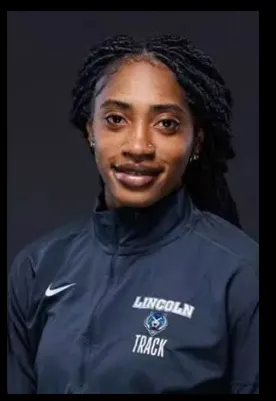
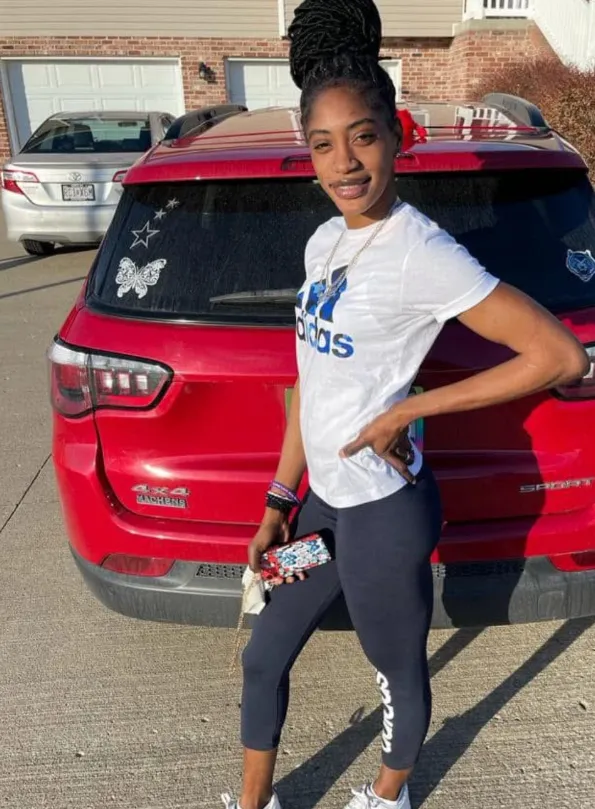
Authorities arrested his girlfriend, Denita Jackson, also a senior and a member of the track team.
She was charged with second-degree murder and armed criminal action.
She is currently being held without bond.
According to court documents, Jackson told investigators she returned home early that evening.
She claimed she found Goldson with her roommate.
What followed, she said, was a physical altercation.
Jackson alleged that Goldson pinned her down and choked her.
She stated that she grabbed a knife during the struggle.
She says she acted in self-defense.

Prosecutors have not publicly confirmed all details of that account.
Investigators noted a history of domestic disputes between the couple.
The full sequence of events remains under review.
In cases like this, the line between accusation and explanation becomes blurred.
Courtrooms are tasked with sorting facts from emotion.
But for families, the emotional toll arrives long before verdicts.
Goldson’s relatives in Jamaica learned of his death from thousands of miles away.
Phone calls replaced face-to-face comfort.
Distance compounded the grief.

He had once represented more than himself on the track.
He carried the pride of Kingston and the hopes of loved ones who watched his races from afar.
Now they face the unimaginable task of mourning across borders.
Lincoln University released a statement offering condolences.
Officials expressed sympathy to Goldson’s family and acknowledged the impact on the campus community.
They also pledged support services for students and staff.
Athletic programs often build close bonds.
Teammates train through exhaustion together.
They share bus rides, locker rooms, and quiet pre-race rituals.
For them, the loss feels deeply personal.
A starting block now stands as a reminder of someone who will never step onto it again.
The rhythm of practice has been interrupted by silence.
Denita Jackson’s future, meanwhile, now unfolds inside a jail cell.
No court date has yet been set.
Her defense will likely center on the claim of self-defense.
Second-degree murder in Missouri carries significant prison time if convicted.
Armed criminal action adds further weight to the charges.
But legal outcomes remain uncertain at this stage.
The off-campus residence where it happened now stands as a location forever linked to tragedy.
Neighbors recall seeing flashing lights in the night.
They recall the hum of a helicopter lifting off toward Columbia.
A promising athlete airlifted in critical condition.

A girlfriend taken into custody.
A campus left stunned.
The narrative is complicated.
Allegations of domestic violence introduce layers that resist simple conclusions.
Questions linger about what truly happened inside that room.
Self-defense claims require careful scrutiny.
Investigators will examine physical evidence, witness accounts, and prior reports.
The legal process will move deliberately.

Yet grief moves quickly.
It arrives before evidence is weighed.
It settles in before courtroom doors open.
Goldson had once trained to outrun competitors.
He had pushed through fatigue and muscle strain to shave seconds from his time.
Now, those who knew him speak instead of the endurance he showed in life.
He was far from home.
He was building a path that blended athletics and academics.
He was, by all accounts, planning for a future that felt within reach.
That future now exists only in memory.
Graduation, once anticipated, will arrive without him.
Track meets will proceed without his name in the lineup.
Jackson’s claim that she acted to protect herself introduces another narrative.
One that will be tested under oath.
One that could redefine the way this story is told.
Domestic relationships can carry unseen tensions.
Authorities have indicated previous disputes between the pair.
Whether those disputes illuminate motive or context remains to be seen.
The court will examine bruises, timelines, and forensic reports.
Attorneys will argue interpretation.

Jurors, if a trial occurs, will be asked to decide credibility.
In the meantime, two families endure parallel forms of anguish.
One grieving a son and brother.
The other facing the reality of a daughter accused of taking a life.
Jefferson City has seen tragedy before.
But when it touches a university community, the ripple spreads widely.
Students pause between classes to process what feels unreal.

Some gather in small groups to pray.
Others sit quietly in dorm rooms, scrolling through old photos.
Shock lingers longer than answers.
For international students especially, the event underscores vulnerability.
They travel far from home to pursue dreams.
They rely on communities thousands of miles away for support.
Goldson’s journey from Kingston to Missouri reflected ambition.

He had crossed oceans to chase opportunity.
His story now crosses headlines instead.
Denita Jackson’s name, once associated with athletic achievement, is now linked to a criminal charge.
Presumption of innocence remains a legal principle.
But public perception often forms quickly.
The university walks a delicate line.
Supporting grieving students while acknowledging the seriousness of the charge.
Maintaining stability amid uncertainty.
As days pass, flowers may appear near the track.
Shoes may be placed in tribute.
Moments of silence may precede upcoming meets.
For some, the tragedy will become a call for deeper conversations about domestic violence.
For others, it remains a story of lost potential.
For all involved, it is profoundly personal.
February 23, 2026, will be marked quietly on calendars in both Missouri and Jamaica.
A date when a life ended during surgery in Columbia.
A date when two futures diverged irreversibly.
Justice will unfold slowly.
Evidence will be examined.
Testimony will be heard.
But beyond the legal language lies something simpler.
A young man who once ran toward finish lines will never run again.
And a community must now learn how to move forward without him.
In the end, courtrooms determine guilt or innocence.
They do not restore what has been lost.
They do not rewind time.
The track still stretches across campus.
The lanes remain painted bright.
The starting pistol will sound again.
Yet for many at Lincoln University, it will never sound quite the same.