From Duty to Sacrifice: The Final Moments of Officer Terry Bennett 4214
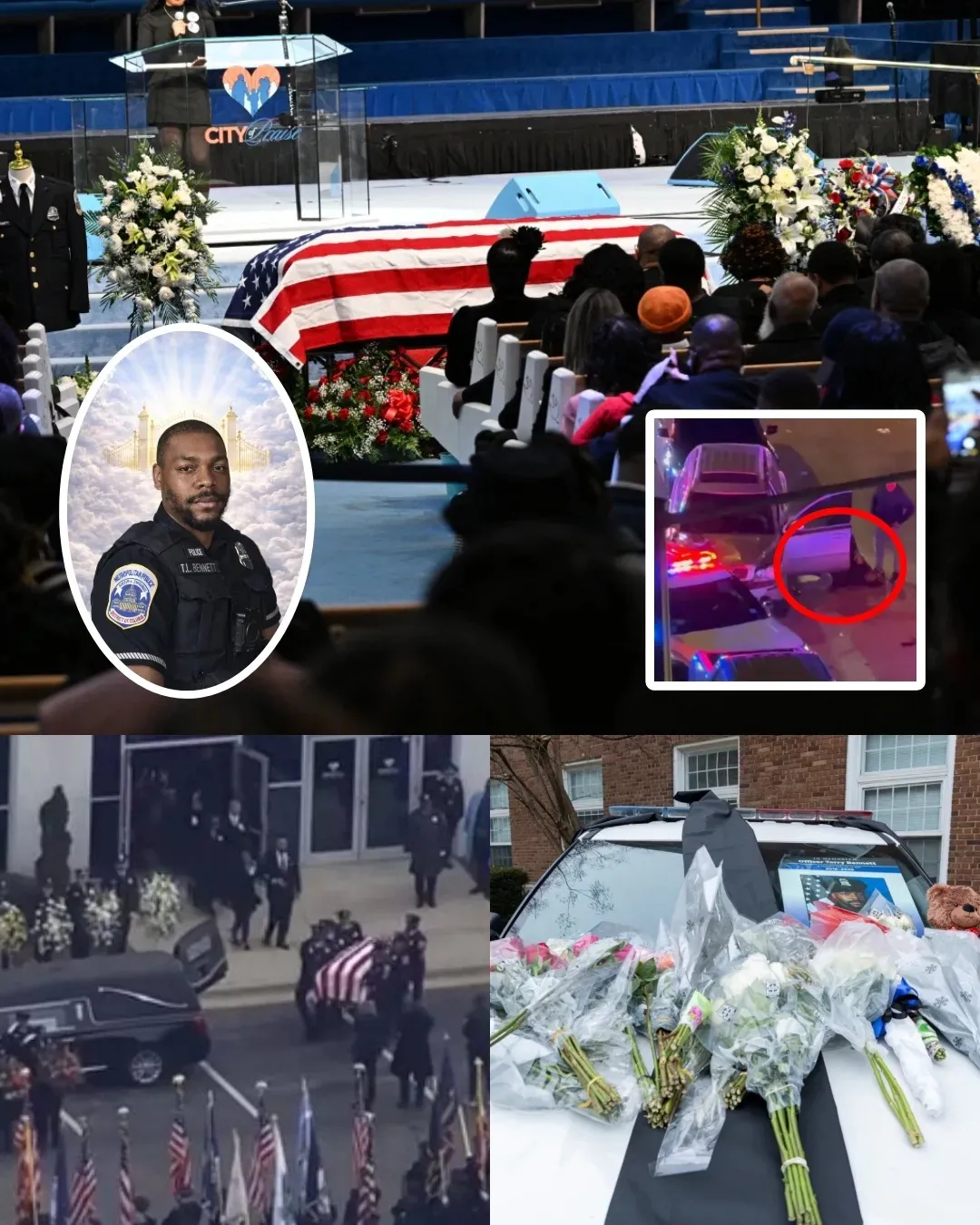
The night Officer Terry Bennett was struck on I-695 began like many others in law enforcement, quiet on the surface but unpredictable beneath it.
There were no alarms signaling tragedy, no warning that this routine act of service would become his final one.
He was simply doing what he had always done — helping someone in need.
On December 23, 2025, traffic moved steadily along Interstate 695 near South Capitol Street in Washington, D.C.
A stranded motorist stood vulnerable along the roadway, exposed to speeding vehicles and darkness.
Officer Bennett stopped, not out of obligation, but out of instinct.
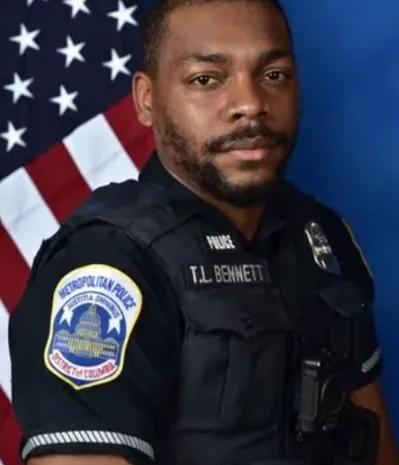
He stepped out of his cruiser wearing the badge he had carried for nearly eight years.
That badge represented more than authority; it symbolized responsibility, courage, and care for others.
It was the same badge he wore proudly as a son of Washington, D.C.
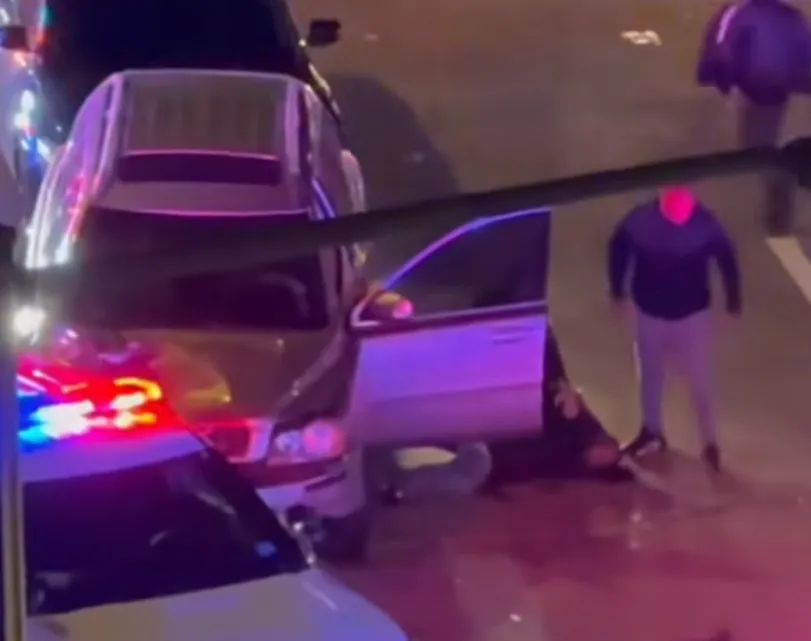
In a moment that unfolded too fast to stop, a vehicle struck him.
The impact was violent, sudden, and unforgiving.
The highway that night became a place of irreversible loss.
Officer Bennett was rushed to the hospital with severe injuries.
Doctors fought relentlessly, mirroring the strength he showed every day in uniform.
For more than two weeks, hope lived alongside fear in sterile hospital rooms.
Family members kept vigil, holding onto faith and love.
Fellow officers stood watch, bound together by brotherhood and shared sorrow.
The city waited, praying for a miracle.
On January 7, 2026, the fight ended.
Officer Terry Bennett succumbed to his injuries, leaving behind a silence that echoed far beyond the hospital walls.
He was thirty-two years old.
The news rippled through the Metropolitan Police Department like a wound reopening.
Roll calls felt heavier, radios quieter, and streets lonelier.
A protector had fallen.
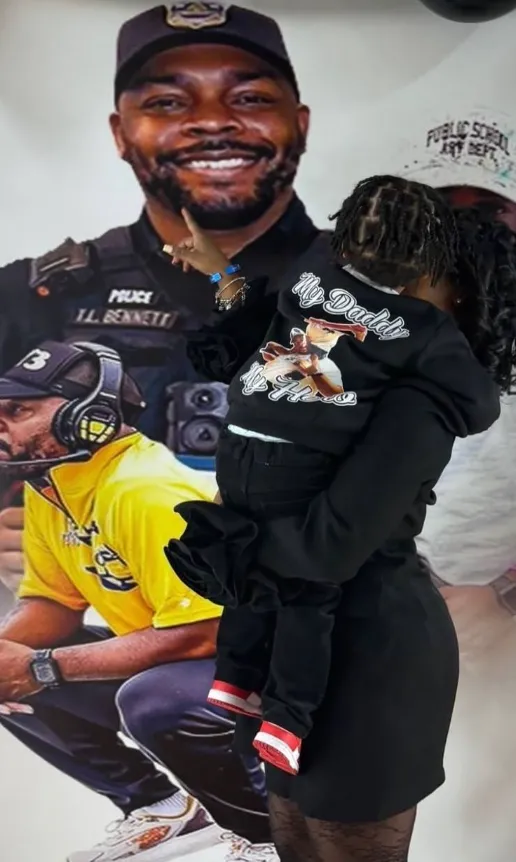
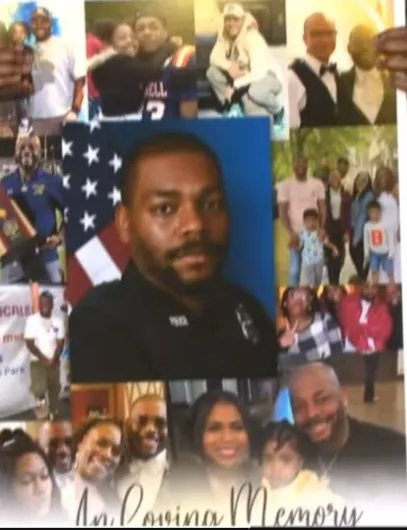
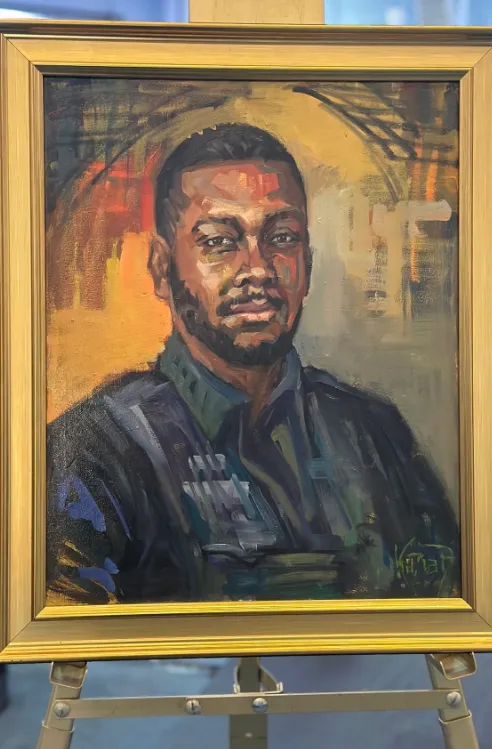
Officer Bennett was more than a name on a memorial wall.
He was a husband who planned futures, a father whose presence anchored a family.
He was a coach who taught discipline, teamwork, and confidence on football fields across the community.
Those who knew him spoke of his steady demeanor.
He listened before he spoke and led without demanding attention.
Service was not something he turned on and off — it was who he was.
Born and raised in Washington, D.C., Terry Bennett understood the city deeply.
He knew its challenges, its neighborhoods, and its people.
Protecting it was personal.
Nearly eight years earlier, he joined the Metropolitan Police Department with a clear sense of purpose.
He did not chase recognition or glory.
He wanted to make a difference where he lived.
That commitment never wavered.
Whether responding to calls, mentoring youth, or coaching football, he showed up fully.
He believed presence mattered.
The morning of his funeral arrived heavy with rainless skies and unspoken grief.
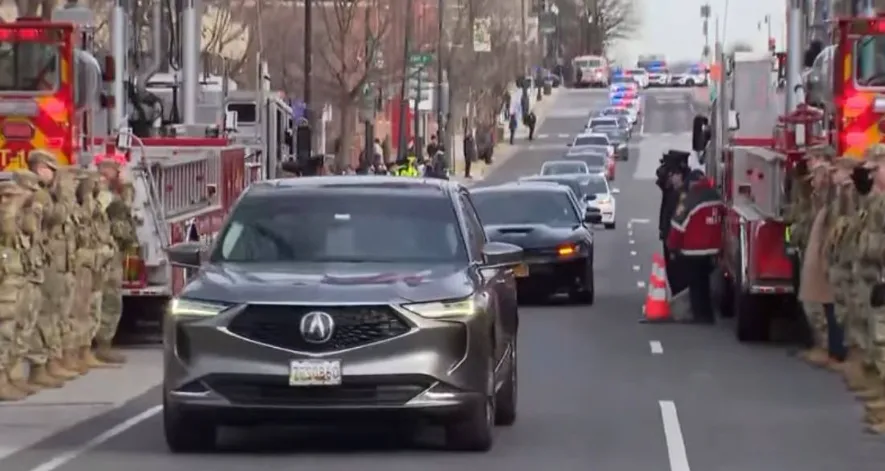
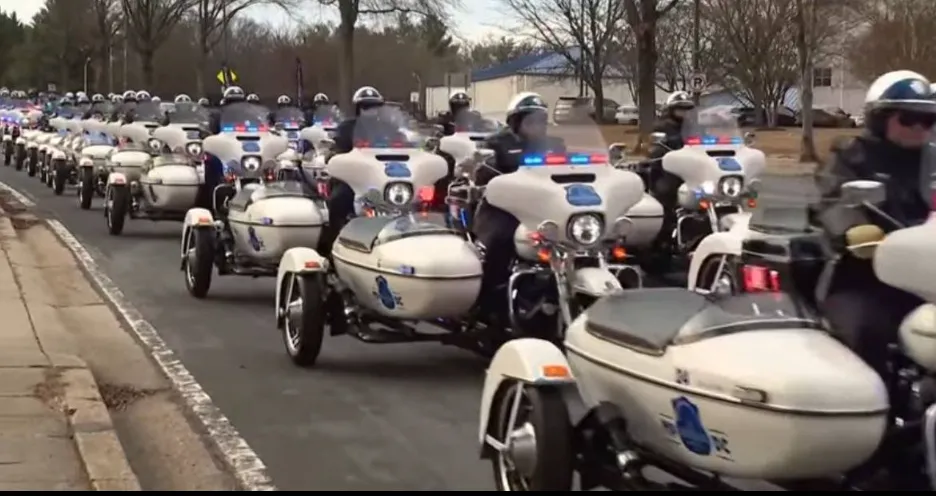
Law enforcement agencies from across the region assembled in solemn formation.
Blue lights lined streets as a city paused to remember.
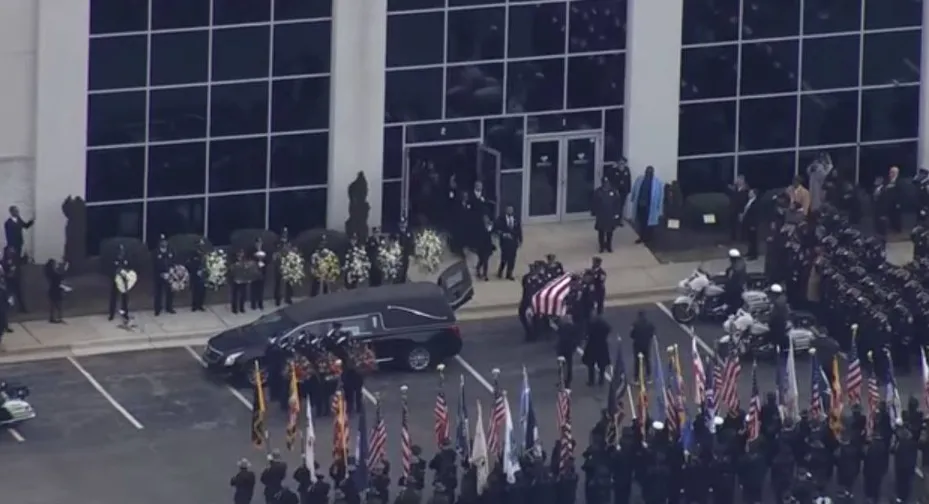
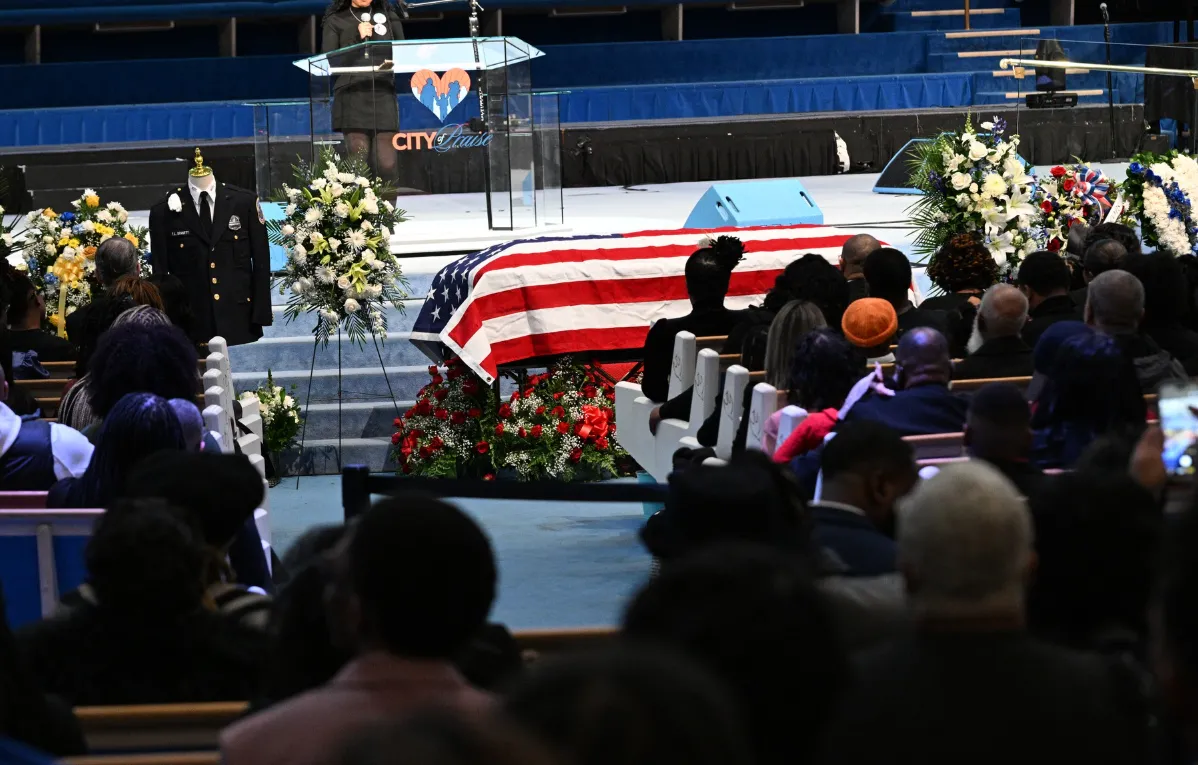
On January 23, 2026, Officer Bennett was laid to rest.
A procession moved slowly through Washington, marked by salutes and bowed heads.
Every step honored a life given in service.
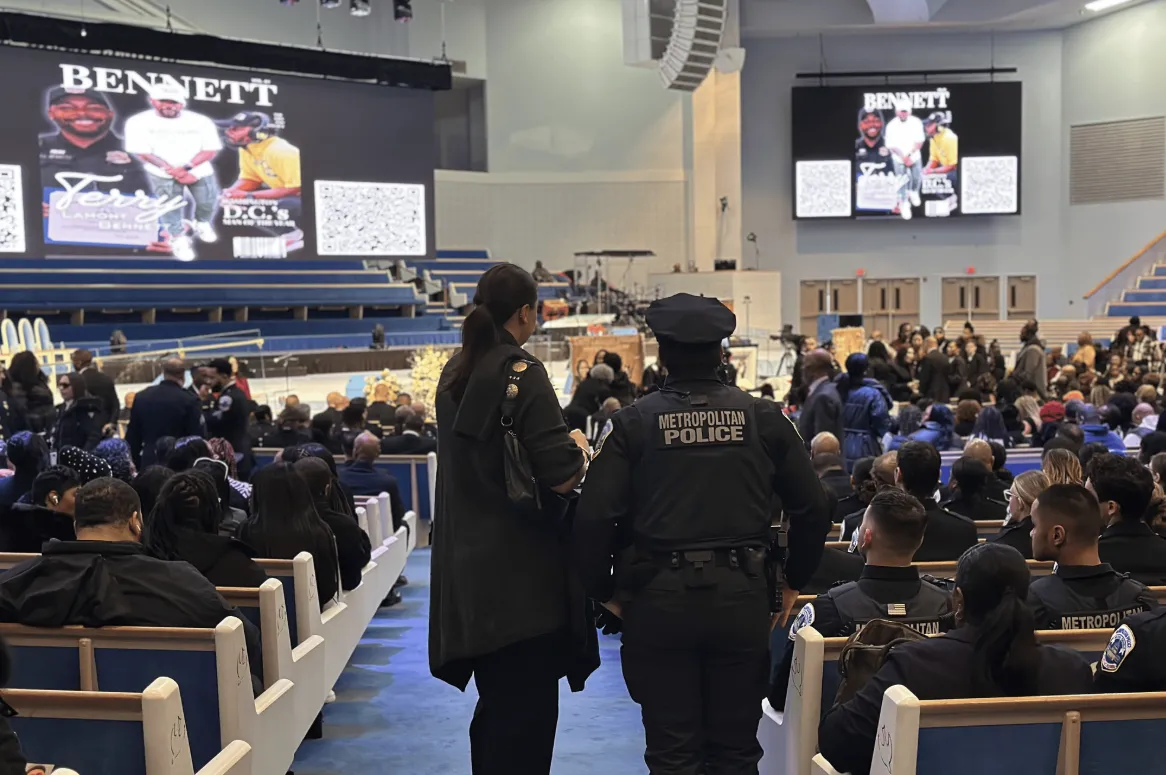
Inside the service, stories filled the silence.
Colleagues spoke of courage, professionalism, and quiet leadership.
Family members spoke of love, laughter, and the man behind the badge.
Each speaker reminded the crowd that Officer Bennett’s final act was not extraordinary to him.
Helping a stranded motorist was simply part of the job.
Part of who he was.
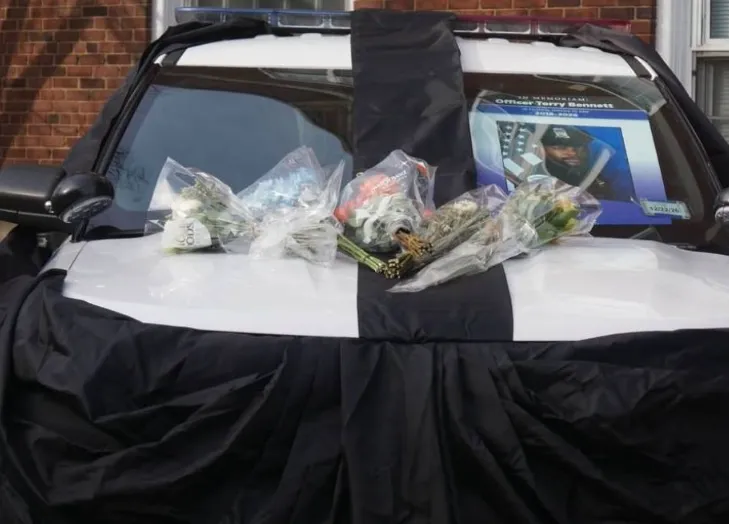
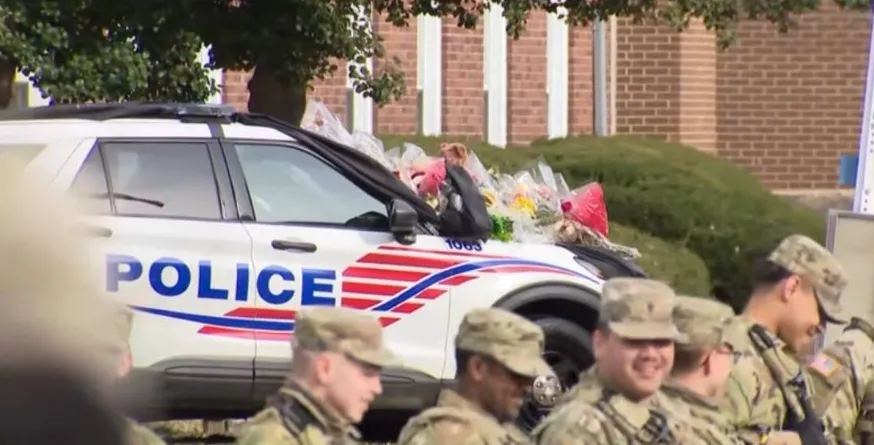
Outside, community members gathered to pay respects.
Some held flags, others held tears.
All understood that a protector had been lost.
The driver involved in the crash, Jerrold Lonnell Coates, was later arrested.
He was charged with second-degree murder while armed in connection with Officer Bennett’s death.
The legal process now moves forward, but justice feels incomplete.
No charge can restore a father to his child.
No sentence can bring a husband back home.
No verdict can undo the moment a life was taken.
For the Bennett family, grief does not wait for court dates.
It lives in empty chairs, unfinished conversations, and memories that ache.
It reshapes every tomorrow.
Within the MPD, Officer Bennett’s absence is felt daily.
Every traffic stop carries added weight.
Every roadside assist now holds a quiet reminder of risk.
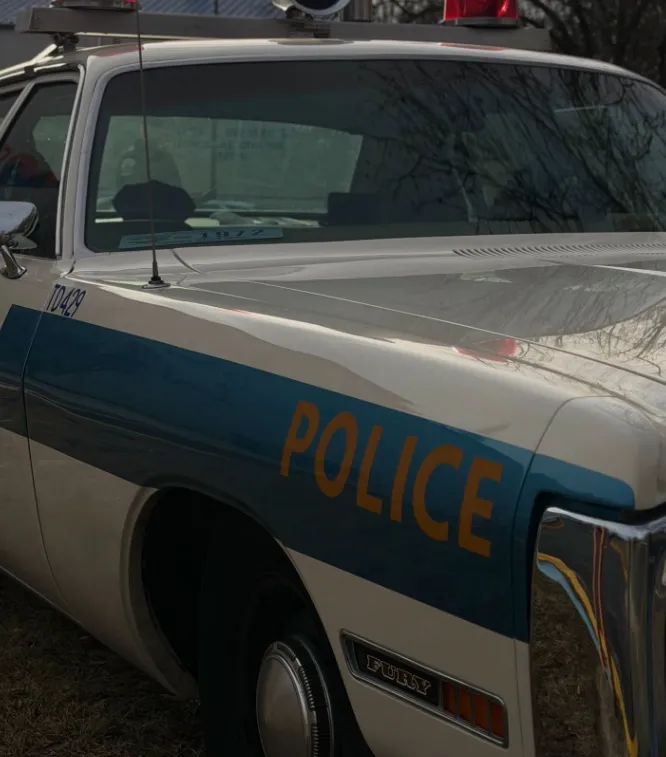
Officers understand the dangers of the job, but knowledge does not dull loss.
Training cannot prepare the heart for losing one of its own.
Sacrifice always costs more than words can explain.
Officer Bennett’s story is not one of tragedy alone.
It is a story of duty fulfilled without hesitation.
Of service given until the very end.
He did not fall while chasing danger.
He fell while protecting someone else from it.
That distinction defines his legacy.
His name now joins those remembered not for how they died, but for how they lived.
With integrity.
With courage.
Children he coached will grow older remembering his guidance.
Students he mentored will carry lessons learned far beyond classrooms and fields.
His impact continues, even in absence.
In Washington, D.C., the road where he was struck will never feel the same.
For some, it is just a stretch of highway.
For others, it is sacred ground.
Law enforcement families know this pain intimately.
They live with the reality that goodbyes are never guaranteed.
They love anyway.
Officer Bennett understood that risk and accepted it fully.
Not because he believed he was invincible.
But because he believed others deserved safety.
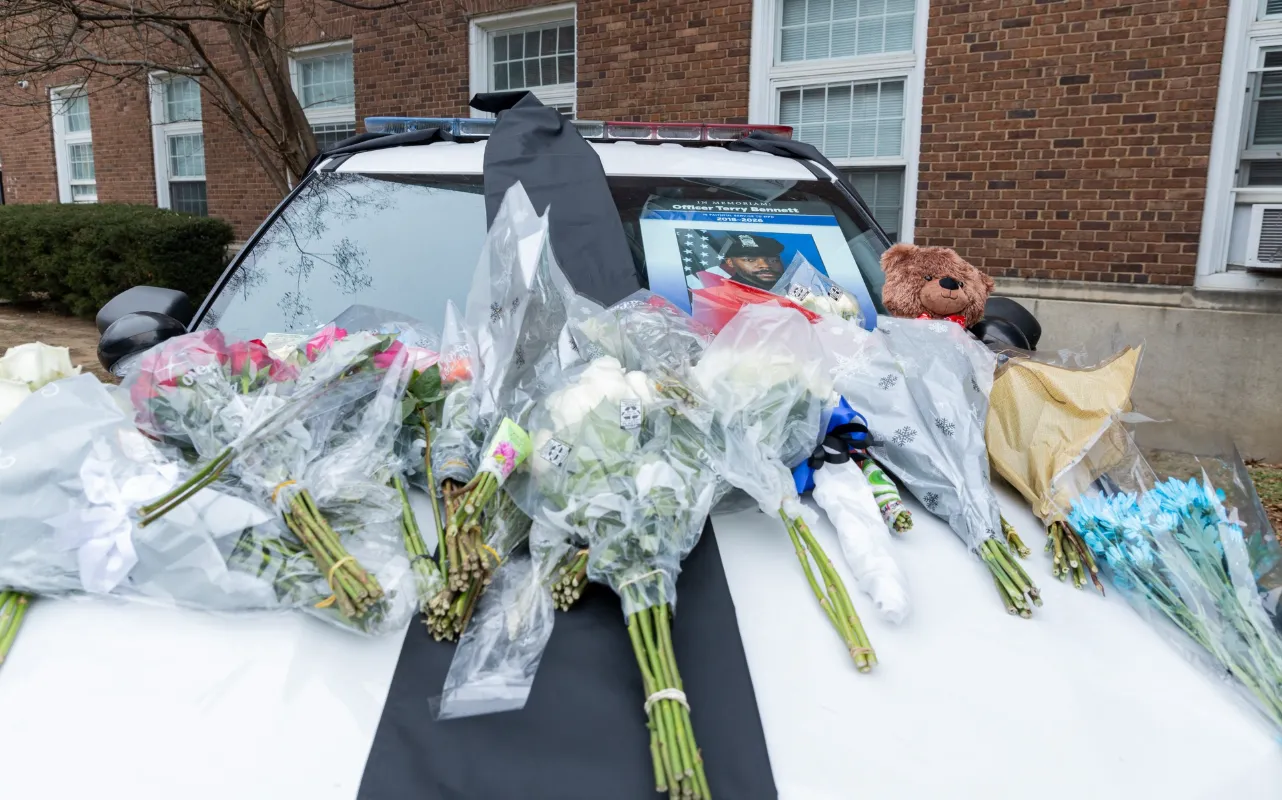
As his badge is retired and his watch ends, his service does not.
It lives in every officer who stops to help.
In every act of courage inspired by his example.
The city remembers.
The department remembers.
And most importantly, his family remembers.
Rest in peace, Officer Terry Bennett.
Your service was real.
Your sacrifice will never be forgotten. 🕊️🚔💙
Four Dead Following Disturbing Call: Neighbors Reflect on What They Heard Before the Tragedy 4224
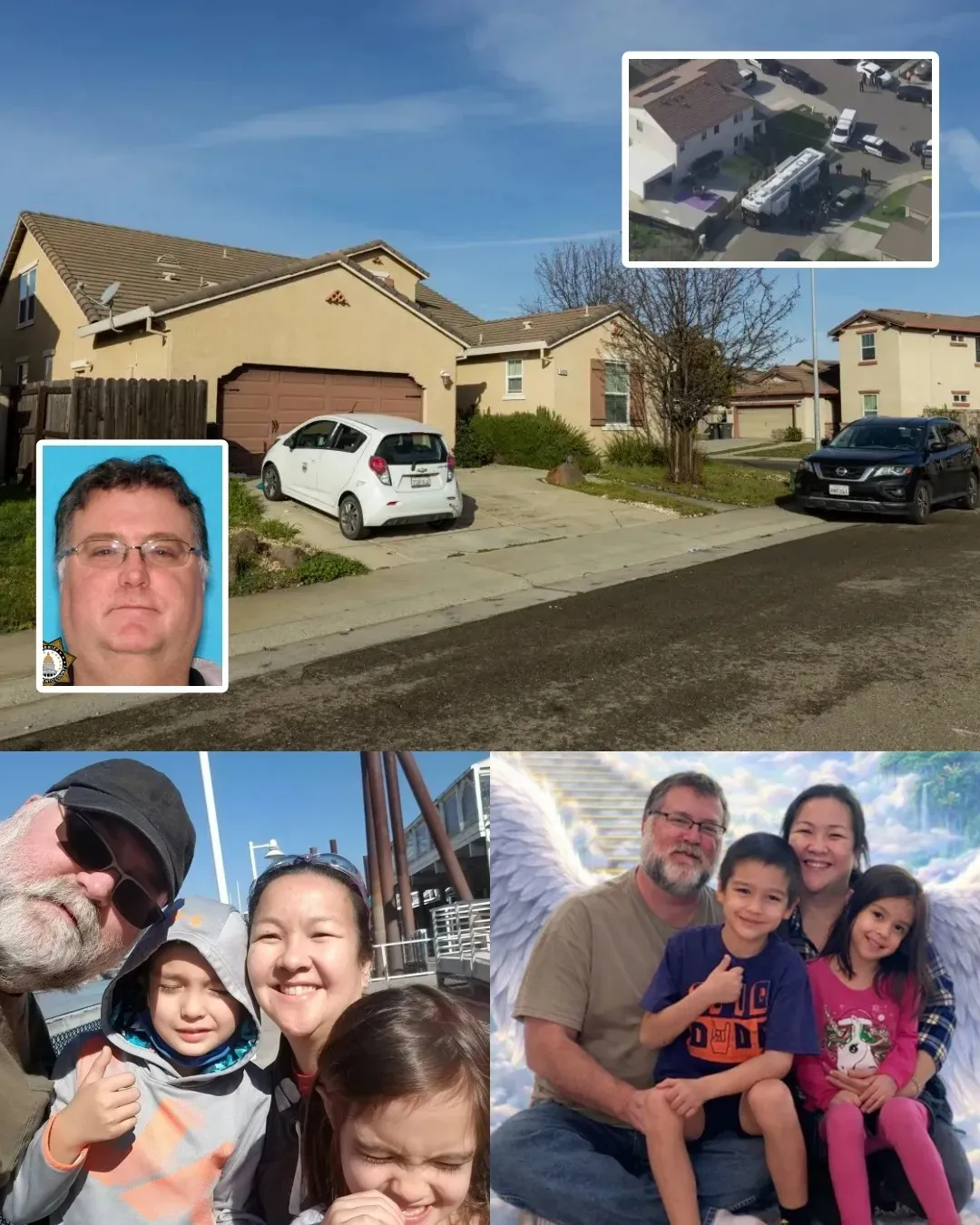
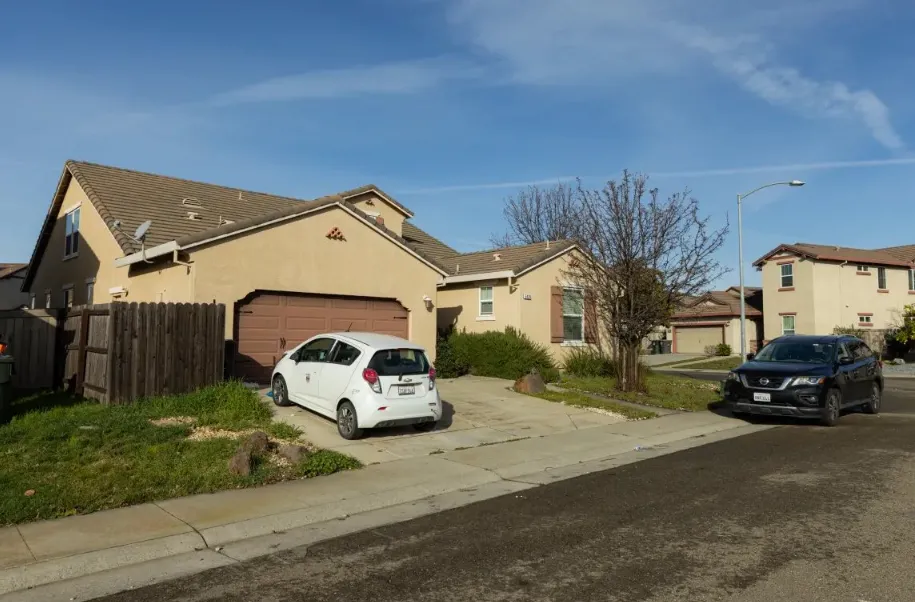
Tuesday morning arrived quietly on Mill Water Circle in Rancho Cordova.
The street looked like it always had, lined with modest homes, parked cars, and the stillness of an ordinary weekday.
No one outside suspected that behind one front door, an entire family was already gone.
Just after authorities received the first call, fear rippled through the neighborhood.
A caller reported hearing gunshots coming from a home on the block.
Minutes later, a second call came in, far more chilling than the first.
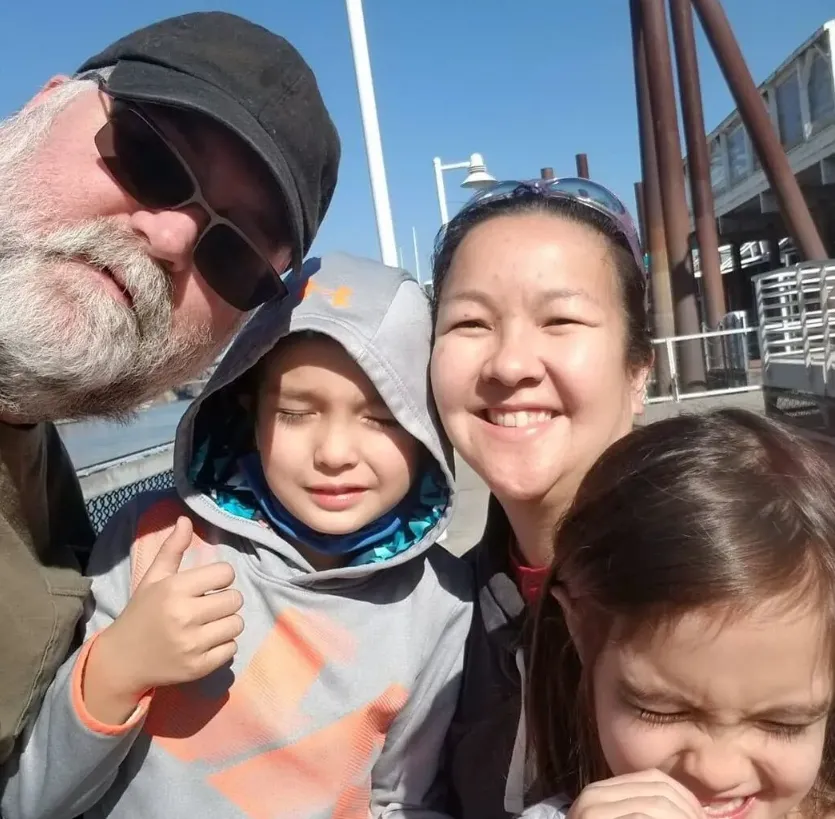
“I’m the shooter,” the caller reportedly said.
“I’m setting up booby traps and turning off the cellphone.”
The words triggered immediate alarm among dispatchers and law enforcement.
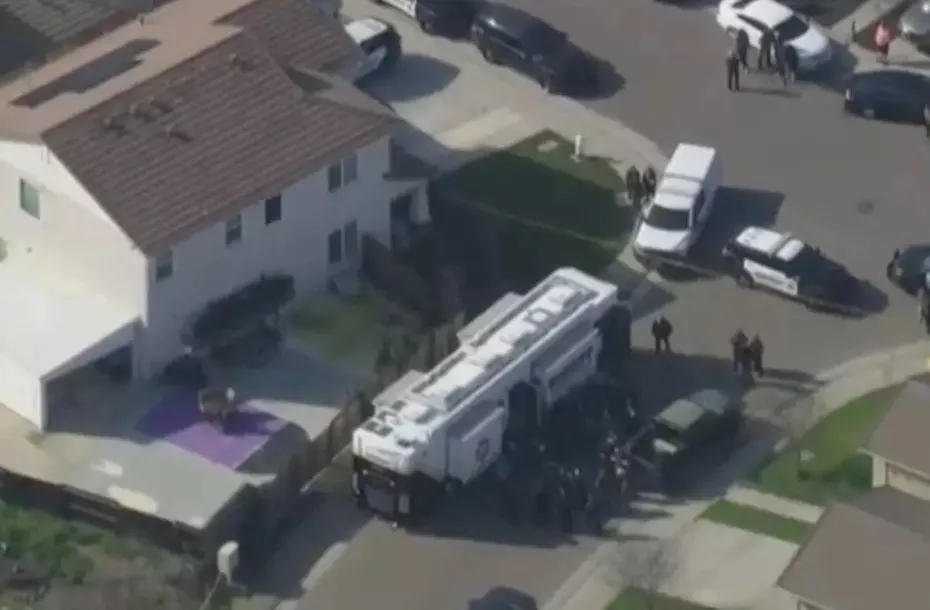
Deputies moved quickly, treating the situation as a high-risk threat.
Nearby residents were evacuated as a precaution.
A security perimeter was established, transforming the quiet street into a scene of flashing lights and tense anticipation.
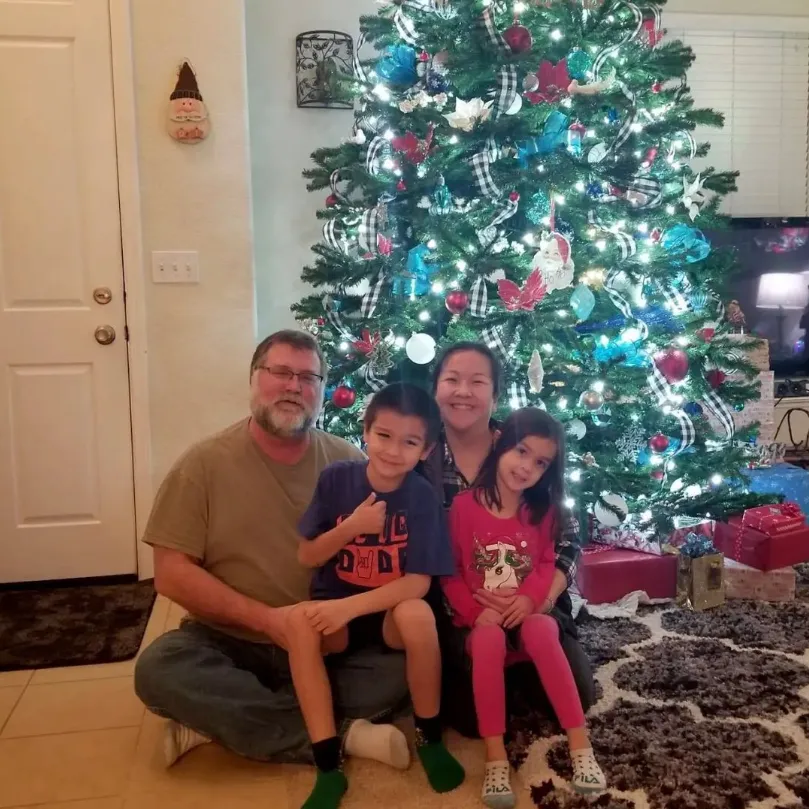
A SWAT team and special enforcement units were deployed.
Officers made repeated announcements, ordering anyone inside the home to come out.
No one answered.
As hours passed with no response, law enforcement escalated their approach.
A specialized vehicle breached a rear fence.
A drone was sent inside the home to assess the danger.
The fear of booby traps loomed heavily.
Officers moved cautiously, expecting explosives or hidden threats.
But what they found was something far worse.
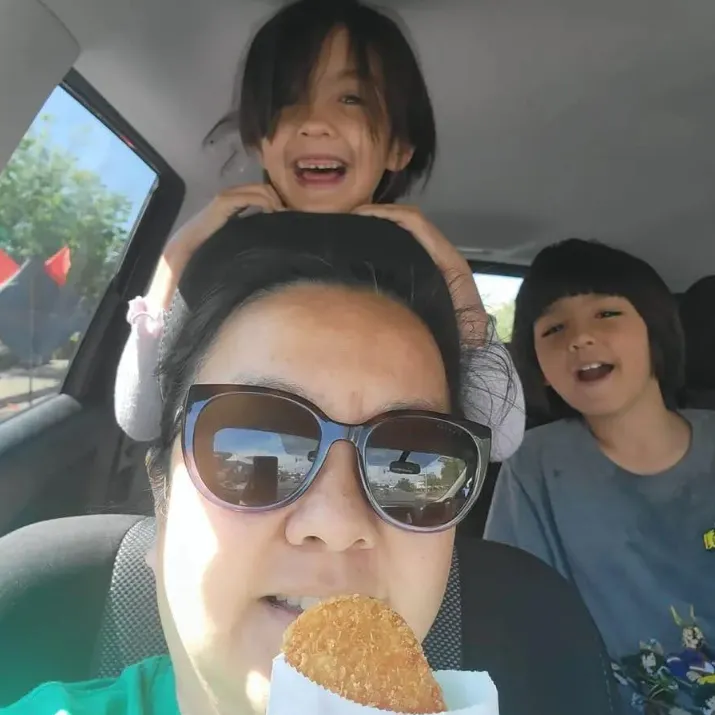
Inside the home, four people were discovered unresponsive.
All had suffered gunshot wounds.
There were no survivors.
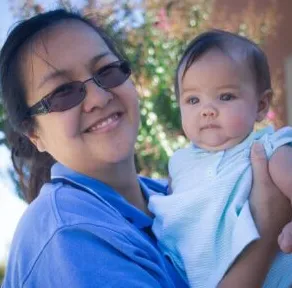
The victims were identified as David Vallerga, his wife Lindsey G. Peralta Vallerga, and their two children.
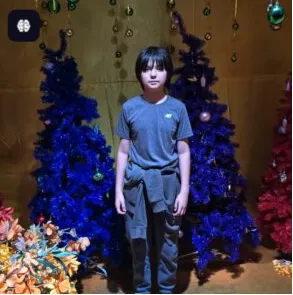
Thirteen-year-old Colton Drake Peralta Vallerga and eleven-year-old Sydney Peralta Vallerga were also found dead.
An entire family had been wiped out behind closed doors.
Despite the terrifying claim made during the phone call, investigators later confirmed there were no booby traps.
The threat, though false, had delayed entry and heightened fear.
By the time deputies reached the family, it was already too late.
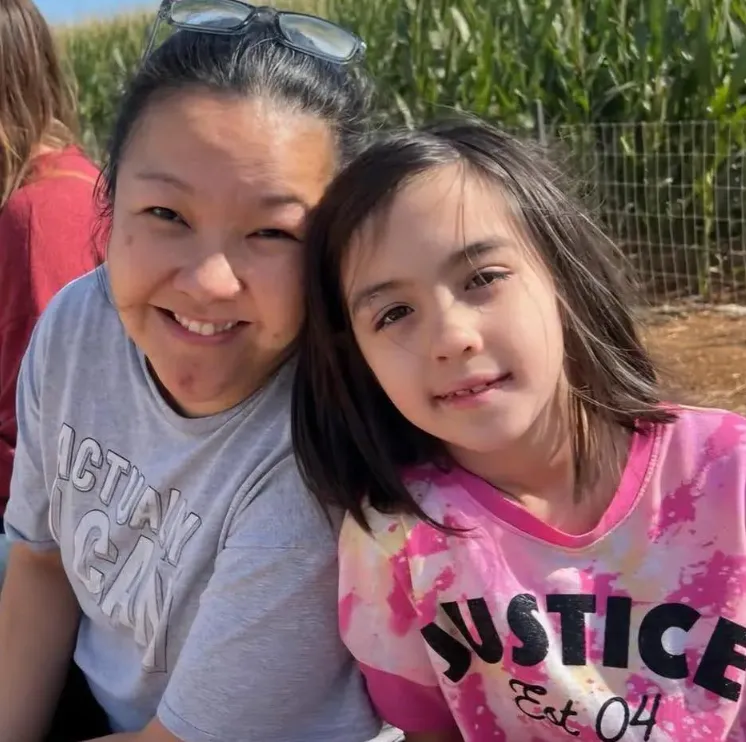
Authorities believe David Vallerga shot his wife and children before taking his own life.
The investigation quickly shifted from an active threat to a suspected murder-suicide.
No motive has yet been officially released.
Outside the home, neighbors stood in disbelief.
Many described the family as friendly, involved, and deeply devoted to their children.
Nothing about them suggested the violence that unfolded inside.
“Their kids played with our kids,” one neighbor said quietly.
“We’ve been neighbors for over fourteen years.”
“I think I only ever saw smiles on their faces.”
Another neighbor remembered the family for their generosity.
They often shared eggs from chickens they raised in their backyard.
Small gestures that now felt haunting in hindsight.
David and Lindsey homeschooled their children.
They also ran a tutoring business together.
To the outside world, they appeared engaged, attentive, and intentional as parents.
Neighbors described Colton and Sydney as imaginative and creative.
They painted, made jewelry, and invented their own games.
Their play often spilled into the yard, filled with laughter and make-believe.
“They loved games like tag and capture the flag,” one neighbor recalled.
“But they made their own versions.”
“They were always playing together.”
For many on the street, the news felt impossible to reconcile.
The family they thought they knew did not match the horror inside the home.
Shock settled heavily over the neighborhood.
But not everyone was entirely surprised.
One neighbor, who lived two houses away, said there were warning signs.
Signs that now echo painfully in his memory.
He recalled hearing yelling late at night while walking his dog.
Arguments that felt intense and unsettling.
Moments he would later regret not reporting.
He described David Vallerga as an introvert.
Someone who seemed withdrawn and troubled.
He believed David may have been struggling with post-traumatic stress disorder.
The neighbor also recalled overhearing a violent threat.
At one point, he said David shouted at Lindsey, “I’m going to f*** you up!”
The words stayed with him long after the sound faded.

At the time, he chose not to call authorities.
He feared escalating the situation or being wrong.
Now, that decision weighs heavily.
Domestic violence rarely presents itself clearly.
It hides behind closed doors, behind smiles and routine.
Outbursts are often dismissed as stress or private matters.
In many cases, neighbors sense something is wrong but hesitate.
They don’t want to interfere.
They don’t want to overreact.
Tragedies like this often expose those moments of silence.
The “what ifs” surface too late.
Questions linger without answers.
For investigators, the work continues methodically.
They are piecing together timelines, phone records, and evidence.
Each detail helps reconstruct what happened, but not why.
No note has been made public.
No clear motive has been identified.
Only the devastating outcome remains.
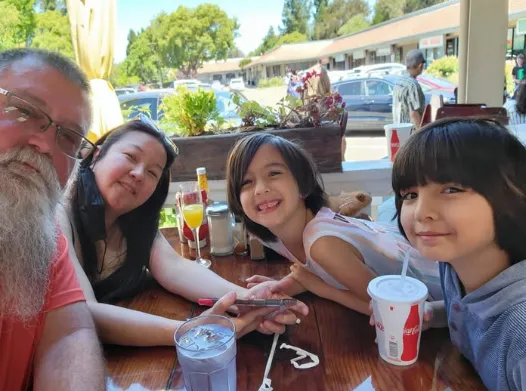
Four lives ended in one home.
Two of them were children who depended entirely on the adults around them.
Their deaths cut especially deep.
Colton was thirteen, on the edge of adolescence.
Sydney was eleven, still firmly in childhood.
Their futures ended before they had a chance to unfold.
Friends and neighbors struggle to process the loss.
Parents hugged their children tighter that night.
Many lay awake, replaying what they had seen and heard.
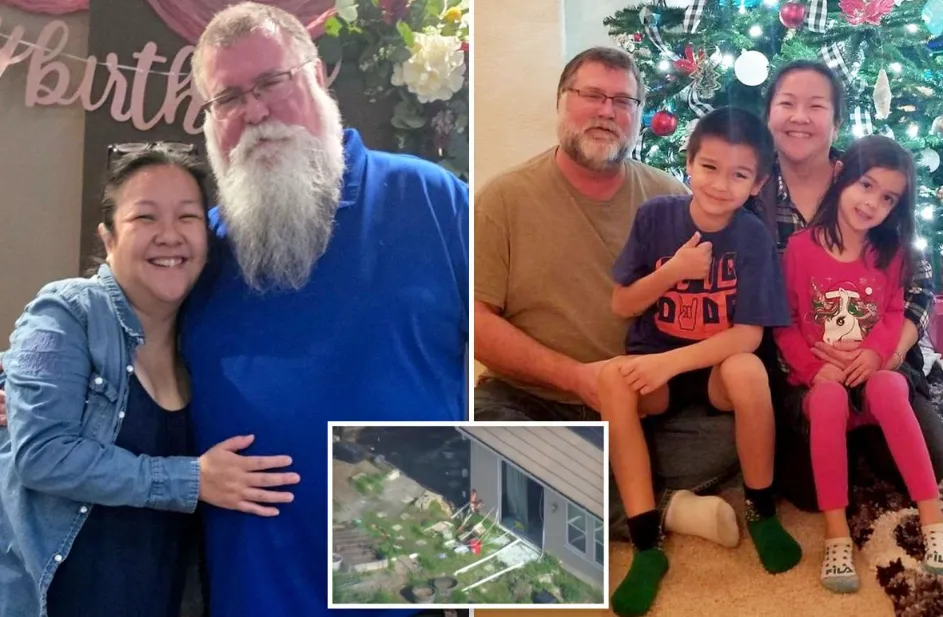
The street eventually reopened.
Families returned to their homes.
But normalcy felt hollow.
The house on Mill Water Circle still stands.
Its walls intact, its rooms unchanged.
But its meaning is forever altered.
For the community, the tragedy serves as a harsh reminder.
Violence does not always look violent at first.
Sometimes it hides in plain sight.
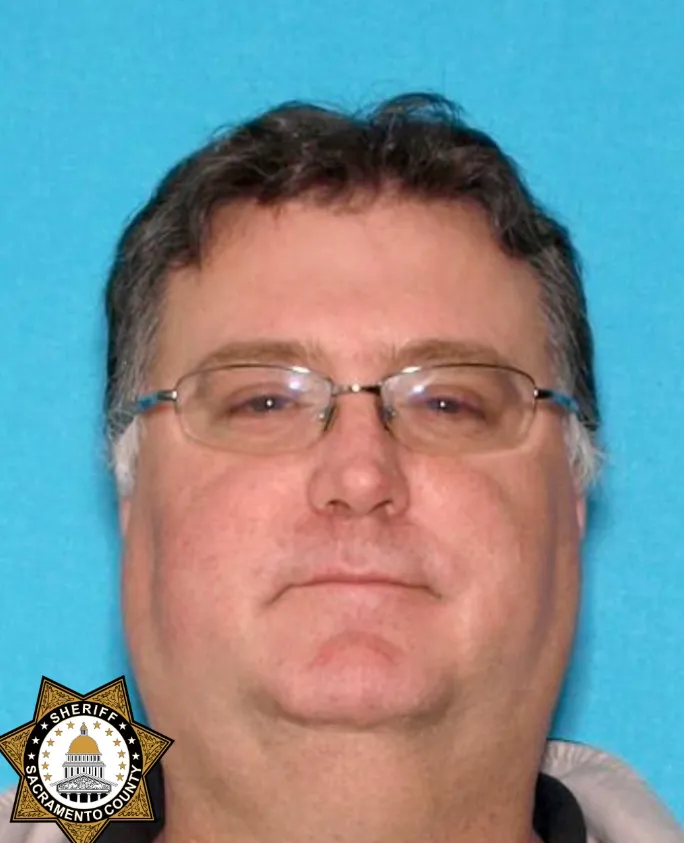
For the neighbor who heard the yelling, regret is unavoidable.
He wonders if speaking up might have changed the outcome.
That question may never leave him.
Authorities urge anyone who hears threats or ongoing domestic disturbances to report them.
Even when the signs feel ambiguous.
Even when certainty is impossible.
Because waiting can be deadly.
Because silence can be costly.
Because lives depend on intervention.

This case joins countless others labeled “murder-suicide.”
A term that feels clinical compared to the human loss it represents.
A phrase that cannot contain the grief left behind.
David and Lindsey Vallerga were more than names in a report.
They were parents, neighbors, and business owners.
Their children were more than victims.
Colton and Sydney were kids who loved to create.
Who played games they invented themselves.
Who trusted the world inside their home.
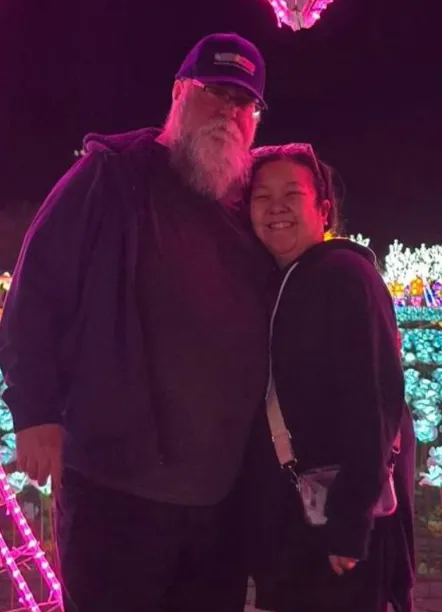
That trust was broken.
In the place meant to be safest.
By the person meant to protect them.
As investigators continue their work, the neighborhood waits.
For answers, for understanding, for closure that may never come.
Some wounds do not heal neatly.
This story is not just about one family.
It is about warning signs, missed chances, and the danger of unseen struggles.
It is about how quickly everything can collapse.
And it is about the quiet streets that look the same afterward.
Even when nothing inside them ever will again.