From Bystander to Defendant: The Shocking Role of Amanda Hernandez in a Brutal Home Invasion 4234
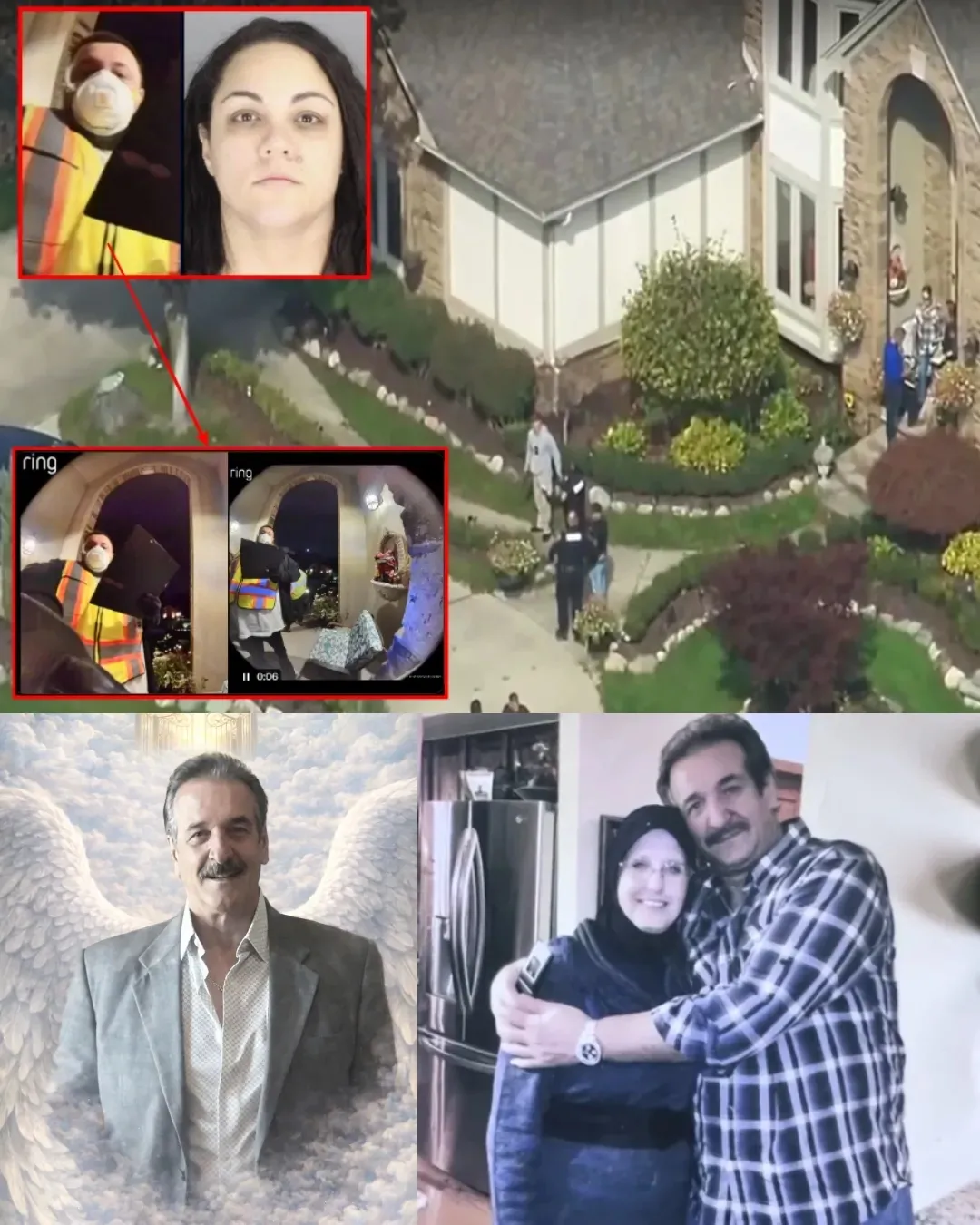
In Michigan, a case that once seemed settled has reopened old wounds and raised new questions, as prosecutors now say the story behind a brutal home invasion and murder stretches further than anyone first believed.
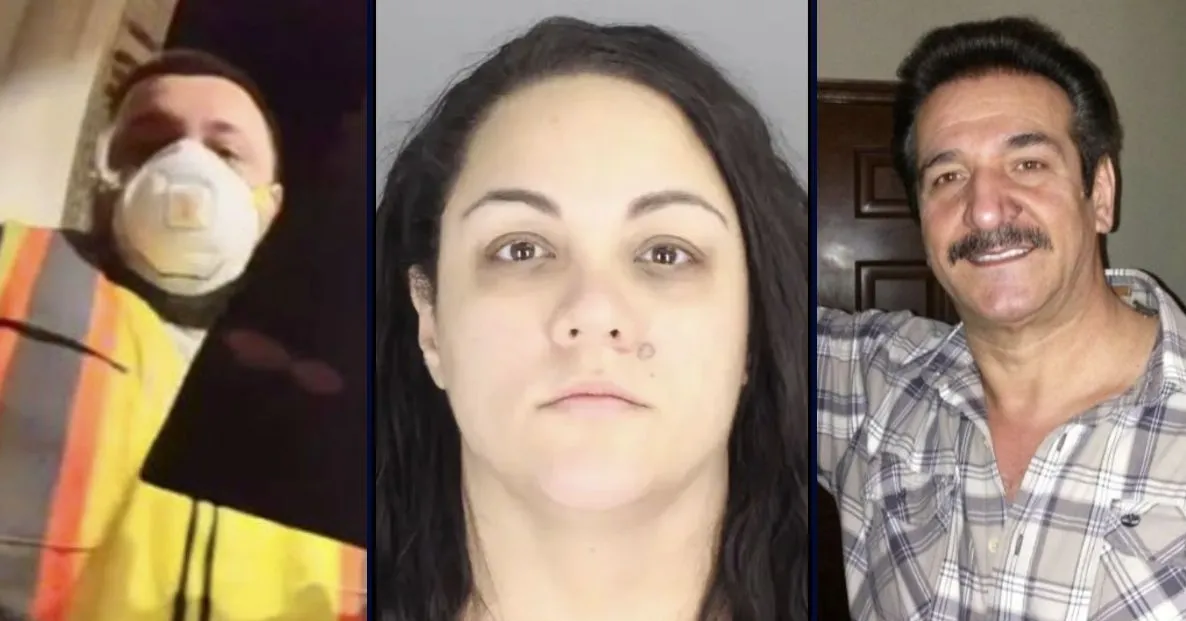
At the center of this new chapter is Amanda Ileana Hernandez, a 34-year-old woman who once stood on the sidelines while her husband was tried and convicted, but who is now facing serious criminal charges of her own.
Her husband, Carlos Hernandez, was sentenced to life in prison in December 2025, alongside his co-defendant, Joshua Zuazo, after a jury found them guilty of a violent crime that shocked an entire community.
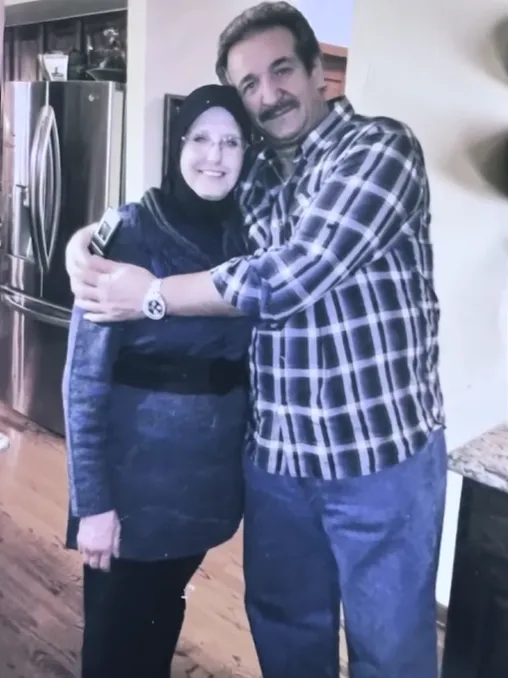
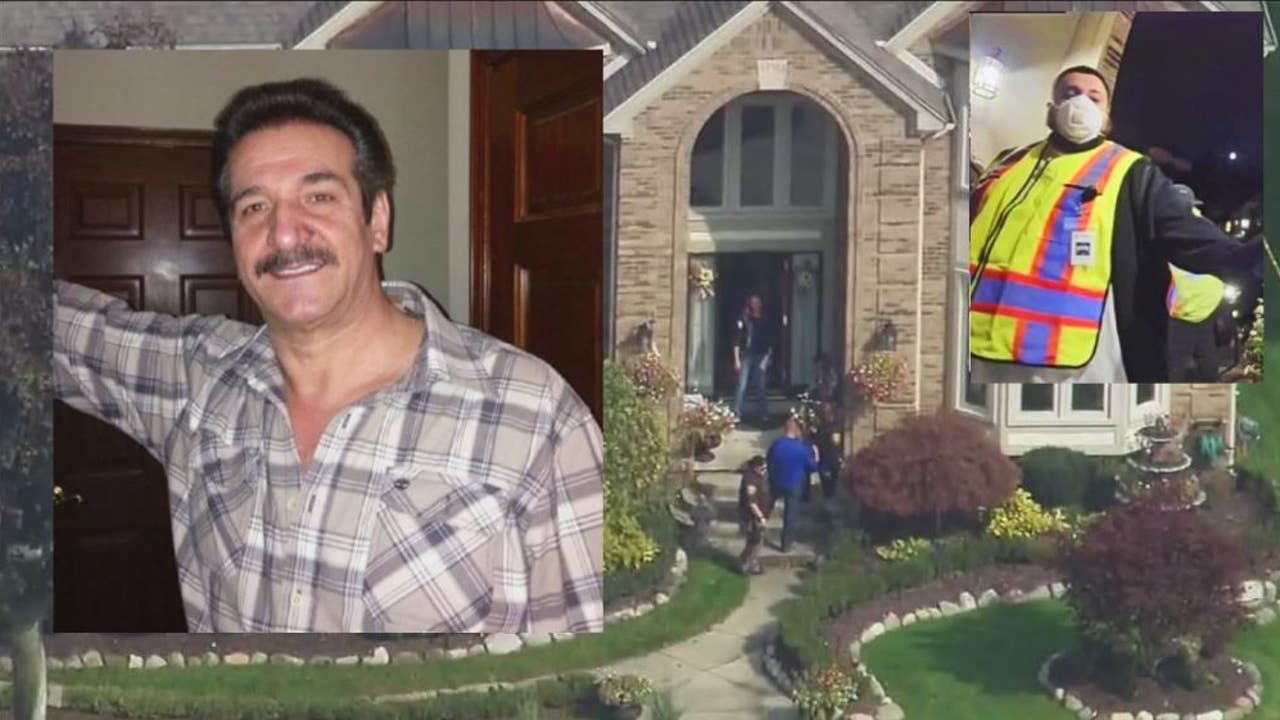
The victim was Hussein Sam Murray, a 72-year-old man whose life ended inside his own home during what prosecutors described as a calculated and ruthless invasion.
The crime took place in October 2024, inside an upscale neighborhood in
Rochester Hills, a place where residents believed safety was a given and danger was something that happened elsewhere.
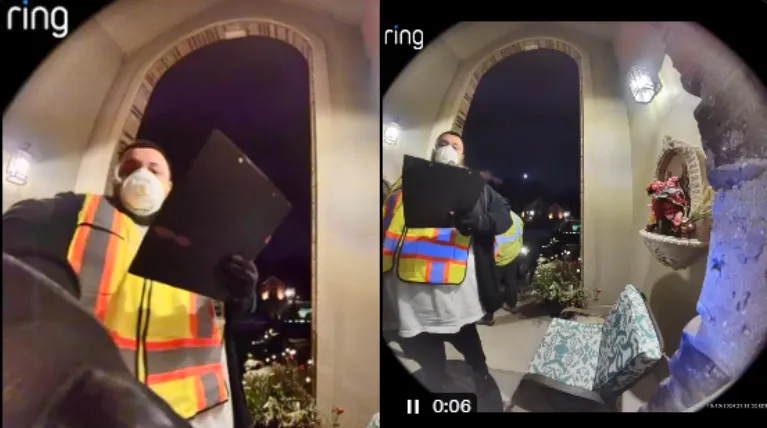
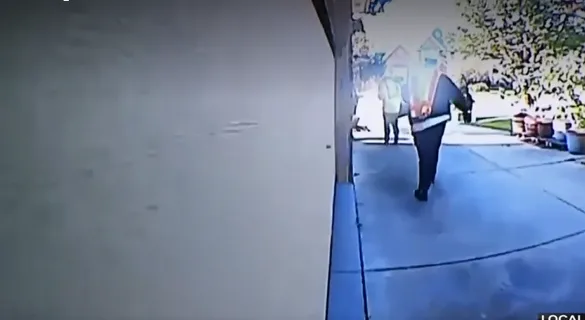
According to investigators, that sense of security was shattered when two men posing as utility workers arrived at the Murray home, wearing fake badges and presenting themselves as employees of
DTE, the local gas provider trusted by countless households.
Prosecutors say the deception worked, at least at first, allowing the men to get close enough to carry out a plan that had already been discussed in painstaking detail long before they ever rang the doorbell.
After one failed attempt to enter the home, the men returned on Oct. 11, 2024, determined to make their plan work no matter the cost.
That day, Murray allowed them into his basement, believing he was cooperating with legitimate workers performing routine duties, unaware that his trust would soon be exploited in the most violent way possible.
Inside the home, prosecutors say Carlos Hernandez and Zuazo tied Murray up and brutally beat him, an assault that ultimately took his life and left a permanent scar on everyone connected to the case.
Upstairs, Murray’s wife was also restrained, helpless as the violence unfolded below her feet.
Despite her fear, she managed to call for help, but responders arrived too late to save her husband, leaving her to live with the memory of those moments and the knowledge that survival came at an unbearable emotional cost.
For more than a year, the focus of the case remained on the two men who physically carried out the killing, with their October 2025 trial laying out the grim details of what happened inside the Murray home.
But during that trial, prosecutors introduced evidence that hinted at something more, something that extended beyond the basement where the beating took place.
They revealed that Amanda Hernandez had allegedly exchanged nearly 100 text messages with her husband in the days leading up to the crime, messages that outlined the planning, anticipation, and expectations surrounding what they believed would be a lucrative robbery.
Those messages, obtained by local NBC affiliate WDIV and presented to the jury, painted a picture not of ignorance or surprise, but of involvement and encouragement, according to prosecutors.
Among the texts was an alleged confirmation from Amanda Hernandez that the fake DTE badges “were delivered,” suggesting that critical tools for the impersonation had already been secured.
Other messages included reminders to “[t]urn your phone off when you’re out there just in case,” advice that prosecutors say reflects an awareness of the criminal nature of the plan and a desire to avoid detection.
She allegedly expressed relief that the men had “a good getaway car,” and warned them to make sure “there was no cameras around,” language that investigators argue shows calculated thinking rather than passive conversation.
Perhaps most chilling, prosecutors say the couple discussed what they would do with the money they expected to steal, turning a violent scheme into a vision of a better life.
The messages allegedly referenced “enough money to buy a house,” and a future without rent, a dream that Amanda Hernandez reportedly described with longing and optimism.
“We can have a nice backyard,” she allegedly wrote, transforming stolen money and deception into an image of domestic peace that now stands in stark contrast to the bloodshed that followed.
For prosecutors, these texts form the backbone of their case against Amanda Hernandez, whom they now accuse of being a conspirator rather than a bystander.
This week, Oakland County authorities formally charged her with conspiracy to commit a first-degree home invasion, accessory after the fact, and conspiracy to commit false impersonation of a utility worker.
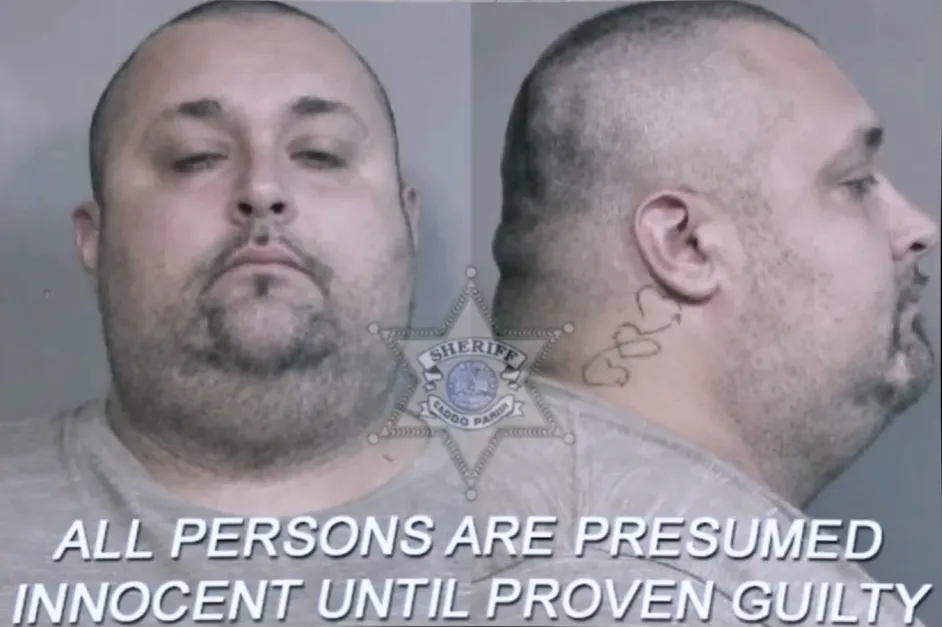
She was arrested on Tuesday and booked into the Oakland County Jail, marking a dramatic shift in her role from the spouse of a convicted killer to a defendant facing the criminal justice system herself.
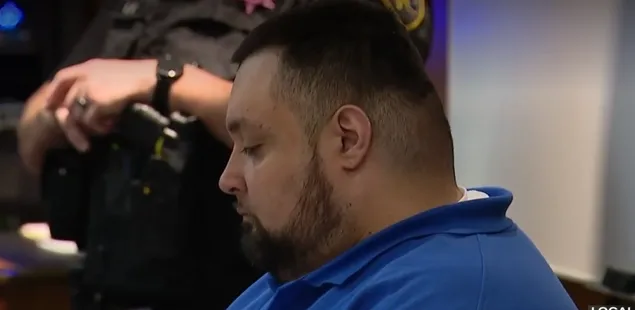
At her court appearance on Wednesday, a judge set her bond at $100,000, a figure that reflects both the seriousness of the charges and the gravity of the alleged conduct.
Prosecutors have made it clear that they intend to hold Amanda Hernandez accountable, arguing that planning a crime from behind a phone screen does not lessen responsibility when the outcome is deadly.
They say the case is a reminder that conspiracies do not end with the people who walk through the door, but include those who help plan, encourage, or enable violence from afar.
Her next court appearance is scheduled for Feb. 9, a date that will likely bring renewed attention to a case many believed had already reached its conclusion.
For the Murray family, each new development reopens grief that never truly fades, forcing them to relive the loss of a husband and the trauma of a night that changed everything.
For the community of Rochester Hills, the charges serve as a sobering reminder that crime does not always look like chaos at first glance, and that trust can be weaponized in devastating ways.
And for Amanda Hernandez, the backyard she once imagined now feels impossibly distant, replaced by a courtroom, a jail cell, and the weight of allegations that tie her dreams directly to a man’s death.
As the case moves forward, one question lingers over every text message and every court filing, asking how far responsibility reaches when words, planning, and ambition quietly pave the way for irreversible violence.
London Bridge Incident: The Power of Reaching Out in Times of Need 39
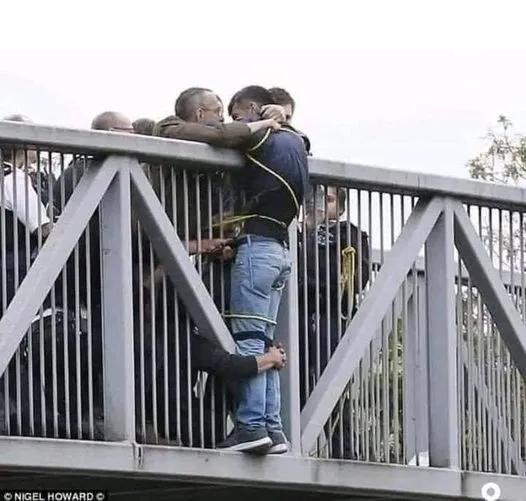

In a world that often feels divided, a heartwarming story from London reminds us of the power of human connection, compassion, and the incredible impact that simple acts of kindness can have on a person’s life. Not long ago, a man was spotted on a bridge in London, seemingly on the edge of taking his own life. This distressing scene could have unfolded in any number of tragic ways. But what happened next was nothing short of extraordinary.
As this man stood at the edge, feeling hopeless and ready to give up, a group of absolute strangers saw him. Without hesitation, these individuals, from various walks of life, approached him. Rather than turning away or ignoring the situation, they did something few would expect—they reached out with compassion. They talked to him, listened to his fears, and most importantly, they offered their hands, literally and figuratively.
In what could have been a moment of despair, these strangers displayed the qualities that are sometimes rare in a world where people are often more concerned with their own lives than the suffering of others. They held on to the man for an entire hour, keeping him safe, talking him down from the edge, ensuring that he didn’t feel alone or abandoned in his moment of crisis. It was a powerful display of care, patience, and unwavering determination. As the man clung to the bridge, these individuals—who had no obligation to him—held him firmly, offering him the reassurance and human touch he needed to feel that there was hope.
It’s easy to get lost in the chaos of everyday life and to overlook the pain that others are experiencing. But these strangers, without knowing the man’s story or the reasons for his despair, simply chose to act. They chose to help. And that act of kindness was all it took to give this man the strength to reconsider his decision and wait for the help he so desperately needed. Their actions were not grand or spectacular in the traditional sense. They were just humans, extending kindness, and showing that sometimes, a simple gesture can be the difference between life and death.
We live in a world where mental health struggles often go unnoticed or are brushed aside. People who are struggling sometimes feel like they have no one to turn to. The act of these strangers serves as a poignant reminder that there is still good in this world and that every person is valuable. The power of human empathy, compassion, and willingness to connect with others in their darkest moments is truly what makes us human.
What these strangers did wasn’t heroic because they received recognition or fame for their actions. It was heroic because it was an act of pure altruism—doing something for someone else without the expectation of anything in return. It was a reminder that compassion is often found in the most unexpected places, and that kindness can be the catalyst for life-changing transformations.
In the wake of this incident, it’s important to reflect on the role each of us plays in fostering a supportive, caring community. We are often so busy with our lives, running from one task to another, that we forget how impactful a kind word or a helping hand can be to someone in need. We may never know when someone is at their breaking point, but we do know that small acts of kindness—like talking to someone in pain, listening, or simply offering a moment of connection—can save lives.
We need more of this in the world. We need to make a conscious effort to care for one another, especially those who may be suffering in silence. This story shows that we all have the power to make a difference, no matter how small or simple the act may seem. A few minutes of our time, a bit of our attention, and an open heart can change the course of someone’s life. Let us all strive to be the strangers who are willing to reach out when someone is standing on the edge, both literally and metaphorically.