Drunk Driver Sentenced to 15 Years After Driving 40 Miles with Victim’s Body in the Passenger Seat 4227
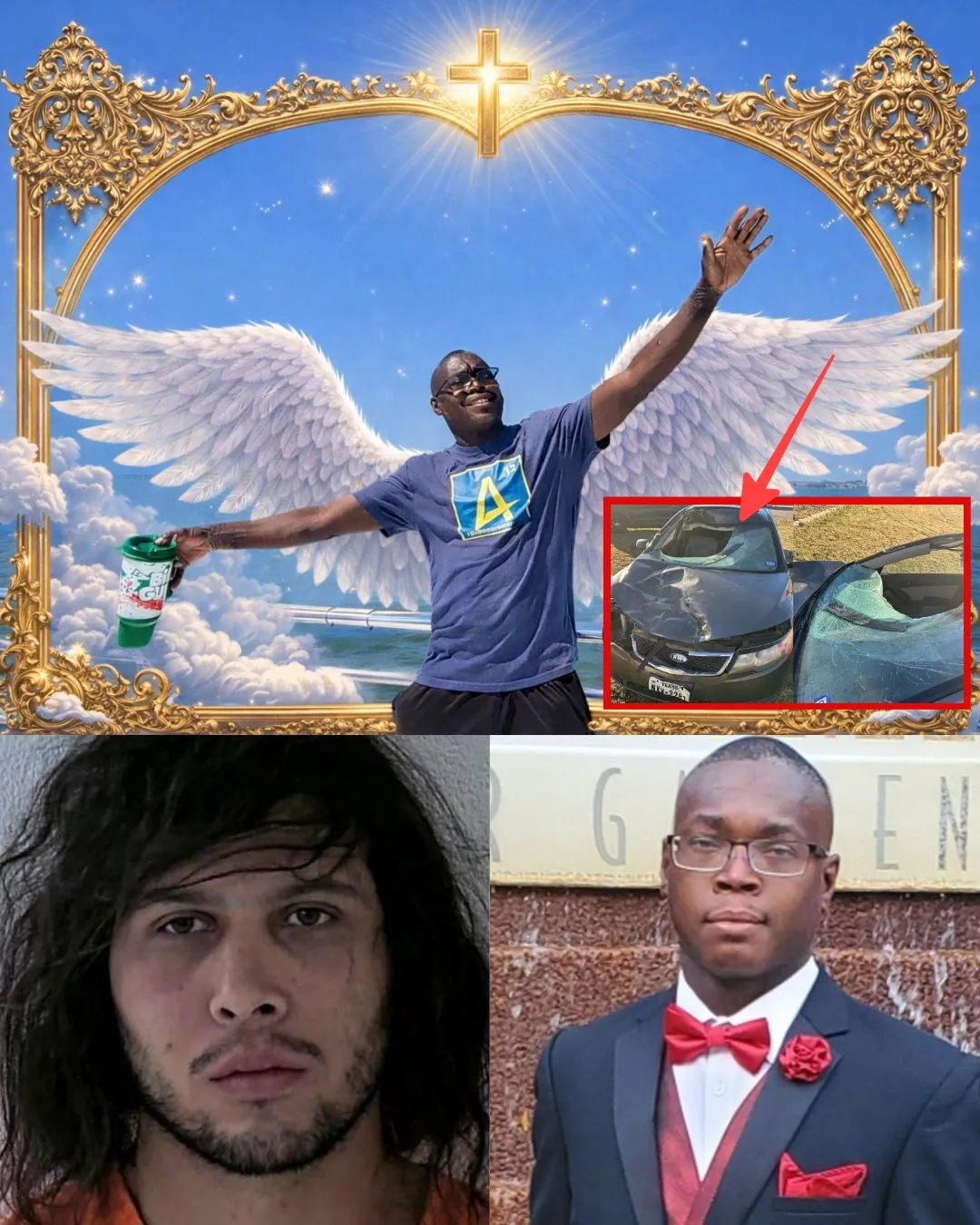
In a haunting and tragic incident that shocked the community, a Texas man has been sentenced to 15 years in prison after he struck and killed a pedestrian, only to continue driving for nearly 40 miles with the victim’s body inside his car.The incident, which involved a hit-and-run, raises critical questions about responsibility, the consequences of drunk driving, and the morality of those who choose to flee the scene rather than offer aid.
The heartbreaking chain of events that unfolded that night left a family mourning, a community in disbelief, and a driver facing the harsh consequences of his actions.
The Collision: A Night of Tragedy
On a quiet evening in West Dallas, a pedestrian was simply trying to cross the road.
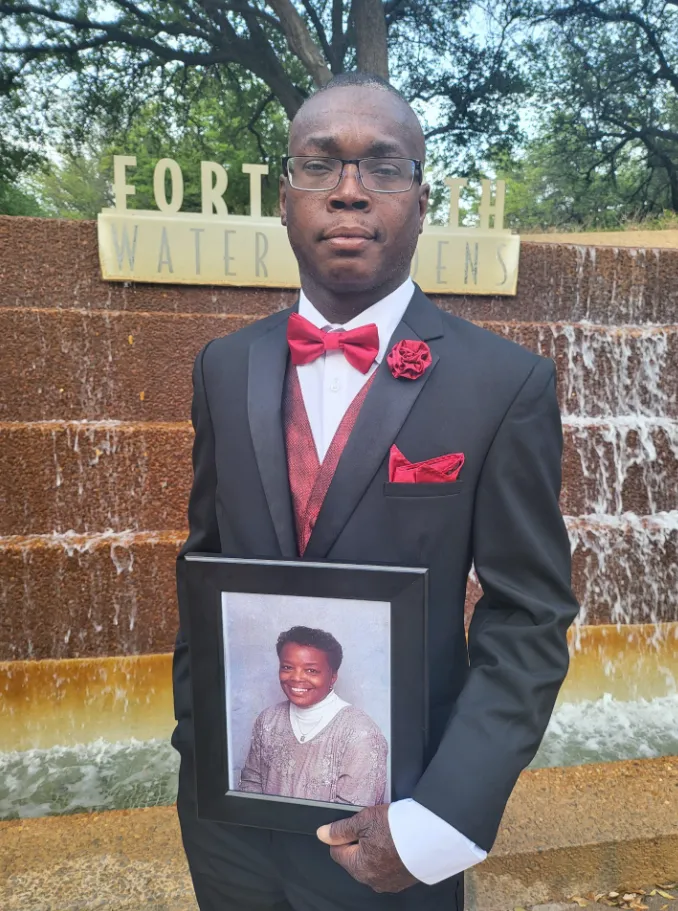
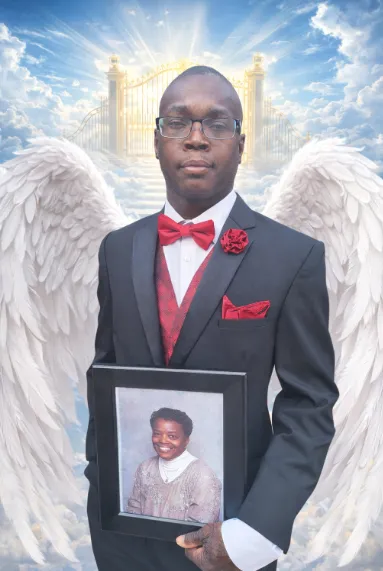
45-year-old Terry Ivory, a father, a friend, and a part of the local community, was walking along a service road near Interstate 30.
At some point, he was struck by a vehicle traveling at high speed.
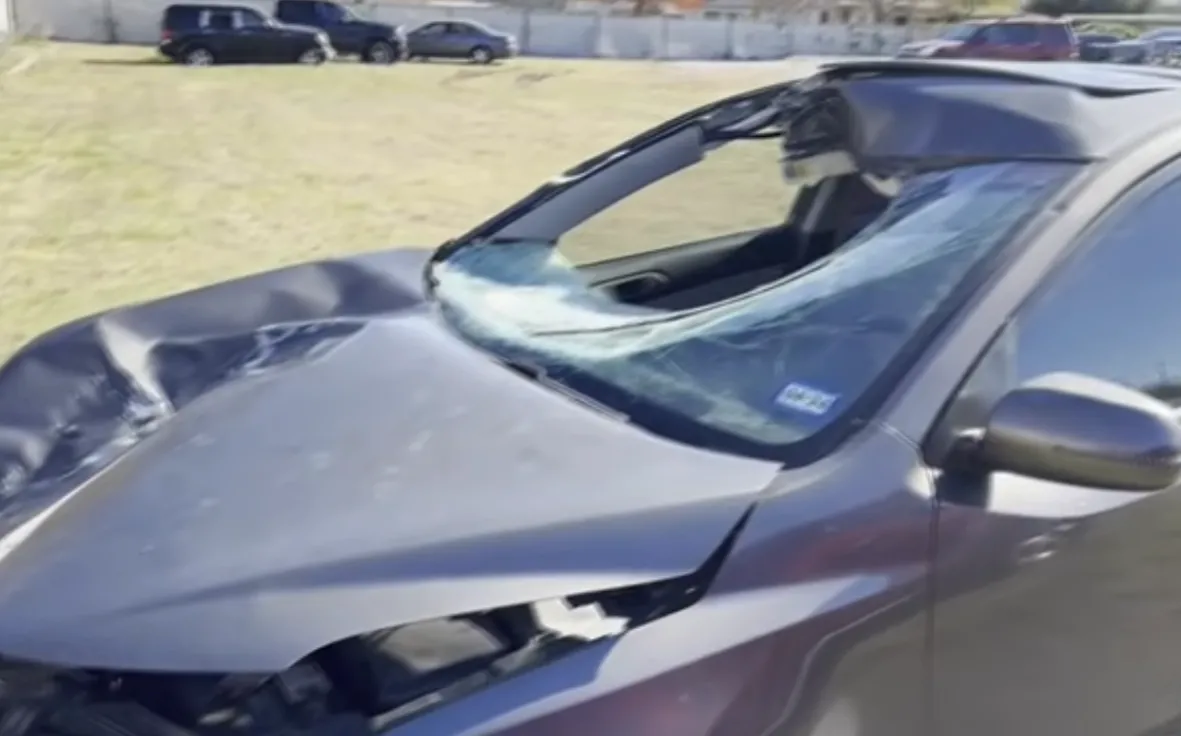
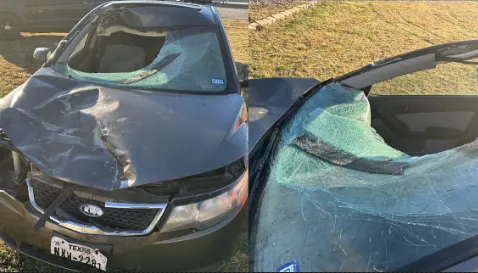
The impact was so violent that Ivory was thrown through the windshield, landing upside down in the passenger seat of the car.
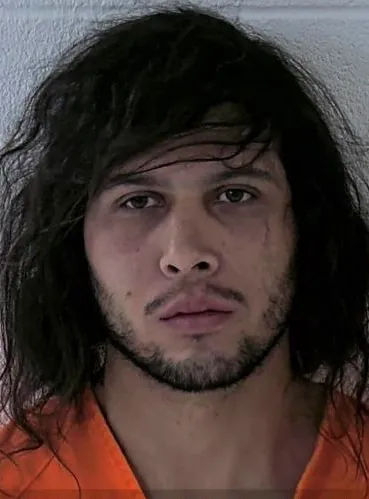
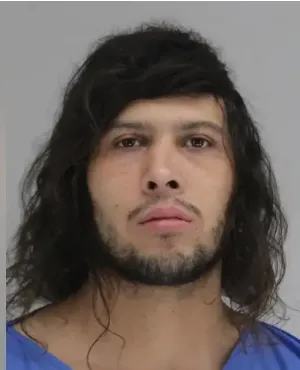
The driver of the vehicle, 31-year-old Nestor Joel Lujan Flores, did not stop.
Instead of calling for help, instead of attempting to assist the man he had just hit, Flores continued to drive, ignoring the gravity of the situation and the responsibility he had as a driver.
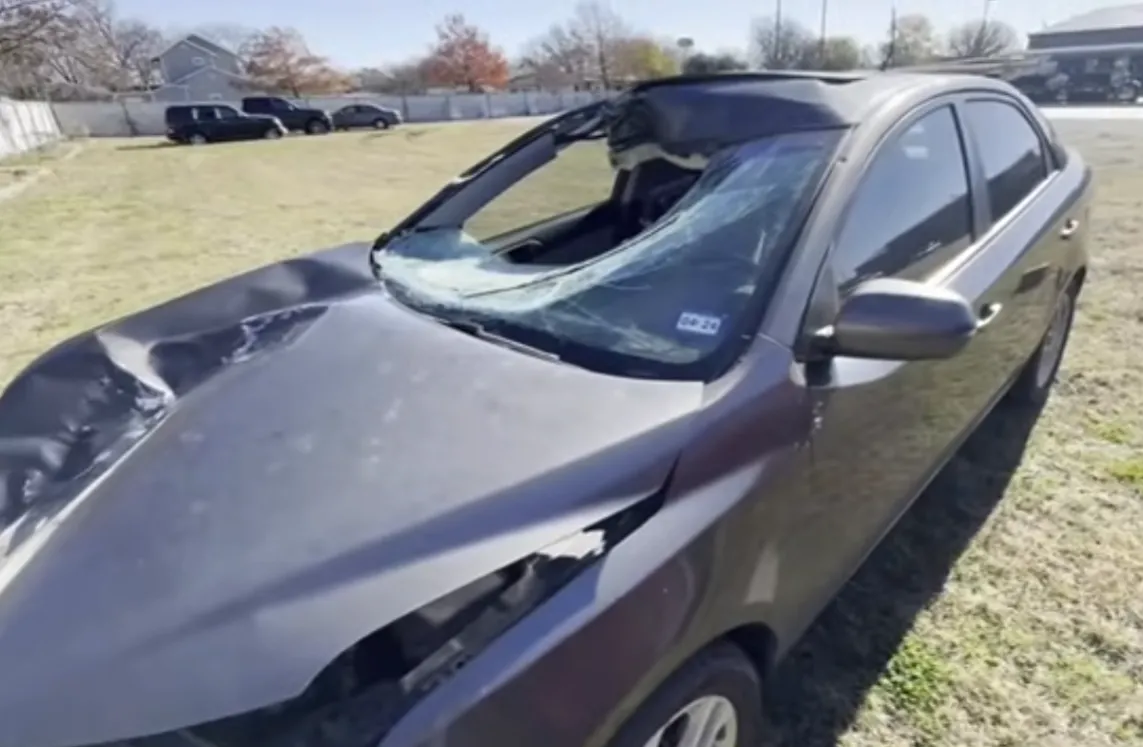
His intoxicated state seemed to impair his judgment, leading him to make a series of decisions that would ultimately lead to the senseless death of an innocent person.
The Long Drive: 40 Miles of Indifference
Flores did not stop after hitting Ivory.
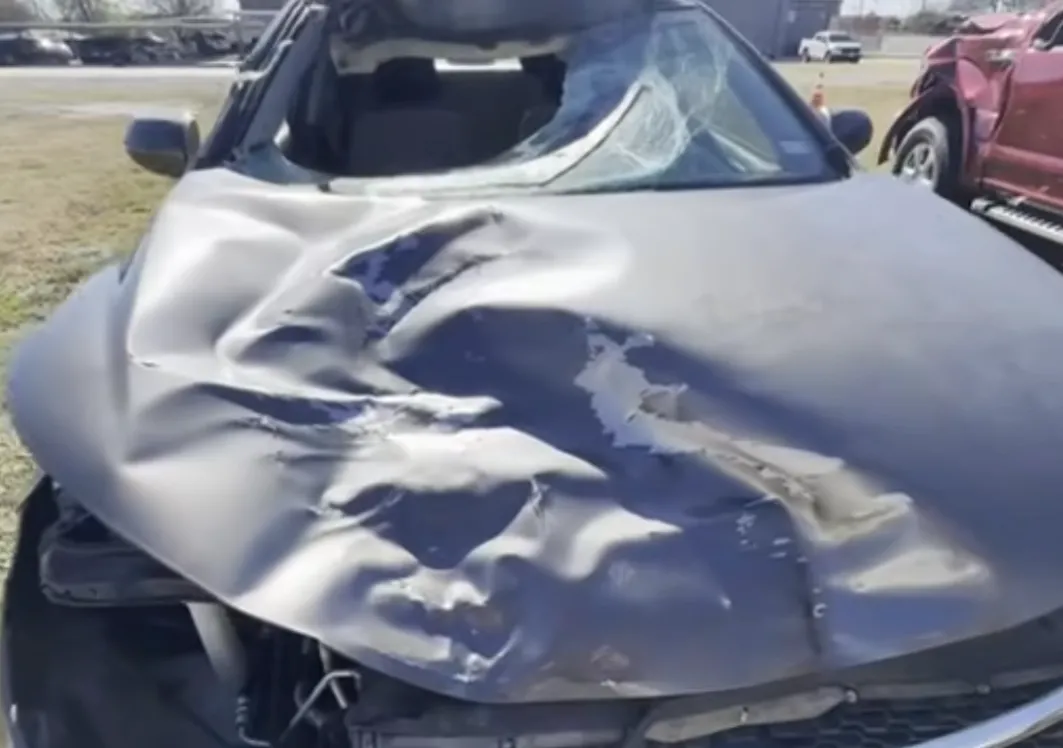
Instead, he kept driving, with the body of the victim still in the passenger seat, lifeless and crushed by the force of the impact.
He drove for nearly 40 miles, passing through different parts of the city, with the dead body beside him.
The scene was surreal and horrifying: a man, intoxicated, unresponsive to the severity of the situation, choosing to continue his journey rather than stopping to provide aid or seek medical help for the person he had just hit.
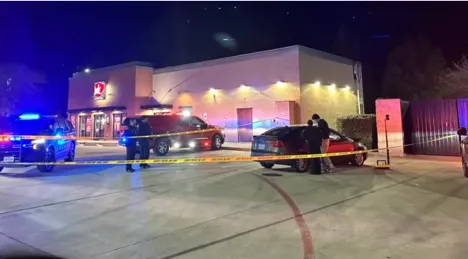
His destination was a fast-food restaurant in White Settlement, where he parked his car in the lot and passed out.
He had driven for nearly an hour, with a man’s body in his passenger seat, unaware or perhaps indifferent to the gravity of his crime.
Flores was, in effect, treating the victim’s life with complete disregard.
No remorse, no recognition of the tragedy that had just unfolded.
The horror of it all was made even worse by the fact that a person had not only lost their life but had been left to die alone in a car, abandoned as if discarded like garbage.
Discovery of the Horror
Hours after the collision, a concerned customer at the fast-food restaurant noticed the wrecked vehicle and the unconscious driver.
It was the first sign that something was terribly wrong.
When police arrived at the scene, they found Flores slumped over in his car, unresponsive, and Ivory’s body still jammed upside down in the passenger seat, lifeless.
The sight was a chilling testament to the horrific choices made by the driver, who had treated another person’s death with such indifference.
The police immediately suspected something was amiss.
Flores was arrested and taken into custody, but the full extent of the horror did not become clear until a blood test was conducted.
The test showed that Flores was severely intoxicated, with a blood alcohol content that was well above the legal limit.
His impaired state had contributed to the tragic outcome of that night, making it impossible for him to make the responsible choice to stop and offer help to the man he had just struck.
The Impact: A Family Devastated
For Terry Ivory’s family, the pain was unbearable.
Ivory, a beloved figure in his community, was taken away in the most brutal and senseless of ways.
His family spoke out during the court proceedings, expressing their grief and anger.
“He left Terry there like trash in that car,” said one grieving relative outside the courtroom.
“No one deserves to die like that, and no family deserves to find out this way.”
The words spoke to the sheer cruelty of the situation.
It wasn’t just the death that caused pain—it was the treatment of the victim’s body, the utter disregard for his life, and the absence of any attempt to rectify the wrong that had been done.
In a sense, the family was left to grapple with the horror of not just losing their loved one, but of how he had been treated in his final moments.
The anguish of such an event can never truly be understood, but the family’s strength in the face of tragedy shone through in their pursuit of justice.
The Court Case: Seeking Justice
The court proceedings were a lengthy and emotional process, filled with testimony and heartbreaking accounts from family members, friends, and the community.
Flores faced charges of intoxication manslaughter and collision involving death, and after a period of legal deliberation, he ultimately pleaded guilty to both charges.
The decision was a critical moment for the family, who had been waiting for justice since the tragic event unfolded.
Flores’ guilty plea meant that he would be held accountable for his actions.
He was sentenced to 15 years in prison for his crimes, a sentence that will see him spend at least half of that time behind bars before becoming eligible for parole.
While no amount of time in prison could ever bring Terry Ivory back or heal the wounds left by his death, the sentence was a recognition of the gravity of his actions.
The Long Shadow of Drunk Driving
The case of Nestor Joel Lujan Flores serves as a painful reminder of the dangers of drunk driving.
While many drivers believe they are in control, the truth is that alcohol impairs judgment, reflexes, and the ability to make sound decisions.
In this case, the consequences were catastrophic.
A man’s life was lost, and his family was left to pick up the pieces of a life shattered by a senseless act of negligence.
Drunk driving is an epidemic that continues to devastate families, leaving behind a trail of destruction that can never be undone.

Every year, thousands of lives are lost due to drunk driving accidents, and yet, many people continue to make the dangerous decision to get behind the wheel while intoxicated.
The justice system plays a critical role in holding individuals accountable for their actions, but there is a larger societal responsibility to educate and prevent such tragedies from happening in the first place.
The Path Forward: A Call for Change
While the legal system has played its part in bringing Flores to justice, there is still much work to be done to prevent similar tragedies in the future.
The case highlights the need for stronger measures to deter drunk driving, as well as for greater education on the dangers of impaired driving.
It also underscores the importance of being vigilant in our communities, watching out for one another, and stepping in when something seems off.
The pain felt by Terry Ivory’s family will never fully subside, but in sharing their story, they hope to bring attention to the issue of drunk driving and inspire others to make better choices.
“It could happen to anyone,” said one relative.
“You never think something like this will happen to you, but it does, and it leaves a scar that never goes away.”
For Nestor Joel Lujan Flores, the consequences of his actions will follow him for the rest of his life.
He will serve his time in prison, but the emotional toll of the tragedy will likely haunt him as well.
He will live with the knowledge that his choice to drive under the influence resulted in a life lost and a family shattered.
His decision to keep driving with the victim’s body beside him will forever be etched in the memories of those who loved Terry Ivory.
Conclusion: A Lesson in Accountability
This tragic incident serves as a stark reminder that the choices we make can have far-reaching consequences.
Drunk driving is not just a mistake—it is a choice that can lead to irrevocable harm.
In this case, a man’s life was taken, and a family’s grief was compounded by the sheer callousness of the driver’s actions.
The 15-year sentence handed down to Flores is a step toward justice, but it is not enough to undo the damage done.
As a community, we must continue to raise awareness about the dangers of drunk driving, demand stricter penalties for those who choose to endanger others, and work toward a future where no family has to suffer in the same way that Terry Ivory’s family has.
The road ahead may be long, but through education, accountability, and compassion, we can hope to reduce the number of lives lost to senseless, preventable accidents.
The Frog That Freezes to Live 165


Imagine being so still, so silent, so utterly gone that your heart stops beating. Your lungs forget how to breathe. Your blood turns to slush. Your brain goes completely dark.
Not just for minutes. But for months.
That’s not science fiction—it’s the reality of the Alaskan wood frog, one of nature’s most extraordinary survivors.
Every winter, as temperatures plummet and snow blankets the forest floor, this tiny amphibian does something unthinkable: it freezes solid. Nearly two-thirds of the water in its body becomes ice. Its heart no longer pumps. Its lungs stop expanding. Its brain activity flatlines.
In every measurable way, it dies.
And then—spring.
With the first touch of warmth, the ice inside its body begins to melt. Slowly, its cells awaken. Its heart, quiet for weeks, stutters and then finds rhythm. Its lungs inflate. Its eyes blink open to a world reborn. The frog hops off, as if nothing happened at all.
Scientists call this process cryoprotection—a biological feat where glucose and urea flood the frog’s cells before freezing, acting like natural antifreeze to prevent them from bursting. It’s survival not through resistance, but through surrender. The frog doesn’t fight the cold. It embraces it. It becomes part of it.
And then it comes back.
Not weaker. Not broken.
Alive.
Fully.
This tiny creature, no bigger than a human thumb, holds within its skin a lesson as powerful as any in nature: what looks like the end may not be.
In a world where we often measure resilience by how loudly we resist, the Alaskan wood frog offers a quieter kind of strength. One that lies in stillness. In trust. In the miraculous patience of knowing that even after everything stops—life can begin again.
So maybe the question isn’t how to avoid winter, or how to outrun the dark.
Maybe the question is:
What else might be possible, if life can restart after everything fades?
Because if a heart can beat again after ice,
Maybe hope can, too.