“CHISELED IN STONE” NEVER REACHED NO. 1. AND SOME PEOPLE STILL SAY IT DIDN’T DESERVE TO. It stalled at No. 6 in 1988. Critics of old country have a ready verdict: three chords, one drunk, and a man crying into his beer about a woman who left. They call it the sound of losers feeling sorry for themselves. Half of that is fair. The song does start with a man wallowing. That’s the point. He complains — and then an older stranger cuts him off and tells him what real loss looks like, the kind carved into a headstone. The self-pity isn’t the message. It’s the thing the song dismantles. Vern never oversold that turn. He sang it low, like a man too worn out to raise his voice. That restraint is what people mistake for weakness. Jamey Johnson had a simpler answer for the doubters: “If anyone wants to know, ‘Was he really that good?’ they can just listen to Chiseled In Stone. He was really that good. The guy was a walking heartache.” Under the song online, listeners keep leaving the same kind of comment: a bar, a father, a funeral they hadn’t thought about in years. In 1989 the CMA named it Song of the Year. Not popular enough for No. 1. Honest enough to outlast the songs that got there. Some folks say country like this hasn’t aged well. What would you tell them? – Country Music
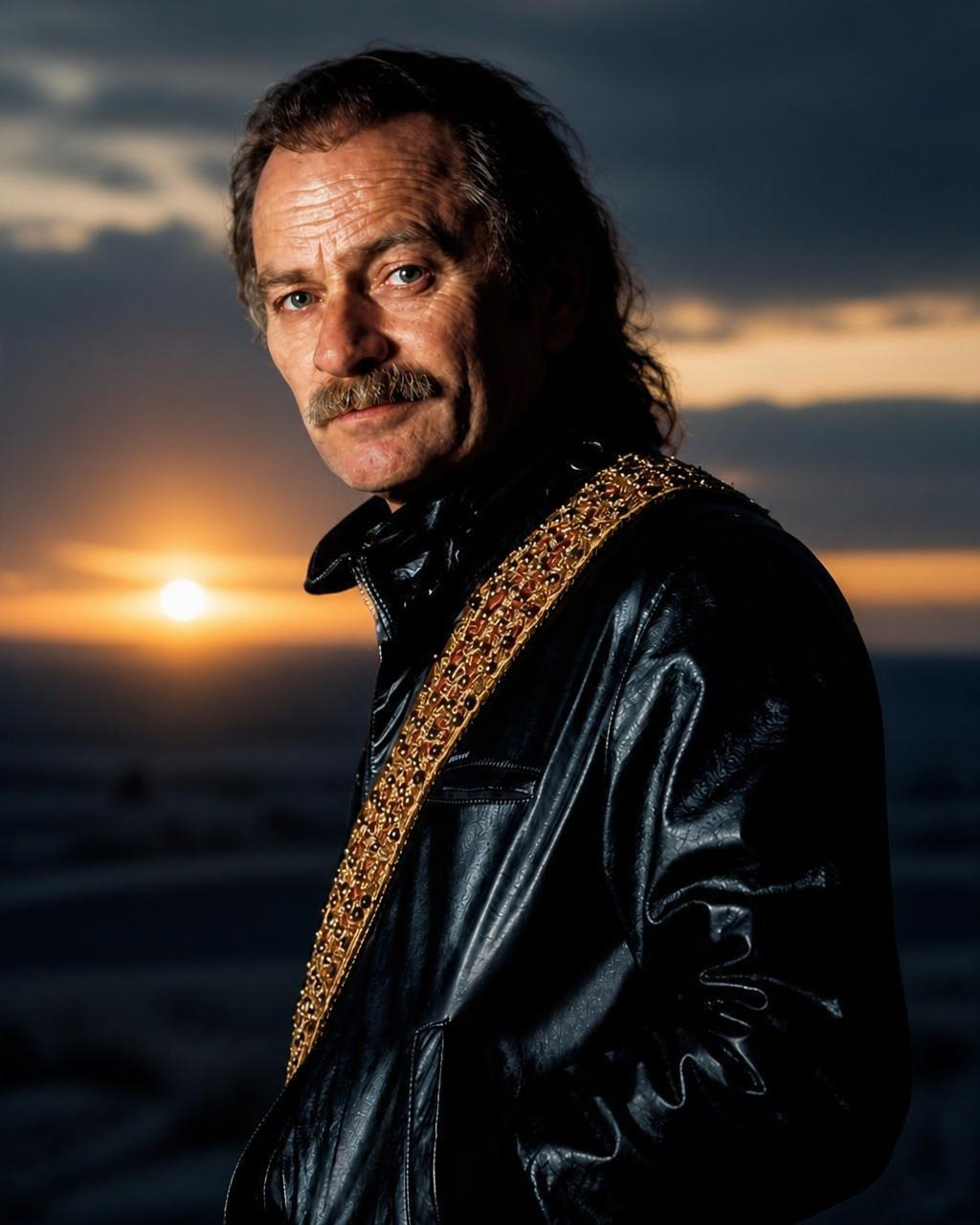
Chiseled in Stone Was Never a No. 1 Hit, but It Became Something Harder to Shake
“Chiseled in Stone” never reached No. 1. It stalled at No. 6 in 1988, which is exactly why some people still bring it up like a quiet argument waiting to happen. In country music, chart position can tell one story, but it does not always tell the whole one.
The first thing listeners hear is a man in pain. He is drinking, complaining, and sounding like someone who expects the room to agree with him. That is where a lesser song would stop. Vern Gosdin did not stop there. He let the sorrow hang in the air, then turned the whole thing over with one of the sharpest reminders in country songwriting: some heartbreak is bigger than wounded pride.
That turn is what made the song last. The narrator’s self-pity is not treated as wisdom. It is exposed. An older stranger steps in with the kind of hard-earned truth that only life, loss, and time can deliver. By the end, the song is no longer about a man feeling sorry for himself. It is about perspective, grief, and the way real sorrow changes the room around it.
Why Vern Gosdin’s Voice Mattered
Vern Gosdin never sang “Chiseled in Stone” like a man trying to impress anybody. He sang it low and worn, almost like he knew the song would land better if he did not push it. That restraint gave the record its power. It sounded less like a performance and more like a confession somebody could not take back.
That is why admirers still point to the song when they talk about Vern Gosdin’s greatness. Jamey Johnson once summed up that feeling plainly: if anyone wants to know whether Vern Gosdin was really that good, they can listen to “Chiseled in Stone.”
Even now, listeners describe the same reaction in different words. A bar. A father. A funeral. A memory they had not expected to reopen. That is the strange strength of a song like this: it does not just entertain people. It finds the places they already carry.
In 1989, the Country Music Association named “Chiseled in Stone” Song of the Year. That mattered, not because it changed the chart history, but because it confirmed what many fans already knew. Some songs arrive loudly. Others arrive honestly. The second kind often lasts longer.
What Would You Say to the Doubters?
To people who say old country has not aged well, the honest answer is simple: it depends on what you wanted from it in the first place. If you only wanted polish, maybe this song feels rough. If you wanted truth, it still cuts deep.
“Chiseled in Stone” was never built to be flashy. It was built to tell the truth about regret, loss, and the difference between feeling broken and being truly broken. That is not a dated idea. That is human. And human stories do not expire just because the radio moved on.
Post navigation
Jeannie Seely’s Last Opry Show Was Not a Goodbye, but a Final Bow
They did not call it a funeral. They called it Jeannie Seely’s 5,398th Opry Show, and that choice said everything. On August 14, 2025, the Grand Ole Opry House in Nashville opened its doors to the public for a morning that felt both deeply sad and unmistakably alive. The service was held at 10 a.m. and broadcast live on 650 AM WSM, the same station that had carried Jeannie Seely’s voice and legacy for decades.
Jeannie Seely had appeared on the Opry stage 5,397 times before that day, more than any other artist in the history of the Grand Ole Opry. So when family, friends, and fellow musicians gathered to honor her, it felt right that the final tribute happened where so much of her life had already been lived out loud.
The room filled with voices that knew her well. Larry Gatlin, Ricky Skaggs and the Whites, Steve Wariner, Louise Mandrell, Jimmy Fortune, The War and Treaty, T. Graham Brown, Darryl Worley, Rhonda Vincent, and Mandy Barnett all came to sing, speak, and remember. Dolly Parton appeared by video, and Jamie Dailey led the house in Amazing Grace, asking everyone to sing with him.
“She was one of my dearest friends,” Dolly Parton said in tribute. “I think she was one of the greater singers in Nashville, and she had a wonderful sense of humor.”
That friendship was part of what made the morning feel so personal. Jeannie Seely was never just a chart name or an Opry regular. She was a trailblazer who won a Grammy Award in 1966 for Don’t Touch Me, and she was known for wearing pants on the Opry stage at a time when women were expected to dress differently. She called out discrimination when she saw it, and she did it without softening her voice.
Her life on stage was matched by a life of generosity off it. In lieu of flowers, her family asked for donations to the Opry Trust Fund, which helps musicians in need. Even in her final tribute, Jeannie Seely was still looking out for the people behind the music.
That is what made the morning so moving. It was not only a farewell. It was a reminder that Jeannie Seely had spent her life building something bigger than herself: a sound, a standard, and a place where country music could keep making room for courage.
Show 5,398. She never missed one.