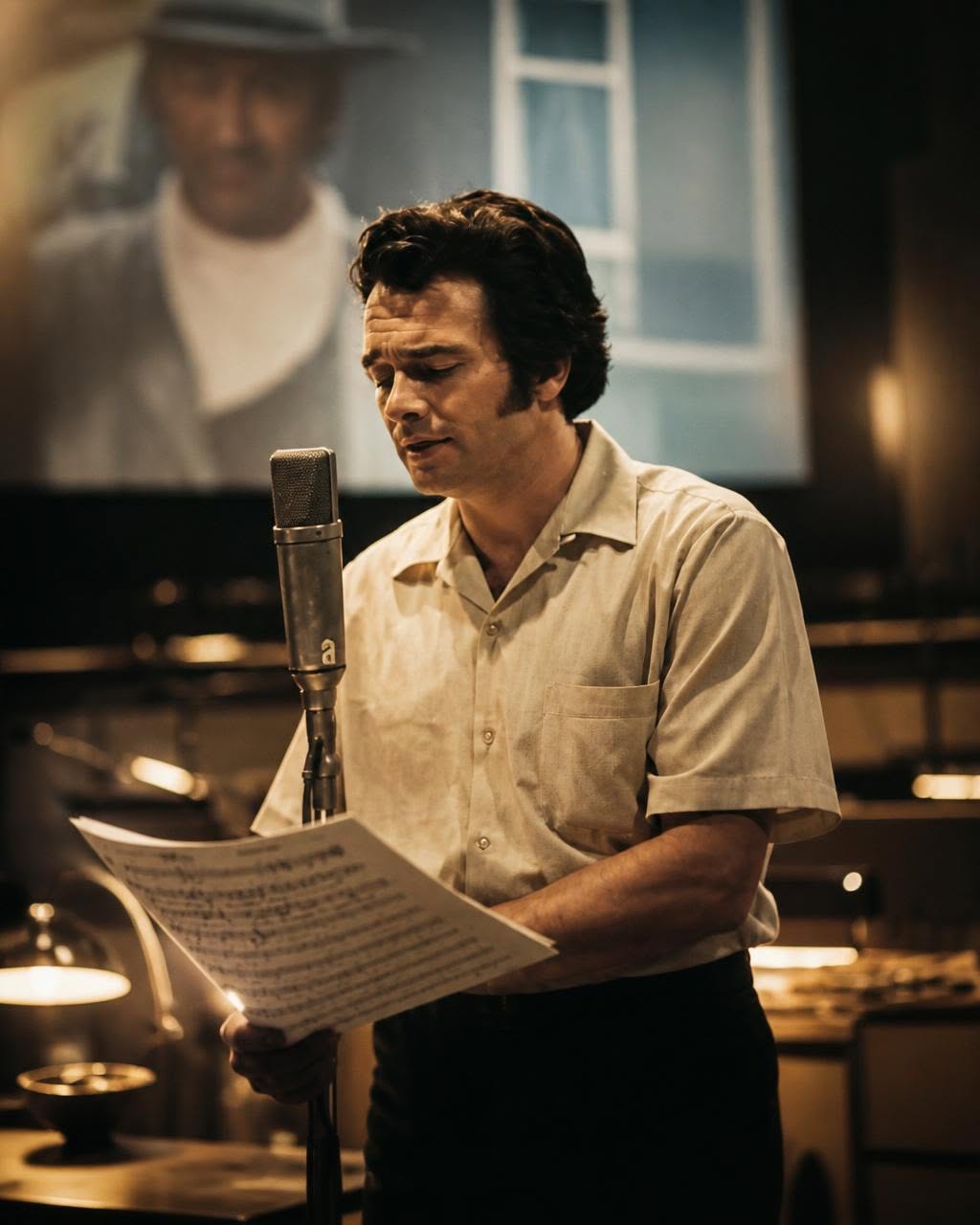
AT 23, MERLE HAGGARD WALKED OUT OF PRISON — SEVEN YEARS LATER, HIS PAST TOPPED THE CHARTS. On November 3, 1960, 23-year-old Merle Haggard walked out of San Quentin Prison on parole. The gates opened, but the past did not disappear. Merle knew a prison record could follow a man for life — especially a man trying to build a career in country music. Then, in 1967, he stopped running from it. “Branded Man” told the story of a former prisoner carrying a mark that freedom could not erase. Merle knew that feeling because he had lived it. The song went to No. 1 on the country chart. The album *Branded Man* reached No. 1, too. Seven years after leaving San Quentin, the part of his life that could have ruined his career had become the truth millions of listeners believed. Merle Haggard could never erase the brand. So he turned it into a song. – Country Music
On November 3, 1960, Merle Haggard walked out of San Quentin Prison on parole at 23 years old. He was free, but freedom did not mean the past vanished. For a young man trying to make a place in country music, a prison record could shadow every step. The stigma was real, and Merle Haggard knew it would take more than talent to outrun it.
That early stretch of his life became part of the story people heard before they heard the songs. Merle Haggard did not come from a polished image or a carefully managed brand. He came from hard miles, hard lessons, and the kind of truth that often makes a songwriter stronger than a slogan ever could.
By 1967, Merle Haggard stopped trying to hide what had shaped him. Instead, he wrote it into a song.
The Song That Refused to Look Away
“Branded Man” sounded plainspoken and deeply human. It told the story of a man who has served his time but still feels marked by it. That feeling was not fiction for Merle Haggard. It came from lived experience, from the knowledge that one mistake can follow a person long after the gates open.
The song connected because it did not ask listeners to pity him. It asked them to understand him. In that honesty, Merle Haggard found something bigger than confession. He found art that people could believe.
“Branded Man” reached No. 1 on the country chart. The album Branded Man also reached No. 1. Seven years after leaving San Quentin, the part of his life that might have buried his career had become the center of its power.
Turning History Into Music
Merle Haggard’s career was built on that tension: pain turned into performance, regret turned into melody, shame turned into something honest enough to sing in front of a crowd. He was not pretending the past had disappeared. He was admitting it had not, and that admission made the music stronger.
For many listeners, that was the point. Merle Haggard did not sell a fantasy of a perfect life. He sang about the life he had actually lived. That gave his songs weight, and it gave his audience something rare: a voice that did not flinch.
Merle Haggard could never erase the brand. So he turned it into a song.
In the end, that choice became one of the defining truths of his career. What could have been a permanent mark became a reason people listened closer. What could have stayed a private burden became a public triumph. Merle Haggard did not erase his past. He transformed it, and in doing so, he made it unforgettable.