APRIL 18, 1963 — BOBBY BARE WALKED INTO RCA VICTOR STUDIOS AND RECORDED A SONG MILLIONS OF WORKERS FELT IN THEIR BONES. It was Nashville. Chet Atkins behind the glass. Bobby Bare stepped up to the mic to sing about something most country songs wouldn’t touch. “Detroit City” was written by Danny Dill and Mel Tillis — the same Tillis who stuttered so badly a label once told him to forget singing and just write. What he wrote next, though, no one saw coming. A Southern worker moves to Detroit chasing a paycheck. Writes letters home saying everything’s fine. It wasn’t. He spent nights in bars, homesick, pretending life was good. Bare sang it like he’d lived every word. The record hit #6 country, crossed over to #16 on the Billboard Hot 100, and won the Grammy for Best Country & Western Recording. Two minutes and 47 seconds about missing home — and it hit harder than anyone imagined. – Country Music
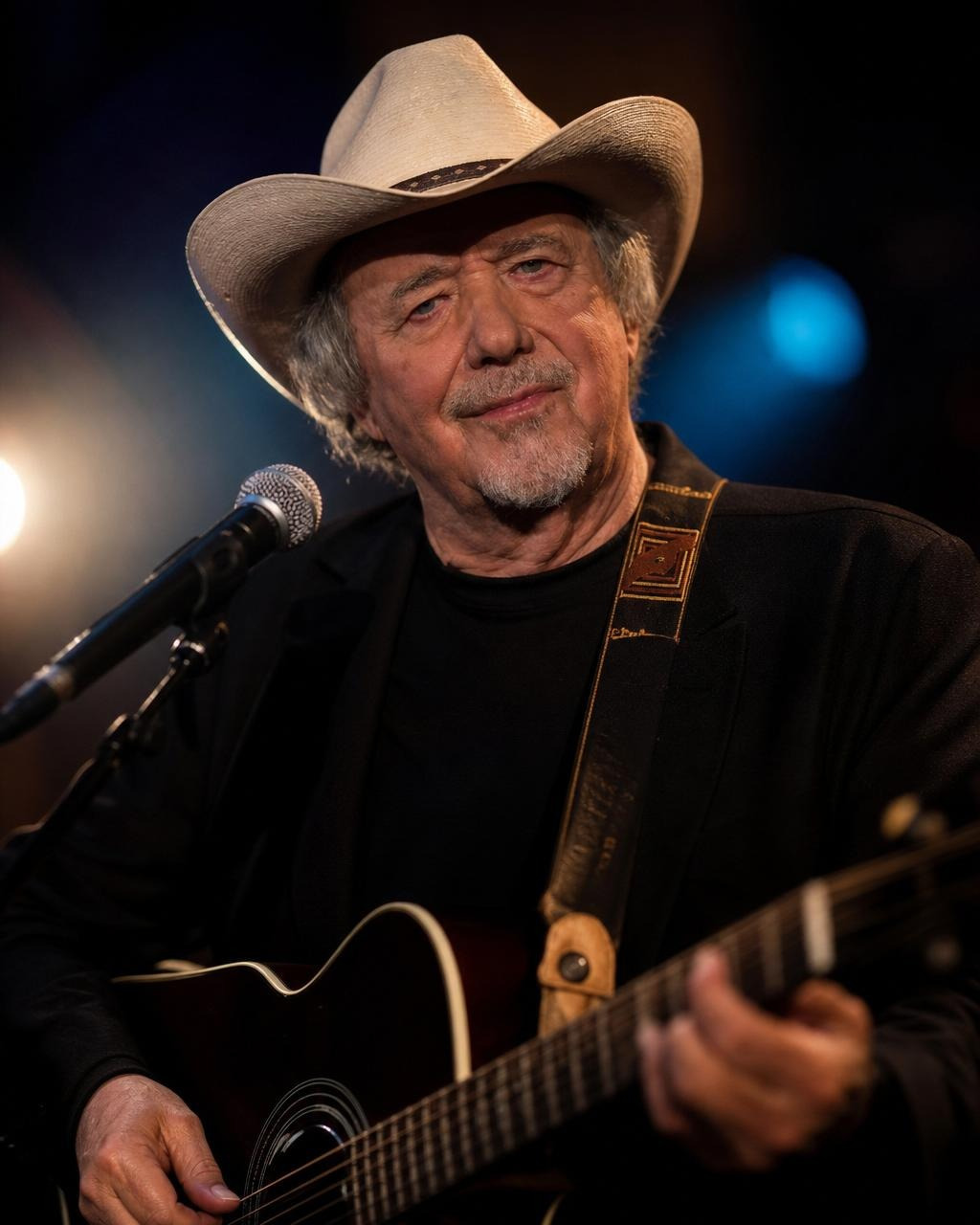
Bobby Bare, “Detroit City,” and the Song That Carried a Worker’s Homesickness
On April 18, 1963, Bobby Bare walked into RCA Victor Studios in Nashville and recorded a song that would stay in country music history for decades. The room had the quiet confidence of a place where important records were made. Chet Atkins was behind the glass, listening closely, and Bobby Bare stepped to the microphone with a song that was simple on the surface but heavy with feeling.
The song was “Detroit City”, written by Danny Dill and Mel Tillis. It told the story of a Southern worker who had left home to chase steady pay in Detroit. On paper, that sounded like progress. In the heart of the song, it sounded like loneliness.
A song about work, distance, and the cost of leaving home
Country music had always known how to tell stories about hard lives, but “Detroit City” stood out because it spoke for people who were often too tired to explain themselves. The narrator writes letters home and tells everyone that life is going well. The truth is harder. He spends his nights in bars, thinking about the South, and feeling the ache of being far from the people and places that made him feel like himself.
That emotional split gave the song its power. It was not just about missing home. It was about trying to sound strong when you feel small. It was about the quiet performance so many workers knew well: keep going, keep earning, keep telling the family everything is fine.
Mel Tillis had already earned a reputation as a gifted writer, but his path to success was not easy. He stuttered so badly at times that some people assumed singing would never be his strength. That kind of doubt can silence a lot of talent. Instead, it helped shape one of the most honest songs in country music.
With Danny Dill, Mel Tillis helped create a story that felt lived-in, even to listeners who had never set foot in Detroit. The details were plain, but the feeling was deep. That is often what makes a great country song last: it does not try to impress first. It tries to tell the truth.
Bobby Bare gave the song its heartbeat
Bobby Bare did more than sing “Detroit City.” He made it feel personal. His voice carried a tired kind of dignity, the kind that does not ask for sympathy but earns it anyway. He sang like a man who had seen long roads, cheap rooms, and long nights that did not feel like victory.
Two minutes and 47 seconds about missing home, and it hit harder than anyone expected.
The record reached #6 on the country chart, crossed over to #16 on the Billboard Hot 100, and won a Grammy Award for Best Country & Western Recording. Those numbers tell part of the story. The rest is simpler: millions of listeners heard themselves in it.
Why “Detroit City” still matters
Some songs become hits. A few become memories. “Detroit City” became a mirror for people who had left home to build a life somewhere else. It spoke to workers, dreamers, and anyone who ever smiled in a letter while feeling homesick in real life.
That is why Bobby Bare’s recording still feels alive. It came from Nashville, but it belonged to every place where someone has ever worked far from home and wondered whether the sacrifice was worth it. In 1963, Bobby Bare turned that question into a song. The answer was not easy, but it was unforgettable.
Post navigation
Three days ago, Brad Paisley gave fans almost nothing to work with and somehow created a country music guessing game. He posted a photo on Instagram showing someone at a microphone with a drink in hand, along with a single hint: “glass of bourbon while singing narrows it down.” No face. No name. No extra details. Just enough to send the comments section into overdrive.
Fans immediately started guessing the identity of the mystery voice. The list grew fast and sounded like a dream lineup of country favorites: Alison Krauss, Carrie Underwood, Lainey Wilson, Megan Moroney, and more. Every new comment seemed more confident than the last, but nobody had the full answer. That was part of the fun. Brad Paisley had turned one small tease into a moment that had country fans watching closely.
The Reveal: Miranda Lambert Joins Brad Paisley
Tonight, the mystery came to an end. The surprise feature on Brad Paisley’s new song “Someone Else’s Arms” is Miranda Lambert. The track is part of Tacklebox, Brad Paisley’s first new music project in 9 years, and it carries a special weight because some of the songs were built from material Brad Paisley has been holding onto since the 1990s.
That long timeline makes the release feel bigger than a simple comeback. It feels like a chapter opening after years of waiting. Brad Paisley has always had a knack for mixing humor, heart, and sharp storytelling, and this project seems designed to remind listeners why his songwriting has lasted so long.
Two Voices, One Honest Song
Brad Paisley and Miranda Lambert are both artists who have spent more than two decades shaping country music in their own ways. Pairing them together on a song about being in the wrong place with the wrong person gives the track an immediate emotional pull. It is not just a duet for the sake of surprise. It sounds like a meeting of two voices that understand regret, longing, and the quiet ache that can live inside a country song.
Sometimes the best duets are the ones nobody sees coming.
That idea fits this release perfectly. The bourbon clue was playful, the fan theories were lively, and the reveal delivered exactly what a good country music moment should deliver: a little suspense, a little drama, and a song that feels personal when it finally arrives.
With Tacklebox, Brad Paisley is not just returning with new music. He is reaching back through his own history and bringing one of the genre’s most recognizable voices along for the ride. For fans, that makes “Someone Else’s Arms” more than a new track. It becomes a reminder that great country music still knows how to surprise people.