A TEXAS RANGER HEARD HIM SINGING IN JAIL. THREE YEARS LATER, JOHNNY RODRIGUEZ WAS NO. 1 IN COUNTRY MUSIC. Before Nashville knew his name, Johnny Rodriguez was just a troubled teenager in a Texas jail, singing to pass the time. His father had died. His older brother had died. Trouble found him before the music industry ever did. But inside that cell, something happened that sounds almost too strange to be true. Texas Ranger Joaquin Jackson heard him sing. Not a producer. Not a record man. A Ranger. Jackson told Happy Shahan, the man behind Alamo Village near Brackettville, and Johnny was brought there to perform. From there, Tom T. Hall and Bobby Bare helped open the road to Nashville. By 21, Johnny was signed to Mercury Records. In 1973, “You Always Come Back to Hurting Me” went to No. 1, and country music had one of its first major Mexican American stars. He sang in English, but Spanish slipped through like home refusing to stay outside. Before Nashville found Johnny Rodriguez, a Texas jail heard him first. – Country Music
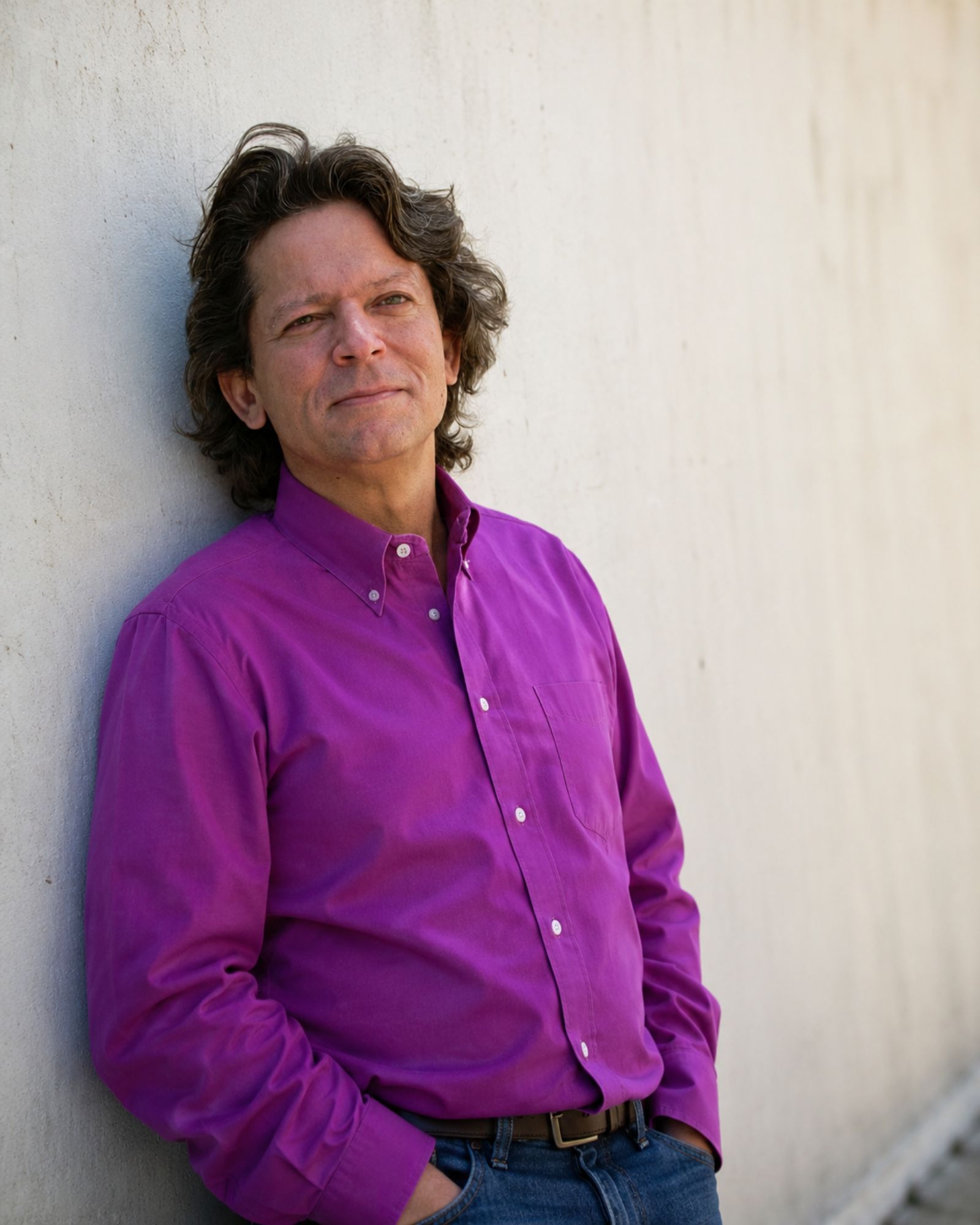
Before Johnny Rodriguez became a name on country radio, before the records and the applause and the long road to Nashville, he was a troubled teenager sitting in a Texas jail. Life had already taken more than its share from him. His father had died. His older brother had died. He was young, grieving, and drifting toward trouble long before the music business ever entered the picture.
But sometimes a life changes in a place where no one expects it. In Johnny Rodriguez’s case, that place was a jail cell in Texas, and the person who heard the future was not a talent scout or a producer. It was Texas Ranger Joaquin Jackson.
A Voice Heard Through the Bars
The story has the kind of detail that feels bigger than fiction. Johnny Rodriguez was singing in jail, not for fame, not for a crowd, but to pass the time and hold himself together. Joaquin Jackson heard him and noticed something special immediately. The voice was real. The feeling behind it was real. It was the kind of sound that could not be ignored.
Sometimes a person does not get discovered in a studio. Sometimes the first person to hear the gift is standing on the other side of a hard day.
Jackson did something that changed everything. He told Happy Shahan, the man behind Alamo Village near Brackettville, about the young singer. That connection led to a performance opportunity, and from there, the doors to a larger world began to open. Johnny Rodriguez was no longer just a kid with a rough past. He was becoming an artist people wanted to hear again.
The Road to Nashville
Johnny Rodriguez did not arrive in country music through a polished backstory. He arrived carrying loss, struggle, and a voice that could cut straight through all of it. After the Alamo Village performance, more important names began to take notice. Tom T. Hall and Bobby Bare helped open the road to Nashville, and that road would lead Johnny Rodriguez out of obscurity and into country music history.
By the age of 21, Johnny Rodriguez signed with Mercury Records. That alone would have been a major milestone for any young singer, but Johnny Rodriguez was on a path that moved quickly once the right ears finally listened. He was not just another hopeful. He was different. He had a sound that blended Texas roots, heartbreak, and a natural ease that made listeners lean in.
Making History in Country Music
In 1973, Johnny Rodriguez reached the top with “You Always Come Back to Hurting Me,” which went to No. 1. That success made him one of country music’s first major Mexican American stars, a breakthrough that mattered far beyond one song or one chart position. Johnny Rodriguez showed that country music could hold more than one kind of story, more than one kind of background, more than one kind of voice.
His singing carried English lyrics with a touch that made his heritage part of the performance, not as a costume, but as something natural and lived-in. Spanish would slip through now and then, like home refusing to stay outside. That gave Johnny Rodriguez’s music a warmth and honesty that fans felt even if they could not explain it. It sounded like someone telling the truth.
Why His Story Still Matters
The rise of Johnny Rodriguez is more than a success story. It is a reminder that talent can appear in unlikely places, and that someone’s worst chapter does not have to be the final one. A jail cell heard Johnny Rodriguez first, but it did not define him. What it did was expose the kind of voice that could not stay hidden.
From grief and trouble to a Texas Ranger’s attention, from Alamo Village to Nashville, Johnny Rodriguez’s journey moved in a way that still feels surprising. It was not clean or easy. It was human. And that may be exactly why it still resonates.
Before Nashville knew his name, Johnny Rodriguez was just a young man singing in jail. Three years later, he was at the top of country music. That is not just a career breakthrough. It is one of those rare American music stories where fate, timing, and raw talent all collide at the same moment.
And it all began with a voice heard through the bars.
Post navigation
Some songs are written to celebrate a moment. Others are written because the writer has nowhere else to put the pain. Walker Hayes’ song “Craig” belongs to the second group. It is not just another country track about home, family, or hard times. It is a deeply personal tribute to a neighbor who quietly stepped into one of the darkest seasons of Hayes’ life and refused to step away.
To understand why “Craig” hits so hard, you have to understand what Walker Hayes was living through. In 2018, he and his wife, Laney, suffered the devastating loss of their newborn daughter, Oakleigh Klover, shortly after birth. The grief was overwhelming. At the same time, Hayes was also fighting through addiction struggles and financial pressure. It was the kind of season that can leave a person numb, exhausted, and unsure how to keep going.
That is where the story of the song becomes so human. The man who inspired “Craig” was not a famous friend, a music business connection, or someone looking for attention. He was simply the neighbor next door. But sometimes the most important people in life are the ones who do the smallest things with the biggest consistency.
The Neighbor Who Showed Up
According to Hayes’ story, this neighbor kept appearing in practical, meaningful ways. He brought food. He mowed the lawn. He stayed present in the kind of silence that does not demand answers. He did not try to fix grief with big speeches. He just showed up, over and over, when showing up mattered most.
That kind of kindness is easy to overlook in daily life, but in a season of loss it can feel life-changing. For a family carrying heartbreak, those ordinary actions become extraordinary. They become proof that they are not alone.
Sometimes the people who help us most are not the loudest ones in the room. They are the ones who keep returning with quiet care.
That is what makes “Craig” different from so many songs about friendship. It does not lean on the usual country-music clichés. There is no drinking anthem, no party-night nostalgia, no polished story about a best buddy from the past. Instead, Walker Hayes wrote about vulnerability, dependence, and the dignity of being carried when you cannot carry yourself.
A Love Letter to Unlikely Friendship
What makes the song so moving is that it celebrates a kind of male friendship that is not often written about this honestly. Hayes does not present Craig as a hero in a movie sense. He presents him as a real person who chose compassion in a moment when compassion mattered.
There is something powerful about that. In a world where people often wait for the “right thing” to say, Craig simply acted. He did not ask for recognition. He just made sure a grieving family had one less burden to carry.
That is why listeners connect with the song so deeply. Most people have known a season when life felt too heavy. Most people can remember someone who helped without making a big deal out of it. “Craig” taps into that memory and turns it into music.
Why “Craig” Resonates So Strongly
Walker Hayes has always been known for writing songs that feel lived-in, but “Craig” stands apart because it reaches straight into a real wound. The track is emotional not because it is polished, but because it is honest. It gives listeners a glimpse of what support can look like when words fail.
It also reminds us that grief is rarely survived alone. Even when the pain is private, healing is often shaped by the people who keep bringing meals, checking in, or simply sitting beside us. That is the quiet truth at the center of this song.
“Craig” is more than a tribute. It is a reminder that kindness can arrive in the simplest form and still change everything. In the darkest chapter of Walker Hayes’ life, a neighbor became a steady light. And by turning that experience into a song, Hayes gave the world a story about human decency that feels especially rare and necessary.
The Question It Leaves Behind
If you were facing that kind of pain, who would you want nearby? And just as important, would you be willing to be that person for someone else?
That is the quiet force of Walker Hayes’ “Craig”. It asks us to notice the ordinary people who carry extraordinary weight. It asks us to remember that sometimes the most meaningful love story in a country song is not romantic at all. Sometimes it is a neighbor next door, a grieving family, and the simple decision to care.