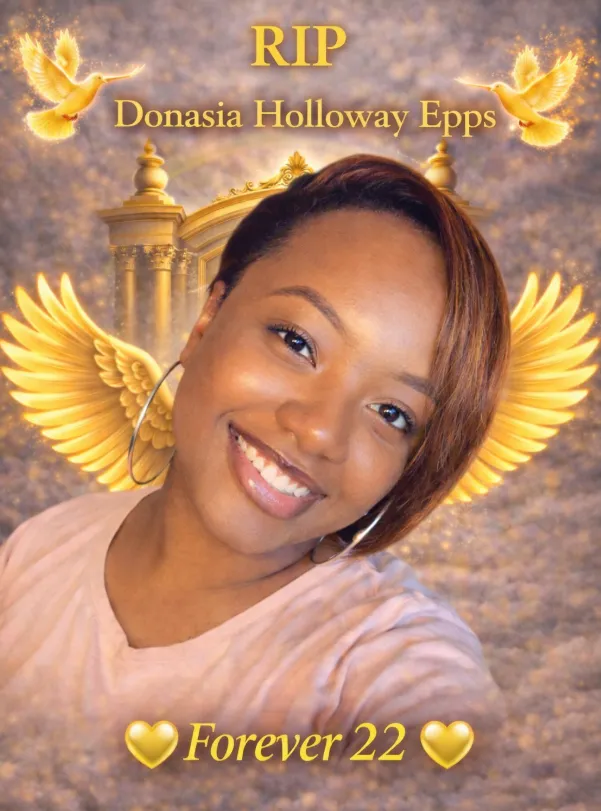
A Silent Cry for Help: How Donasia Holloway’s Last Video Exposed the Danger 4190
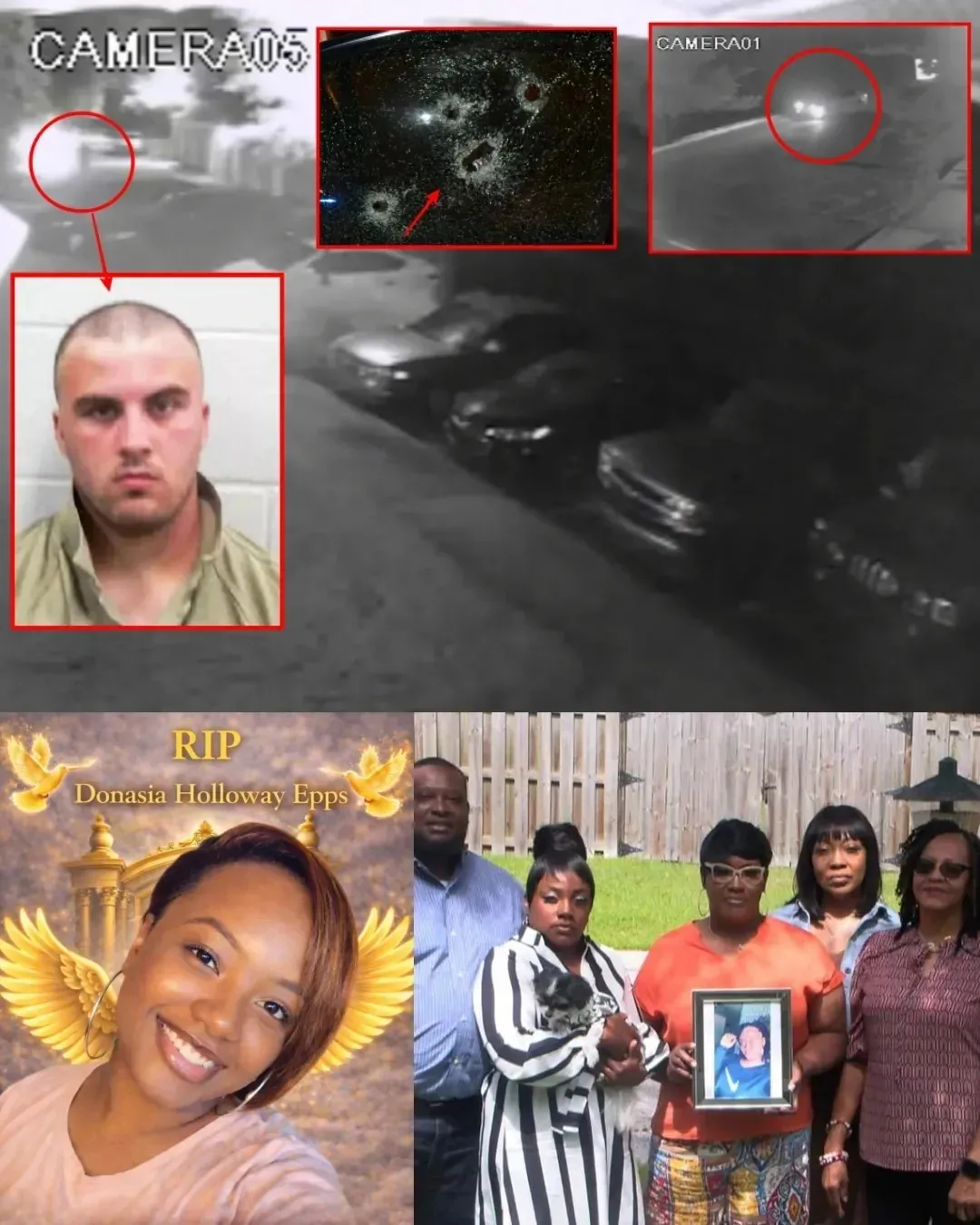
Months before she was killed, Donasia Alexus Holloway had already tried to escape the danger stalking her life.
She had done what victims are told to do.
She had ended the relationship.
She had reported the violence.
She had relied on the system to keep her safe.
It did not.
Donasia was young, determined, and trying to move forward.
She had broken up with her ex-boyfriend,
Justin Cole Carroll, after he was charged with assaulting her.
A judge issued a no-contact order.
The law acknowledged the risk.
But acknowledgment did not equal protection.
Carroll was later released on bail.
And Donasia was left to navigate fear on her own.
On the night of May 22, 2021, she returned to her apartment complex in Walterboro, South Carolina, after a beach vacation that should have been restorative.
Instead, it became her final night alive.
At around 10 p.m., Donasia noticed Carroll’s pickup truck following her into the Forest Point Apartments parking lot, prosecutors would later say.
The danger she had tried to leave behind was suddenly right there again.
She reacted instinctively.
She locked herself inside her car.
She parked beside a police cruiser, hoping proximity to law enforcement would deter him.
And then she did something that would later speak for her when she no longer could.
She opened Snapchat.
She hit record.
Seven minutes before gunfire shattered the night, Donasia filmed Carroll approaching her vehicle.
Her fear was visible.
Her urgency unmistakable.
“Followed me to my apt and I saw him behind me & locked myself in the car,” she typed quickly, according to evidence later shared by prosecutors.

“I have asked him multiple times to leave me alone, trying not to be fed but this has to stop!!”
That video became her last testimony.
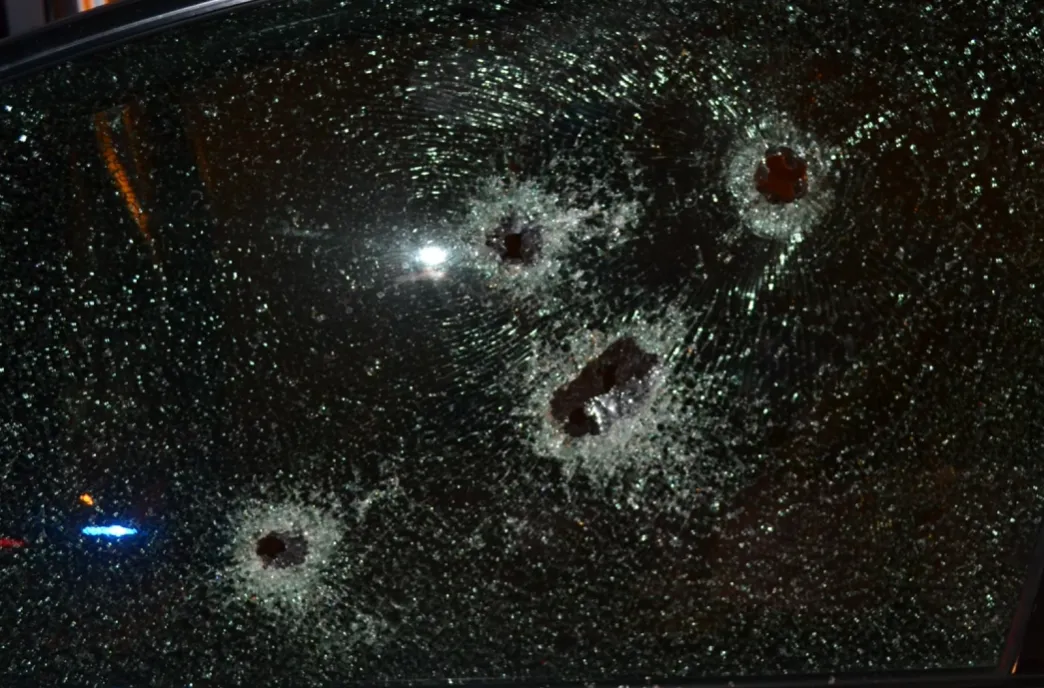
Minutes later, Carroll fired multiple shots through the locked car windows.
Four bullets struck Donasia in the head and neck.
There was no chance to escape.
The police officer whose cruiser she had parked beside ran outside after hearing the shots.
He found Donasia dead in the driver’s seat.
She had done everything she could to protect herself.
It was not enough.
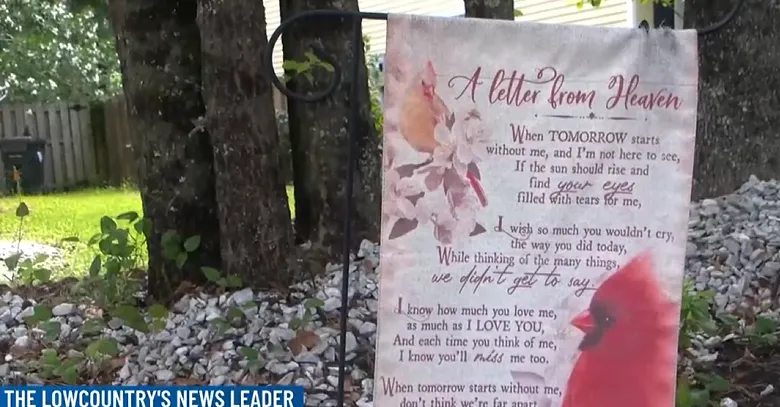
Donasia Holloway was killed inside her own car, in a parking lot, after asking repeatedly to be left alone.
Her death was not sudden or unpredictable.
It followed a pattern of escalation that had been visible for months.
Prosecutors later laid out that history in court.
They told jurors that Donasia and Carroll had dated briefly in late 2020.
The relationship ended after Carroll was charged with domestic assault against her.
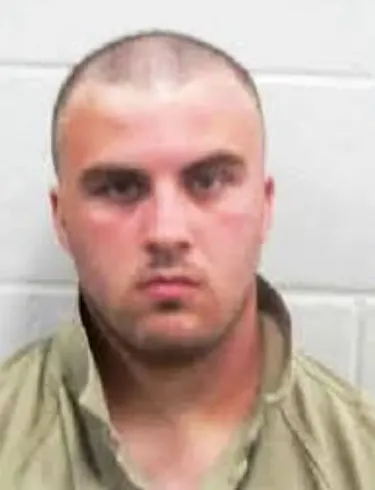
It was not his first violent offense.
In 2016, Carroll had been sentenced to eight years of probation for first-degree assault and battery.
That probation was later revoked after he was found with a gun and a controlled substance.
He served three years behind bars.
Prosecutors said he had only recently been released when he began dating Donasia.
After the January 2021 domestic assault charge, the court issued a no-contact order.
The danger was documented.
The warning signs were clear.
But by May, Carroll was free on bail.
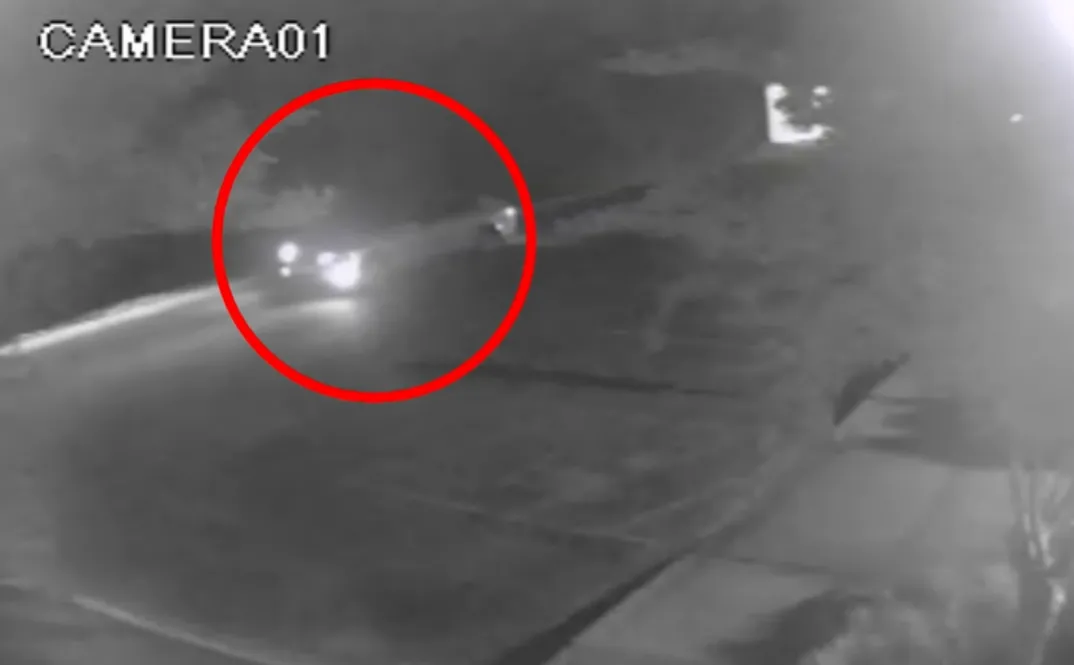
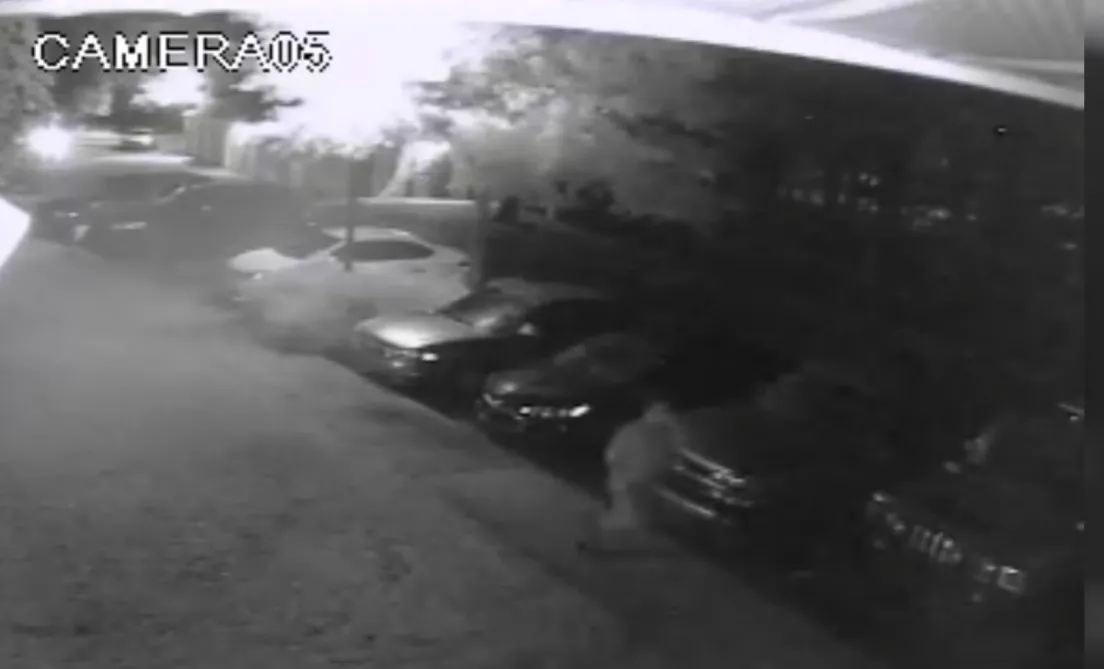
On the night Donasia was killed, security cameras captured Carroll walking toward her car.
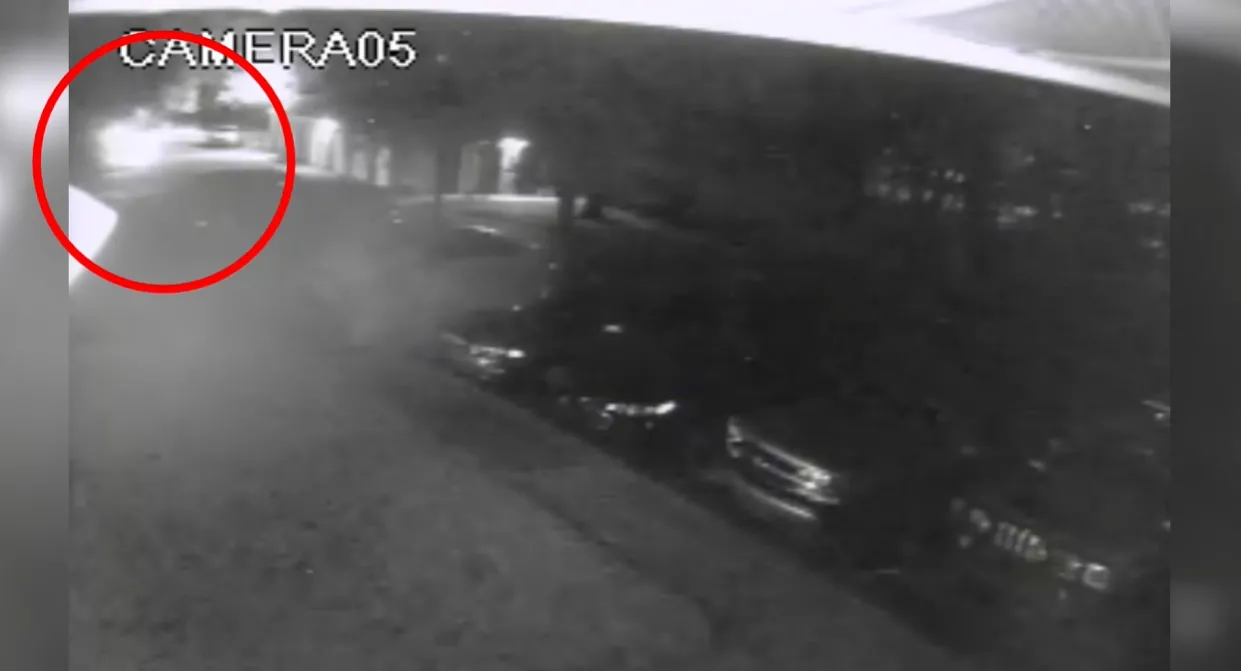
Multiple witnesses later told police they saw a man run back to a pickup truck and speed away after the shots were fired.
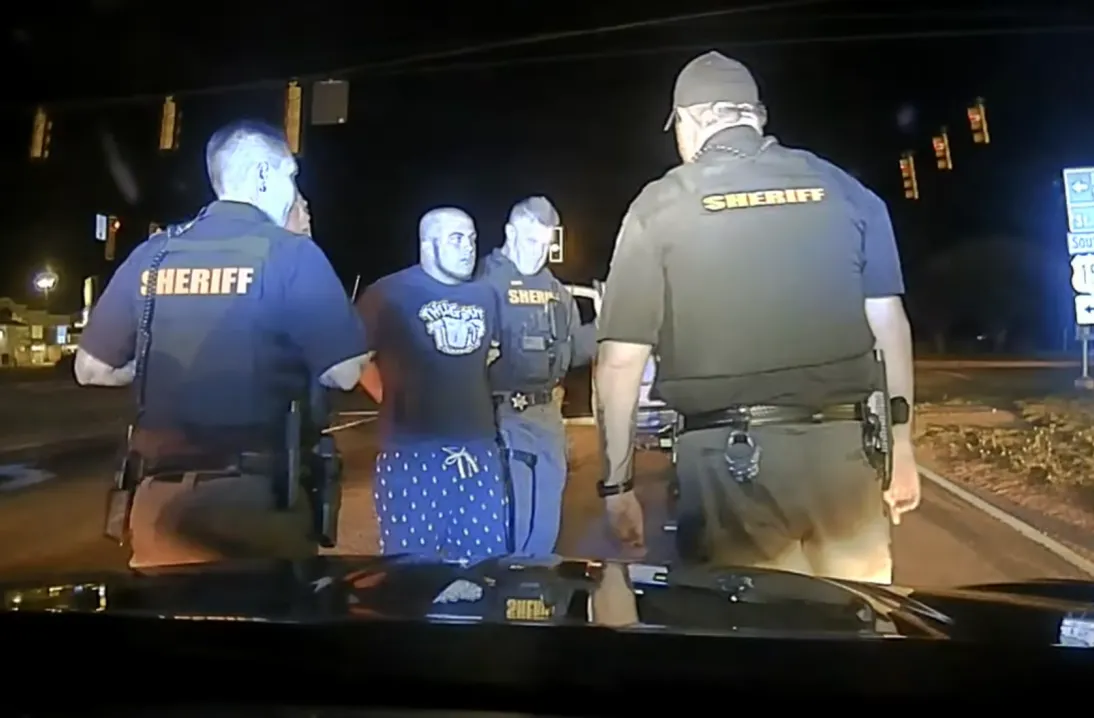
Within hours, law enforcement stopped Carroll at a traffic light.
They tested his hands for gunshot residue.
He told officers he had traveled to Charleston earlier that day.
When pressed for details, he asked for a lawyer.
No weapon was found in his vehicle.
With insufficient evidence at that moment, police released him.
Two days later, investigators saw Donasia’s Snapchat video.
And something stood out immediately.
In the video, Carroll had a full head of hair.
When police had stopped him hours after the shooting, he was clean-shaven.
Authorities realized he had been in the process of changing his appearance.
Lab tests later confirmed gunshot residue on his right hand.
Investigators also discovered that his phone had been wiped clean.
Piece by piece, the truth surfaced.
Sixteen witnesses testified over three days at the Colleton County Courthouse.
The video Donasia recorded played a central role.
Her fear.
Her words.
Her final attempt to be believed.
On April 24, Carroll was found guilty of her murder and sentenced to sixty years in prison, according to the
14th Circuit Solicitor’s Office in Waterboro.
“Donasia tried to end this toxic relationship, and she tried to protect herself from her ex-boyfriend’s jealous rage,” prosecutor Hunter Swanson said.
“But Justin Carroll refused to take no for an answer. He ignored a no-contact order, stalked her and killed her.”
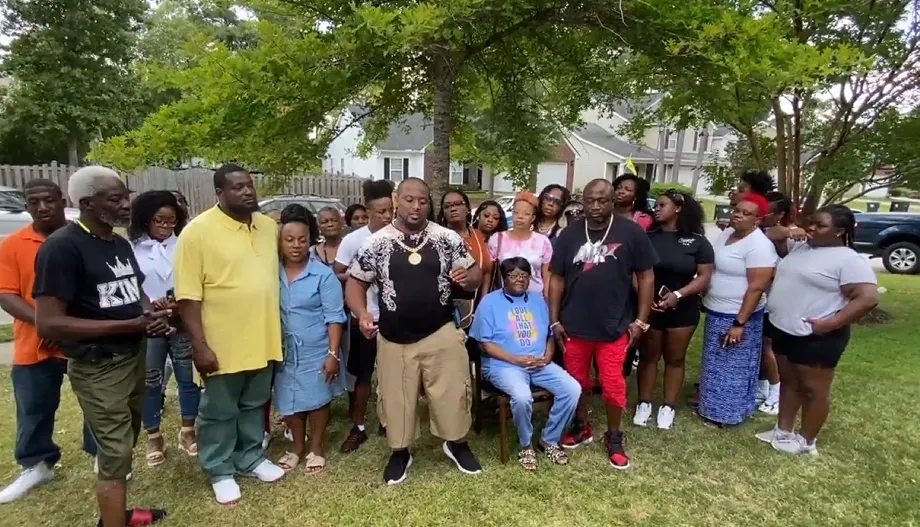
For Donasia’s family, the verdict came far too late.
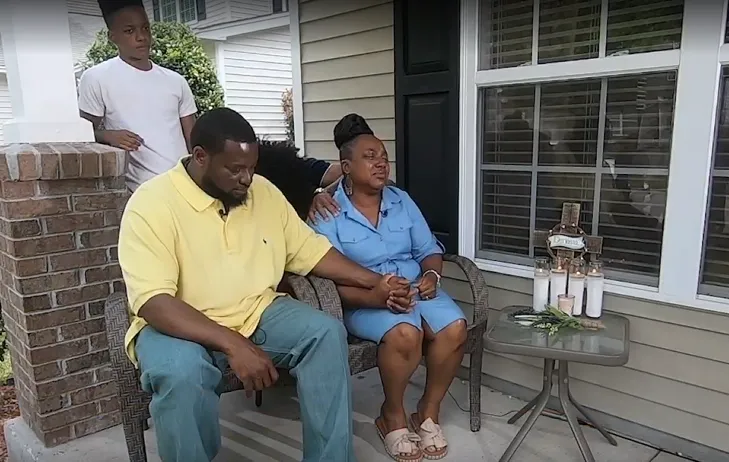
Her mother, Shameka Holloway, did not celebrate the sentence.
She mourned what never should have been lost.
“If he would have stayed in jail, our daughter would have been here today,” she told WCSC.
“It’s just so sad, [to] know how the system works. It’s awful. They need to do better.”
She described the family’s future in words no parent should ever have to use.
“We have a life sentence of heartache and pain that we will carry for the rest of our life.”
Donasia Alexus Holloway did not die because she stayed silent.
She did not die because she failed to act.
She died after reporting abuse.
After complying with the law.
After trusting a no-contact order would mean something.
Her story exposes a brutal truth about domestic violence.
The most dangerous moment often comes after a victim leaves.
And bail decisions can become life-or-death turning points.
Donasia’s final act was to document the danger she faced.
To leave proof.
To say, clearly and unmistakably, that she was afraid.
That video now lives on as evidence.
And as an indictment of a system that saw the risk — and still let it walk free.
Justin Cole Carroll will spend decades behind bars.
Donasia will never get another day.
She will never come home from a trip again.
Never unlock her car.
Never record another video asking to be left alone.
Her voice, captured in fear and urgency, now speaks for countless victims who are not believed until it is too late.
Donasia Alexus Holloway should be alive.
She should have been protected.
Instead, she became a warning written in gunfire, video footage, and grief that no sentence can erase.
Madeleine McCann: NEW EVIDENCE Uncovers Her Last Moments 3288c
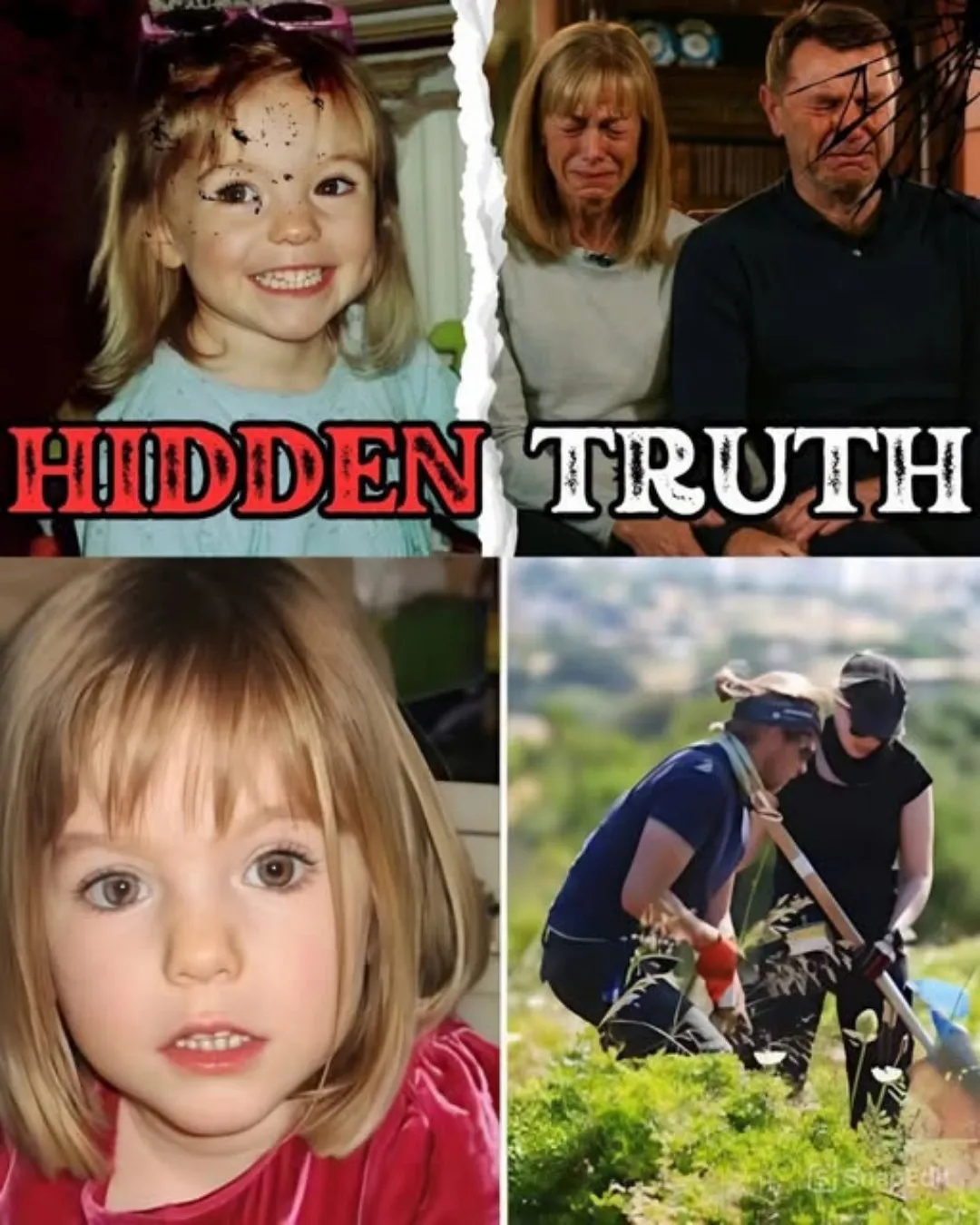
The disappearance of Madeleine McCann is a shadow that has stretched across continents and years, refusing to fade with the passage of time. Nearly two decades have slipped by since that night in Praia da Luz, Portugal—since the world first heard the echo of Kate McCann’s desperate cry, “They’ve taken her!” For so long, this moment has been the anchor of a tale told and retold: a child stolen in the darkness, a family plunged into unimaginable grief, and a global search that became a symbol of hope and heartbreak.

But the story, as it turns out, may be far more tangled than the familiar narrative suggests. Recent revelations have surfaced, like jagged rocks beneath calm waters, threatening to overturn everything we thought we knew. The evidence—silent for years—now speaks with a chilling clarity, forcing investigators and the public alike to reconsider every detail, every assumption.
May 3, 2007. The McCanns were on holiday, their apartment a temporary haven just steps from the ocean. The evening began with laughter and wine at the tapas bar, the children tucked into bed, the adults stealing a few precious hours for themselves. But by night’s end, joy had curdled into horror. Madeleine was gone, vanished from her bed while her parents dined nearby. The apartment, Apartment 5A, became the epicenter of a storm that would rage for years.
From the beginning, the story was one of abduction. The image of a faceless predator slipping through an unlocked door, snatching a sleeping child, was both terrifying and strangely comforting—it offered an explanation, however dreadful, that pointed away from those closest to Madeleine. The world rallied around the McCanns, their pain broadcast in real time, their search supported by millions.
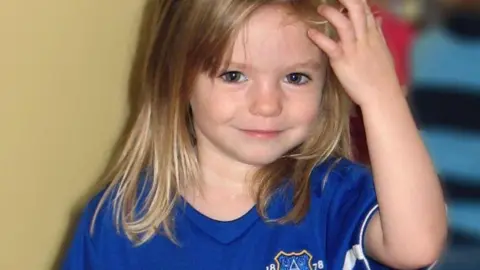
Yet, beneath the surface, questions simmered. The timeline presented by the McCanns and their friends—the so-called Tapas 7—was a patchwork of recollections, some frayed at the edges. Witnesses disagreed, memories shifted, and the narrative began to wobble under scrutiny. Investigators found no sign of forced entry. No fingerprints, no evidence of a struggle. The apartment itself seemed untouched, as if Madeleine had simply evaporated into thin air.
Then came the dogs. Trained cadaver dogs, their noses attuned to the scent of death, were brought into Apartment 5A months after Madeleine’s disappearance. What they found could not be easily dismissed. The dogs reacted—passively, but unmistakably—inside the apartment, signaling that the scent of human remains lingered in the air. Not the scent of a living child, not the trail of an abductor, but the ghostly signature left behind by death.
The implications were staggering. If Madeleine had not left the apartment alive, then the story of her abduction was not just incomplete—it was fundamentally flawed. The dogs’ reactions were not limited to the apartment. Weeks after Madeleine’s disappearance, the McCanns rented a car. When the cadaver dogs inspected the vehicle, they alerted again, their behavior indicating the presence of human remains. This detail, buried for years beneath layers of speculation and denial, has now resurfaced, casting a long shadow over the family’s actions in the aftermath of their daughter’s disappearance.
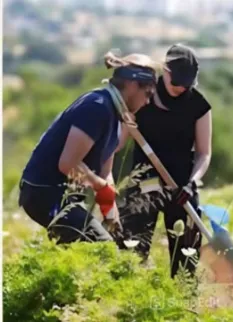
The investigation, which once stretched outward in search of a stranger, has begun to circle inward. The faces in the photographs—the grieving parents, the anxious friends—are no longer just victims but potential witnesses, perhaps even suspects. The evidence, once dismissed or explained away, now demands attention. The lack of forced entry, the absence of a struggle, the dogs’ alerts—all point toward a scenario that challenges the very foundation of the abduction narrative.
For years, the McCanns were shielded by public sympathy and political pressure. Their story was one of loss, not suspicion. But as time passed, the contradictions became harder to ignore. Why did the rental car hired weeks after Madeleine’s disappearance carry the scent of death? Why did the timeline offered by the Tapas 7 shift under scrutiny? Why did investigators find no physical evidence of an intruder? Each question is a thread, and together they unravel the tapestry of the official story.
The silence surrounding the case is heavy, almost palpable. It is the silence of unanswered questions, of evidence left unexplained, of grief that has curdled into doubt. The image of Madeleine—smiling by the pool, her eyes bright with the promise of childhood—now exists in stark contrast to the reality suggested by the forensic findings. The world’s sympathy, once unconditional, is now laced with suspicion.
The McCann case has always been more than a crime story. It is a mirror reflecting our deepest fears: the vulnerability of children, the fallibility of memory, the power of narrative. For years, the abduction story offered a kind of solace—a clear villain, a clear victim, a clear path to justice. But the new evidence complicates the picture. The scent of death in Apartment 5A, the alert in the rental car, the absence of forced entry—these are not the hallmarks of a stranger’s crime. They are the signs of something else, something closer, something harder to face.
As the investigation continues, the focus shifts. The faceless predator, once the center of the story, recedes into the background. In his place stand the people who were there that night—the parents, the friends, the witnesses. The possibility of deliberate concealment, rather than abduction, is now on the table. The stakes could not be higher. Madeleine’s fate remains unresolved, her story buried beneath years of speculation, denial, and hope.
Political pressure has always loomed over the case. The McCanns, both doctors, were well-connected, their plight drawing support from the highest levels. The British government intervened, the Portuguese police were criticized, and the media became both ally and adversary. The investigation was pulled in a dozen directions, each new theory adding another layer of complexity. But the evidence—the silent testimony of the dogs, the physical facts of the apartment—remained unchanged.
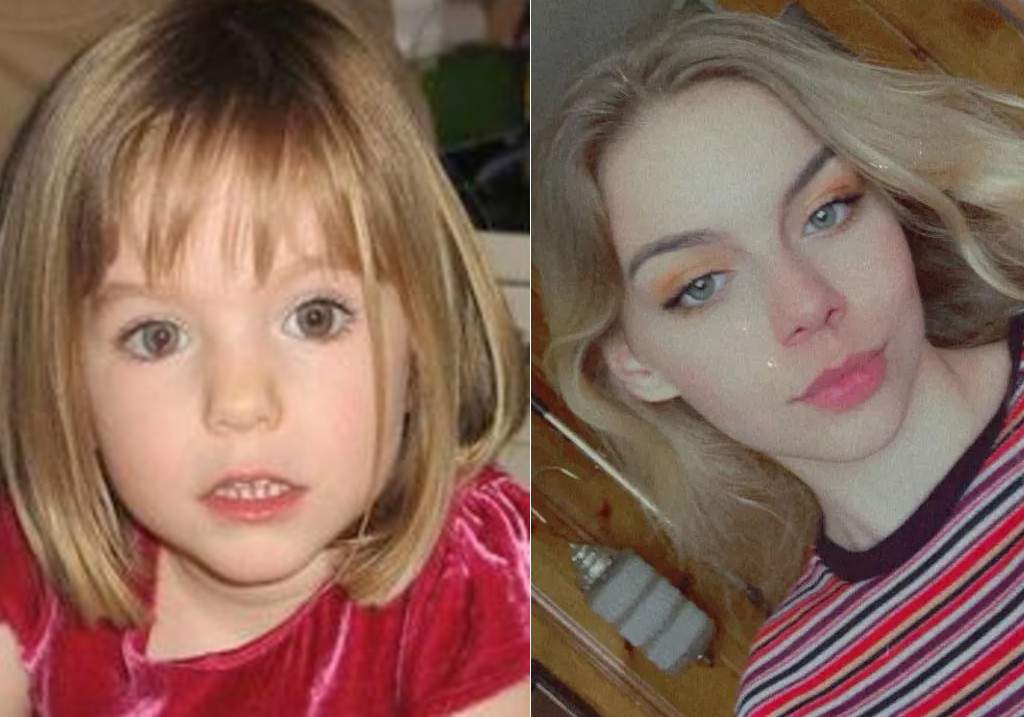
The world watched as the McCanns navigated their grief, their search, their defense against suspicion. Their pain was visible, their resolve unshaken. But as new findings emerge, the narrative they constructed faces a reckoning. The silence that once protected them now threatens to expose truths long hidden. The case, once a symbol of hope, is now a battleground of doubt.
The story of Madeleine McCann is not just about a missing child. It is about the stories we tell ourselves to make sense of tragedy, the ways in which evidence can be ignored or explained away, the power of public sympathy to shield or to blind. For years, the abduction narrative was a fortress, protecting the family from suspicion and the public from uncomfortable questions. But the fortress is crumbling.
The forensic evidence—the dogs’ alerts, the absence of forced entry, the lack of struggle—cuts through the fog of speculation like a knife. It demands a new narrative, one that accounts for the facts rather than the hopes. It forces investigators to look inward, to consider the possibility that the truth is not in the shadows but in the light of day, among those who loved Madeleine most.
The McCann case is a story of contradictions. The timeline offered by the Tapas 7 is riddled with inconsistencies. Witnesses recall seeing Madeleine after the time she was supposedly abducted; others contradict these claims. The McCanns’ behavior—calm and composed in the face of unimaginable loss—has been both praised and questioned. Their decision to leave the children alone, their response to Madeleine’s disappearance, their actions in the days and weeks that followed—all have been scrutinized, dissected, debated.

The rental car, hired weeks after Madeleine vanished, is a detail that refuses to be ignored. The cadaver dogs’ alert in the vehicle suggests that something happened after the night of May 3, something that required concealment. The possibility of an accident, a cover-up, a desperate attempt to protect loved ones—these are theories that now compete with the familiar story of abduction.
The media, once a source of support, has turned. The narrative of a faceless predator is no longer sufficient. The public, too, has grown restless, their sympathy tempered by doubt. The haunting image of Madeleine, once a rallying point for hope, is now a reminder of a case that refuses to be solved.
The investigation is ongoing, its outcome uncertain. The truth, buried beneath years of political pressure and media manipulation, remains elusive. But the urgency to uncover it has never been greater. Each new piece of evidence, each contradiction in the timeline, each alert from the forensic dogs, brings us closer to the moment when the silence will break and the truth will emerge.
Madeleine McCann’s disappearance is a story without an ending. It is a wound that refuses to heal, a mystery that resists resolution. The new evidence does not offer closure, but it does demand honesty. It challenges us to look beyond the comforting narrative of abduction, to confront the possibility that the truth is darker, more complex, and closer to home than we ever imagined.
As the world watches, the McCann case stands at a crossroads. The narrative constructed over years is under siege, and the silence surrounding the truth grows more fragile with each passing day. The story is far from over. In the shadows of Apartment 5A, in the scent detected by the dogs, in the unanswered questions that linger, the fate of Madeleine McCann remains unresolved.
The urgency to find answers—to bring peace to a family, to bring justice to a child, to bring clarity to a world haunted by uncertainty—has never been more critical. The case is a reminder that stories, no matter how carefully constructed, cannot withstand the weight of truth forever. The silence will break. The reckoning will come. And when it does, the world will finally know what happened to Madeleine McCann.