A Night of Tragedy: Two Lives Lost, Three Children Left to Wonder Why 4173
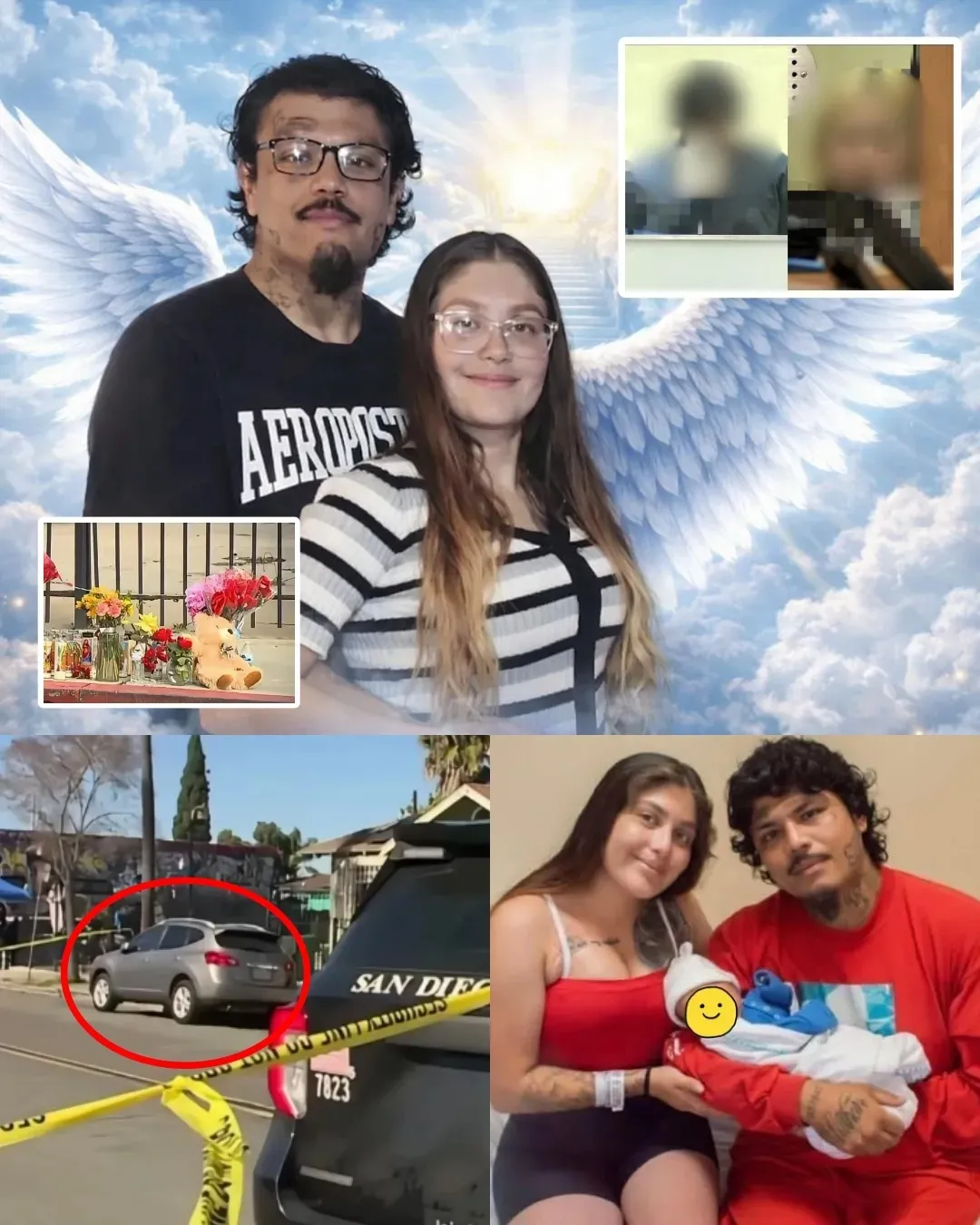
When Night Leaves Children Behind
The early hours of January 19 arrived quietly in San Diego.
The city slept under streetlights and ocean air, unaware that a phone call would soon pull officers into a scene that would not leave them unchanged.
By the time the night began to loosen its grip, two lives would be gone.
At approximately 12:26 a.m., police received an anonymous tip.
The caller reported two bodies lying bloodied on the 100 block of 27th Street.
The information was sparse, but urgent enough to demand immediate response.
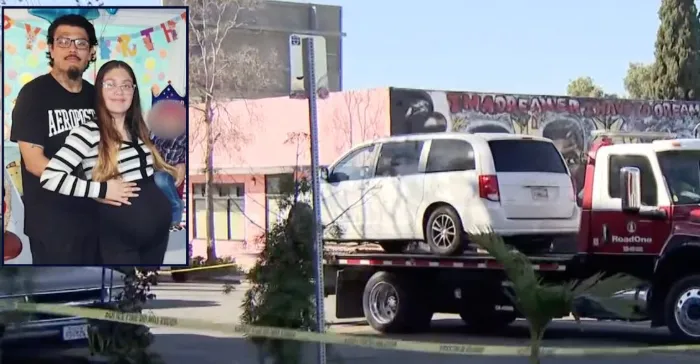
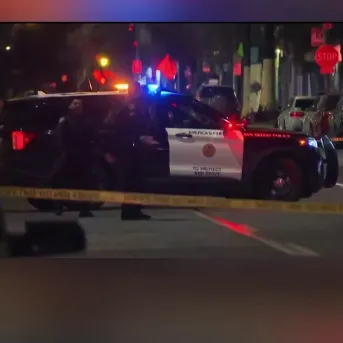
Officers from the San Diego Police Department arrived within minutes.
The street was still, the kind of stillness that feels unnatural when something is wrong.
There, in the darkness, they found a man and a woman who had been shot.
Both victims were unresponsive.
Officers attempted CPR, hands working against time and inevitability.
Their efforts failed.
The man was identified as 31-year-old Ruben Chavez.
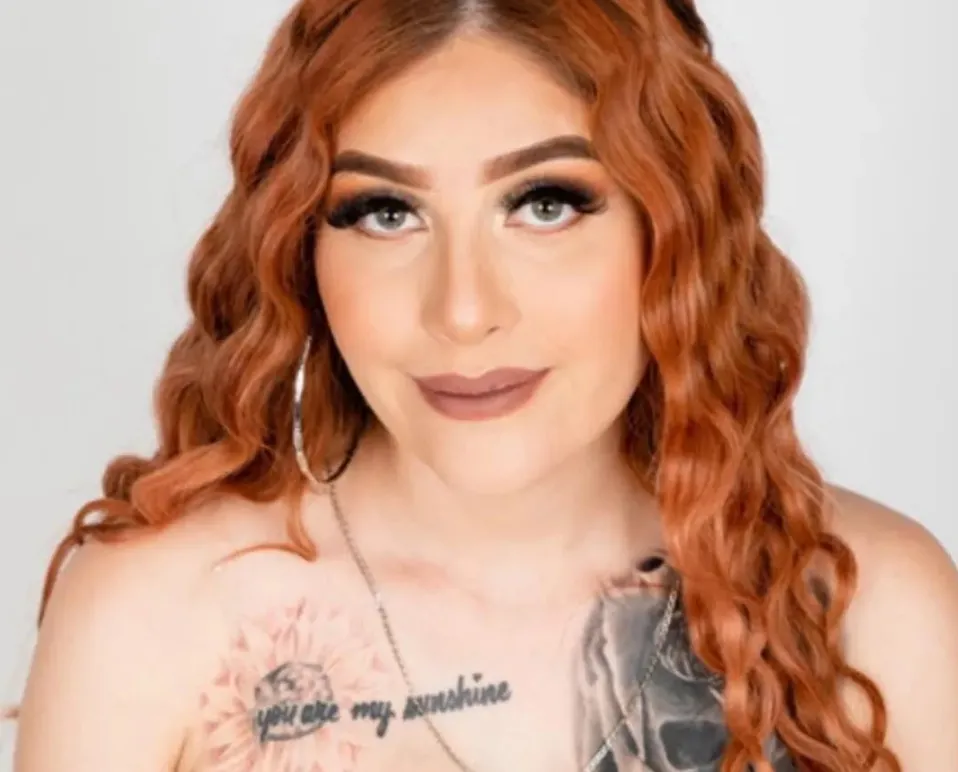
The woman was 28-year-old Evelyn Virgen.
Two names that would soon carry unimaginable weight.
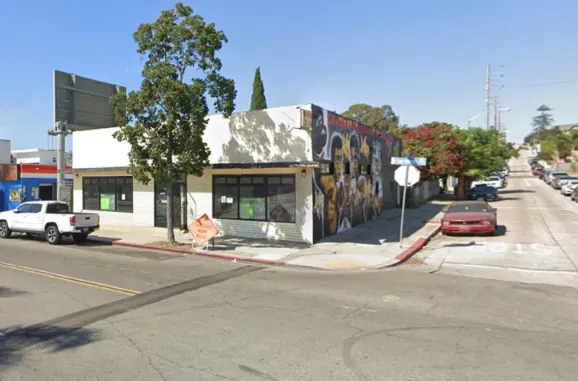
Their bodies lay exposed to the cold night air.
Whatever conversation or moment had brought them there was gone forever.
Only violence remained to explain their final seconds.
As officers secured the scene, another discovery deepened the tragedy.
Nearby, parked along the street, was a vehicle registered to Evelyn Virgen.
Inside were three young children.
All three were under the age of two.
They appeared physically unharmed.
But nothing about the moment suggested they were untouched.
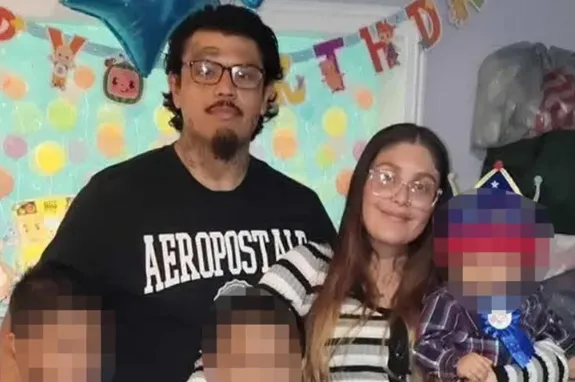
The children were alive while the adults responsible for them were not.
They sat in silence, unaware of the permanence unfolding just feet away.
The contrast between innocence and devastation was overwhelming.
Later reports confirmed the children were Virgen’s.
Their presence transformed the scene from a double homicide into something even heavier.
This was not just about who died, but who survived.
Homicide detectives were called in immediately.
They began the slow process of reconstructing the night.
Every detail mattered.
Shell casings were documented.
Positions were mapped.
Time became the most valuable and elusive witness.
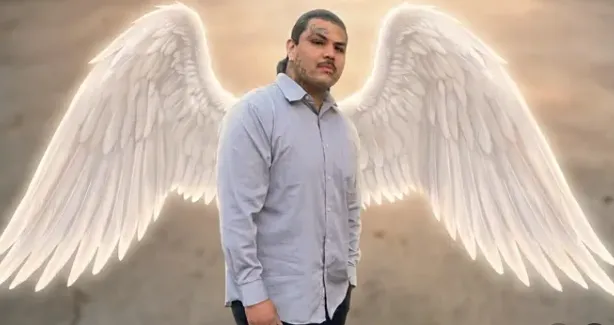
Investigators learned that Ruben Chavez and Evelyn Virgen were in a relationship.
Two adults bound not just by intimacy, but by responsibility.
What brought them to that street together remained unclear.
Police confirmed there were no immediate suspects at the scene.
No weapon was recovered in those early hours.
The answers were not waiting in plain sight.
Neighbors woke to flashing lights and hushed voices.
Some had heard nothing.
Others wondered what sounds they might have dismissed as ordinary city noise.
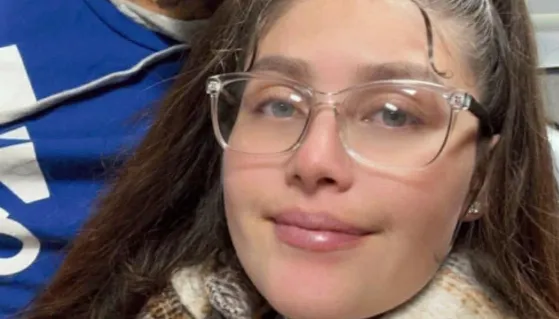
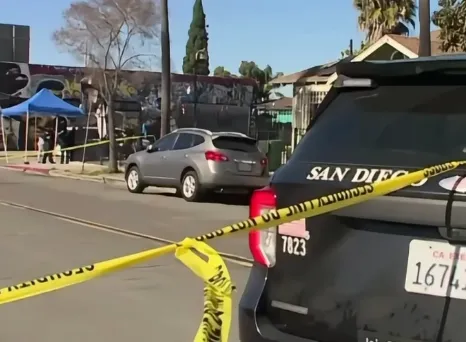
The street was cordoned off as daylight approached.
Yellow tape cut across sidewalks where people walked daily without fear.
Normalcy paused.
For first responders, the presence of the children lingered long after the scene was cleared.
Cases involving adults are heavy enough.
Cases involving babies never truly leave you.
The children were removed from the vehicle and placed into protective care.
They were wrapped in blankets, shielded from cameras and strangers.
Their futures had just changed without warning.
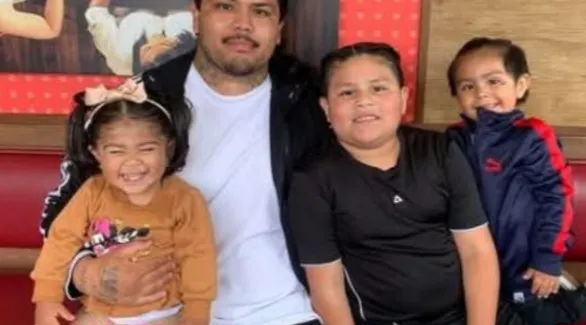
Authorities emphasized that the children were not injured.
But injury is not always visible.
Trauma does not require wounds.
As news spread, the story rippled outward.
Two adults shot dead in the street.
Three toddlers left alive beside them.
Community members struggled to understand how such violence could unfold so suddenly.
There were no public signs of a dispute.
No warnings issued beforehand.
Police worked to establish a timeline.
Who had last seen Chavez and Virgen alive.
Where they had been earlier that evening.
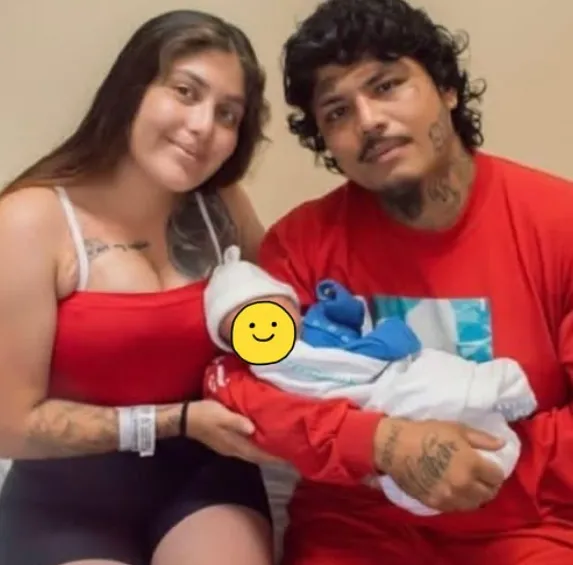
Investigators examined phone records and surveillance footage.
Street cameras, nearby buildings, passing vehicles.
Anything that might have captured movement or sound.
Each frame was reviewed carefully.
Each minute accounted for.
The truth was believed to be close, but not yet visible.
In interviews, detectives confirmed the relationship between the victims.
They did not disclose whether the shooting appeared targeted.
They declined to speculate on motive.
Speculation, however, spread quickly online.
Questions multiplied faster than answers.
Police urged patience and restraint.
Behind the headlines were families receiving devastating news.
Parents who would never see their children again.
Relatives struggling to process the suddenness of it all.
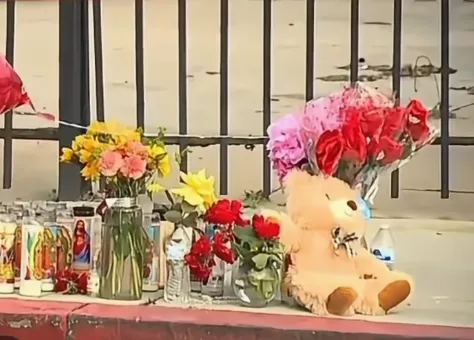
For Evelyn Virgen’s family, grief came layered with fear.
Three children now needed care, stability, and love.
The loss of their mother was only the beginning.
Ruben Chavez’s loved ones faced their own reckoning.
A son, a brother, a partner gone without explanation.
No chance to say goodbye.
Those closest to the victims described them as complicated but devoted.
They were not perfect.
They were human.
Their lives were more than the way they ended.
They were routines, arguments, reconciliations, responsibilities.
They were part of a family system now shattered.
The children, too young to understand death, would one day ask questions.
Where is my mom.
Where is my dad.

Those answers would be painful and incomplete.
Truth without comfort.
Reality without mercy.
Homicide cases often become defined by suspects and charges.
But this one was defined by absence.
And by what was left behind.
Police continued to seek information from the public.
They asked anyone with knowledge of the incident to come forward.
Even the smallest detail could matter.
Anonymous tips were encouraged.
Surveillance footage from private residences requested.
The community was asked to help carry the weight of finding answers.
As days passed, the street returned to routine.
Cars drove by.
Children walked with parents.
But for those who knew what happened, the space felt altered.
Violence leaves a residue that time cannot erase.
Memory anchors itself to place.
The investigation remained active.
Detectives followed leads quietly.
Progress was measured, not rushed.
Officials reiterated that the children were safe.
They were placed with family while long-term arrangements were considered.
Protection became the priority.
Cases like this do not end when the tape comes down.
They linger in courtrooms, social services offices, and bedrooms where children cry at night.
They ripple outward for years.

Ruben Chavez and Evelyn Virgen did not get the chance to protect their children from what came next.
That responsibility now rests with others.
And with a system often stretched thin.
The city will eventually move on.
Headlines will change.
New stories will replace this one.
But for three children, January 19 will always matter.
It will mark the moment their lives split into before and after.
A moment they could not control.

Whatever truth emerges from the investigation, one fact will remain.
Two people died violently.
Three children were left alive beside them.
This story is not just about a crime.
It is about the cost of violence measured in childhoods altered.
In futures rewritten overnight.
As detectives continue their work, a community waits.
Not just for justice.
But for understanding.
Because behind every case number are names.
Behind every name is a story.
And behind this one are three children who will grow up asking why.
A Father’s Grief: The Story of Trinity Ottoson-Smith and the Family Left to Mourn 3219c

She never imagined pain could feel this heavy.
She never imagined betrayal could burn deeper than flame.
And she never imagined that a moment of kindness would one day leave her fighting for her sight, her healing, and her trust in the world.
Jasmine Clausell lay in a hospital bed, her face wrapped in soft white gauze.
She was only twenty-seven, a young mother, a nursing student, someone who had always believed in helping others even when she herself had little to spare.
But on this night, as machines beeped steadily around her, she whispered the words that held more weight than she intended.
“I’m not really mad.
My feelings is hurt.”

The sentence trembled from her lips.
Not from anger, not even from fear.
But from heartbreak — heartbreak that came from someone she once called a friend.
The chemical burns on her face were severe.
The liquid had splashed across her left eye, down her cheek, and onto parts of her body she couldn’t even see beneath the bandages.
Her skin throbbed as if it were still burning.
Her eye pulsed with every heartbeat.
But none of it compared to the ache sitting heavy inside her chest.

Two weeks earlier, Jasmine had opened her door to someone in need.
A friend — or at least she believed that was what they were.
Quicheay Williams had been homeless in Atlanta, wandering the streets with nothing but a few bags and her dog.
Jasmine didn’t hesitate.
She told her to come to Mobile, that she could stay with her, that she shouldn’t be alone in a city where danger lived on every corner.
Jasmine offered safety, warmth, and a roof — the same kindness she hoped someone would offer her if life ever pushed her that far.
But sometimes kindness is met with darkness.
Sometimes generosity is met with resentment.
And sometimes a heart with good intentions unknowingly invites harm inside.

At first it was small things — murmurs of complaint, long sighs, heavy footsteps echoing through the house.
Jasmine felt the energy shift, the air grow tense, but she tried to give her friend grace.
Everyone goes through things, she told herself.
Everyone has bad days.
But the bad days spilled into one another.
The moping became constant.
There was no gratitude, not even a flicker of appreciation for the home she had been welcomed into.

By Monday morning, Jasmine felt something inside her finally snap.
She had a four-year-old son to care for, classes to attend, work to keep up with.
She couldn’t carry someone else’s chaos anymore.
So before waking her little boy and getting ready for school, she turned to Williams and said the words she had been avoiding.
“It’s time for you to go.”
There was no yelling.
No anger.
Just exhaustion.
Just a plea for peace.

Williams stood up and began packing, her calmness almost unsettling after days of tension.
Jasmine shrugged it off.
She went back to her room, back to her bathroom, preparing for another long day.
She didn’t know her life was only minutes away from shattering.
While brushing her hair, she heard something — the microwave door, the beep, the hum of it coming to life.
Her eyebrows pulled together.
It was early.
Too early for anything like that.
Still, she continued getting ready, trying not to overthink it.

Then she heard footsteps.
When she stepped out, Williams was standing in front of her, holding a cup.
A cup Jasmine would later learn was filled with a caustic mixture strong enough to burn holes through furniture and clothing.
In the same moment, Williams’ grandfather, who had been sleeping, woke to the noise.
He stepped into the hallway at the exact instant everything went wrong.
Williams’ face twisted with rage.
A rage so sudden, so violent, Jasmine felt her stomach drop.
“I’m not going nowhere,” Williams snapped.
“What you gonna do?
You gonna put me out?
You gonna make me leave?”

The words were sharp, rapid, frantic.
The air crackled with danger.
And Jasmine knew — she knew — something terrible was coming.
She reached for her phone.
Dialed 911.
Her fingers trembled as she spoke to the dispatcher, trying to explain that her friend was spiraling, that the situation was getting out of control.
As she talked, she saw Williams shove past her grandfather, forcing her way deeper into the hallway, deeper into the home.
Then the world turned white.
The liquid hit her face before she even understood what was happening.
Fire — that’s what it felt like.
Fire that clawed down her cheek, into her eye, onto her neck.
She screamed.
Her skin blistered instantly.
Her vision blurred.

She staggered back, hands grabbing blindly at the walls.
But through one eye — the eye that hadn’t been burned shut — she saw something worse.
Williams reaching into her pocket.
Metal glinting.
A gun.
Terror surged through Jasmine’s body.
Her breath caught in her throat.
She felt herself falling, scrambling, fighting to keep sight of her attacker with her one working eye.

The struggle erupted fast — frantic, desperate, violent.
Her grandfather lunged forward, grabbing the gun just in time.
The weapon clattered to the floor as they wrestled.
But Williams wasn’t done.
She grabbed a shard of broken glass, slashing at Jasmine’s hands, cutting deep into her skin.
Blood dripped down Jasmine’s arms.
The chemical burns scorched her face.
Her eye throbbed.
Pain blurred into panic, panic into instinct.

And somehow — somehow — Jasmine fought back.
She overpowered the woman who had once been her friend.
Pinned her.
Held her down.
Afterward, Williams pleaded.
Begged to be let go.
But Jasmine only shook her head, tears streaming down her burning face.
“No,” she said.
“You trippin’.
You need to chill out.”
Minutes later, officers arrived.
Williams was taken away — to a cell in Mobile’s Metro Jail.
And Jasmine was taken to a hospital room where her mother held one of her hands and her four-year-old son held the other.

Hours passed.
Doctors worked.
Pain lingered.
And questions hung in the air like smoke.
Jasmine didn’t know why any of it happened.
Why kindness had been met with cruelty.
Why generosity had been repaid with violence.
Why someone she considered a friend had chosen to hurt her so deeply.
And despite it all — despite the burns, the cuts, the scars forming on both her skin and her heart — she murmured something no one expected.
“I still do care about her.”

Her mother’s eyes filled with tears.
Her son curled against her arm, frightened but relieved she was still here.
Jasmine stared up at the ceiling, pain shadowing her expression, and added softly:
“It’s crazy.
Cause she did me bad.
But I can’t hate her.
It’s not in my heart.”
Forgiveness is heavy.
But Jasmine carried it the way she carried everything — with quiet strength.

Now she faces a long recovery.
Her eyesight is uncertain.
The burns will take months to heal.
She is a nursing student who cannot study, a mother who cannot fully see her child’s face, a woman trying to rebuild the pieces of her life one breath at a time.
But she is alive.
She is fighting.
And she is surrounded by a family holding onto hope.

Her loved ones created a GoFundMe, praying for the support she needs — for surgeries, treatments, everyday care, and the long road ahead.
As Jasmine lies in her hospital bed, her bandages glowing softly in the afternoon light, she whispers the same words she said on the first day:
“I’m not really mad.
My feelings is hurt.”
And sometimes — those words hold more truth, more pain, and more humanity than all the anger in the world.