A Night of Celebrating a Basketball Victory, Ending with a Life Lost at 19 4163
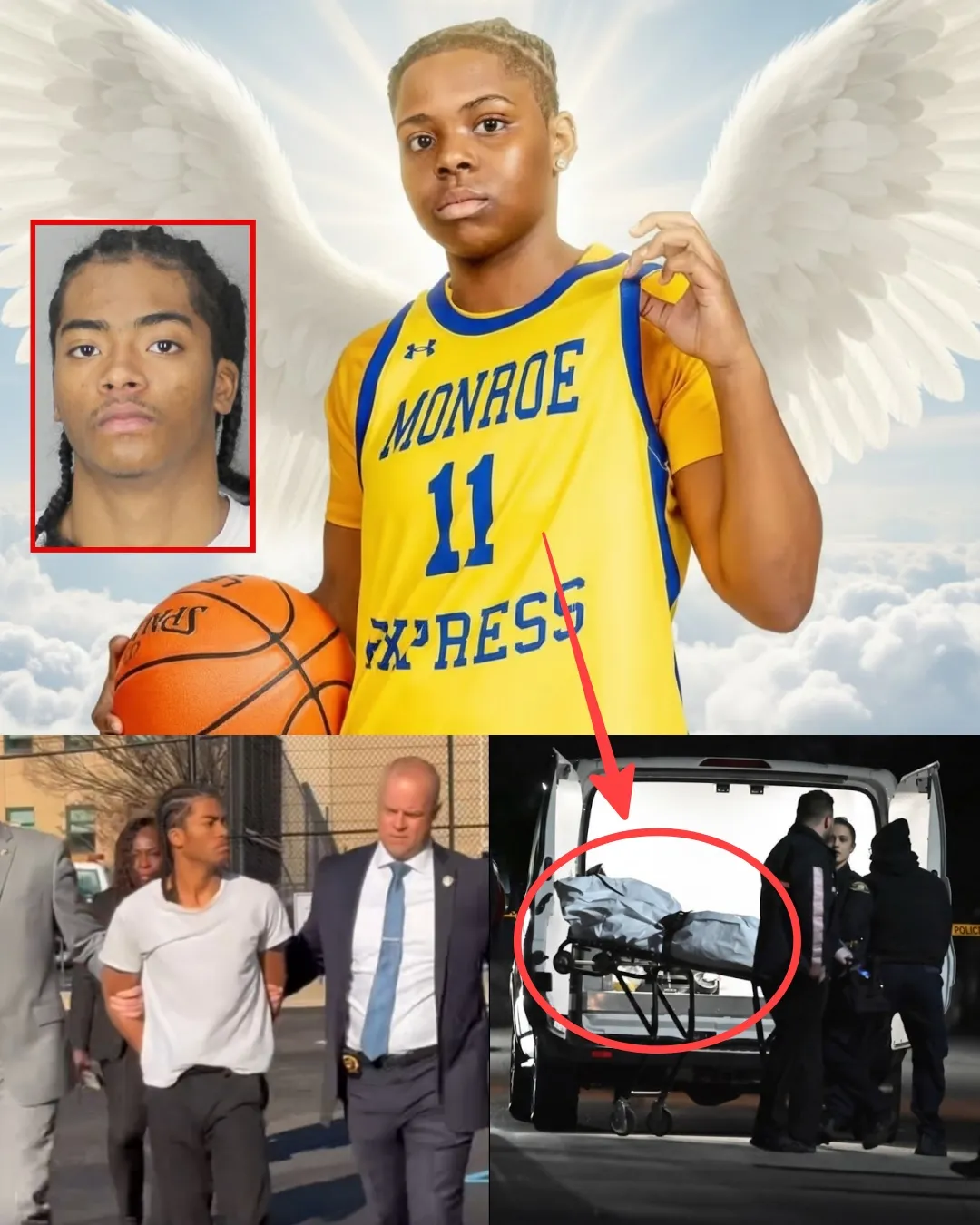
Under the dim glow of an ordinary evening that should have been harmless, where laughter, music, and the lingering feeling of victory still floated in the air, one young life was suddenly cut short, leaving behind a heavy silence and questions that may never fully be answered.
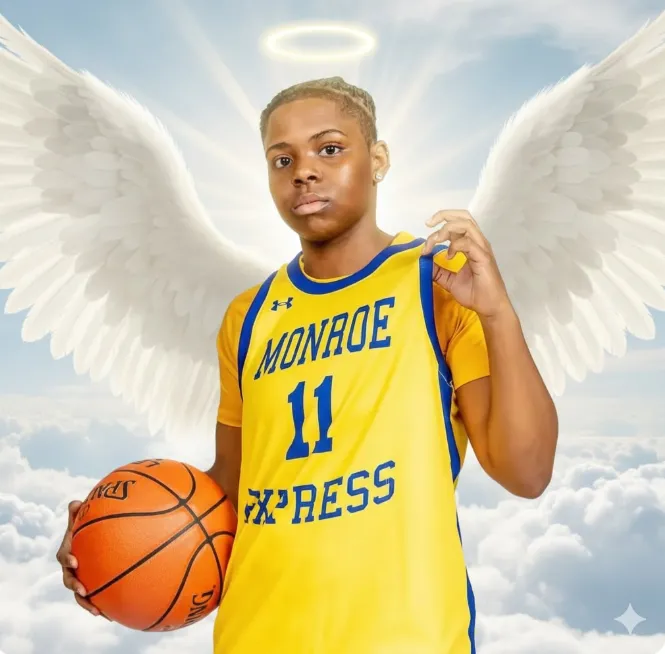
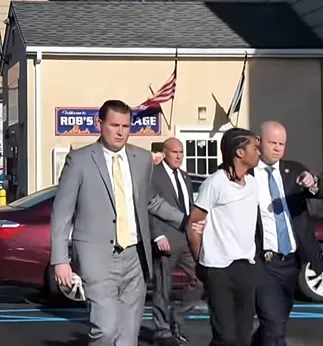
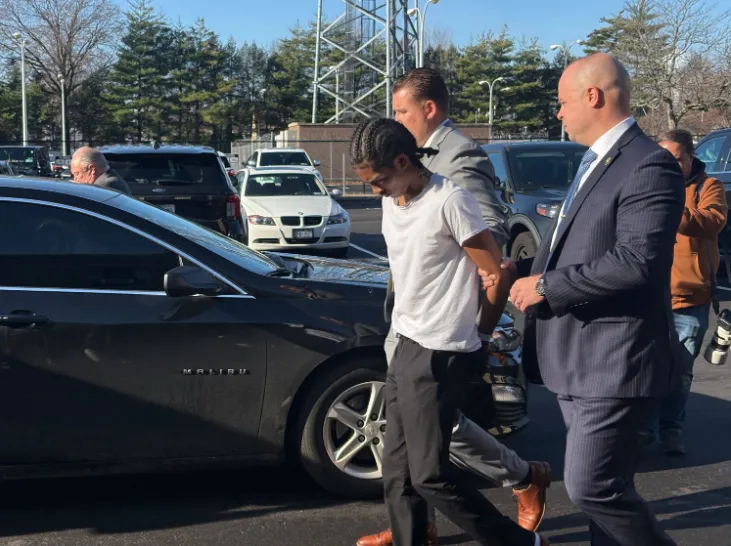
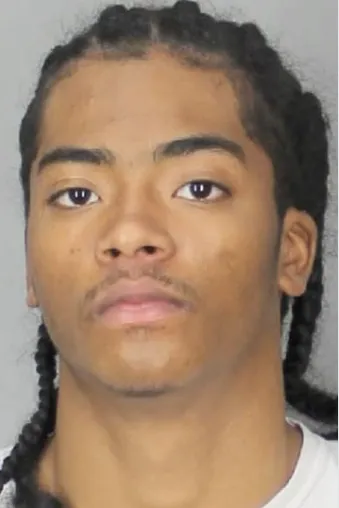
Nassau County police confirmed that an 18-year-old from Baldwin has been charged with murder following a deadly shooting at a house party in Hempstead in late November, a night when celebration abruptly turned into tragedy.
The suspect, Jacob McMillan, 18, is facing a series of serious charges, including second-degree murder, second-degree attempted murder, two counts of criminal possession of a weapon, and theft, all tied to the night that claimed the life of 19-year-old Amira McLeod of Queens.
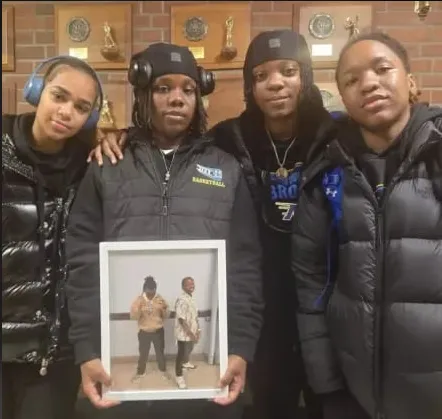
Amira was not just another name in a police report, because she was a sophomore at Monroe University in the Bronx and a member of the school’s women’s basketball team, where she was known as a promising young guard with relentless drive and an infectious smile.
On the night of November 22, Amira attended the party not in search of trouble, but simply after receiving an invitation from a friend in the area, following a celebration with teammates after a hard-fought basketball victory, a moment that should have been remembered for pride and joy.
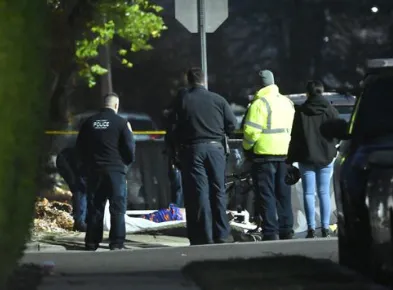
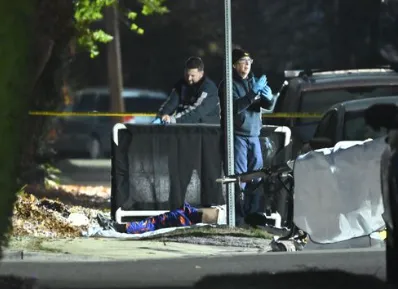
According to Lieutenant Detective George Darienzo of the Nassau County Police Department’s Homicide Squad, officers responded after the ShotSpotter system detected gunfire around 10:50 p.m., alerting authorities to shots fired in what was otherwise a quiet residential neighborhood.
When police arrived at the scene, they found three victims suffering from gunshot wounds outside the home believed to be hosting the party, as panic and confusion swept through the area.
Amira McLeod was pronounced dead at the scene by a Northwell Health paramedic, her life ending at just 19 years old, an age when her future should still have stretched far ahead.
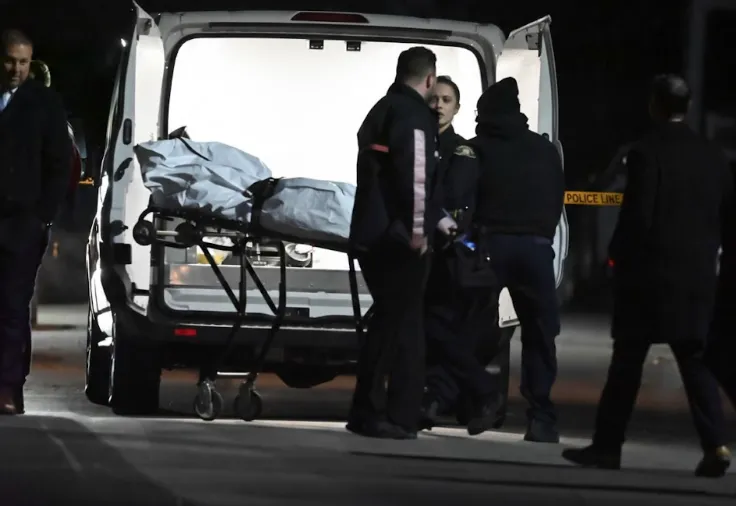
The two other victims, both 20-year-old men, were transported to a nearby hospital in stable condition, and their identities were not released due to ongoing legal proceedings.
Investigators said the party had been widely promoted on social media, drawing many young people to the gathering, including McMillan and four of his friends, who decided to attend after seeing the event advertised online.
The home where the shooting occurred was identified as a short-term rental property and was not owned by any of the partygoers, raising serious questions about accountability and security at such gatherings.
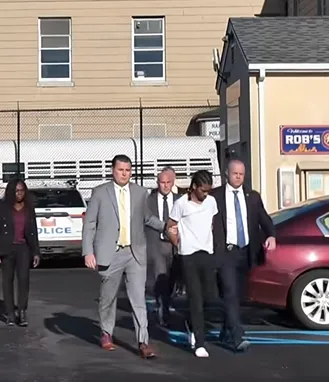
Police said an argument broke out between McMillan and the host, described as a student at Nassau Community College, over party security and whether guests were bringing weapons into the event.
That argument, according to investigators, quickly escalated amid the noise, tension, and chaos of a crowded party, where poor decisions can be made in a matter of seconds.
Darienzo stated that McMillan allegedly stepped back from the group, pulled out a gun, and fired three shots, bullets that not only shattered the calm of the night but also shattered multiple lives.
Amira McLeod, who had no involvement in the dispute, was struck during the shooting, along with the two other victims who survived.
“There was no physical altercation between the victim and the suspect,” Darienzo emphasized, underscoring the senseless nature of the act.
“She was simply in the wrong place at the wrong time,” he added, a phrase heartbreakingly familiar in countless cases of gun violence.
That reality has only deepened the anger and sorrow felt by those who knew Amira, because she was never the target of any conflict, but an innocent bystander caught in a moment of violence.
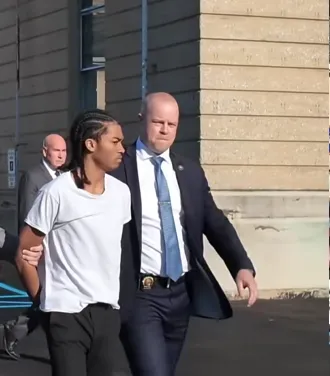
Monroe University officials released a statement expressing profound gratitude to the Nassau County Police Department for their swift and dedicated work in arresting the suspect in Amira McLeod’s death.
“This is a meaningful step forward,” the statement read, “even as we recognize that the road ahead remains incredibly difficult for Amira’s family and all who loved her as they continue to seek justice.”
The university affirmed its unwavering support for Amira’s family, teammates, and friends throughout the legal process, offering continued compassion during an unimaginable loss.
On campus, quiet but deeply emotional memorials were held, where classmates and teammates remembered Amira not only as an athlete, but as a vibrant young woman who brought light into every space she entered.
Stories of her love for basketball, her long hours of practice, and her dreams of building a future through both athletics and education were shared through tears.
Amira McLeod’s death is not only a personal tragedy for one family, but also a devastating reminder of how gun violence continues to infiltrate the lives of young people, even in spaces meant for celebration.
Police records show that McMillan had previously been arrested for possession of stolen property and will also face charges related to a separate theft in September, raising questions about whether warning signs were missed.
The gun used in the shooting has not yet been recovered, and authorities say there is no evidence linking the suspect to any gang activity, leaving the motive rooted in a moment of reckless escalation.
McMillan is scheduled to be arraigned on December 3 at First District Court in Hempstead, where he will face charges that could define the rest of his life.
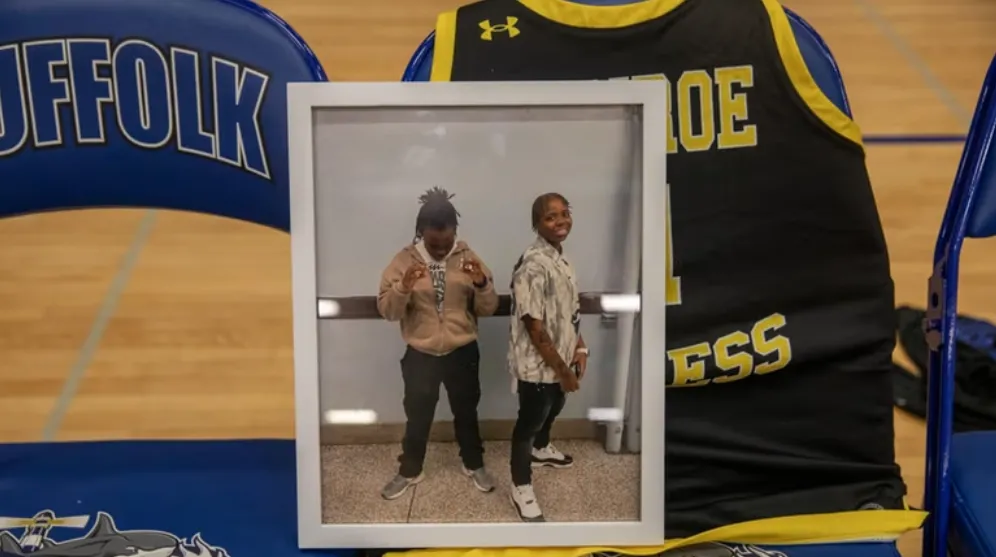
Meanwhile, Amira’s family is left with the unbearable reality that their daughter will never come home, never step back onto the basketball court, and never fulfill the dreams she worked so hard to achieve.
Across social media, the hashtag #BlackFemicide has spread rapidly, as communities speak out about the death of a young Black woman whose life was violently taken.
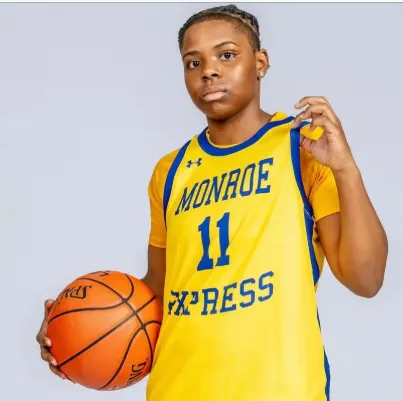
The symbols 🏀🔫 appear again and again in tributes, reminding the world that Amira went to that party after celebrating a basketball win, carrying nothing but joy and youth with her.
The stark contrast between triumph on the court and sudden death has forced many to question safety, accountability, and the normalization of violence at youth gatherings.
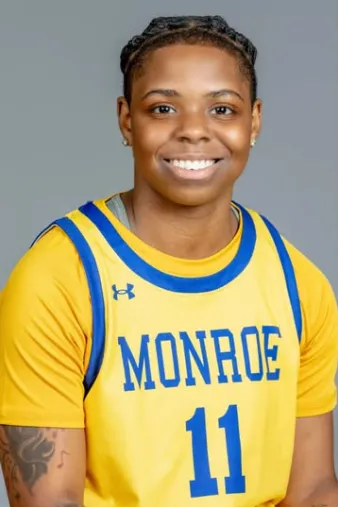
Amira McLeod is remembered as a young guard who defended fiercely on the court and protected her teammates through encouragement, loyalty, and kindness off of it.
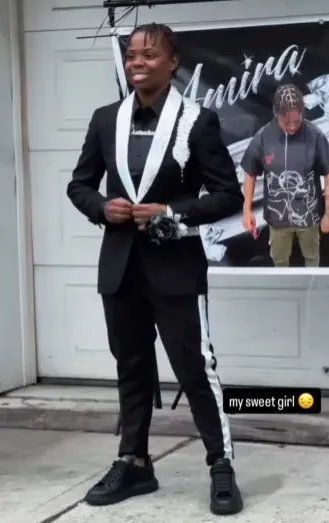
From Queens to the Bronx to Hempstead, communities have come together to mourn, light candles, and pray, determined that Amira’s story will not fade into silence.
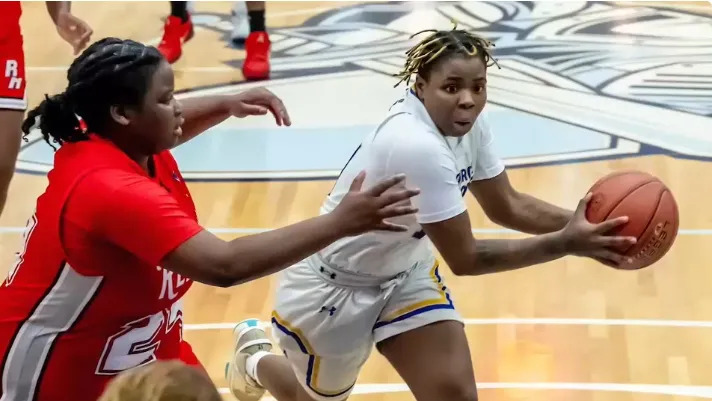
Her death raises painful questions about gun access, unregulated parties, and how minor disputes can spiral into irreversible loss.
In every shared post, every tear, and every vigil, there is not only grief, but also a collective demand for justice and change.
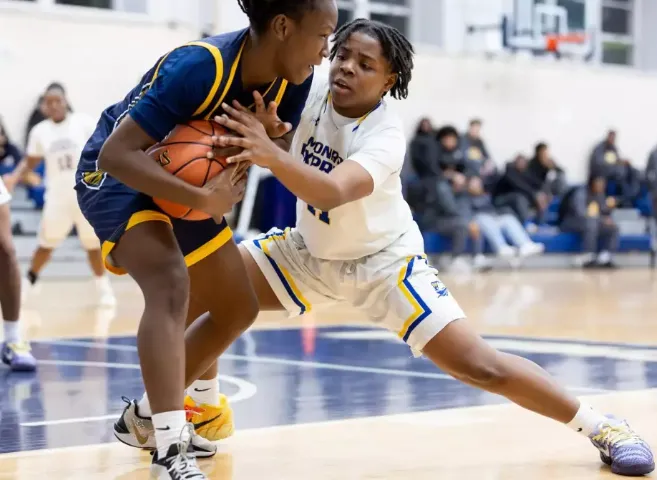
Rest in peace, Amira McLeod, a 19-year-old whose life ended just as it was beginning, leaving behind a void that can never be filled.
And as the court process unfolds, the community will continue to watch, not only seeking accountability, but hoping that from this tragedy, meaningful change may one day emerge to prevent such senseless loss in the future.
They Were Almost Home: A Family Lost to a Drunk Driver 4141
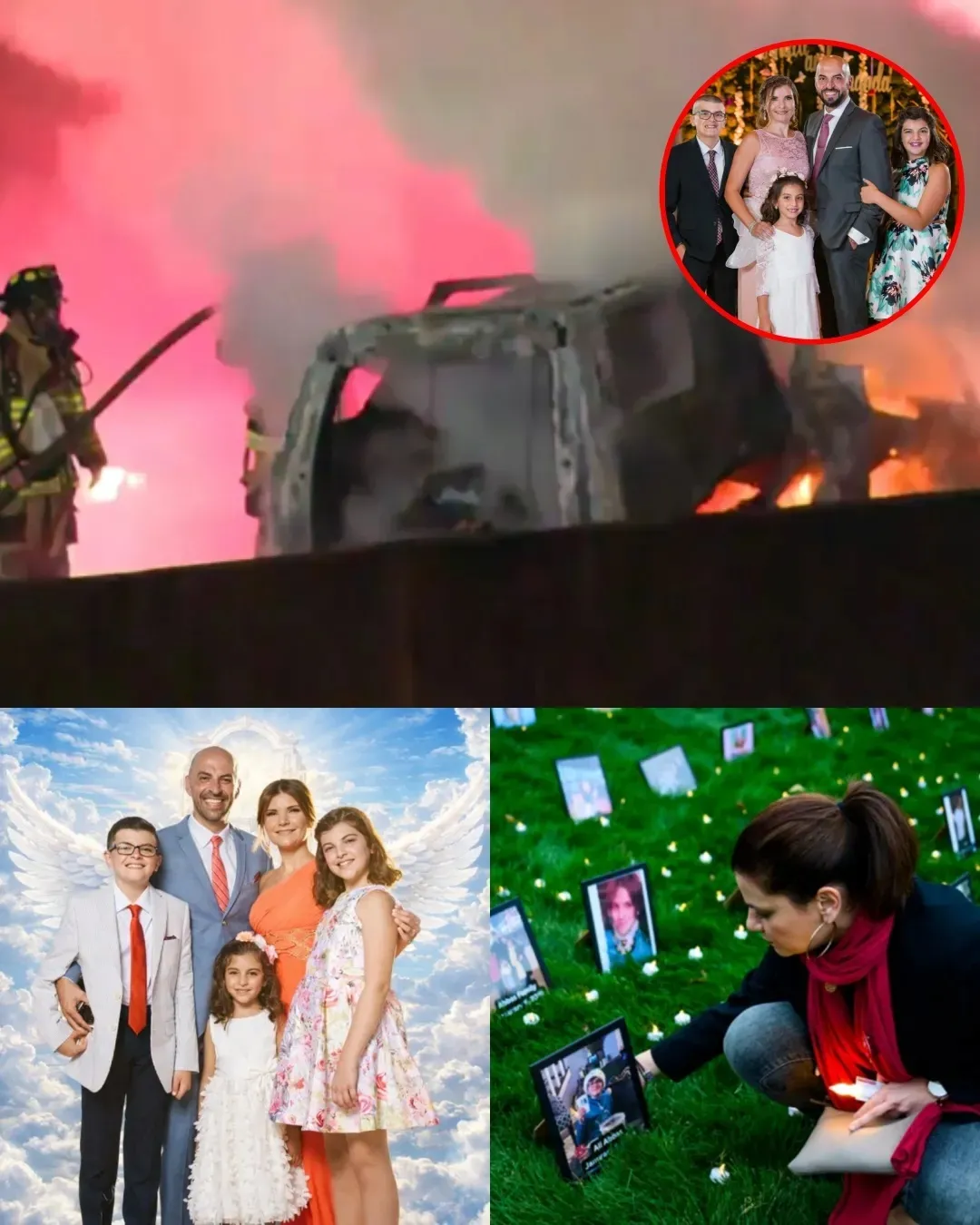
The night stretched long and quiet along the interstate, the kind of darkness that feels endless but harmless.
Headlights cut steady paths through the cold air, carrying people home, carrying families back toward familiar doors.
No one driving that night could have known how suddenly everything would end.
The Abbas family had been on the road for hours.
The exhaustion of travel mixed with the comfort of being almost home.
Michigan felt close enough to imagine unpacked bags and warm beds.
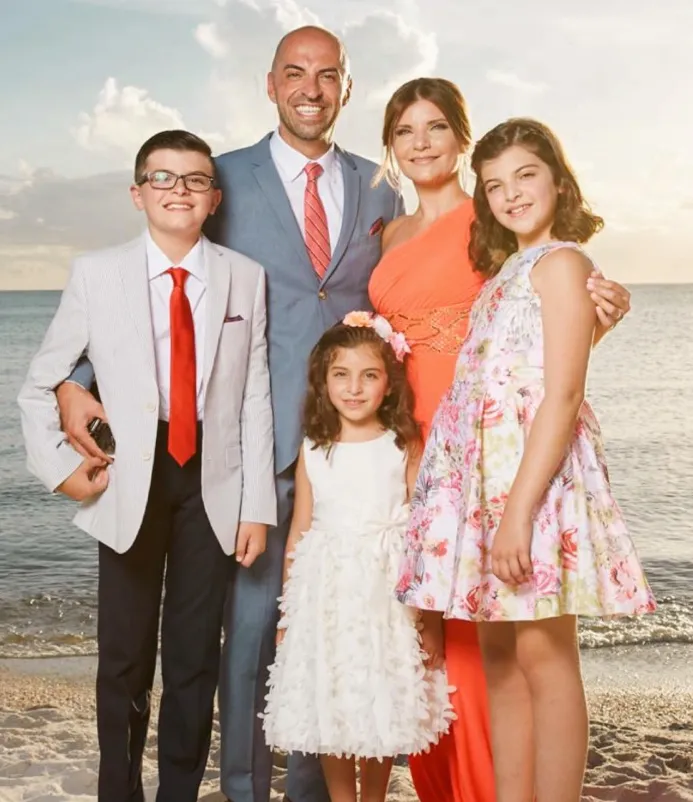
Issam Abbas drove with the careful focus of a father responsible for precious cargo.
Beside him sat his wife, Dr. Rima Abbas, resting quietly, her thoughts likely drifting between work, family, and the simple relief of nearing home.
In the back seat, their children existed in that gentle space between sleep and wakefulness.
Ali, fourteen, was old enough to understand distance and time.
Isabella, thirteen, lived in that age where curiosity still softened the edges of adolescence.
Giselle, only seven, carried the lightness of childhood untouched by fear.
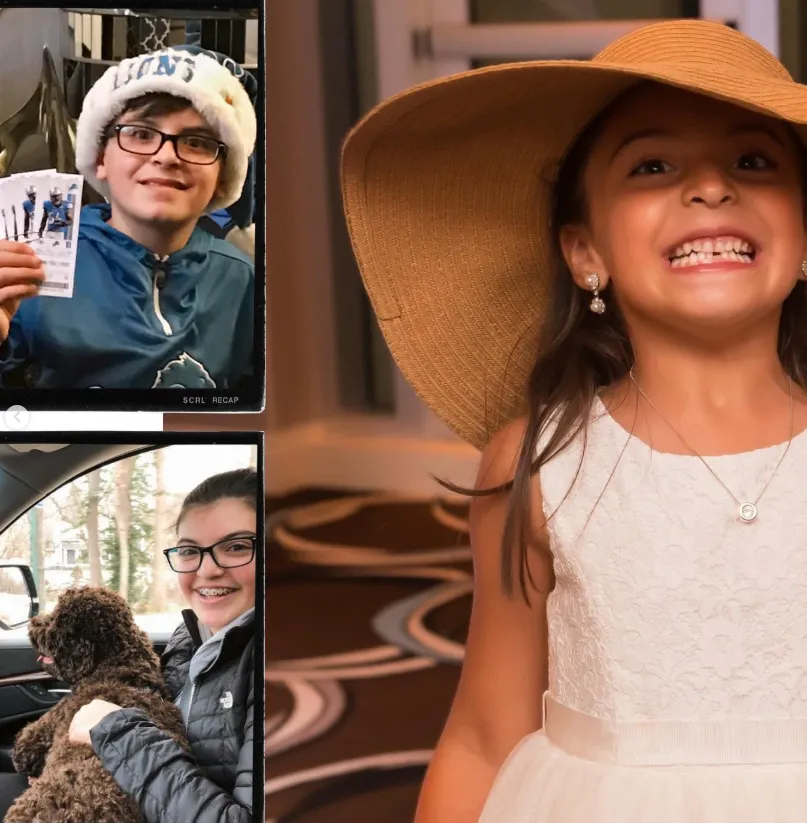
They had spent the holidays in Florida, trading winter coats for sunlight.
Memories of beaches and laughter lingered as the miles slipped by beneath the tires.
It was supposed to be the ending chapter of a good trip.
The interstate that night was busy but controlled.
Cars moved in their lanes, trusting the invisible rules that keep strangers safe at high speeds.
Trust is something we rarely think about until it is broken.
Miles away, another vehicle was already defying those rules.
A white pickup truck entered the highway traveling the wrong direction.
Inside was a driver impaired by alcohol, judgment dulled beyond repair.
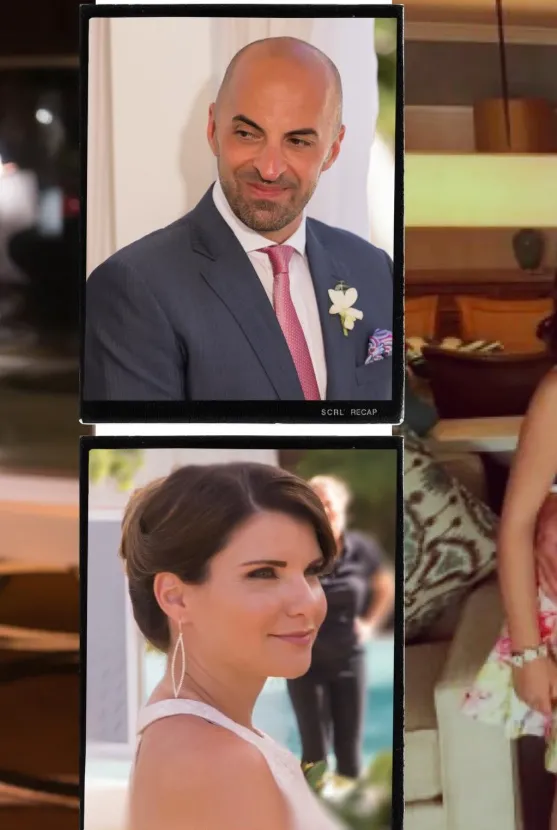
Calls began to come into Lexington police.
Drivers reported headlights rushing toward them where none should be.
Each call carried urgency, but time moved faster than response.
The pickup continued forward, unstoppable and unseen by those who would soon be in its path.
Seconds collapsed into inevitability.
The distance between normal and catastrophic narrowed to nothing.
When the vehicles met, the sound was violent and absolute.
Metal folded into itself, glass exploded, fire erupted.
The night was torn open by impact.
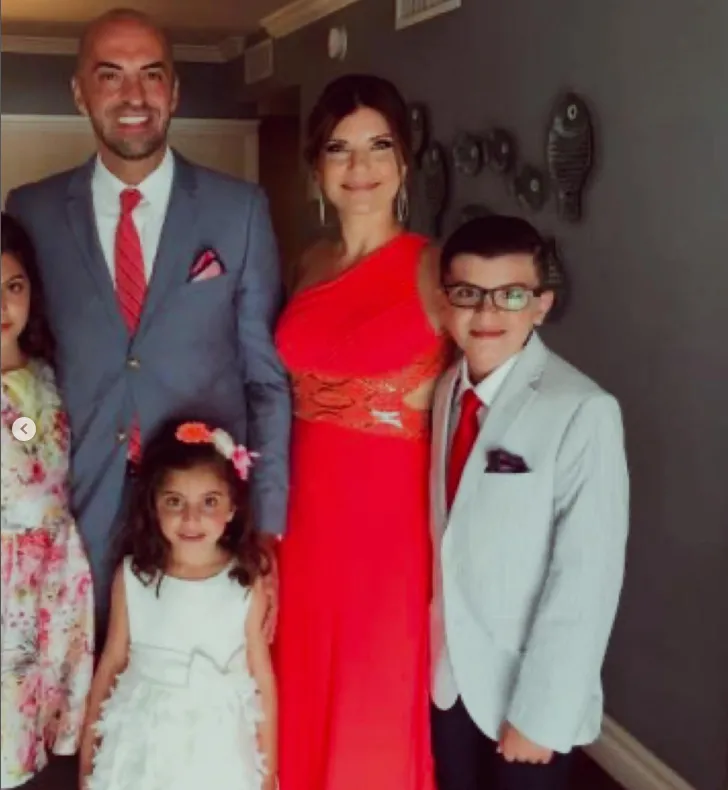
The wrong-way pickup was destroyed by the force of the collision.
An SUV burst into flames, lighting the darkness with sudden, cruel brightness.
In that instant, lives were ended before anyone could understand why.
Issam Abbas never had time to react.
Rima Abbas never had time to shield her children.
Ali, Isabella, and Giselle never woke to danger.
The fire burned hot and fast, consuming what moments before had been a family returning home.
Smoke rose into the cold air, visible from far down the highway.
Traffic came to a stunned halt.
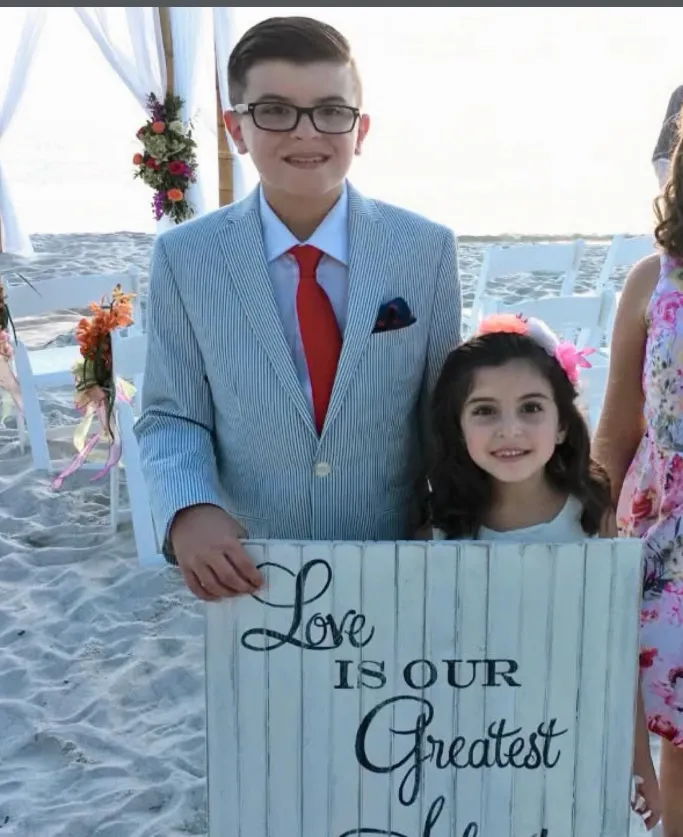
Emergency lights arrived too late to save anyone inside the vehicles.
First responders faced a scene that would stay with them long after dawn.
Some tragedies leave marks that training cannot erase.
By morning, the names of the dead began to surface.
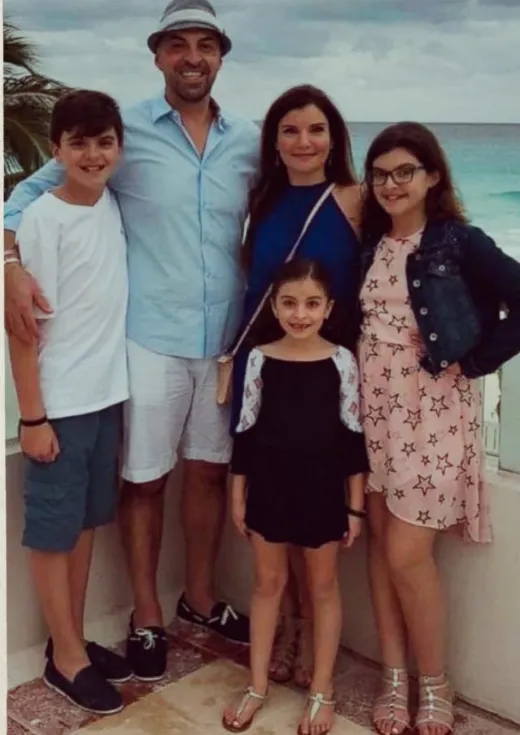
The Abbas family of Northville, Michigan.
Five lives, one family, gone together.
Issam Abbas was forty-two.
He was known as a successful realtor, a man who built his life through patience and effort.
Friends remembered his warmth and his pride in his family.
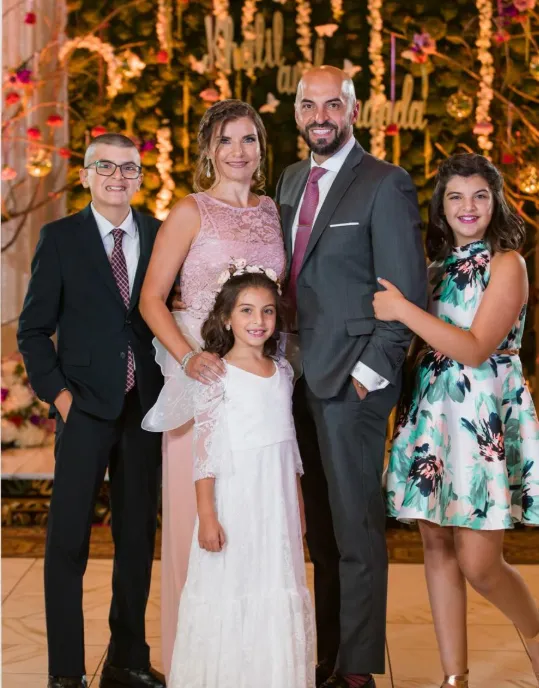
Dr. Rima Abbas was thirty-eight.
She was a respected physician at Beaumont Hospital, trusted by patients and colleagues alike.
Her work saved lives, even as her own was taken.
Ali was fourteen, standing at the edge of adulthood.
Isabella was thirteen, full of curiosity and promise.
Giselle was seven, still discovering the world through wonder.
They were not alone in death that night.
Forty-one-year-old Joey Lee Bailey of Georgetown was also killed in the crash.
His life, too, was claimed by a decision he did not make.
The drunk driver, traveling the wrong way, survived.
That fact alone felt unbearable to those grieving the dead.
Survival does not always mean escape from consequence.
News of the crash spread quickly.
Communities in Michigan and Kentucky reeled from the scale of the loss.
Five members of one family erased in seconds.
At Beaumont Hospital, grief moved quietly through hallways.
Colleagues spoke Rima’s name with disbelief.
Patients learned that the doctor they trusted would never return.
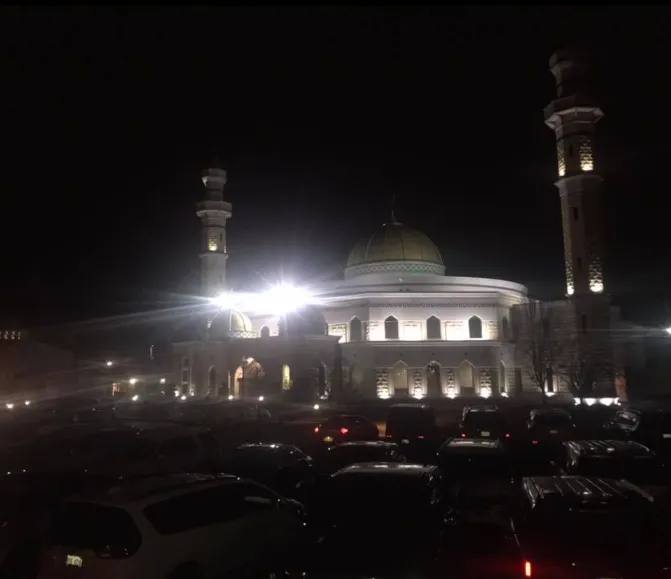
In Northville, neighbors gathered in silence.
Lights glowed in windows long after midnight.
No one knew what to say.
The Abbas home became a place of mourning.
Rooms filled with memories that no longer had voices.
Shoes by the door would never be worn again.
Friends struggled to understand how a holiday trip ended in fire.
How a wrong turn, fueled by alcohol, could obliterate an entire family.
Questions formed without answers.
Investigators reconstructed the crash piece by piece.
They traced the path of the pickup truck against traffic.
They confirmed what the calls had warned.
The driver was intoxicated.
The direction was wrong.
The outcome was inevitable.
Court documents would later detail speeds and impact points.
Statistics would be cited, laws referenced, charges filed.
None of it would restore what was lost.
Drunk driving is often discussed in numbers.
Blood alcohol levels, accident rates, sentencing guidelines.
But numbers do not capture screams cut short by fire.
The Abbas children were more than ages on a report.
They were siblings who teased and protected each other.
They were laughter in a back seat, dreams still forming.
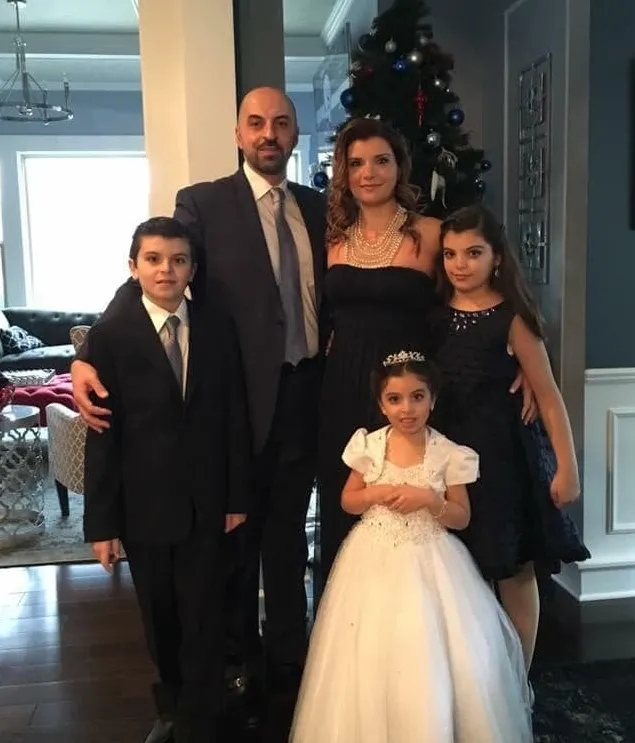
Issam and Rima were more than professions.
They were parents who planned futures for their children.
They were partners who built a life together.
Their deaths left a void that words cannot measure.
Grief does not move in straight lines.
It lingers, resurfaces, reshapes those left behind.
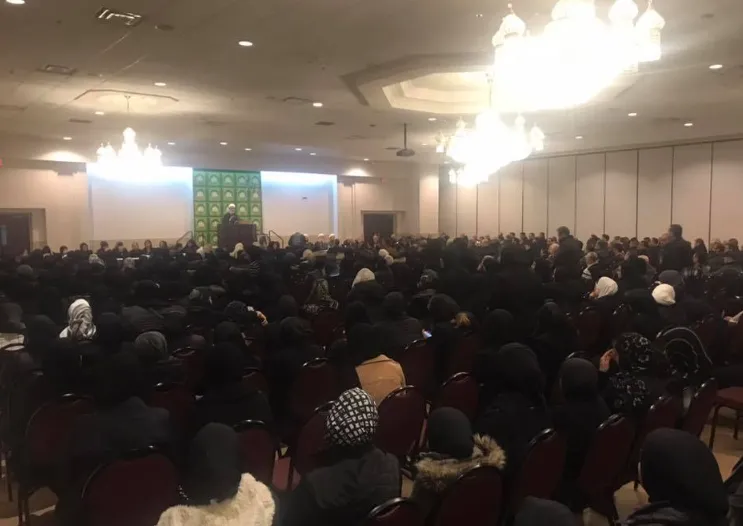
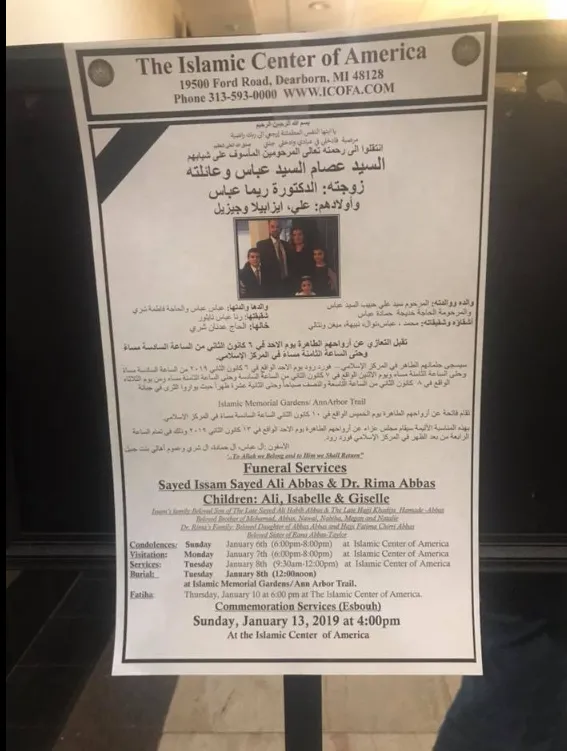
Funerals followed, heavy with silence and disbelief.
Caskets stood where people should have been.
Goodbyes were spoken into emptiness.
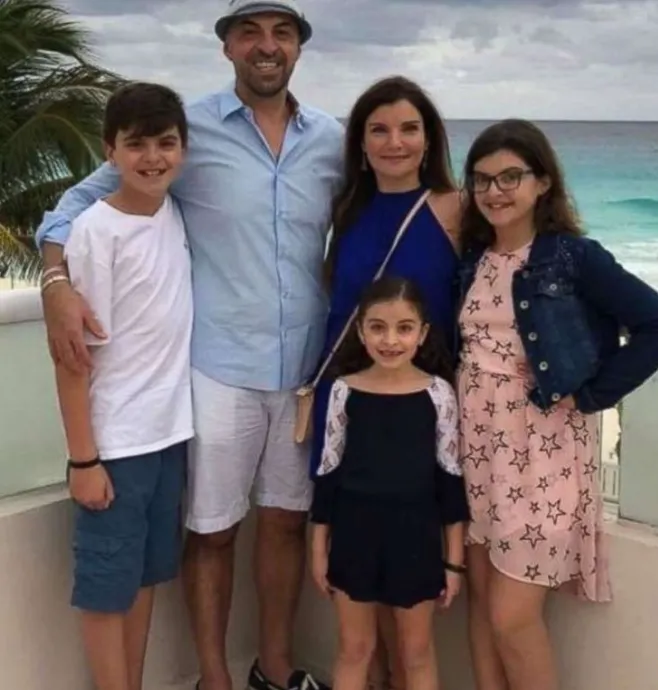
Community members spoke of the family’s kindness.
Of Rima’s dedication to healing.
Of Issam’s unwavering love for his children.
Ali’s friends remembered his humor.
Isabella’s classmates remembered her curiosity.
Giselle’s teachers remembered her smile.
Each memory became both comfort and pain.
To remember is to keep them alive in some way.
To remember is also to feel their absence more sharply.
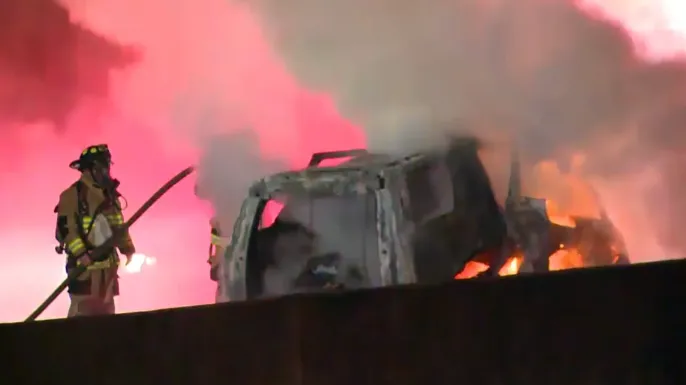
The crash on I-75 became a warning story.
Another reminder of how deadly impaired driving can be.
Another plea that arrived too late for six people.
Advocates spoke out, urging stricter enforcement and awareness.
Families shared their grief in hopes of preventing another.
Loss turned into a fragile form of purpose.
Yet no campaign can undo that night.
No sentence can equal the weight of five lives lost.
Justice, even when served, remains incomplete.
The Abbas family is now remembered together.
A mother, a father, three children, inseparable in life and death.
Their story endures as both tribute and warning.
Highways still fill each night with families traveling home.
Trust still exists between strangers moving at impossible speeds.
But beneath that trust lives the memory of what can happen.
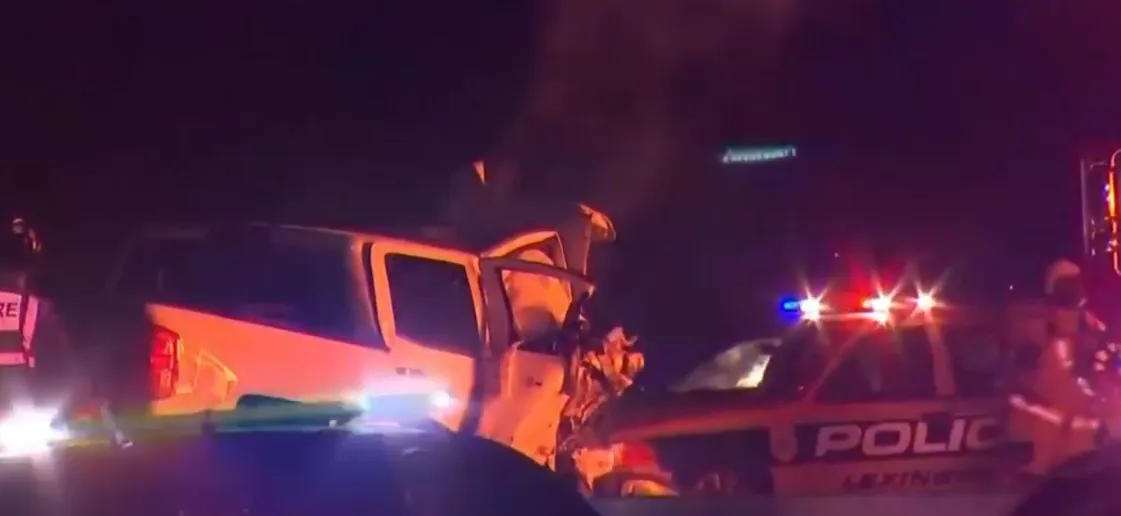
January 6, 2019, is now more than a date.
It is a fracture point in countless lives.
A night when fire replaced headlights.
The Abbas family did nothing wrong.
They followed the rules, trusted the road, believed in arrival.
That belief cost them everything.
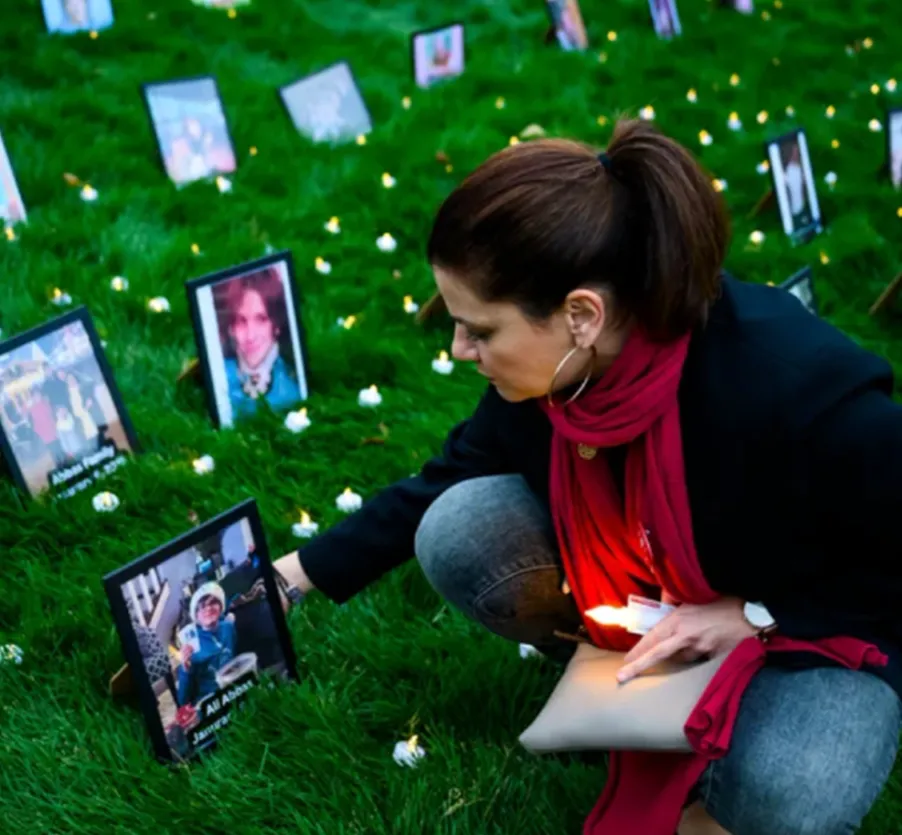
And so their story must be told.
Not to sensationalize, but to remember.
Not to frighten, but to warn.
Six lives ended in seconds.
Six futures erased by one reckless choice.
And the silence left behind still echoes.