A Family’s Fight for Justice: The Cold-Blooded Murders of Two Young Lives 4189
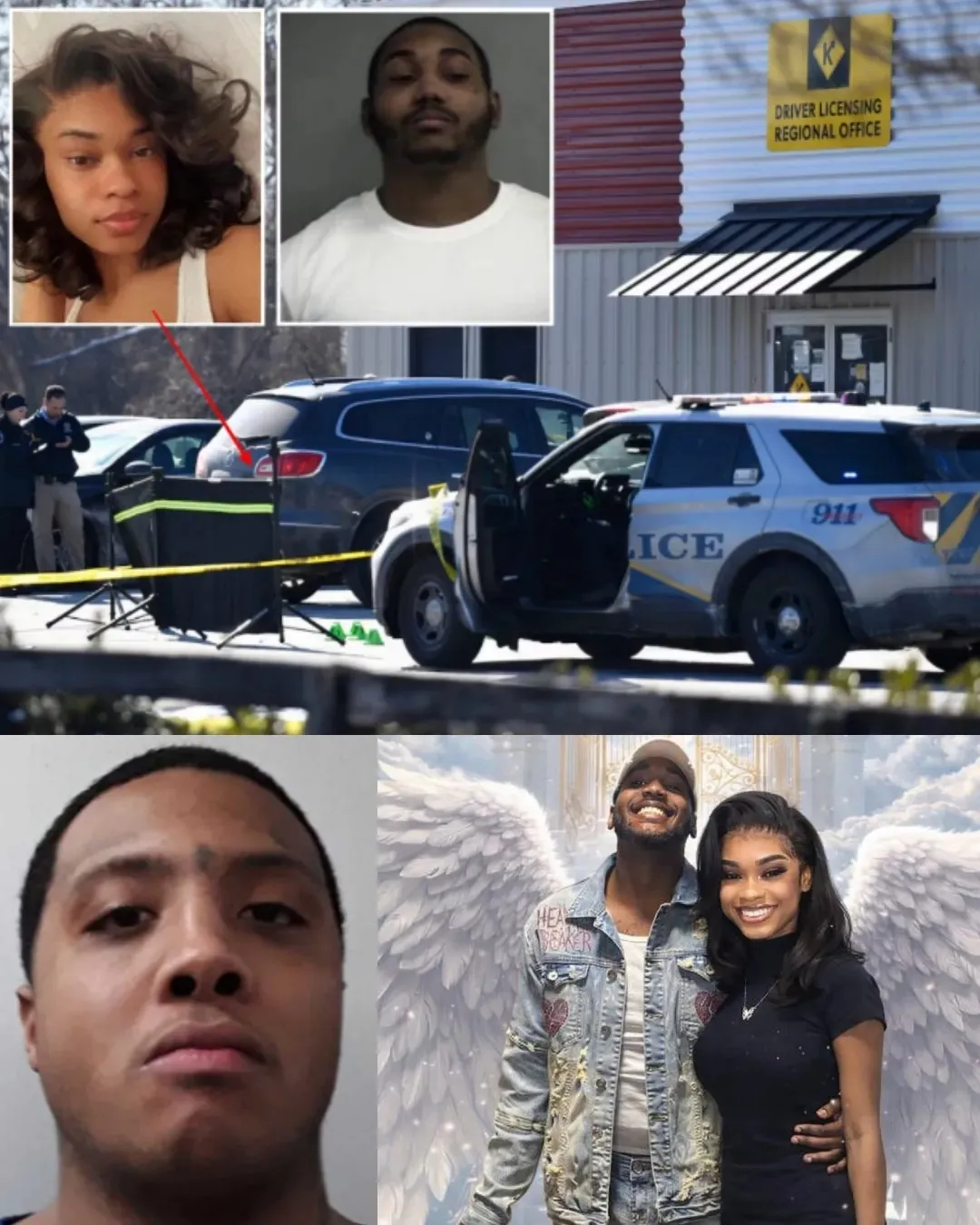
The night before New Year’s Eve is supposed to carry anticipation, not dread.

Plans are usually unfinished, meals still being imagined, messages left unread only because tomorrow feels guaranteed.
In Louisville, Kentucky, December 30, 2020, ended differently.

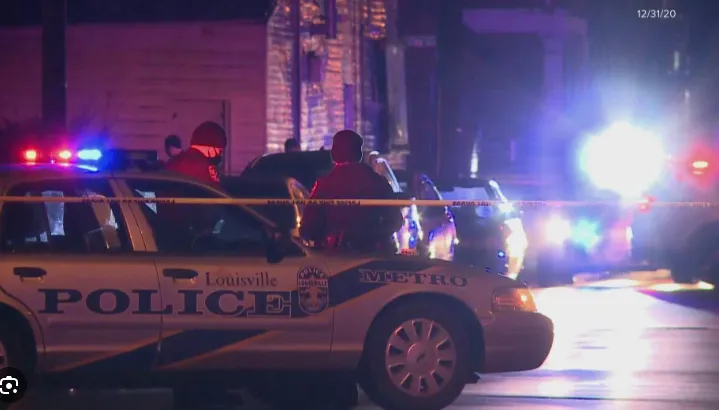
Two young lives—Antonia Lucas, 21, and Daniel Key Jr., 23—were erased in silence, their bodies later found stacked together in the passenger seat of a rented black Ford Fusion in the Smoketown neighborhood.

This week, nearly four years later, a courtroom returned to that night.

The retrial of Mahlon Harris began, reopening wounds that never fully healed and forcing families to relive the last hours of two people who should still be here.

Harris faces decades in prison if convicted of the execution-style killings.

Prosecutors say the evidence tells a clear story.
The defense insists it does not.

But for the families, the debate happens in a different place—one where absence is permanent and answers came too late.

Antonia Lucas’ mother took the stand and described the moment worry became terror.
Her daughter had gone quiet.

Calls went unanswered.
Texts stayed unread.

Cellphone data pointed her to Smoketown, a neighborhood she did not know well but would soon never forget.

She went door to door, asking strangers if they had seen her child.

“We knocked on two doors,” she testified, voice breaking.
“And then they told me, ‘This is a dangerous neighborhood. We can’t help you anymore. And good luck.’”

That was the last help she received before the truth revealed itself.

In the early hours of New Year’s Eve, their bodies were discovered inside the car.

Daniel Key’s body was stacked on top of Antonia’s.


They had both been shot twice with a .40-caliber gun that has never been recovered.

It was Antonia’s brother who found them.
He noticed something that felt wrong before he fully understood why—a shoe pressed against the windshield, out of place, unnatural.

Police say the car did not become a crime scene by chance.

They allege the killer drove the vehicle after the murders, with both victims beside him.

“He drove that car with two dead bodies next to him and a pool of blood in the driver’s seat,” Assistant Commonwealth’s Attorney Milja Zgonjanin told the jury.
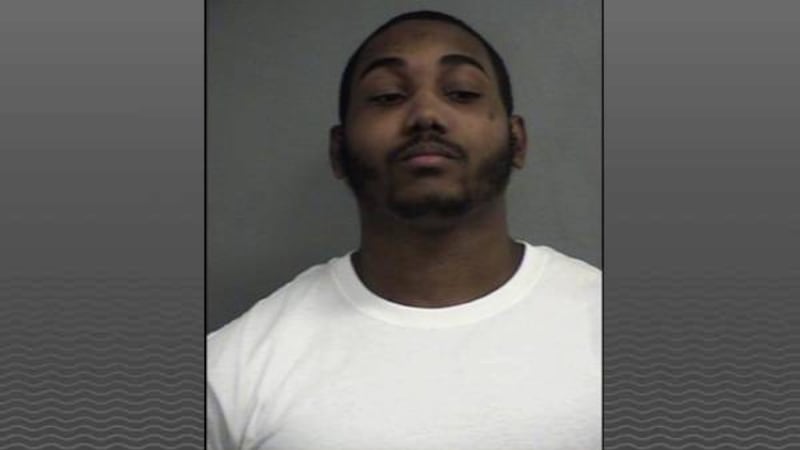
Investigators do not believe Lucas and Key were killed where the car was found.

That detail deepened the horror.
It suggested movement, intention, and time spent with the dead.

The question of why Antonia and Daniel were together that day remains unanswered.

Their friends and families did not know each other.

There was no shared social circle, no obvious connection.

But Harris was known to Daniel’s family.


He was described as a longtime friend, someone who had been inside their home before, someone familiar.

Daniel’s mother testified while holding Harris in her gaze.

Tears streamed down her face as she spoke about the last thing they discussed—what she planned to cook for her son on New Year’s Eve.

A meal that would never be made.

Prosecutors characterized the killings as deliberate and cold.

“This was nothing less than an execution,” Zgonjanin said.
“The evidence does not lie. It reveals the truth.”
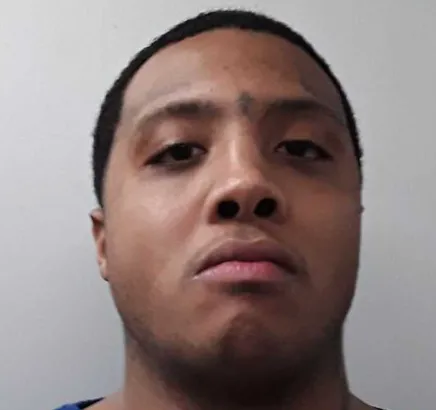
A key part of that evidence involves shell casings found inside the rental car.

Investigators say those casings match a separate shooting earlier on December 30, when Harris allegedly fired into an ex-girlfriend’s home after being denied entry.

A Kentucky State Police ballistics expert is expected to testify that the markings on the shell casings from both scenes match.

The defense, however, plans to challenge that science, calling shell casing analysis unreliable and overstated.

“At this point, I don’t know who killed Antonia Lucas and who killed Daniel Key,” said public defender Ryan Dischinger.

“But the evidence shows that Mahlon Harris didn’t.”

The defense argues that investigators focused too narrowly, never seriously pursuing other suspects.
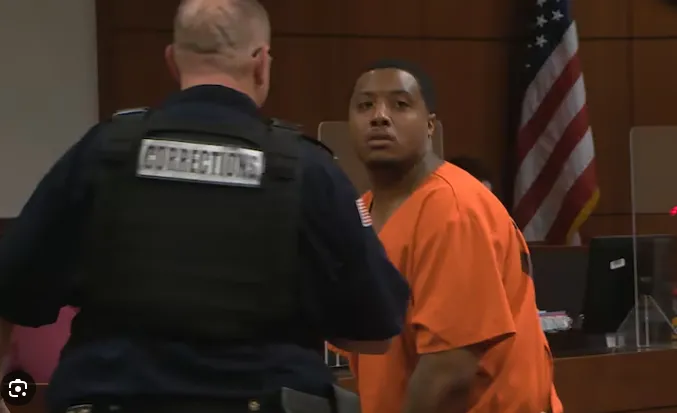
“They never considered anyone else,” Dischinger said.
“They went after trying to prove Mahlon Harris did this.”

DNA evidence has become another battlefield.
Prosecutors say Harris’ DNA was found on the trunk of the rental car, which surveillance video shows was opened before the victims were abandoned.

The defense counters that Harris’ DNA was not found inside the car, where prosecutors allege he drove with the bodies.

To them, that absence is exculpatory.
To prosecutors, it is not.

Phone records also loom large.
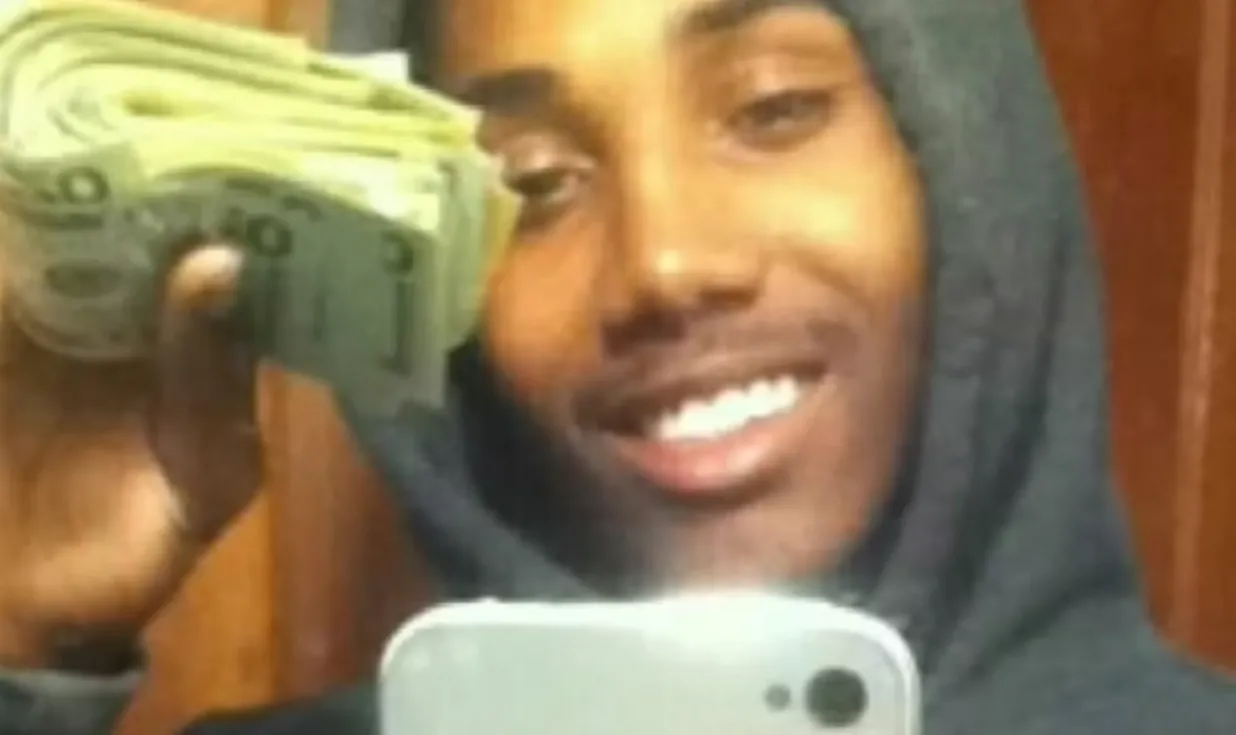
The Commonwealth plans to introduce calls between Key and Harris made on the day of the killings.
The defense argues that Key called multiple people that day, but only Harris is accused.

Layer by layer, two narratives are being built for the jury.

One of calculated murder.
The other of investigative tunnel vision.

This retrial carries its own complicated history.
Harris’ first trial began in September 2024 but ended abruptly after opening statements.
Judge Mitch Perry halted proceedings when a defense expert witness was only available to testify remotely.
The judge ruled the testimony was too critical to be heard virtually.

The defense faced a choice: continue without the witness or seek a mistrial.

They chose the mistrial.
It was granted.

Attempts to dismiss the case on double jeopardy grounds failed.

Appeals were denied.
And now, the trial begins again.

Harris faces charges of murder, felon in possession of a handgun, and persistent felony offender.

For the families, none of that changes the central truth.
Two young people were taken from them.

Antonia Lucas was 21.
Daniel Key Jr. was 23.

They did not make it to New Year’s Eve.
They did not get their final meals, final conversations, or final goodbyes.
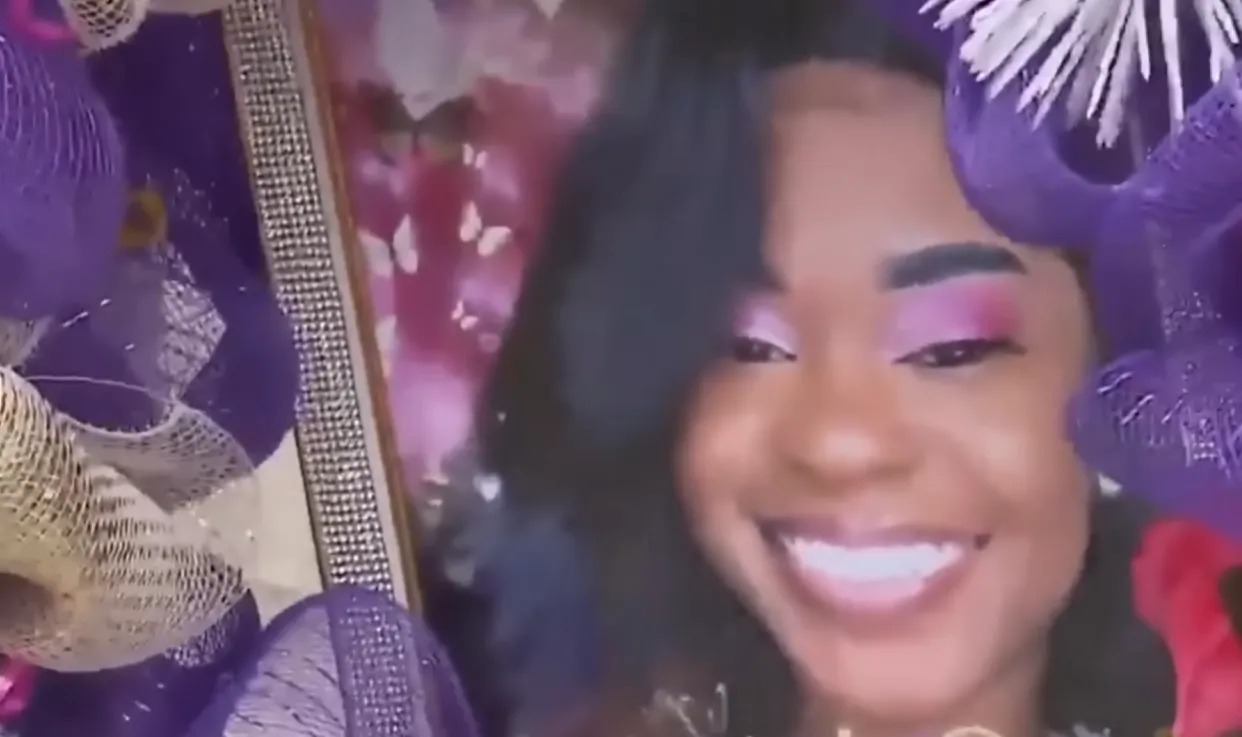
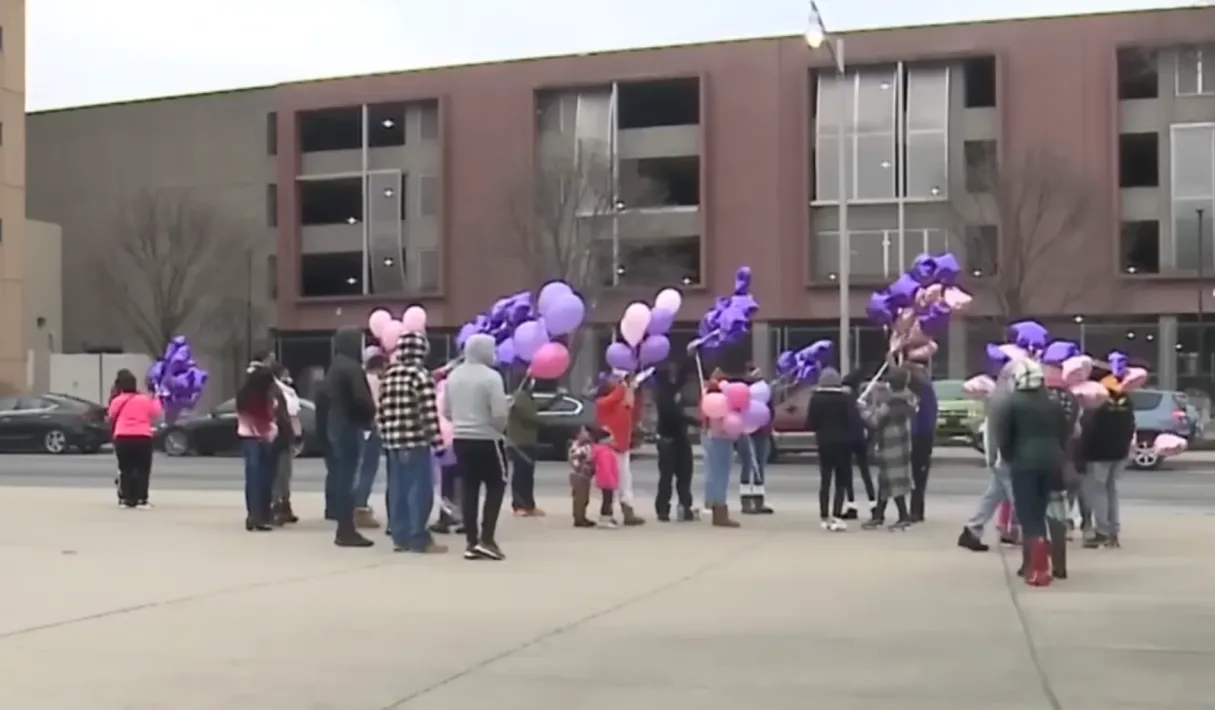
In the courtroom, evidence is measured in exhibits and testimony.
Outside it, grief has been measured in years.

Smoketown has returned to its routines.
Cars park.
People pass.

But for those who know the story, that stretch of street carries a weight it will never lose.
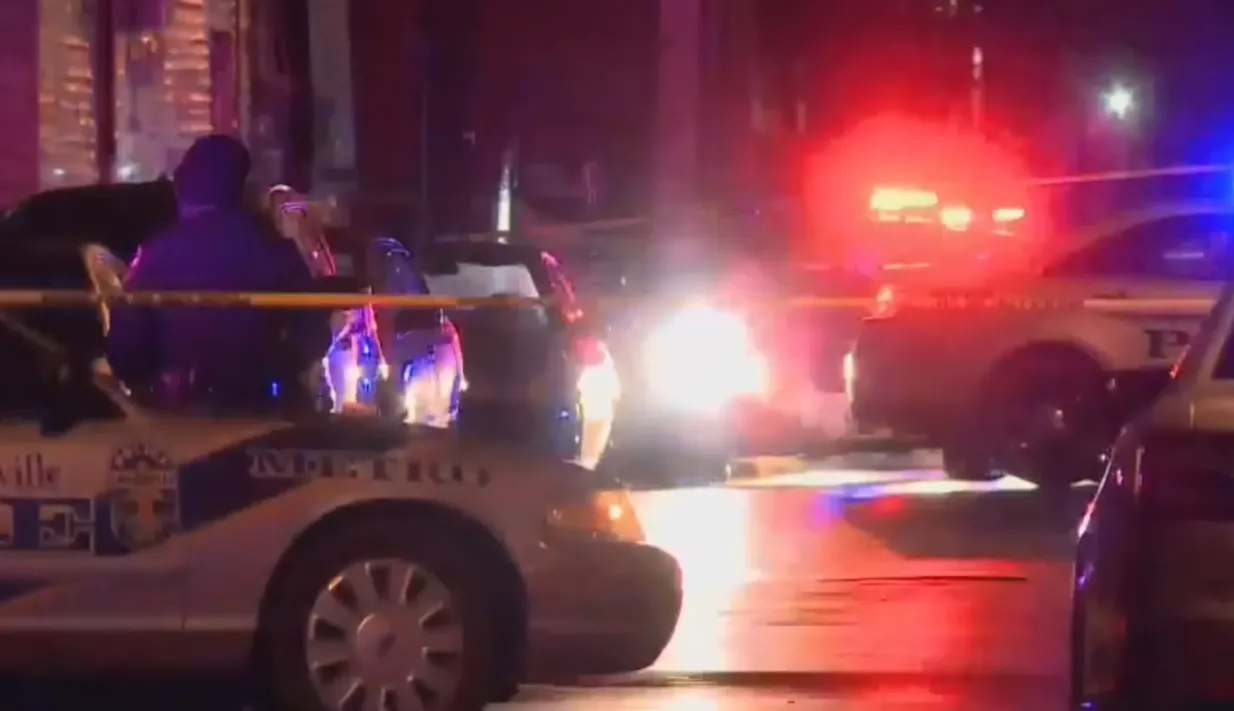
This retrial is not just about guilt or innocence.
It is about accountability.

About whether the system can finally answer for two lives ended in silence.

As the proceedings stretch into next week, one thing remains unchanged.
Antonia Lucas and Daniel Key Jr. are still gone.

And the people who loved them are still waiting—for truth, for justice, and for a sense that their deaths mattered enough to be fully seen.

Divorced Husband Arrested in Aryan Papoli Murder Case 4188
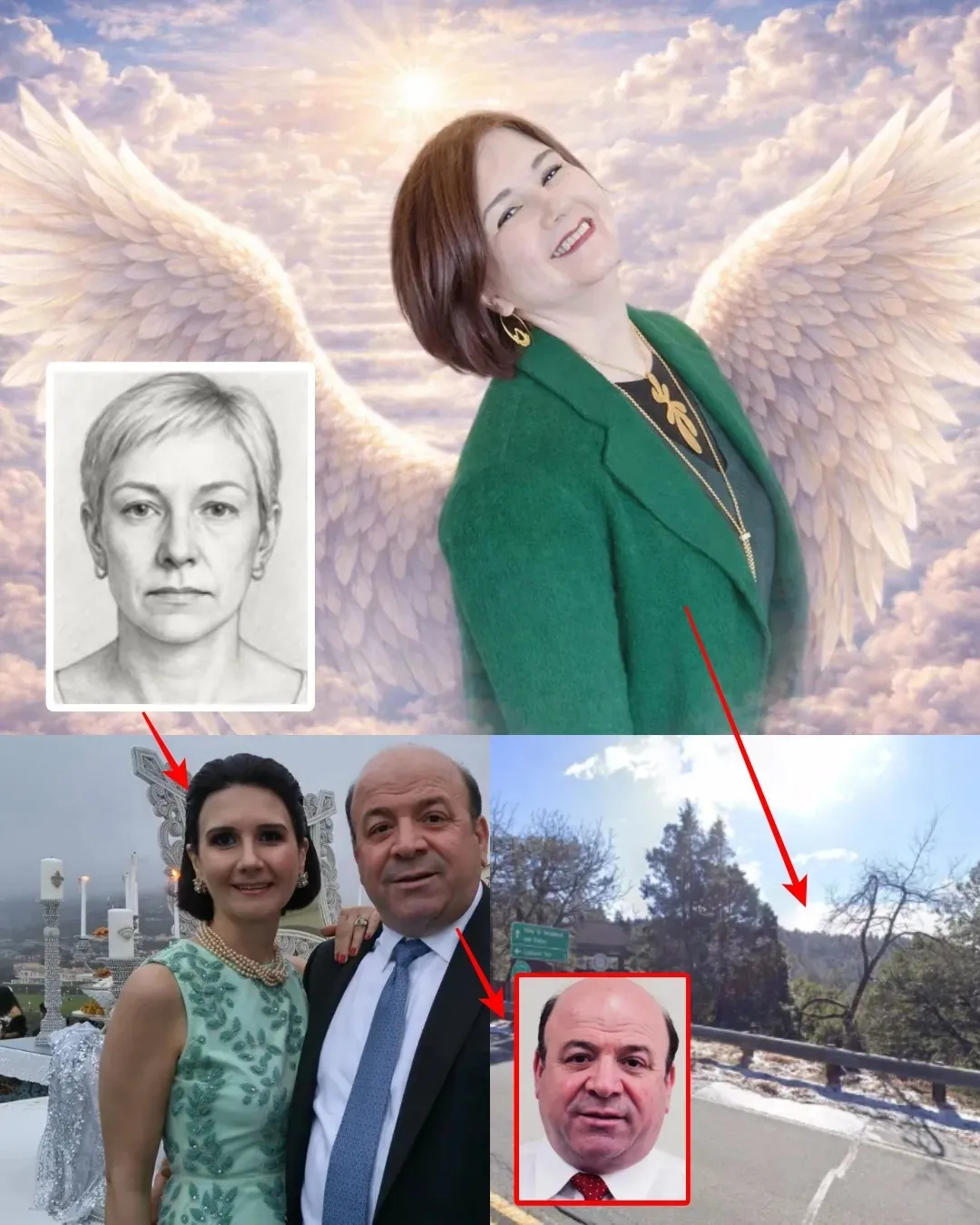
The call came in quietly on a November morning.
Not a missing-person alert, not a frantic plea for help.

Just a report of a body down an embankment.

Deputies from the

San Bernardino County Sheriff’s Department were dispatched to a rugged stretch near Highway 138 and Crestline Road.
The location sat high in the mountains above Southern California.

It was steep, isolated, and unforgiving.
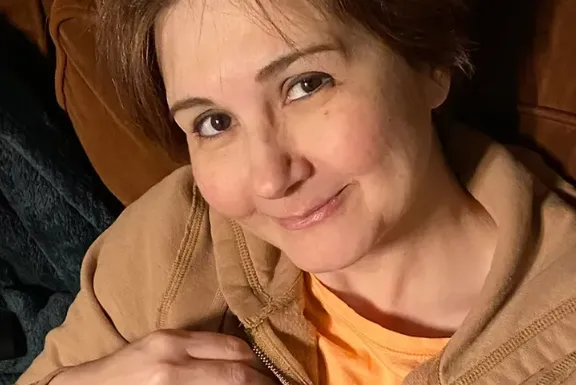
When first responders arrived, they saw the reality immediately.
The body lay roughly seventy-five feet below the roadway.

Fire officials were called in to perform the dangerous recovery.

The woman had no identification.

Her injuries were consistent with a fall.
At first glance, it was unclear whether she had slipped, jumped, or been pushed.

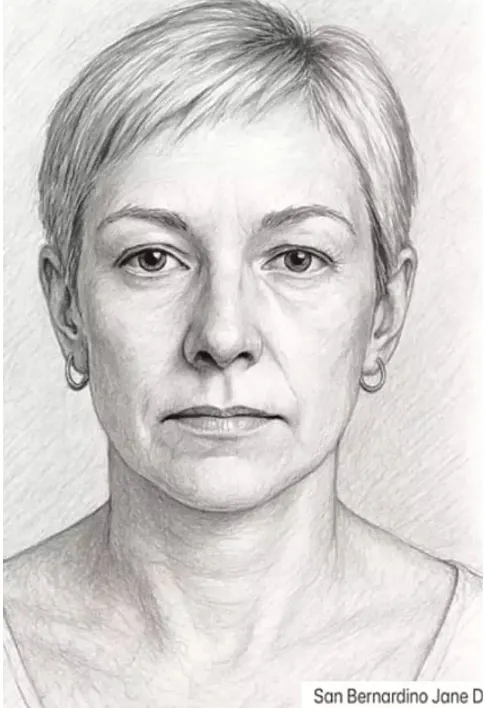
For days, she was known only as Jane Doe.

The sheriff’s department released a sketch of her face to the public.
Someone, they hoped, would recognize her.
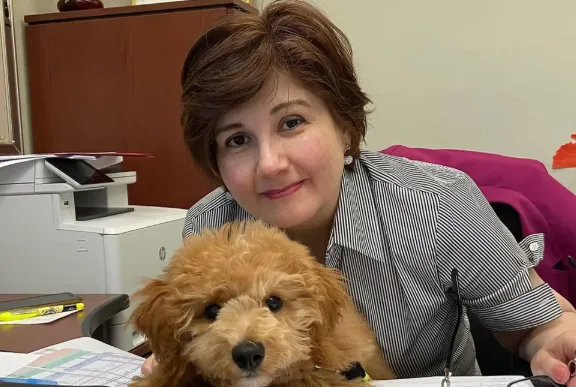
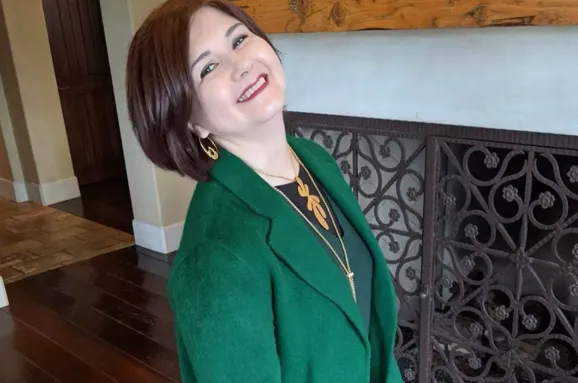
On December 1, the mystery ended.
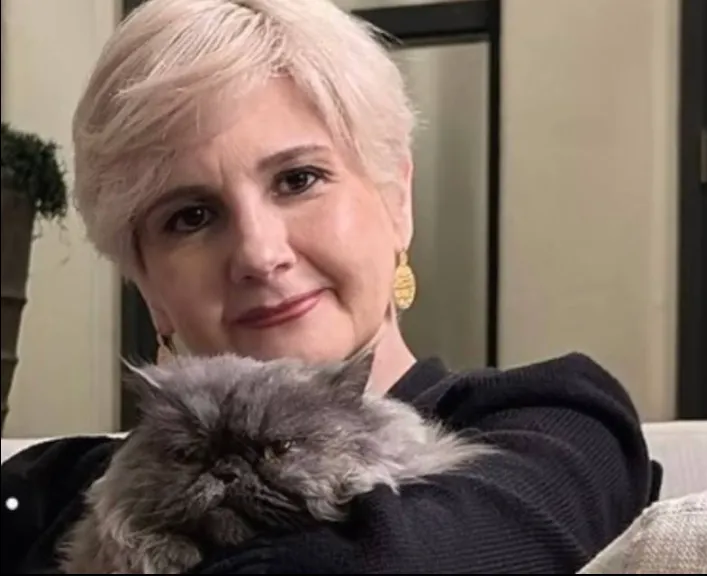
The woman was identified as Aryan Papoli

, fifty-eight years old.
She had been reported missing from Newport Beach.

The identification brought grief, but not peace.
Because the questions only multiplied.
And the answers were devastating.

An autopsy revealed injuries consistent with a fall.

But the coroner ruled her death a homicide.
Something did not add up.

Investigators widened their focus.

They examined Papoli’s personal life, movements, and relationships.

One name surfaced again and again.

Her estranged husband.

On January 23, after what authorities described as an “extensive” investigation, Gordon Abas Goodarzi, sixty-six years old, was arrested.
Two days later, he was formally charged with murder.

The case took a decisive turn.

Papoli and Goodarzi were separated at the time of her death.
Details of their estrangement have not been fully disclosed.

But investigators believed it was central to what happened.

Papoli had vanished days before her body was found.
A missing-person report was filed on November 22.
That was four days after the body was discovered.

Her son, Navid Goodarzi

, learned the truth just after Thanksgiving.
He described the moment as physically devastating.
“The wind gets knocked out of you,” he said.

For Navid, the days before identification were filled with frantic hope.

Searching, calling, waiting.
Believing his mother might still be alive.

That hope ended abruptly.
Shock replaced possibility.
Grief settled in permanently.

Authorities have not publicly detailed how they linked Goodarzi to the crime.

They have not released a motive.

The evidence remains largely sealed.

What is known is that Papoli did not die by accident.
She did not simply fall.

Her death was ruled intentional.

The mountains where she was found returned to silence.
Cars continued to pass overhead.

Most drivers never knew what lay below.

For the Papoli family, the landscape changed forever.
Every photograph, every memory, now carries absence.

Every unanswered question weighs heavily.

Investigators emphasized patience.

Murder cases built on circumstantial evidence take time.
Every detail must be precise.

Goodarzi now faces the full weight of the criminal justice system.

If convicted, he could spend the rest of his life in prison.

But no sentence can restore what was taken.

Papoli was more than a case file.
She was a mother.

A woman whose life ended alone on a mountainside.

Her story reflects a painful reality.
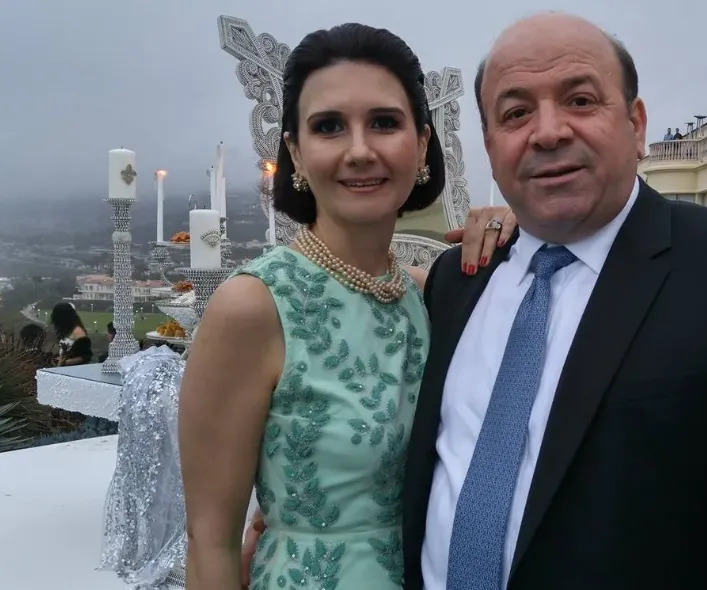

Many homicides begin as missing-person cases.
And many answers come far too late.

As the case moves forward, the courtroom will become the next battlefield.

Evidence will be tested.
Truth will be argued.

For now, the family waits.

For justice.
For accountability.
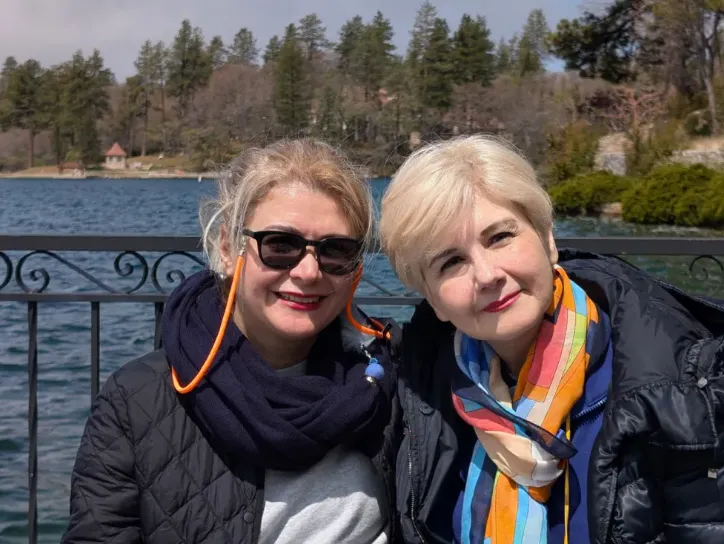
And for a measure of peace that may never fully arrive.

Aryan Papoli deserved to be found alive.

She deserved safety.
She deserved answers before it was too late.

🕯️ Rest in peace, Aryan Papoli.

Leave a Reply

Your email address will not be published. Required fields are marked *

A Family’s Fight for Justice: The Cold-Blooded Murders of Two Young Lives 4189

The night before New Year’s Eve is supposed to carry anticipation, not dread.

Plans are usually unfinished, meals still being imagined, messages left unread only because tomorrow feels guaranteed.
In Louisville, Kentucky, December 30, 2020, ended differently.

Two young lives—Antonia Lucas, 21, and Daniel Key Jr., 23—were erased in silence, their bodies later found stacked together in the passenger seat of a rented black Ford Fusion in the Smoketown neighborhood.

This week, nearly four years later, a courtroom returned to that night.

The retrial of Mahlon Harris began, reopening wounds that never fully healed and forcing families to relive the last hours of two people who should still be here.

Harris faces decades in prison if convicted of the execution-style killings.

Prosecutors say the evidence tells a clear story.
The defense insists it does not.

But for the families, the debate happens in a different place—one where absence is permanent and answers came too late.

Antonia Lucas’ mother took the stand and described the moment worry became terror.
Her daughter had gone quiet.

Calls went unanswered.
Texts stayed unread.

Cellphone data pointed her to Smoketown, a neighborhood she did not know well but would soon never forget.

She went door to door, asking strangers if they had seen her child.

“We knocked on two doors,” she testified, voice breaking.
“And then they told me, ‘This is a dangerous neighborhood. We can’t help you anymore. And good luck.’”

That was the last help she received before the truth revealed itself.

In the early hours of New Year’s Eve, their bodies were discovered inside the car.

Daniel Key’s body was stacked on top of Antonia’s.


They had both been shot twice with a .40-caliber gun that has never been recovered.

It was Antonia’s brother who found them.
He noticed something that felt wrong before he fully understood why—a shoe pressed against the windshield, out of place, unnatural.

Police say the car did not become a crime scene by chance.

They allege the killer drove the vehicle after the murders, with both victims beside him.

“He drove that car with two dead bodies next to him and a pool of blood in the driver’s seat,” Assistant Commonwealth’s Attorney Milja Zgonjanin told the jury.

Investigators do not believe Lucas and Key were killed where the car was found.

That detail deepened the horror.
It suggested movement, intention, and time spent with the dead.

The question of why Antonia and Daniel were together that day remains unanswered.

Their friends and families did not know each other.

There was no shared social circle, no obvious connection.

But Harris was known to Daniel’s family.


He was described as a longtime friend, someone who had been inside their home before, someone familiar.

Daniel’s mother testified while holding Harris in her gaze.

Tears streamed down her face as she spoke about the last thing they discussed—what she planned to cook for her son on New Year’s Eve.

A meal that would never be made.

Prosecutors characterized the killings as deliberate and cold.

“This was nothing less than an execution,” Zgonjanin said.
“The evidence does not lie. It reveals the truth.”

A key part of that evidence involves shell casings found inside the rental car.

Investigators say those casings match a separate shooting earlier on December 30, when Harris allegedly fired into an ex-girlfriend’s home after being denied entry.

A Kentucky State Police ballistics expert is expected to testify that the markings on the shell casings from both scenes match.

The defense, however, plans to challenge that science, calling shell casing analysis unreliable and overstated.

“At this point, I don’t know who killed Antonia Lucas and who killed Daniel Key,” said public defender Ryan Dischinger.

“But the evidence shows that Mahlon Harris didn’t.”

The defense argues that investigators focused too narrowly, never seriously pursuing other suspects.

“They never considered anyone else,” Dischinger said.
“They went after trying to prove Mahlon Harris did this.”

DNA evidence has become another battlefield.
Prosecutors say Harris’ DNA was found on the trunk of the rental car, which surveillance video shows was opened before the victims were abandoned.

The defense counters that Harris’ DNA was not found inside the car, where prosecutors allege he drove with the bodies.

To them, that absence is exculpatory.
To prosecutors, it is not.

Phone records also loom large.
The Commonwealth plans to introduce calls between Key and Harris made on the day of the killings.

The defense argues that Key called multiple people that day, but only Harris is accused.

Layer by layer, two narratives are being built for the jury.

One of calculated murder.
The other of investigative tunnel vision.

This retrial carries its own complicated history.
Harris’ first trial began in September 2024 but ended abruptly after opening statements.

Judge Mitch Perry halted proceedings when a defense expert witness was only available to testify remotely.
The judge ruled the testimony was too critical to be heard virtually.

The defense faced a choice: continue without the witness or seek a mistrial.

They chose the mistrial.
It was granted.

Attempts to dismiss the case on double jeopardy grounds failed.


Appeals were denied.
And now, the trial begins again.

Harris faces charges of murder, felon in possession of a handgun, and persistent felony offender.

For the families, none of that changes the central truth.
Two young people were taken from them.

Antonia Lucas was 21.
Daniel Key Jr. was 23.

They did not make it to New Year’s Eve.
They did not get their final meals, final conversations, or final goodbyes.

In the courtroom, evidence is measured in exhibits and testimony.
Outside it, grief has been measured in years.

Smoketown has returned to its routines.
Cars park.
People pass.

But for those who know the story, that stretch of street carries a weight it will never lose.

This retrial is not just about guilt or innocence.
It is about accountability.

About whether the system can finally answer for two lives ended in silence.

As the proceedings stretch into next week, one thing remains unchanged.
Antonia Lucas and Daniel Key Jr. are still gone.

And the people who loved them are still waiting—for truth, for justice, and for a sense that their deaths mattered enough to be fully seen.

Divorced Husband Arrested in Aryan Papoli Murder Case 4188

The call came in quietly on a November morning.
Not a missing-person alert, not a frantic plea for help.

Just a report of a body down an embankment.

Deputies from the

San Bernardino County Sheriff’s Department were dispatched to a rugged stretch near Highway 138 and Crestline Road.
The location sat high in the mountains above Southern California.

It was steep, isolated, and unforgiving.

When first responders arrived, they saw the reality immediately.
The body lay roughly seventy-five feet below the roadway.

Fire officials were called in to perform the dangerous recovery.

The woman had no identification.

Her injuries were consistent with a fall.
At first glance, it was unclear whether she had slipped, jumped, or been pushed.

For days, she was known only as Jane Doe.

The sheriff’s department released a sketch of her face to the public.
Someone, they hoped, would recognize her.

On December 1, the mystery ended.
The woman was identified as Aryan Papoli

, fifty-eight years old.
She had been reported missing from Newport Beach.

The identification brought grief, but not peace.
Because the questions only multiplied.
And the answers were devastating.

An autopsy revealed injuries consistent with a fall.

But the coroner ruled her death a homicide.
Something did not add up.

Investigators widened their focus.


They examined Papoli’s personal life, movements, and relationships.

One name surfaced again and again.

Her estranged husband.

On January 23, after what authorities described as an “extensive” investigation, Gordon Abas Goodarzi, sixty-six years old, was arrested.
Two days later, he was formally charged with murder.

The case took a decisive turn.

Papoli and Goodarzi were separated at the time of her death.
Details of their estrangement have not been fully disclosed.


But investigators believed it was central to what happened.

Papoli had vanished days before her body was found.
A missing-person report was filed on November 22.
That was four days after the body was discovered.

Her son, Navid Goodarzi

, learned the truth just after Thanksgiving.
He described the moment as physically devastating.
“The wind gets knocked out of you,” he said.

For Navid, the days before identification were filled with frantic hope.

Searching, calling, waiting.
Believing his mother might still be alive.

That hope ended abruptly.
Shock replaced possibility.
Grief settled in permanently.

Authorities have not publicly detailed how they linked Goodarzi to the crime.

They have not released a motive.

The evidence remains largely sealed.

What is known is that Papoli did not die by accident.
She did not simply fall.


Her death was ruled intentional.

The mountains where she was found returned to silence.
Cars continued to pass overhead.

Most drivers never knew what lay below.

For the Papoli family, the landscape changed forever.
Every photograph, every memory, now carries absence.

Every unanswered question weighs heavily.

Investigators emphasized patience.


Murder cases built on circumstantial evidence take time.
Every detail must be precise.

Goodarzi now faces the full weight of the criminal justice system.

If convicted, he could spend the rest of his life in prison.

But no sentence can restore what was taken.

Papoli was more than a case file.
She was a mother.

A woman whose life ended alone on a mountainside.

Her story reflects a painful reality.


Many homicides begin as missing-person cases.
And many answers come far too late.

As the case moves forward, the courtroom will become the next battlefield.

Evidence will be tested.
Truth will be argued.

For now, the family waits.

For justice.
For accountability.

And for a measure of peace that may never fully arrive.

Aryan Papoli deserved to be found alive.

She deserved safety.
She deserved answers before it was too late.

🕯️ Rest in peace, Aryan Papoli.

Leave a Reply

Your email address will not be published. Required fields are marked *

Back to top button

Adblock Detected

Please consider supporting us by disabling your ad blocker