A Church Community in Mourning After a Highway 36 Crash 4353
It was supposed to be a simple ride home from church in Texas.
A familiar stretch of road beneath a wide, open sky.
An ordinary Wednesday evening that felt no different from any other.
Highway 36 in Callahan County cut quietly through the dark countryside.
The stars had begun to appear, scattered faintly above long fields and distant ranch fences.
Traffic moved steadily but without urgency, headlights tracing thin ribbons of light across the asphalt.
Kaley Loren DeMasters had offered to drive eleven-year-old Logan Weaver home after midweek service.
It was a small kindness, the kind exchanged easily within close church communities.
No one thought twice about it because it was the most natural thing in the world.
Inside the vehicle, conversation was likely light and familiar.
Maybe they talked about school or a funny moment from youth group.
Maybe they rode in comfortable silence, both content after an evening of worship.
At approximately 7:30 p.m., everything changed.
Their vehicle collided with an 18-wheeler along Highway 36.
The impact was sudden, violent, and unforgiving.
Metal twisted under force that neither driver nor child could have anticipated.
The quiet Texas night was pierced by the thunder of collision and the screech of tires.
In a single moment, ordinary life fractured beyond repair.
First responders arrived quickly.
Flashing emergency lights painted the highway in red and blue against the darkness.
Paramedics worked with urgency, but some injuries are too catastrophic to overcome.
Kaley was pronounced dead at the scene.
Logan, only eleven years old, was rushed toward the hospital.
He died on the way there, before doctors could try to save him.
Two lives gone in one instant.
Two families forced into a reality they never imagined facing.
A church community left grappling with shock and sorrow.
Kaley was more than a name in a report.
She was a mother, a daughter, a friend whose presence carried warmth and strength.
That night, she was simply doing what she often did — helping someone else.
She leaves behind a teenage daughter.
A young girl now learning the shape of grief far too soon.
The kind of grief that rearranges childhood overnight.
Kaley’s mother, Lauren, struggled to put words to the loss.
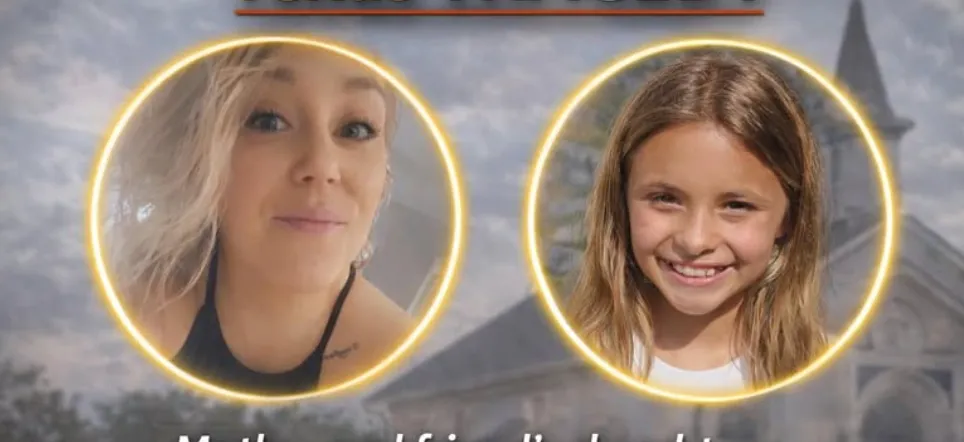
“My baby was so unique,” she said in online tributes.
“She was spicy but had a huge heart. I’m not sure how to function without her.”
The word “spicy” lingered in the minds of those who loved Kaley.
It suggested personality, humor, a spark that refused to dim.
It hinted at spirited conversations and laughter that filled rooms.
But beneath that spark was deep compassion.
She showed up for people, whether it meant offering advice or offering a ride home.
Small gestures defined her character more than grand speeches ever could.
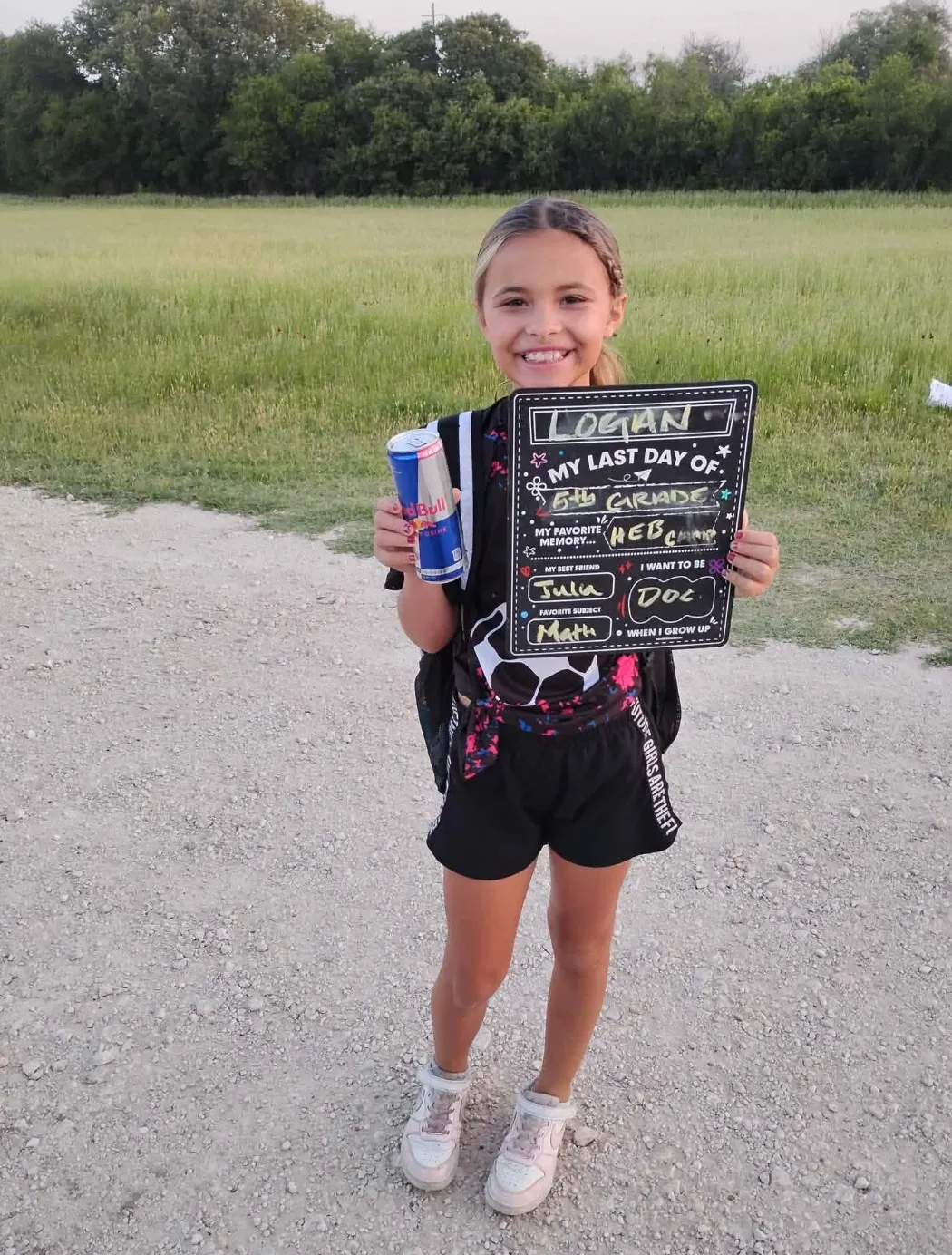
Logan Weaver was just eleven.
A boy on the edge of adolescence, with years of discovery stretching ahead.
He had favorite games, favorite foods, and likely a growing curiosity about the world.
At church, he was known for his bright smile.
He participated eagerly in youth activities and listened intently during lessons.
His absence now leaves an empty seat that feels impossibly large.
The Weaver family awoke the next morning to a nightmare that would not fade.
His bedroom remained unchanged, clothes folded, shoes by the door.
Silence settled into spaces once filled with energy.

News of the crash spread quickly through Callahan County.
Phones buzzed with disbelief as friends sought confirmation.
Prayer chains formed almost immediately, voices rising in collective sorrow.
At the church, leaders opened the doors for anyone needing comfort.
Pews that had held worshippers hours earlier now held mourners.
Tears flowed freely in a sanctuary accustomed to hymns.
Grief is a strange companion.
It arrives uninvited and lingers without schedule.
It reshapes conversations and interrupts sleep.
For Kaley’s teenage daughter, the world shifted without warning.
There are milestones ahead — graduations, birthdays, first heartbreaks.
Moments her mother should have been there to witness.
Friends describe Kaley as fiercely devoted to her child.
She cheered loudly at school events and offered steady guidance at home.
Her daughter was her proudest achievement.
On Highway 36, skid marks remain as silent testimony.
Drivers passing the stretch may slow down, aware that something tragic occurred there.
The road continues forward, indifferent yet forever changed.
The 18-wheeler involved in the collision loomed large in official reports.
Investigators worked to determine the sequence of events leading to impact.
Facts will be documented carefully, but they cannot restore what was lost.
In living rooms across the county, families held their children tighter.
Conversations turned to road safety and the unpredictability of life.
The fragility of an ordinary evening became painfully clear.
Kaley’s laughter now echoes only in memory.

Logan’s youthful energy lives on in stories shared among classmates.
Their names are spoken gently, with reverence.
At a candlelight vigil, neighbors gathered beneath the Texas sky.
Soft flames flickered against the warm night air.
Two framed photographs rested on a small table surrounded by flowers.
Pastors spoke of faith in the midst of heartbreak.
They acknowledged the questions that come with sudden loss.
They reminded the crowd that love does not end when life does.
Lauren stood surrounded by supporters.
Her grief was visible, raw and unfiltered.
Yet even in sorrow, she expressed gratitude for the community holding her up.
Logan’s classmates wrote letters.
Some promised to remember his jokes.
Others thanked him for kindness shown in small, unnoticed ways.
Kaley’s teenage daughter received an outpouring of support.
Friends brought meals and offered quiet companionship.
Adults stepped in gently, determined she would not face this alone.
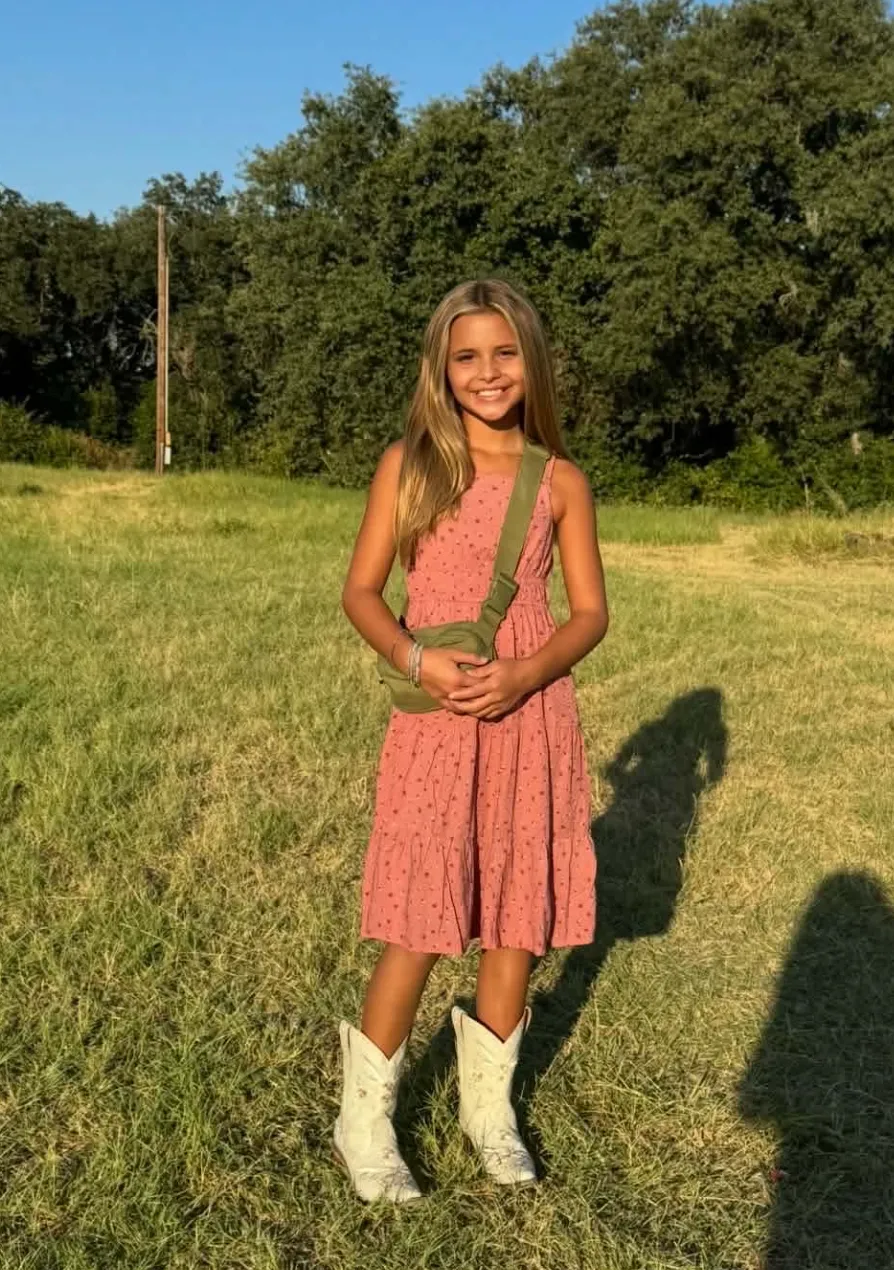
The DeMasters and Weaver families now navigate days measured differently.
Time feels divided into before and after.
Normal routines carry an undercurrent of absence.
Highway 36 remains a symbol of how quickly life can change.
One moment you are driving home from church.
The next, everything familiar is gone.
In the weeks ahead, there will be memorial services and shared meals.
There will be stories told through tears and occasional laughter.

There will be moments when grief feels overwhelming and moments when memory feels comforting.
Kaley Loren DeMasters will be remembered for her fierce love and generous spirit.
Logan Weaver will be remembered for his youth, his promise, and his smile.
Their lives, though cut short, touched countless others.
If they could speak now, perhaps they would ask their loved ones to hold on to love.

To remember the ordinary Wednesdays filled with quiet blessings.
To cherish simple rides home and simple acts of kindness.
Please lift up the DeMasters and Weaver families.
They face days heavy with questions and nights long with longing.
May they find strength in one another and in the memories that remain.
Two lives ended on a Texas highway.
But their impact continues in every prayer whispered and every story shared.
And in that remembrance, they are never truly gone.
No Capes, Just Cranes 152
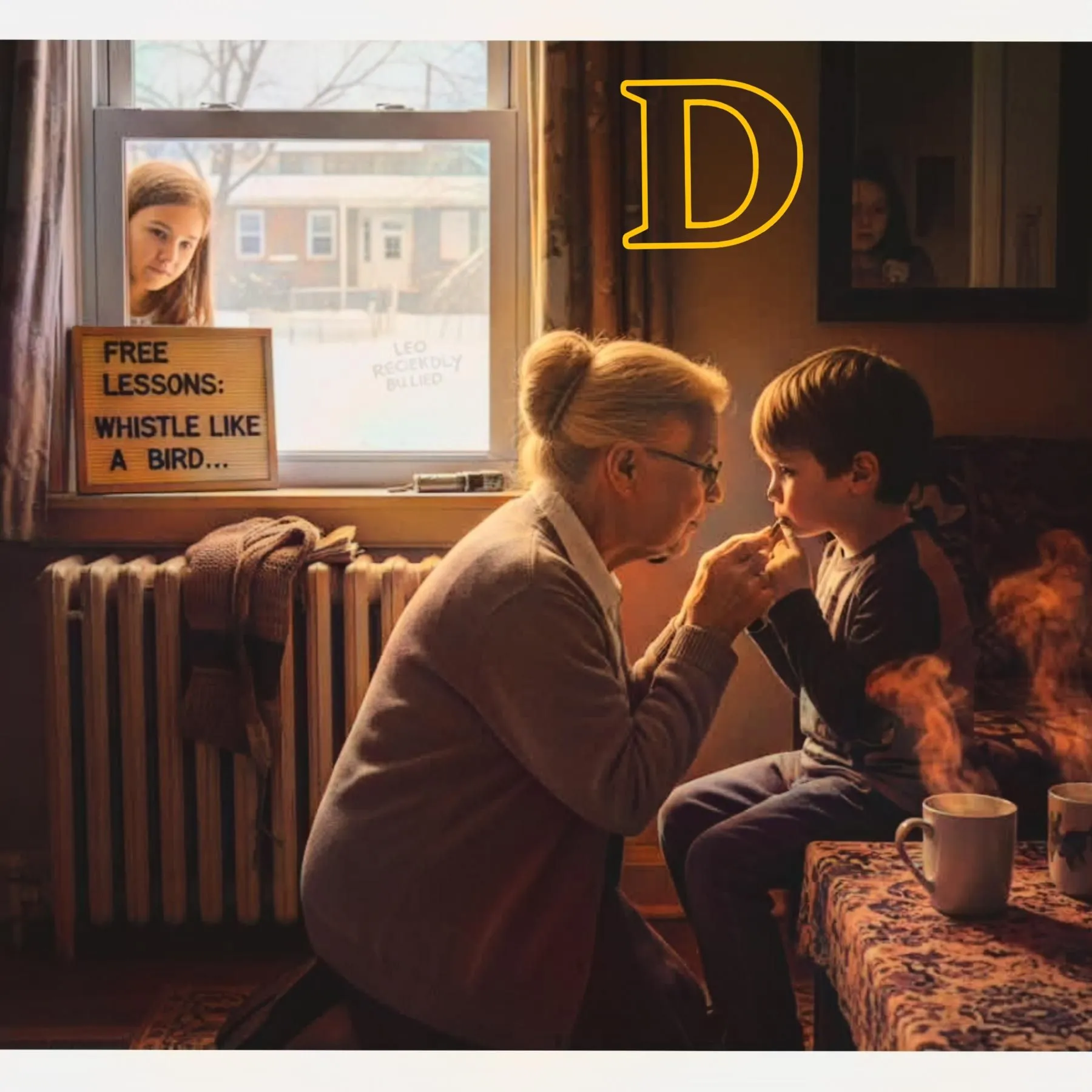

At 78, Eleanor’s world had shrunk to the hum of her radiator and the weekly phone call from her grown children. Her husband had passed 12 years ago. Her days were long, her nights quiet. Life began to feel like wallpaper—unnoticed, unmoving, forgotten.
Then, one winter Tuesday, she glanced out the window of her third-floor apartment and noticed a boy get shoved into the snow outside the elementary school across the street. He didn’t cry. He just stood, brushed the snow off, and walked on—his eyes vacant.
Something cracked in Eleanor’s chest. That boy reminded her of herself. Of every child, every adult, who’s ever felt invisible.
She had no extra money. No foundation to start. But she had time. And she had what her grandmother once gave her: a collection of small lessons that made the world feel bigger.
So Eleanor made a sign using her old printer. It read:
“FREE LESSONS: WHISTLE LIKE A BIRD. READ CLOUDS. TIE A SHOE IN THE DARK. TUESDAYS. APARTMENT #3B.”
She stood outside the school, hands trembling from the cold—and nerves. Kids laughed. Pointed. Called her names. But she stayed.
And then… Leo came.
The boy from the snow.
“Can you really read clouds?” he asked, barely audible.
Eleanor nodded. “That one? Puffy, means good weather tomorrow. That one? Dark and sharp? A storm’s thinking about visiting.”
For the first time, Leo looked up. Really looked.
He returned the next Tuesday. Then Maya, shy and stuttering, joined. Then Sam, afraid of the dark. One by one, they came—not for toys or gadgets, but for the “useless” things Eleanor offered: how to whistle, how to fold boats, how to find the North Star.
Week by week, things changed. Maya stopped stuttering when tying strong, perfect knots. Sam whispered he no longer needed his nightlight. And Leo? He grinned.
The kids started to believe they were capable. Brave. Worthy of being seen.
One day, the school principal knocked on Eleanor’s door. Eleanor feared the worst. But instead, the woman handed her a crayon drawing: a stick-figure Eleanor pointing to clouds shaped like hearts.
Below, it read: “Ms. Eleanor sees magic. So do we.”
Now, every Tuesday, Eleanor teaches from a worn armchair in the school library. There are no grades. No pressure. Just stories, songs, clouds, and paper cranes.
They call it the Library of Little Things.
It’s not just a place. It’s a feeling. A reminder that magic doesn’t need big budgets or applause. Sometimes, magic is teaching a child to whistle—loud enough for the whole sky to listen.