A Bullet Through the Wall: The Tragic Death of Sheldon Lewis 4306
The night began without urgency.
No sirens, no shouting, no warning signs that something irreversible was about to happen.
It was just another quiet Thursday night along Stone Mountain Highway.
Inside the Live In Lodge Extended Stay, the glow of television screens flickered behind thin motel walls.
Families settled in, travelers rested, and a teenager lay on his bed doing what countless teens do to unwind.
Nothing about the moment suggested danger.

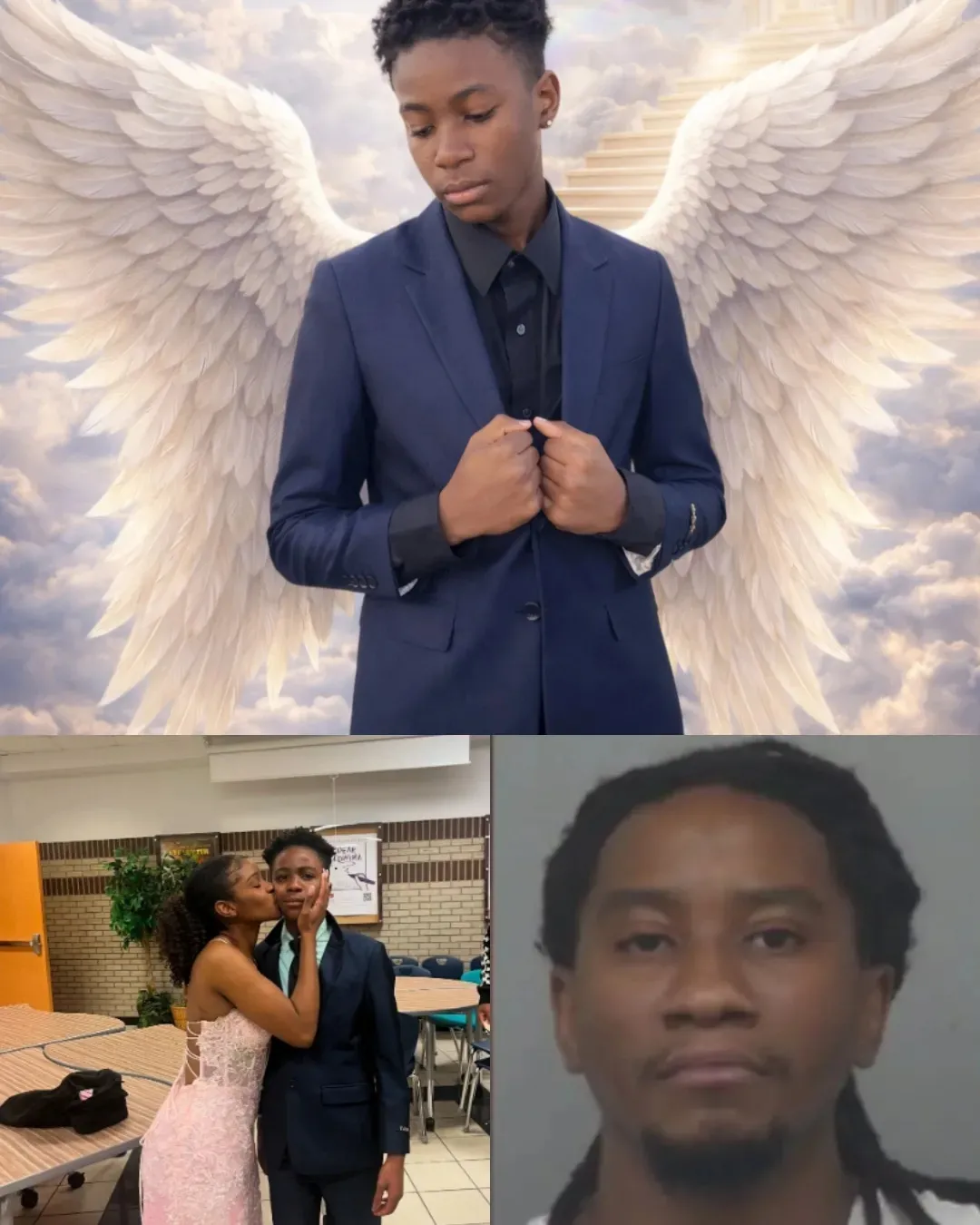
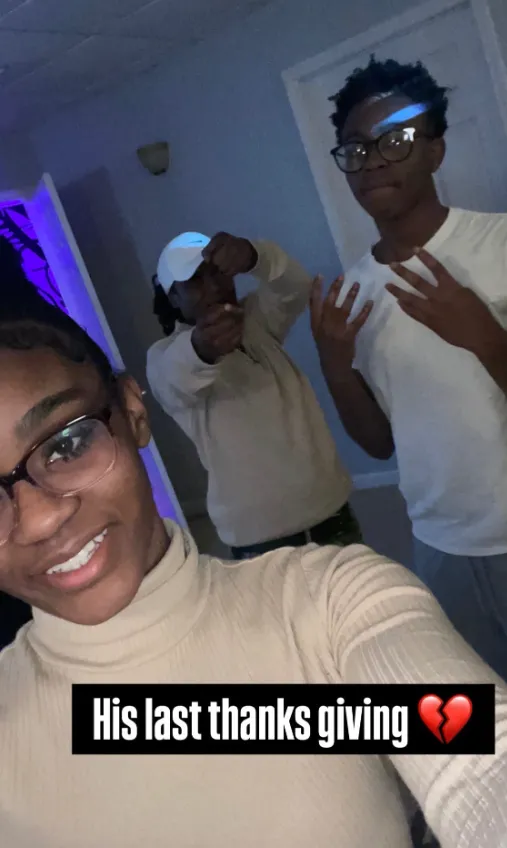
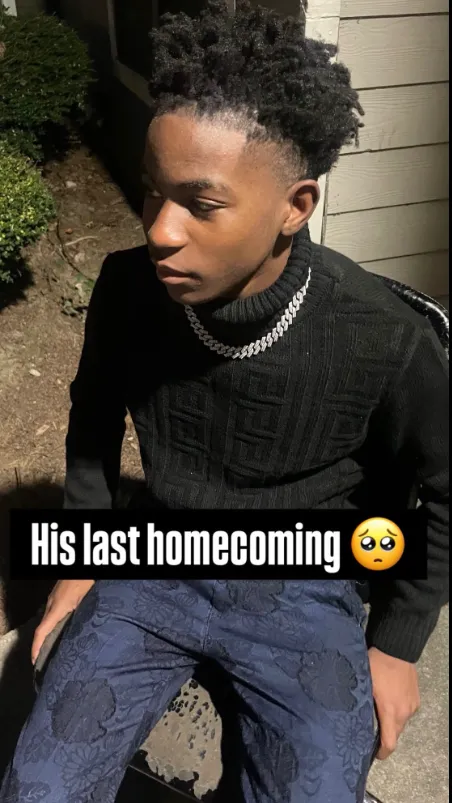
Sheldon Lewis was seventeen years old.
Old enough to have opinions and routines, young enough to still feel safest inside a room with familiar sounds.
That night, he was playing video games, lost in pixels and competition, unaware of how fragile the space around him truly was.
Room 216 was quiet.
The controller clicked softly, the screen lit his face, and the outside world faded away.
For Sheldon, the night was ordinary.
In the neighboring room, Room 225, another routine was unfolding.
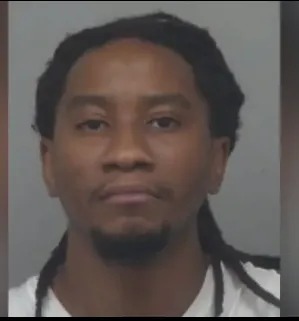
Shermarcus Cockran, thirty-one, had just returned from a gun range.
He told investigators he was cleaning his firearm, performing a task he believed he understood.
The gun was loaded.
The wall between the two rooms was thin.
And in one brief moment, everything went wrong.
A shot rang out.
The bullet tore through drywall as if it weren’t there at all.
It crossed the invisible boundary between two lives that had nothing to do with each other.
In Room 216, the bullet struck Sheldon.
There was no warning, no chance to react, no time to understand what was happening.
The game stopped, and the night broke open.
Police were called just before 11 p.m.
Officers from Gwinnett County Police Department arrived to find a scene no one should have to witness.
A seventeen-year-old boy lay dead in his bed from a gunshot wound.
The bullet had not come from the street.
It had not come from an argument or a fight.
It had come from the room next door.
Investigators traced the path of the round back through the shared wall.
The evidence was clear, unforgiving, and final.
A single discharge had traveled where it never should have been able to go.
Sheldon’s life ended in the place he should have been safest.
No one was arguing.
No one was threatening him.
He was just there.
News spread quickly through the motel.
Doors opened, neighbors gathered, and shock settled into the hallways.
One resident summed it up in disbelief: “They were just playing a video game, and a bullet just come through the wall.”
Crime scene tape went up as investigators worked through the early morning hours.
Flashlights cut across carpet and drywall, marking evidence where life had existed minutes earlier.
By sunrise, the motel looked the same, but it would never feel the same again.
Shermarcus Cockran was taken into custody.
He told detectives the gun discharged accidentally while he was cleaning it.
He now faces charges of involuntary manslaughter and reckless conduct.
The law has language for moments like this.
Charges, statutes, court appearances, and procedures.
But none of it explains how a teenager died doing nothing wrong.
Sheldon’s family was left with questions that had no comfort in them.
How could a bullet pass through a wall so easily.
How could someone be gone so fast.
Seventeen is an age full of unfinished things.
Unfinished plans, unfinished dreams, unfinished growing.
A life still forming was suddenly over.
Friends struggled to process the news.
One moment he was gaming, laughing, existing.
The next, he was a name in a police report.

The motel room where he died became a symbol of something deeply unsettling.
That walls don’t always protect.
That one person’s mistake can reach far beyond their own space.
Gun safety conversations resurfaced, heavy and urgent.
About loaded firearms.
About responsibility inside shared living spaces.
But for Sheldon’s family, those conversations came too late.
They were left with grief that arrived violently and without permission.
No warning, no preparation, no goodbye.
Investigators continued their work, documenting every detail.
The firearm.
The bullet path.
The thin wall that failed to stop it.
As the case moves toward court, the facts will be argued carefully.
Words like “accidental” and “reckless” will be weighed.
But no legal phrasing can undo what happened in Room 216.
Sheldon Lewis was more than a victim of a stray bullet.
He was a teenager enjoying a simple night.
A boy who never knew he was in danger.
His death forces a hard truth into the open.
Violence doesn’t always arrive with intent.
Sometimes it arrives through carelessness, and the outcome is just as permanent.
The motel on Stone Mountain Highway still stands.
Rooms are still rented.
Walls still separate lives that don’t know each other.
But one room will always carry the weight of that night.
A reminder that safety is fragile.
And that one mistake can cross a wall and take everything.
Sheldon mattered.
His life mattered.
And his story deserves to be remembered not as an accident, but as a warning written in loss.

The True Role of Educators: Guiding Children with Compassion and Love 16
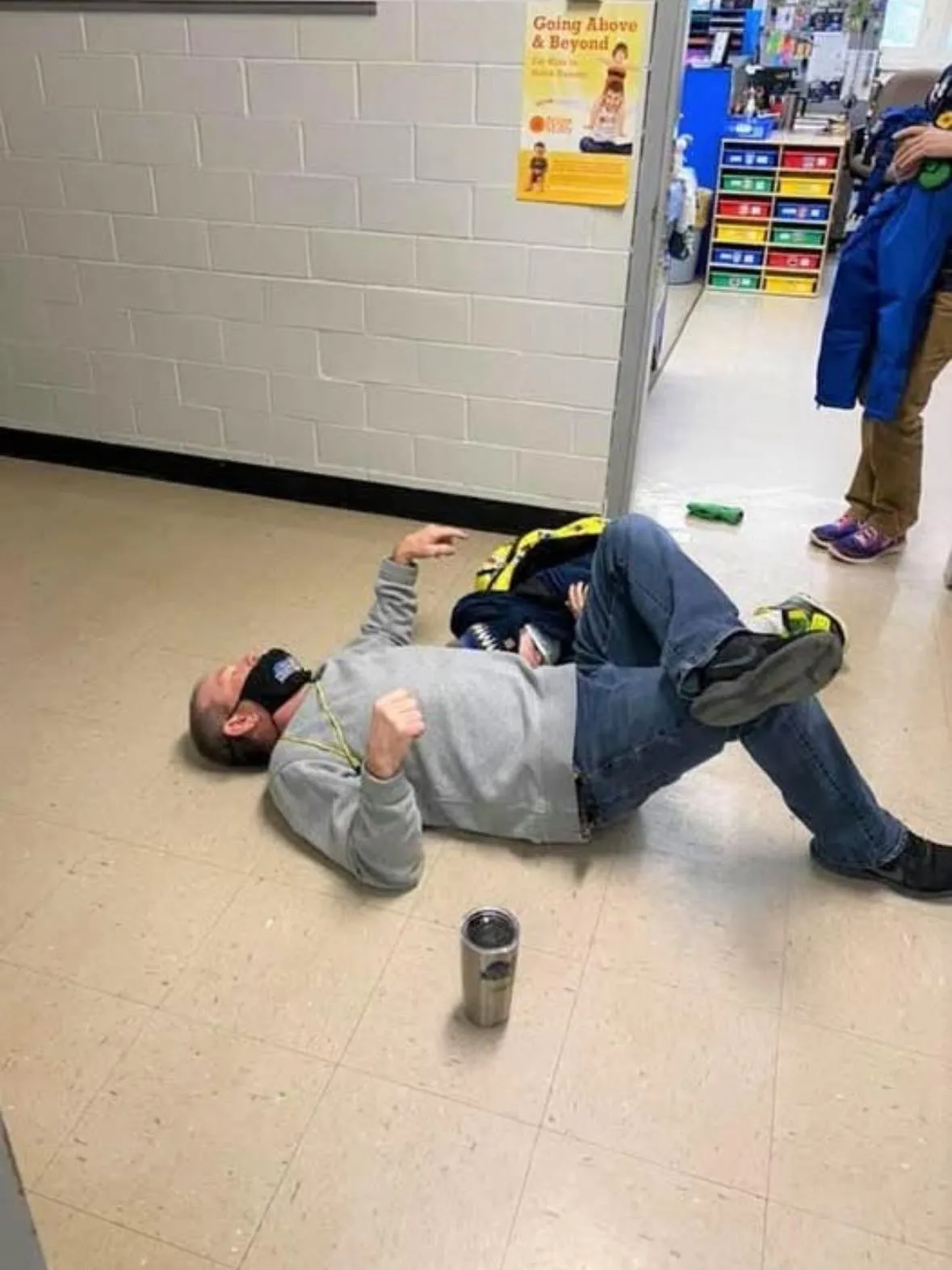

Yesterday, one of our little ones was having a really tough time. They were refusing to go to school and had a small breakdown right before we were about to enter the classroom. It’s never easy for kids to express their anxieties, but this child’s struggle was clear. As we stood there trying to comfort and encourage them, Mr. Burwick walked down the hallway, saw the situation unfolding, and didn’t hesitate for a second.
Without a word, he got down on the floor and sat with the child at their level, making eye contact and speaking calmly. He began explaining how, sometimes, he, too, doesn’t feel like going to school. But the reason he always does is because he loves learning new things and enjoys the excitement of discovering the unknown. The child slowly started to calm down, listening to Mr. Burwick, as he shared personal stories of his own school experiences.
This is the kind of thing that happens every day behind the closed doors of our schools—moments that most parents and the community never see. Teachers like Mr. Burwick go far beyond the curriculum. They take time to not only teach subjects, but to connect with children on a personal level, making them feel safe, heard, and loved. That’s the kind of impact educators can have, and it’s something that’s so easy to overlook.
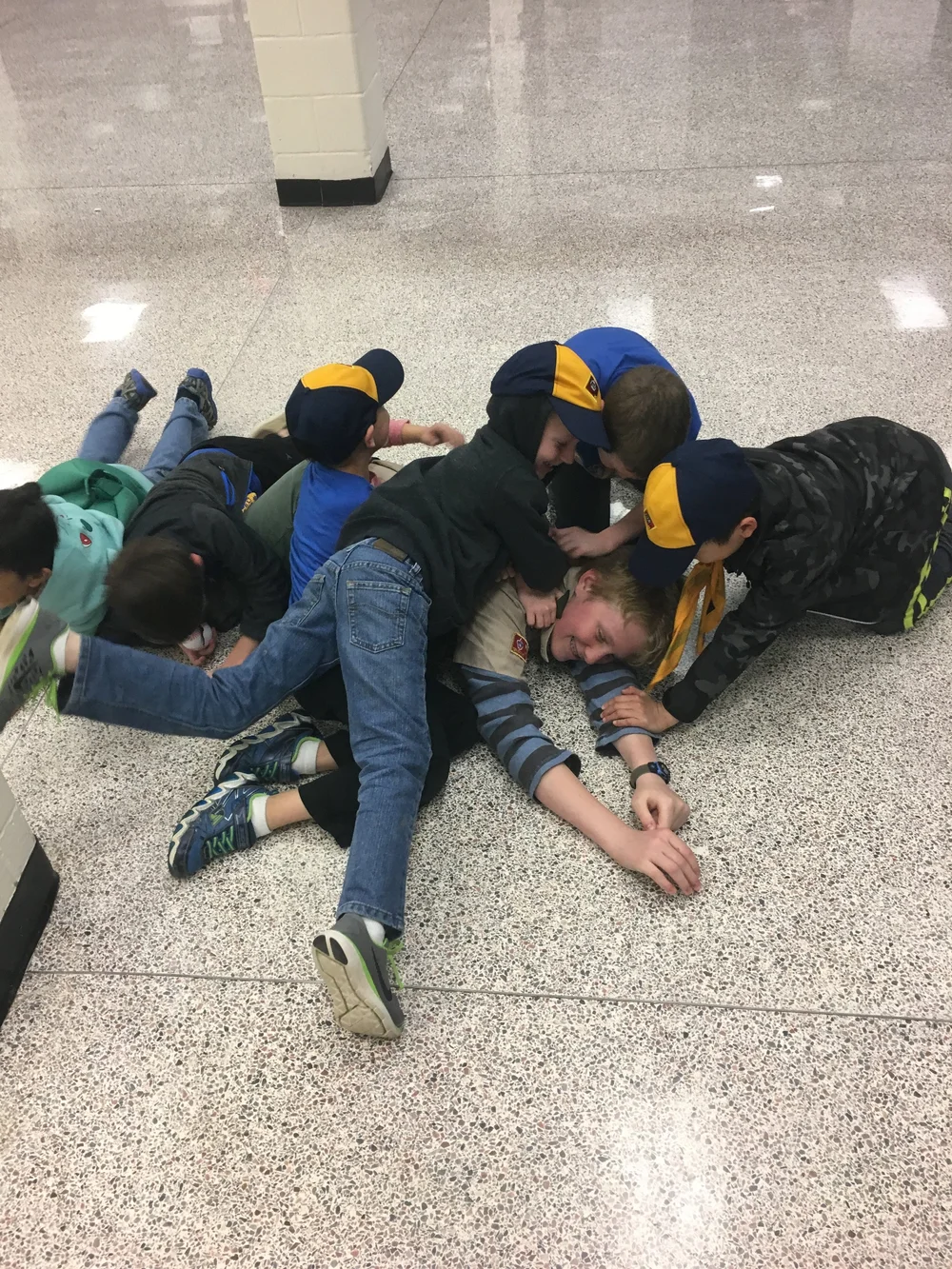
Mr. Burwick didn’t have to stop what he was doing, get on the floor, and speak to this child in such a caring way. But he did. It shows how much teachers are truly dedicated to not just educating kids, but helping them grow emotionally and feel supported every step of the way. This is the power of empathy and kindness, something we can all learn from.
We, as a community, need to start lifting each other up instead of tearing each other down. Our children watch us, learn from us, and take cues from how we interact with the world around them. If we want them to grow up to be kind, compassionate, and strong, we need to show them how it’s done. Let’s lead by example—be the role models you want your child to become.