BREAKING NEWS: Education Community Reeling After School Counselor Found Dead 4367
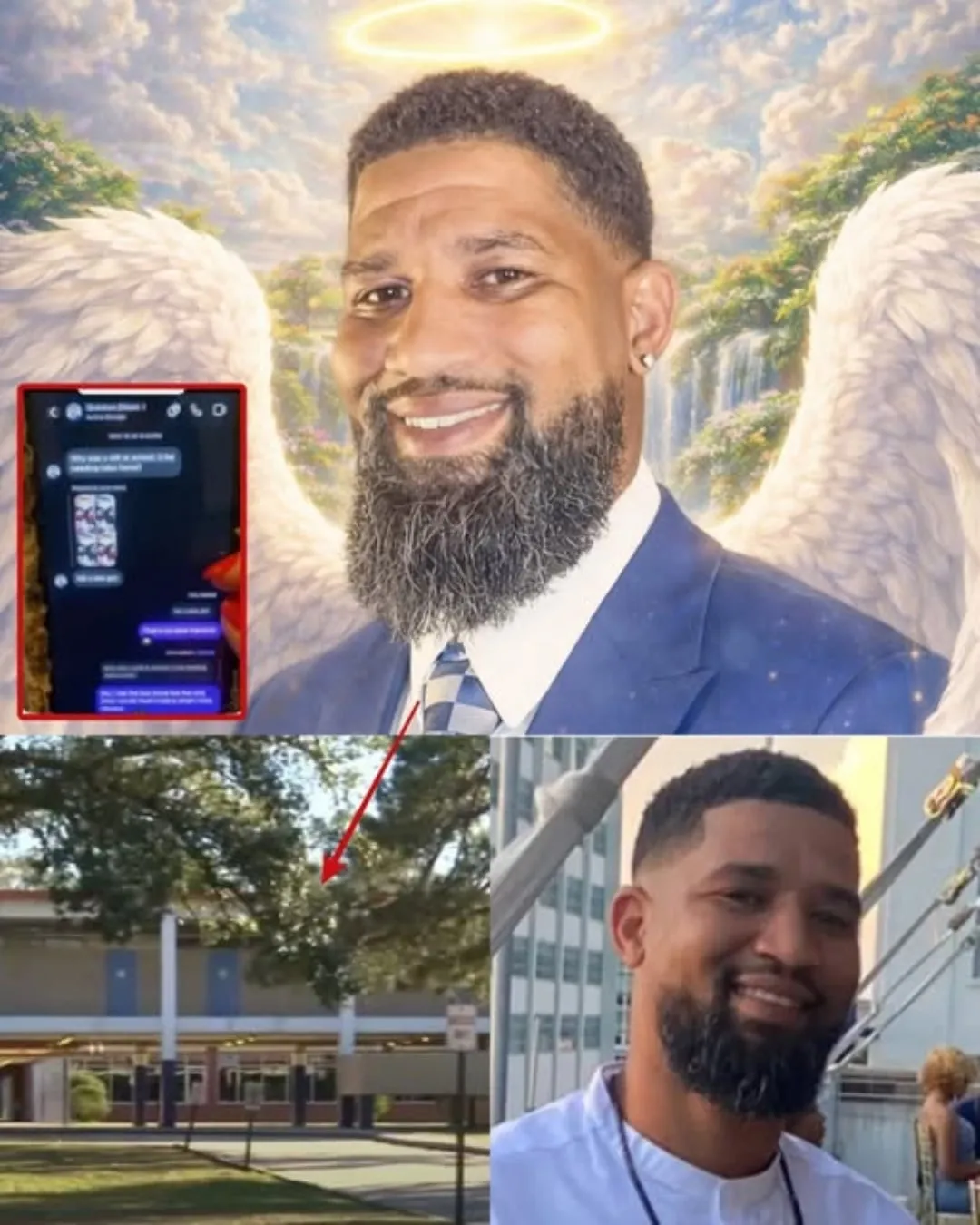
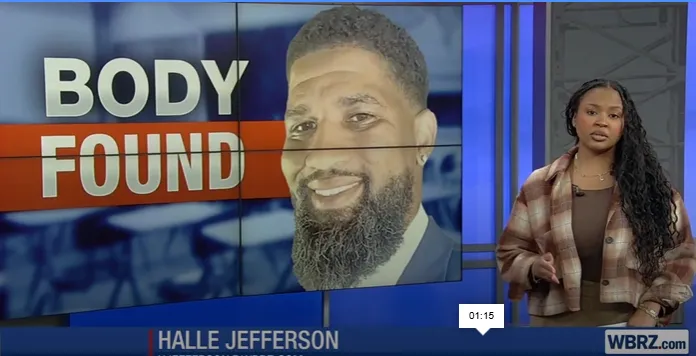
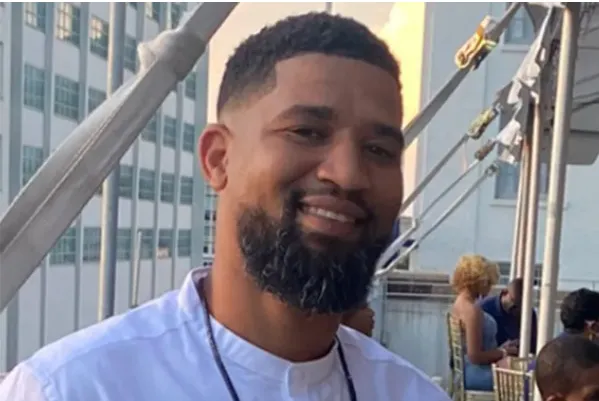
On January 28, 2026, that silence took on a different meaning when the body of 44-year-old school counselor Quinton Dixon was discovered inside an unused building on a middle school campus in Baton Rouge. Authorities say there were no signs of foul play and believe he died by suicide. The discovery came just weeks after he had been placed on administrative leave amid serious allegations involving a former student.
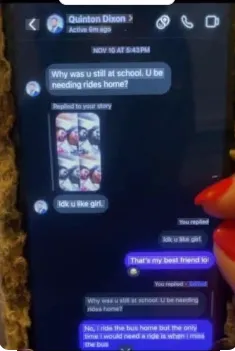
What had already been a troubling investigation suddenly became something heavier.
Dixon had been working as a counselor, a role that carries both authority and intimacy. Counselors are often the adults students confide in when they are overwhelmed, confused, or hurting. They are trusted to protect boundaries, not blur them.
According to court documents, that trust was called into question in December when a 14-year-old former student reported inappropriate online contact. Investigators allege that between November 2025 and January 2026, Dixon sent messages to the teen through social media. A warrant was later issued charging him with four counts of indecent behavior with a juvenile.
The digital trail, authorities say, raised red flags.
In her statement, the teen told investigators that an adult male counselor from her former school approached her one day, struck up a conversation, and later asked for her phone number or Instagram handle. She said messages soon followed. Likes. Emojis. Compliments.
At first glance, they may have seemed casual.
But according to the warrant, the tone shifted. The teen alleged that he called her “fire,” asked about her sexual orientation, inquired where she lived, and repeatedly offered to give her rides home. Investigators described the pattern as consistent with grooming behavior — a gradual attempt to build emotional familiarity with a minor.
The messages became the foundation of a criminal case.
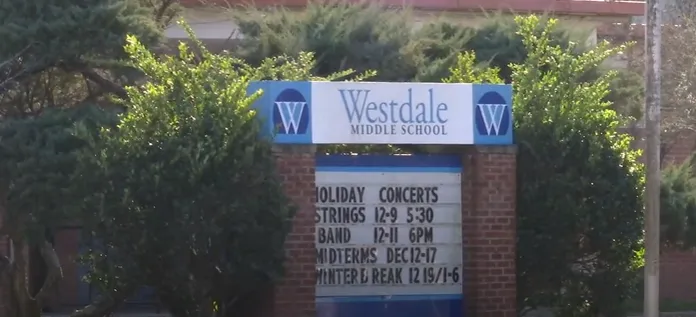
Dixon was placed on administrative leave as the allegations were examined. School officials confirmed he had been removed from student contact while the investigation proceeded. The arrest warrant had been issued only days before his body was found.
For many in the community, the timing has been difficult to absorb.
Parents are now left with two parallel realities. One involves allegations that a trusted counselor may have crossed dangerous boundaries. The other involves a death that has closed the door on a public trial, leaving no courtroom verdict, no cross-examination, and no formal resolution.
The legal case ends here.
But the emotional impact does not.
Advocates for child safety stress that when young people come forward with concerns, they must be heard and protected. They say that grooming rarely begins with overt misconduct. It often starts quietly — with flattery, attention, and digital communication that slowly erodes boundaries.
In today’s world, social media can accelerate that process.
Private messages, disappearing chats, and emojis can mask intentions. What feels small or ambiguous at first can escalate before adults around the child recognize the warning signs. Experts say that makes prevention and education more critical than ever.
At the same time, the case has ignited difficult conversations about mental health and accountability.
Some community members see Dixon’s death as an attempt to escape the consequences of a public criminal case. Others describe it as a tragic collapse under the weight of allegations, shame, and scrutiny. Both reactions reveal how layered and emotionally charged this situation has become.
The school district acknowledged Dixon’s death in a brief statement, extending condolences to the school community and to his family. Officials have not publicly detailed whether additional policy changes or safeguards will follow.
That silence has left some parents uneasy.
They are asking how long the alleged online contact went unnoticed. They want clarity about monitoring systems, reporting protocols, and whether additional students may have been affected. In cases like this, transparency becomes a form of reassurance — a way to rebuild trust in systems meant to protect children.
The location of Dixon’s body has added another layer of discomfort.
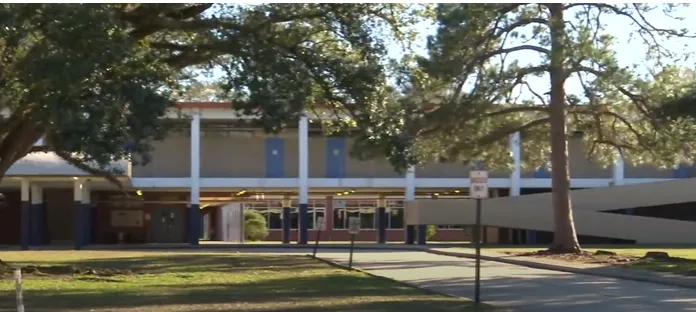
He was found in an unused building on school property. Parents are questioning how accessible that space was and whether campus security procedures will be reviewed. Even when authorities rule out foul play, the setting itself can shake a sense of safety.
For the teenager at the center of the allegations, the experience is deeply personal.
Regardless of how the criminal case ended, she now carries the weight of public attention and unresolved questions. Advocates emphasize that young people who report misconduct often face fear, doubt, and isolation. Ensuring her support and privacy will be critical in the weeks and months ahead.
For Dixon’s family, grief has arrived in a complicated form.
They are mourning a father, son, or brother whose name has become intertwined with allegations that will never be adjudicated in court. They, too, must navigate public reaction and private sorrow at the same time.
The community is left in the middle.
There is anger over the accusations. There is sadness over a life lost. There is frustration that the legal process will never fully unfold. And there is an urgent desire to ensure that something like this does not happen again.
Legal experts note that when a suspect dies before trial, the case effectively ends. There will be no conviction or acquittal. For some, that absence of resolution can feel like a second wound — a story that ends without answers.
Yet the broader lesson may extend beyond one individual.
Schools are places of trust. Counselors, teachers, and staff are given access not only to classrooms but to children’s vulnerabilities. When that trust is questioned, it reverberates far beyond a single campus.
As students return to class and parents resume routines, the quiet hallways feel different.
The case serves as a reminder that vigilance and compassion must coexist. Allegations must be taken seriously and investigated thoroughly. Young people must be protected. Mental health must not be ignored. And institutions must respond with transparency when trust is tested.
This story does not resolve neatly.
It lingers in conversations at kitchen tables, in staff meetings, and in the minds of parents who now ask harder questions. It stands as a sobering example of how quickly trust can fracture — and how essential it is to address concerns swiftly, fairly, and openly.
In the end, a counselor is dead, a teenager has spoken up, and a community is left searching for understanding.
And in the quiet spaces between classes, the echo of what happened will not fade easily.