THE VOICE THAT BROKE EVERY BARRIER — AND NEVER ASKED PERMISSION Charley Pride didn’t arrive in country music with a protest sign. He arrived with a voice. Born in 1934, in a world that quietly told him where he couldn’t belong, Charley did the unthinkable — he walked straight into country music and sang like he owned it. A warm baritone. Calm. Certain. No apology in it. When the records started selling, they didn’t slow down. When the crowds showed up, they didn’t leave. By the time anyone dared to ask who he was, it was already too late. The music had spoken first. He became the best-selling artist in RCA Records history — second only to Elvis Presley. Not as a symbol. Not as an exception. As a superstar. When Charley Pride passed in 2020, the silence felt different. Because his songs weren’t just hits — they were doors left open behind him. Was his greatest achievement the records he sold… or the walls his voice quietly erased? – Country Music
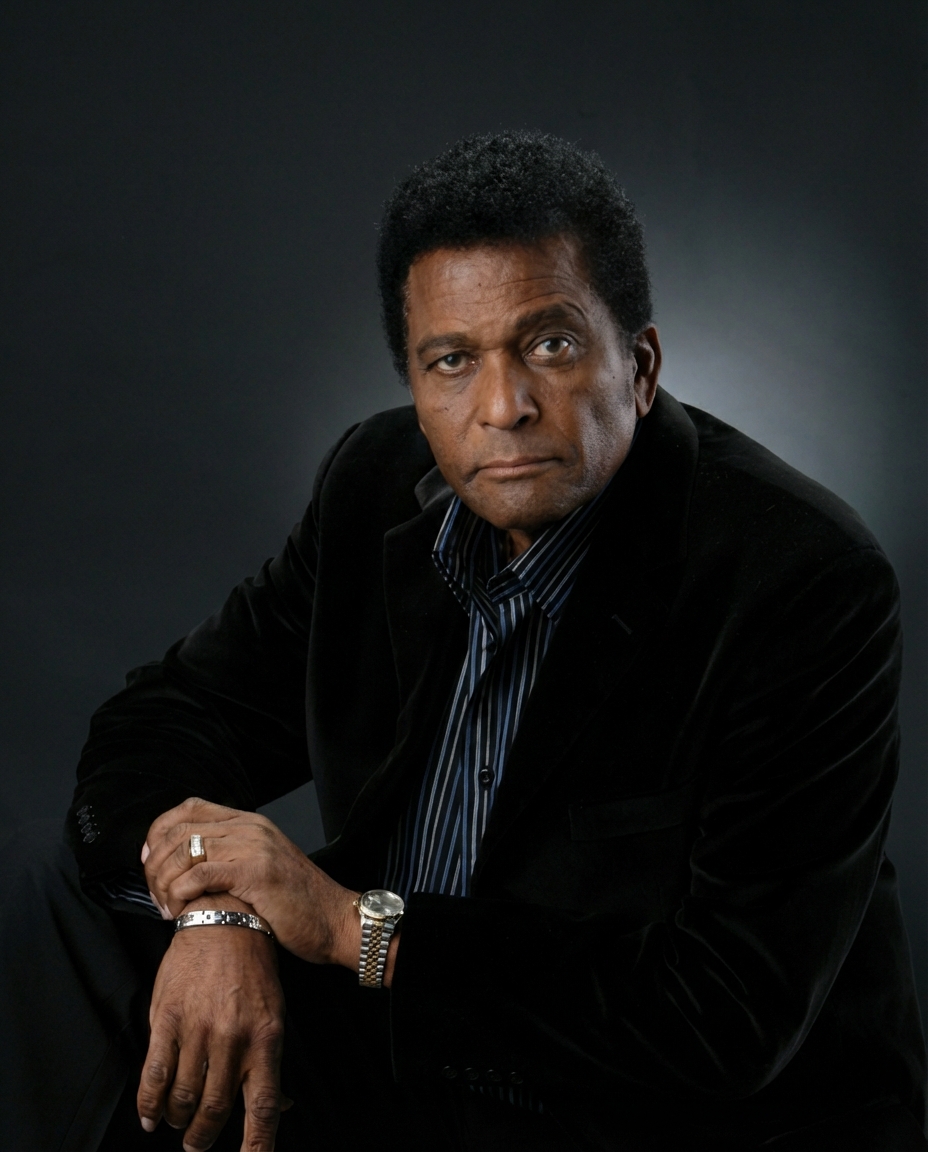
Scroll down to the end of the article to watch the performance.
Charley Pride didn’t arrive in country music with a protest sign. Charley Pride arrived with a voice that felt like it had been there all along—steady, warm, and sure of itself.
Born in 1934, Charley Pride grew up in a country that drew invisible lines around who was “supposed” to stand where. Some doors were closed so quietly that people pretended they were never locked at all. And yet, Charley Pride stepped toward a world that wasn’t designed for him and did something that still feels almost impossible: Charley Pride made people listen before they had time to judge.
Not because Charley Pride demanded attention. Because Charley Pride earned it. That baritone wasn’t a trick or a statement. It was calm and confident, like it knew the song would outlast whatever tension was in the room. When Charley Pride started landing on radio playlists and charts, the music spoke first. By the time anyone dared to ask questions that should have come earlier, the audience already had an answer: “We like him. We want more.”
He Didn’t Fit the Template—So He Changed It
In the early days, there were rooms where people didn’t know what to do with the fact that Charley Pride was a Black man singing country music. Some of the hesitation wasn’t loud. It was cautious. It was awkward silence. It was someone realizing, too late, that they had made assumptions about what country music “looked like.”
But the strange thing about a great singer is that a great singer can make those assumptions feel small. Charley Pride didn’t need to argue with anybody. Charley Pride just needed a microphone. When Charley Pride sang, the story moved forward whether anyone was ready or not.
That’s what “never asked permission” really means. Not arrogance. Not defiance for show. It means Charley Pride didn’t pause to beg the gatekeepers to understand him. Charley Pride showed up and did the work until the gate didn’t matter anymore.
Success So Big It Couldn’t Be Explained Away
Once the hits started, they didn’t stop politely. They arrived like proof. The crowds came. The records sold. Charley Pride didn’t become famous as a “first” or a “rare case.” Charley Pride became famous because Charley Pride sounded like a star and performed like one, night after night.
At his peak, Charley Pride became one of RCA Records’ biggest-selling artists—often described as second only to Elvis Presley in that label’s history. That sentence carries weight, but it also carries a warning: you can’t reduce Charley Pride to a footnote or a lesson. Numbers like that don’t happen because the world feels generous. They happen because the audience decides a voice belongs to them—and Charley Pride’s voice did.
And still, it’s worth noticing the way Charley Pride carried that success. There was no constant speech about it. No insistence that every applause line become a debate. Charley Pride understood something many people never learn: sometimes the strongest way to change a room is to stay steady in it, to keep performing until the room changes around you.
When the Silence Came, It Felt Personal
When Charley Pride passed in 2020, the silence didn’t feel like the end of a career. It felt like the end of a presence. The kind of presence that had been doing important work quietly for decades—work you don’t always notice until it’s gone.
Because Charley Pride’s songs weren’t only hits. Charley Pride’s songs were doors left open behind him. They were proof that the genre could hold more than one story, more than one face, more than one kind of life. And once a door is opened like that, it’s harder for anyone to pretend it was never meant to open.
The Question That Still Lingers
People can debate what Charley Pride’s “greatest achievement” was. The sales. The awards. The chart runs. The historic milestones. But the more haunting question is quieter than that: what did Charley Pride erase without even raising his voice?
Maybe the most powerful part of Charley Pride’s legacy is that Charley Pride didn’t make listeners feel like they were being tested. Charley Pride made listeners feel like they were being invited. To a song. To a stage. To a version of country music that had always been big enough—if only people were brave enough to admit it.
Was Charley Pride’s greatest achievement the records Charley Pride sold… or the walls Charley Pride’s voice quietly erased?
Watch a Performance
To experience what words can’t fully capture, look up a live performance of Charley Pride on YouTube and listen for the moment the room stops thinking and starts feeling. That’s where the barrier breaks—without permission, without warning, and without apology.
Post navigation
THEY DIDN’T BOO HIM. THE ROOM JUST WENT QUIET.
When Charley Pride stepped into the spotlight, the silence wasn’t respectful. It was uncertain.
This was a room full of people who already loved the voice. They had lived with it in their kitchens and cars. They had hummed along without thinking too hard about who was singing. On the radio, the voice felt familiar, comforting, almost anonymous in the best way. It sounded like country music was supposed to sound—steady, warm, unassuming.
But live stages don’t allow anonymity.
No one had warned them who would be singing those words tonight.
They had fallen in love with songs about a man who walked out the door each morning carrying love with him. Songs about devotion that didn’t shout or beg. Songs where affection was quiet, confident, and already understood. “Kiss an Angel Good Mornin’” wasn’t dramatic. It wasn’t tragic. It didn’t reach for pain. It simply reminded people how love was supposed to begin the day.
And now the man attached to that voice stood in front of them.
Charley Pride didn’t pause to explain himself. He didn’t offer a speech. He didn’t ask for patience or understanding. He didn’t smile nervously or soften the moment with humor. He did the one thing he trusted completely.
He sang.
The first lines landed gently, almost cautiously, like they were testing the air in the room. A song about starting the day right. About love so steady it didn’t need defending. About a kiss given without performance, without insecurity, without fear of how it might be received.
The room leaned in.
You could feel the shift before you could hear it. Shoulders relaxed. Brows unclenched. The tension that had nothing to do with music and everything to do with expectation began to loosen its grip.
Because the song didn’t argue.
It didn’t challenge anyone in the way they feared. It didn’t ask the audience to change who they were. It simply invited them to recognize something they already knew. Love that feels right doesn’t announce itself. It just shows up, every morning, the same way.
Faces changed.
People who had arrived curious or cautious found themselves nodding along. Not because they had decided to accept anything, but because the feeling in the song felt familiar. It reminded them of their own kitchens, their own doorways, their own mornings when affection was passed along quietly before the day pulled everyone apart.
In that moment, it stopped being about who was onstage.
It became about the memory the song unlocked.
Charley Pride stood there without pushing, without pleading, without trying to win anyone over. His voice did the work it had always done. It carried something human enough to slip past hesitation and land where arguments never could.
The crowd didn’t cheer halfway through. They didn’t interrupt. They listened.
By the time the final note settled, the silence returned—but it wasn’t the same silence as before.
This one was full.
Then came the applause.
It wasn’t polite. It wasn’t cautious. It wasn’t the kind you give because you feel you should. It was relief. The sound of a room realizing it had just been carried past its own uncertainty by something as simple as a song about love.
People clapped because they recognized themselves in the feeling. Because the voice onstage had proven it didn’t need explanation. Because the moment they feared had passed without confrontation.
Love had sung them past their hesitation.
Charley Pride didn’t change who he was that night. He didn’t ask anyone else to change either. He just stood there and reminded them that music, at its best, doesn’t divide a room.
It quiets it.
And then it brings everyone back together.