WHEN NEARLY 5,000 PEOPLE GATHERED IN WINCHESTER TO BURY PATSY CLINE, THEY WEREN’T JUST SAYING GOODBYE TO A COUNTRY STAR. THEY WERE BRINGING VIRGINIA HENSLEY HOME. She was 30 years old. She had been a star for barely three years. And yet nearly 5,000 people came to say goodbye. Patsy Cline — the voice behind “Crazy” and “I Fall to Pieces” — died on March 5, 1963, when a small plane went down in Tennessee. She was flying home from a benefit concert. She never made it. But here’s what most people don’t know: the woman they buried in Winchester, Virginia wasn’t born Patsy Cline at all. Her name was Virginia Patterson Hensley. A girl who dropped out of school to help support her family. Who waited tables and worked a drugstore counter. Who sang in local clubs while the rest of the world had no idea what was coming. Winchester hadn’t always been kind to her. She was a working-class girl in a town that noticed such things. And then, on her funeral day, that same town closed in around her by the thousands. They weren’t burying a country star. They were bringing their girl home. Has a hometown ever meant that much to you? – Country Music
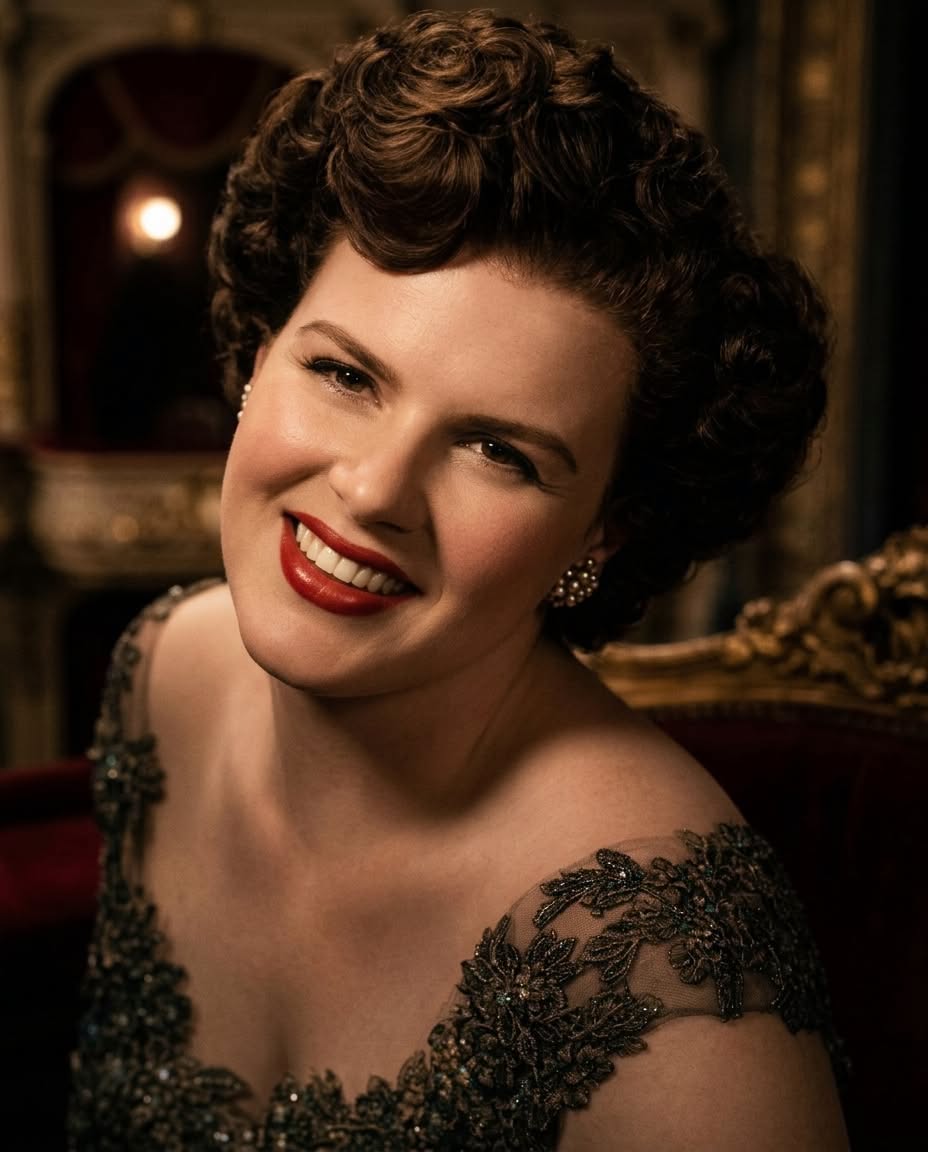
On a cold March day in 1963, Winchester, Virginia, did something that still feels almost impossible to picture. Nearly 5,000 people came together to say goodbye to Patsy Cline, the country singer whose voice had already begun to feel timeless. She was only 30 years old. Her career had burned bright for barely three years, but the grief in her hometown was deep and unmistakable.
Patsy Cline died on March 5, 1963, in a plane crash in Tennessee while flying home from a benefit concert. The news hit hard across the country, but in Winchester it landed differently. This was not just the loss of a famous singer. It was the return of Virginia Patterson Hensley, the girl who had once lived there as one of its own.
The Girl Before the Fame
Long before the hits, Virginia Patterson Hensley was a working-class daughter trying to help her family keep going. She left school early and worked to support the people around her. She waited tables. She worked a drugstore counter. She sang where she could, often in places that had no reason to believe she would become a star.
That part of her story matters because it explains why her success never felt polished or distant. Patsy Cline did not arrive from nowhere. She came from labor, from pressure, from a life that asked her to grow up fast. Winchester knew that history even if it did not always treat her kindly in the beginning.
Winchester Watched, Then Remembered
Small towns can be complicated places. They can judge quickly, then mourn loudly. Winchester had once seen Virginia Patterson Hensley as just another local girl trying to make something happen. By the time of her funeral, that view had changed. The town had not just lost a celebrity. It had lost someone it had watched begin.
That is part of why the funeral became so powerful. The crowd was large, but the feeling was intimate. People were not only there because Patsy Cline had sold records. They were there because they recognized the path she had taken from local girl to national voice. They were there because fame had not erased where she came from.
Bringing Virginia Hensley Home
There is something moving about a hometown claiming one of its own after the world has already claimed her. In Winchester, Patsy Cline was still Virginia Hensley in the hearts of many. The service felt like an act of return, a way of saying that the town had not forgotten the girl behind the stage name.
They were not simply burying a country star. They were bringing their girl home.
That idea is what makes her story endure. The songs remain, of course. “Crazy” and “I Fall to Pieces” still carry her voice into new generations. But the human story beneath the music is what gives it weight. A daughter of Winchester left school, worked hard, sang anywhere she could, and rose into history before life cut her short.
When nearly 5,000 people gathered to mourn her, they were grieving more than a performer. They were honoring the memory of Virginia Patterson Hensley, and the hometown that once knew her as a girl finally understood what it had helped shape.
Post navigation
The Quiet Goodbye of Marty Robbins in Nashville
When Marty Robbins died on December 8, 1982, Nashville did what Nashville does best: it came together to honor a man whose songs had become part of American life. Just weeks earlier, Marty Robbins had been inducted into the Country Music Hall of Fame, a long-overdue recognition for an artist who had already spent decades shaping country music with his voice, his writing, and his range. The Hall of Fame induction came in October 1982. His death followed only eight weeks later.
The funeral was held at Woodlawn Funeral Home in Nashville, and the turnout spoke for itself. The main chapel overflowed. Three smaller chapels filled too. People stood in the hallway just to be near the service. About 1,500 mourners came to say goodbye.
The room held giants of country music. Johnny Cash and June Carter Cash were there. So were Eddy Arnold, Roy Acuff, Charley Pride, Porter Wagoner, Ricky Skaggs, and Little Jimmy Dickens, the man who had helped give Marty Robbins an early break nearly thirty years before. The gathering felt less like a formal farewell and more like a final chapter in a story Nashville had been telling for decades.
Reverend W. C. Lankford gave the only eulogy. He spoke plainly and with feeling, saying that doctors had done a good job of mending Marty Robbins’s heart, then adding that Marty Robbins had spent his life mending thousands of broken hearts through song. It was the kind of line that stayed with people because it was simple and true.
Music, too, carried the service. Brenda Lee sang One Day at a Time. A young woman from his church offered a medley of hymns. There was no excess, no long program, no attempt to turn grief into spectacle. The farewell lasted only thirty minutes.
Afterward, Marty Robbins was buried privately in the hills of middle Tennessee. No cameras. No crowd. No public display. The man who had sung about lonely roads, hard choices, and men facing the end in wide open country was laid to rest quietly, out of sight.
That contrast is part of what makes his story linger. On record, Marty Robbins sounded big, bold, and unforgettable. In death, the goodbye was restrained. And maybe that was fitting. He had spent his life giving people songs that filled the spaces in their own hearts. In the end, Nashville gave him a goodbye that was dignified, personal, and deeply human.